Winter brings snow-covered lawns, frosty mornings, and plenty of excuses to stay cozy indoors. But if you’re a devoted pet parent, you know that staying active is as important in cold weather as it is during warmer months. So, what is too cold for dogs?
The answer depends on several factors, including air temperature and your dog’s size, age, breed, and coat thickness. Although it is sometimes obvious from a pet’s behavior, pet parents can sometimes miss signs that their pup is chilly.
This guide addresses the most common questions about winter pet safety. From “Do dogs get cold?” and temperature thresholds to signs of hypothermia, here is what pet parents should know about keeping dogs warm and safe all season long.
How cold is too cold for dogs to be outside?
Cold tolerance varies from one pet to another. A young Siberian husky with a thick undercoat may be perfectly content in the snow, while a senior Chihuahua with thin fur could struggle when the temperature drops below a reasonable 50 degrees.
Understanding your dog’s unique cold-weather needs can help you make safe choices when you take your dog outside. Here are the key factors that determine the answer to the question: Do dogs get cold outside?
Coat type and thickness
Your dog’s fur helps regulate their body temperature through insulation. Breeds with double coats can more easily maintain their body temperature in winter, while dogs with thin or short fur, such as greyhounds or whippets, may need additional protection from a winter coat or sweater.
Size and body weight
Lightweight breeds and small dogs get cold faster than large dogs because they have more surface area (relative to their small mass) to lose heat, while large dogs have more body fat and muscle mass to help them stay warmer on walks. However, no pet is entirely immune to the freezing cold or wind chill.
Age
Puppies and senior dogs are less able to regulate their body temperature compared to healthy adult dogs. They may become cold faster, even when wearing their winter gear. Underlying health conditions can also make it harder to retain heat. If your senior pup seems reluctant to go outside for walks in cold weather, limit their outdoor time and provide plenty of warmth and shelter indoors.
Breed-specific tolerance
Some dog breeds were made to withstand winter. Siberian huskies, Alaskan malamutes, and other Northern breeds have dense fur and undercoats, and they often enjoy winter walks in the snow. Smaller breeds, such as miniature pinschers or Italian greyhounds, are sensitive to temperature drops because their thin coats and smaller frames can leave them chilly.
Health and underlying conditions
Dogs with chronic health issues, such as arthritis, hypothyroidism, or heart disease, may feel the cold more than other dogs. These conditions can impair blood flow, mobility, and metabolism, making it harder for dogs to stay warm or avoid frostbite. Check with your veterinary team if your pet has health issues that could affect their sensitivity to cold weather.
How cold is too cold for a dog walk?
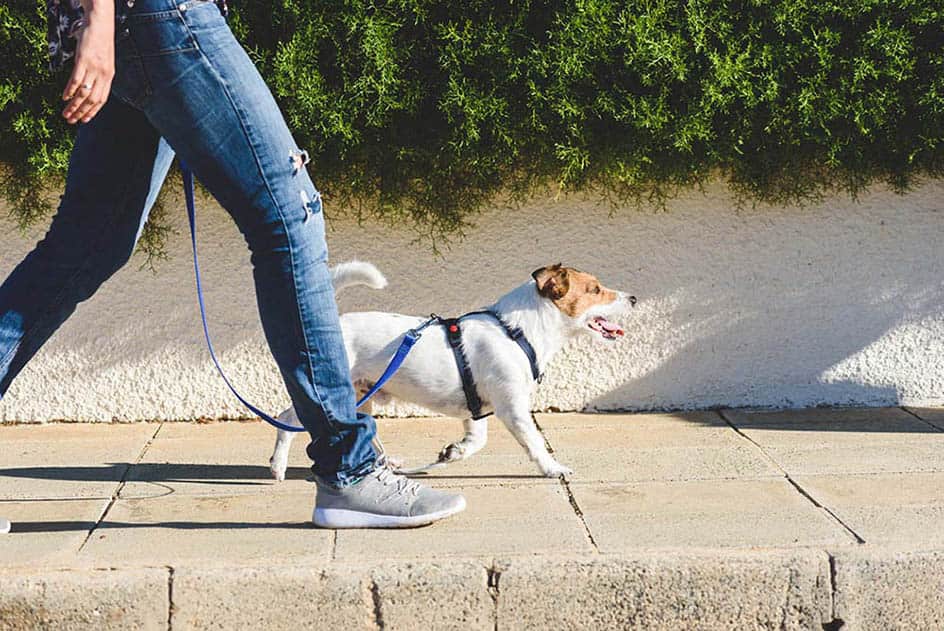
You don’t have to skip your dog’s walk on every chilly day, but once the temperature drops, you may need to adjust your routine. Here’s a quick guide on when it’s safe to head outside and when it’s best to stay indoors:
- Above 45 degrees Fahrenheit — This is safe for most dogs, though small dogs or short-haired breeds may appreciate a sweater.
- 32 to 45 degrees Fahrenheit — Some dogs begin to feel cold. Consider a light coat or sweater and keep walks on the shorter side.
- 20 to 32 degrees Fahrenheit — The risk of cold stress increases. Limit walks to 15 minutes or less and consider a heavier winter coat or boots.
- Below 20 degrees Fahrenheit — This is too cold for most dogs to go outside for longer than necessary. Keep outings brief and use warm outdoor gear.
- Below 10 degrees Fahrenheit —Frigid temperatures are unsafe for most dogs due to the risk of hypothermia and frostbite. Stick to indoor activities with trips outside reserved for potty breaks.
The wind chill, snow, and ice can make temperatures feel colder than they are. If your pup starts shivering or seems reluctant to walk, head inside to take shelter and warm up under some blankets,
How to keep outside dogs warm in winter
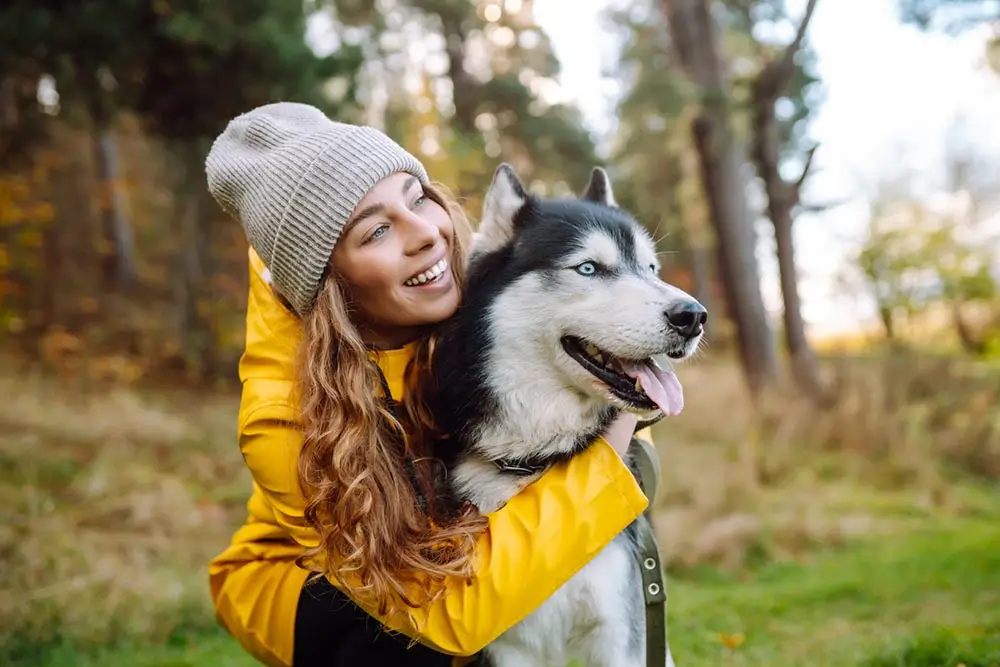
When the temperature drops, a few minutes outside can be unsafe for your pup. Here are some clever, veterinary-approved ways to keep your dog warm outside during winter.
Limit outdoor time during extreme cold
The colder it gets, the shorter the time you should allow your dog outside. When the temperature drops below freezing, short, supervised bathroom breaks are best.
Use dog jackets or sweaters
Coats and sweaters help retain body heat for smaller breeds or those without a thick undercoat who get cold easily. Ensure all winter gear fits snugly without restricting movement and covers the sensitive chest and abdomen.
Protect paws from ice and salt
Sidewalk salt, snow, and ice can irritate or injure your dog’s paws. Use protective booties or apply paw balm before heading out, then wipe your dog’s feet afterward to remove potentially harmful substances.
Watch for signs of cold stress
Shivering, whining, tail tucking, slow movements, and raised paws are signs that your dog is getting too cold. These may also be early signs of hypothermia, so you should bring your pet inside immediately to warm them up.
Avoid leaving a dog outside unattended
No matter how much your dog loves to romp in the snow, it’s unsafe to leave them outside alone in the winter. Cold air, freezing surfaces, and wind chills can quickly lower body temperature. If your dog spends time outside in the cold, supervise them closely and ensure they can come inside at will.
Support warmth through nutrition
Dogs burn more energy than usual trying to stay warm in cold or freezing weather. Providing balanced, nutrient-dense meals with digestible protein and healthy fats, along with appropriate supplements, helps fuel their muscles to help maintain body heat.
Cold outside, cozy from the inside
During winter, dogs burn more calories to maintain their body heat. They need balanced, whole-food nutrition to support steady energy, maintain heat-producing muscle mass, and build strong defenses against cold and related illnesses such as hypothermia and frostbite.
JustFoodForDogs offers fresh-frozen, shelf-stable, custom, and prescription diets, along with a range of supplements, to address the health needs of dogs and prepare them for a tough winter season. Our human-grade nutrition and quality ingredients are backed by veterinary science, ensuring you feed your dog the best year-round.
Check out our website to learn more about our variety of food types, how custom nutrition can address your dog’s winter health needs, and how pairing good cold‑weather habits with balanced, nourishing meals can set your dog up to feel their best, no matter the temperature.