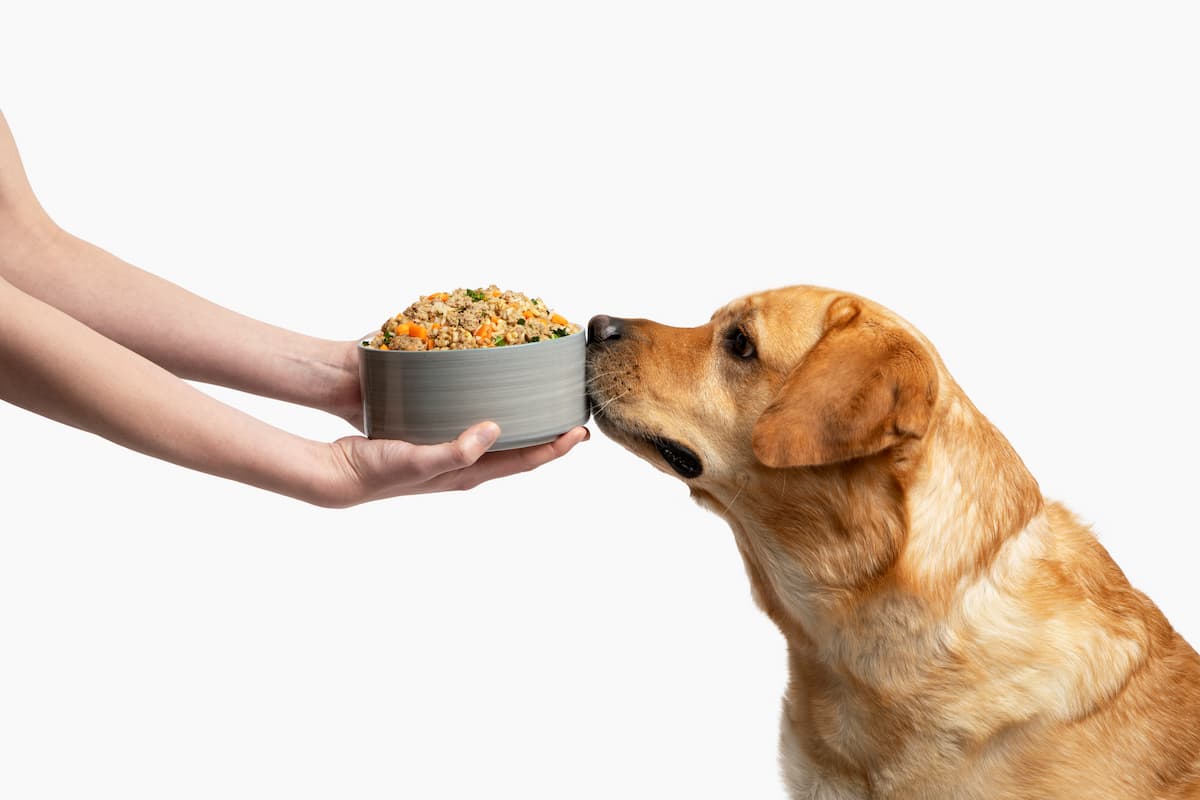
Puppies grow up fast, and what you feed them during this critical stage has a lasting impact on their health. The healthiest puppy food supports steady growth, fuels energy and play, and lays the groundwork for healthy development.
With all the pet food options on store shelves, choosing a puppy food can feel overwhelming. Some formulas are designed for growing pets, while others are meant for all life stages—so which is the best dog food for puppies? Do puppies need dry food like kibble, wet or canned food, or something else?
Plus, small-breed and large-breed puppies have different calorie and calcium requirements, making it important to choose the right puppy food. Here, we cover what makes a high-quality puppy food, what to look for in a new pet food, and how to choose a dog food type and formula that meets your puppy’s nutritional needs.
Essential ingredients in high-quality puppy food
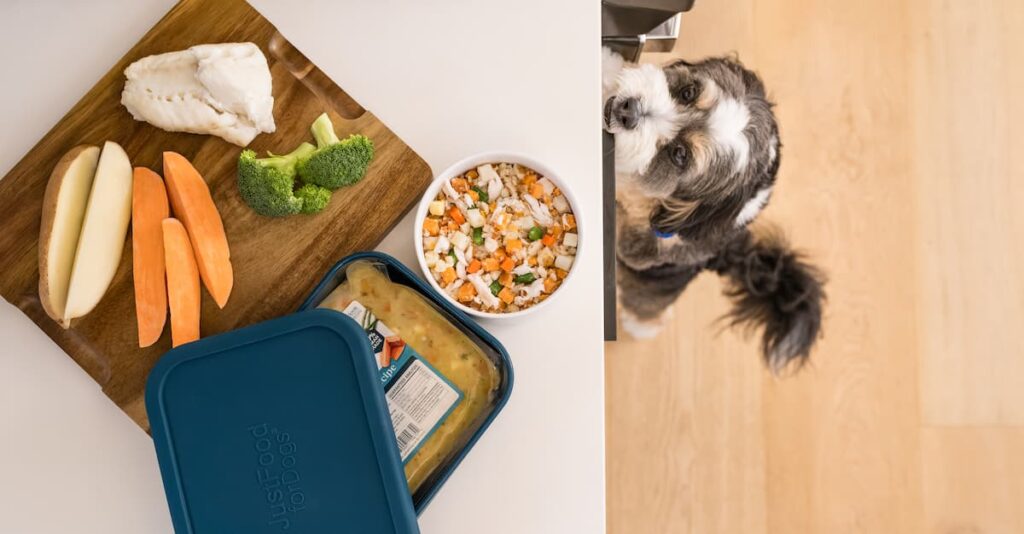
Puppies need more energy than adult dogs, but it’s not as simple as feeding them more of an adult-formula pet food. Puppies need a specific balance of nutrients, especially calcium and phosphorus, to ensure their bones and joints develop at the correct pace.
Here are some of the most important nutrients to look for in puppy food:
- Protein: Protein helps puppies build muscle, grow properly, and stay active. High-quality puppy food will list protein sources, such as chicken, beef, turkey, or fish, as the first ingredient.
- Fat: Fat is a concentrated energy source for puppies and helps their bodies absorb vitamins. A healthy balance of dietary fats also supports healthy skin and a shiny coat. A good puppy food should provide healthy fats from animal sources, such as chicken fat or fish oil.
- Omega-3 fatty acids: These fat molecules support brain and organ development, which is crucial for growing puppies. Fish oil and flaxseed oil are good sources of omega-3s, which may also help to reduce inflammation and support a healthy immune system.
- Docosahexaenoic acid (DHA): This is a specific type of omega-3 fatty acid involved in brain development. It’s found in mother’s milk and in marine sources like fish and seaweed. Many vet-recommended puppy foods add DHA to support learning during the puppy life stage.
- Calcium: Puppies need calcium to build strong bones and teeth. But, feeding too little or too much, especially in relation to other important minerals like phosphorus, can cause growth problems in large-breed puppies.
- Probiotics: Probiotics are good bacteria that support digestion and immunity. They help keep your puppy’s gut healthy, which is important when transitioning to new foods or dealing with stress.
- Prebiotics: Prebiotics are fibers that feed probiotics. They come from ingredients like chicory root or vegetables and help create a favorable environment for “good” gut bacteria to thrive.
To evaluate the nutritional value of a puppy food, check the back or side of the bag to see the ingredients list and look for an Association of American Feed Control Officials (AAFCO) statement clearly labeling the bag of puppy food as “complete and balanced for growth.” This indicates the dog food is safe for puppies to eat and will support their growth.
Best puppy food options
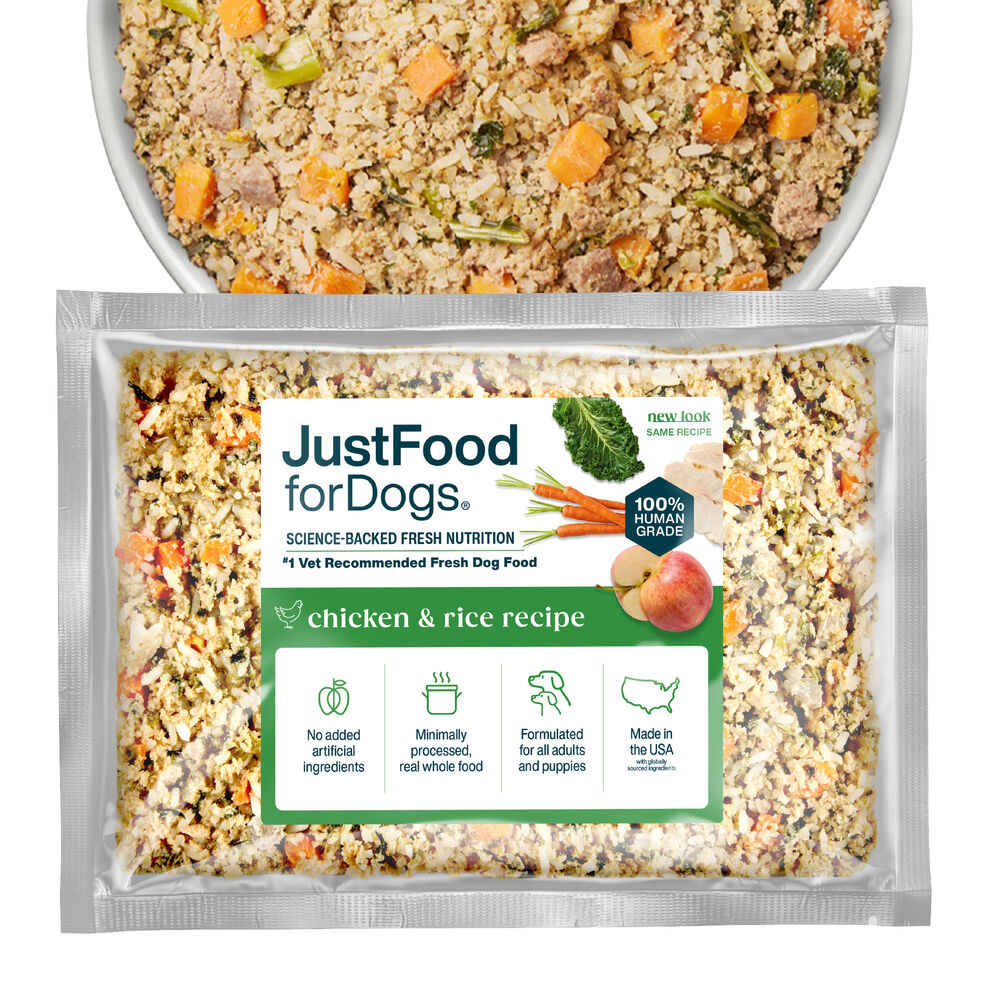
The best puppy food is complete and balanced for the growth stage of life. JustFoodForDogs offers two fresh frozen recipes suitable for puppies, as well as custom diets for pups with more specific dietary and nutritional needs.
Fresh frozen meals
JustFoodForDogs Fresh Frozen meals are gently cooked, then frozen to preserve nutrients. These meals are made with whole, human‑grade ingredients and formulated by veterinary nutritionists to ensure each recipe is complete and balanced. Two high-quality puppy food recipes meet the nutritional requirements of early development:
- Chicken and rice: This vet-recommended puppy food recipe contains high‑quality, easily-digestible chicken and rice to support a growing puppy’s muscles without upsetting their stomach. Vegetables and finely-tuned vitamin and mineral additions balance the diet to support growth and development.
- Fish and sweet potato: This recipe uses fish as the main protein source, providing naturally occurring omega‑3 fatty acids (DHA and EPA), which are crucial for development and ongoing health maintenance. Sweet potatoes add fiber and carbohydrates for steady energy and a healthy gut.
Custom diets
JustFoodForDogs custom diets are ideal for puppies with specific nutrition needs, such as dog food sensitivities, digestive issues, or chronic conditions. The diets are created by a board-certified veterinary nutritionist, with input from your family vet. They address your puppy’s unique health needs while preventing nutrient imbalances that can happen when cooking for your pet without a nutritionist-formulated recipe.
Tips for smoothly transitioning your puppy to new dog food

Puppies may struggle to digest their food because their immune systems and intestinal microbiomes (gut bacteria) are still developing. Switching dog foods too quickly during this time can cause stomach upset. A slow transition can give your pup’s body time to adjust.
Here are a few tips to help you switch foods safely.
Introduce new foods gradually
Start by mixing 25% of your pet’s new food with 75% of their current puppy food. Over one to two weeks, slowly increase the amount of new dog food in the bowl while decreasing the amount of old dog food.
Here’s a sample schedule:
- Days 1–3: 25% new dog food and 75% old dog food
- Days 4–6: 50% new dog food and 50% old dog food
- Days 7–9: 75% new dog food and 25% old dog food
- Day 10: 100% new dog food
You can shorten the transition period if you run out of the old dog food, but you may need to lengthen it if your pup has soft stools or any other stomach issues.
Serve consistent portions
Keep meal size and frequency consistent as you transition to the new dog food to ensure your pup gets all the nutrients and calories they need. This may be harder to gauge when you switch from dry dog food like kibble to fresh or wet dog food, since the portions may look a bit different. If you’re not sure how much to feed your puppy, ask your vet or check the feeding guide on the bag.
Establish regular feeding times
Puppies need a lot more energy and nutrients than adult dogs. Veterinarians recommend spreading your puppy’s daily food over three meals. Do this to prevent digestive overload, which can happen when you feed larger meals only once or twice daily. When growth begins to slow, usually somewhere between 6 and 12 months of age, you can ask your vet about switching to two meals per day.
Feeding consistent amounts at consistent times each day while switching to a new diet can help you rule out those variables if your dog has a problem with the food. Maintaining a structured schedule during puppyhood also helps keep potty times predictable for house training.
Smart puppy food choices for healthy growth
The best dog food for puppies supports growth that’s not too slow and not too fast, provides energy for activity and play, and sets your pup on the path to a healthy future. As a pet parent, feeding complete, balanced, and thoughtfully prepared meals is the best thing you can do to meet your pup’s nutritional needs during critical stages of growth and development.
Fresh dog food made from human-grade ingredients can be a great option for puppies. Fresh-frozen formulas can make feeding a fresh diet more convenient, because you can just thaw and serve. With veterinarian-formulated recipes, you can feel confident that your puppy’s food will support them as they grow.
Fresh dog food is a newer approach to pet health that supports their overall well-being and sets them up for a happy, healthy life. Check out JustFoodForDogs’ frozen dog food, shelf-stable meals, or custom dog diets to see what human-grade food can do for your dog.