The majority of pets in America are overweight, but what’s a pet parent to do if they have a malnourished dog that actually needs to gain weight?
Unexplained weight loss isn’t just a dietary issue, but often a symptom. Dogs who lose weight despite eating normally may be dealing with something beneath the surface, from intestinal parasites or a malabsorption disorder to dental pain, or even stress. This guide walks you through the whole picture: how to recognize when thinness is a red flag, what to discuss with your vet before making changes, and how to help your underweight dog gain weight in a way that’s steady and safe.
5 tips to help your dog gain weight
First, always work with a professional to help a malnourished dog get to a healthy weight gain. Before diving into feeding strategies or home cooking to help your dog gain weight, talk to your vet or veterinary nutritionist. They will be the best person to guide you on the appropriate weight gain process that meets the dog’s needs based on their body condition.
1. Start with a vet check if weight loss is new or unexplained
It bears repeating: If your dog or puppy’s underweight appearance is sudden or unexplained, make a vet appointment to rule out any underlying health issues that may not be diet-related.
2. Choose a calorie-dense, complete and balanced diet
If your pet is looking boney and experiencing weight loss, it takes more than portion size to get them to a healthy weight. According to a professor of clinical nutrition at Cornell’s College of Veterinary Medicine, Joseph J. Wakshlag, protein is a priority. “Typically, we like to see slightly higher protein diets,” says Wakshlag. High-quality animal proteins with lots of phosphates, magnesium, and potassium, like ground beef or ground turkey, are key to building and maintaining muscles as dogs age.
Your underweight dog’s diet will need to meet certain fat and caloric needs as well. Proteins like beef and lamb are higher in calories than, say, chicken or fish.
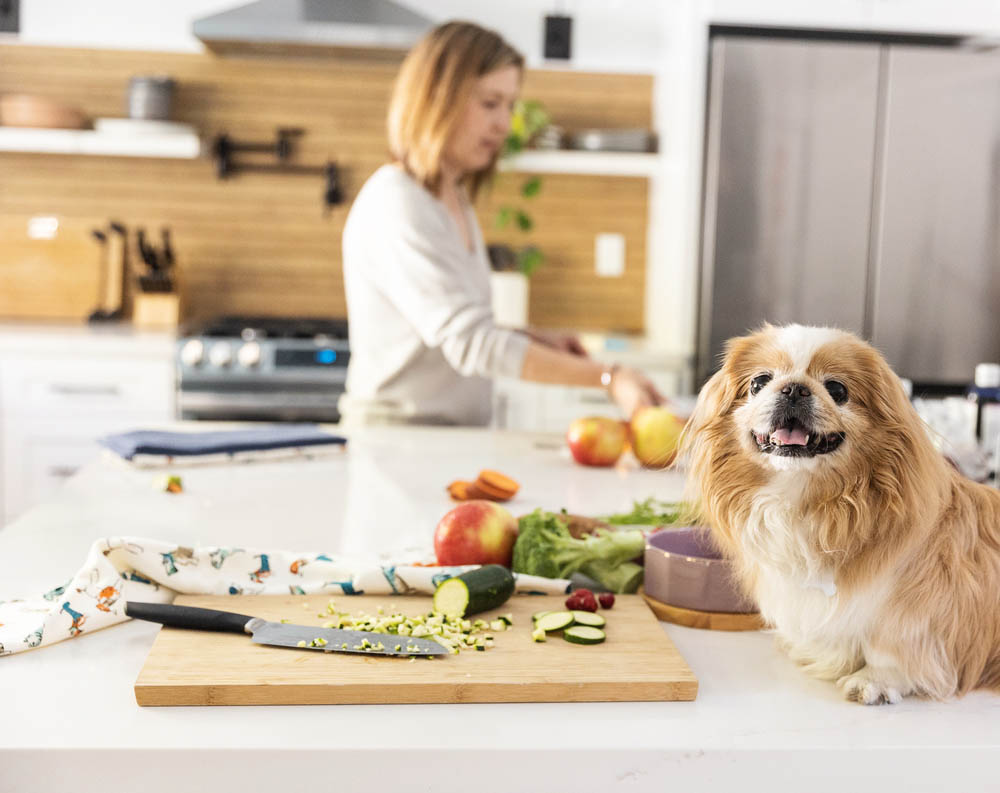
If you go the DIY dog food route, however, ensure it is a complete and balanced diet that meets your dog’s specific nutritional needs.
3. Increase intake with smaller, more frequent meals
Take your pup’s activity level, breed, and any other health issues into account. This will help determine an appropriate portion size.
4. Improve palatability to help picky dogs eat more
If your dog is on kibble, try mixing in a highly palatable topper.
5. Make changes gradually to avoid stomach upset
Always make new dog or puppy food transitions gradually over a period of 7-10 days.
What are the best foods for dogs to gain weight?
Choosing a dog food that helps your underweight dog fill out may seem overwhelming at first. Here are some qualities to look for:
Palatability
A dog or puppy who won’t eat its food simply won’t gain weight. That’s where palatability comes in. It not only encourages eating dog food, but hopefully encourages them to eat enough. Weight gain requires a caloric surplus, which means the dog needs to consume more than it burns. A dog food they find genuinely enjoyable makes it much easier to hit those higher intake targets without force-feeding or stressing the animal out.
Digestibility
A dog can only benefit from the calories and nutrients it eats if they actually absorb it. If a food is poorly digestible, a large portion of it passes through the gut unused. The dog may be eating plenty, but their body isn’t extracting the protein, fat, fiber, and calories needed to build muscle mass and healthy body condition. Highly digestible dog food means the gut can efficiently pull out nutrients and put them to work. Proteins get broken down into amino acids that support muscle development. Fats are absorbed and converted into usable energy.
High in calories
Underweight dogs may not have big enough appetites to tackle a full meal. Dense, calorie-rich food means they can consume a smaller volume and still get what they need to start building muscle and fat reserves.
Examples of dog food diets that support weight gain
For Recovery After Illness or Surgery
Your vet may recommend a high-protein, high-fat dog food diet specifically designed to be calorie-dense while also being easy on the digestive system, which matters a lot when a dog is healing. They may also recommend a diet formulated with added vitamins and antioxidants to support the immune system. If your dog is on crate rest with limited mobility, however, be mindful of possible weight gain.
For Highly Active Dogs Who Burn a Lot of Calories
Working dogs, sport dogs, and high-drive breeds like Border Collies or Huskies can burn through calories faster than a standard diet can replace them. Your vet may recommend a performance-focused food built around high protein and fat ratios to fuel sustained energy and preserve muscle mass.
For Senior Dogs Struggling to Keep Weight On
Older dogs may be underweight due to reduced appetite, dental discomfort, or slower nutrient absorption. A dog food with elevated protein may help. Wet food or a mix of wet and dry can also help, since it’s more palatable and easier to chew.
For Puppies That Need More Calories for Growth
Puppies have enormous energy demands because they’re building an entire body from scratch. They need a puppy food to match. Look for a calorie-dense puppy food that supports their development for a healthy weight. Large breed puppies may need even more calories and/or fat.
For Picky Eaters Who Won’t Finish Meals
A dog that constantly leaves food in the bowl will naturally struggle to gain weight, no matter how good the formula is. Switching to a high-calorie wet food or a topper may make dog food more appealing. Adding a small amount of something aromatic and savory — like a spoonful of plain cooked chicken or a drizzle of salmon oil — can also encourage a reluctant eater to finish the bowl, giving the healthy weight diet a real chance to work.
Help your dog gain weight safely with targeted nutrition
At the end of the day, helping your dog reach a healthy weight isn’t just about how to fatten up a dog by adding more food to their bowl — it’s about understanding what’s driving the problem and addressing it at the root. A proper diagnosis, even if it rules everything out, gives you the solid foundation you need to build a plan that actually works.
Once you know the “why,” the right support can make all the difference. For dog breeds who need extra help gaining or maintaining weight, options like custom diet plans, targeted supplements, and vet-prescribed meals take the guesswork out of the equation.