If your dog is suffering from digestive issues or recovering from gastrointestinal illness, your vet may have recommended a low-residue dog food. But what exactly is low-residue dog food? And why does it matter?
Let’s take a closer look at what a low-residue diet for dogs is, who benefits from it, how it’s different from other pet food options, and what to look for when choosing the right formula for your pup.
What is Residue in Dog Food?
In dog nutrition, “residue” refers to the undigested portion of food that remains in the gastrointestinal tract and is eventually passed as poop. The more digestible the food, the less residue it produces. This is where low-residue food comes into play.
Low-residue dog food is designed to minimize the amount of indigestible material in the gut. This translates into reduced fecal volume, which can be helpful not only for easier cleanup but also for easing the strain on your dog’s digestive system.
Less residue means better nutrient absorption, improved digestive health, and potentially quicker recovery if your dog is dealing with gastrointestinal issues.
Who Needs a Low-Residue Diet?
Dogs experiencing gastrointestinal upset, digestive conditions, or recovering from surgery often benefit from a low-residue diet. Conditions such as colitis, pancreatitis, inflammatory bowel disease (IBD), and diarrhea or constipation are all common reasons for veterinarians to recommend this type of nutrition.
In many of these cases, minimizing residue helps avoid overloading an already stressed intestinal system. Dogs with sensitive stomachs, food intolerances, or digestive issues that present as flatulence, vomiting, or inconsistent stools may also improve significantly on a more digestible diet.
It’s important to note that these diets are generally most appropriate for adult dogs, as puppies have different developmental nutritional needs.
How Does Low-Residue Dog Food Support Digestive Health?
A low-residue diet works by reducing dietary bulk, which results in less work for the digestive organs. This can be particularly beneficial when the digestive system is inflamed or irritated.
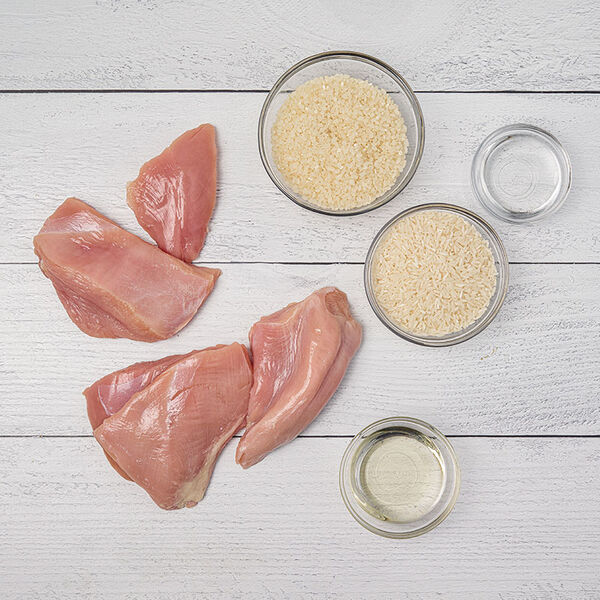
Lowering the fiber content—especially insoluble fiber, which is not broken down in the intestines—helps avoid triggering further symptoms like diarrhea or cramping. By emphasizing highly digestible ingredients such as gently cooked lean meats, white rice, or sweet potatoes, these diets ensure that your dog receives essential nutrients without the metabolic strain that typically comes from breaking down complex or high-fiber foods.
The balance of macronutrients is critical in a low-residue dog food. These formulas tend to be low-fat, which is essential for dogs with pancreatitis, as high-fat meals can worsen inflammation of the pancreas.
The protein sources included are typically high-quality and lean, avoiding heavy or processed meats that can be harder to digest. Digestibility is key: every calorie and gram of protein should contribute to healing and sustained energy rather than exacerbate symptoms.
Some low-residue formulas include added amino acids, enzymes, and gut-supporting nutrients that enhance digestion and nutrient uptake. These additions further reinforce the dog’s immune system while promoting wellness and recovery from GI distress.
What’s in Low-Residue Dog Food?
Ingredients in low-residue dog food are specifically chosen for their digestibility and nutrient profile. Lean animal proteins like chicken, turkey, or fish are favored, and eggs may also be used due to their complete amino acid profile.
These proteins are often gently cooked to enhance digestibility and preserve nutrients. Unlike heavily processed meat by-products, these whole food sources allow the body to absorb more with less intestinal effort.
For carbohydrates, easily digestible options like white rice, sweet potatoes, and sometimes brown rice are used. These ingredients break down smoothly in the gut and provide clean energy without contributing to bloating or gas.
While whole grains are sometimes present, they are usually included in moderation, as their higher fiber content can be counterproductive for dogs with active digestive issues. The overall carb content in low-residue food tends to be moderate and balanced, which helps avoid overloading the gut.
Fiber is included sparingly and typically comes in the form of soluble fiber, which can help firm up stool without irritating the intestines. These formulas often steer clear of insoluble fiber, fillers, and high levels of crude fiber.
Moreover, low-fat content is a priority, especially for dogs with pancreatitis or similar metabolic sensitivities. Lowering fat reduces the workload on the pancreas and intestines, allowing for faster healing.
Finally, supplements play a supporting role in promoting digestive health. Probiotics help restore the balance of gut flora, while prebiotics act as food for beneficial bacteria, encouraging their growth.
Digestive enzymes can be added to improve the breakdown of macronutrients. Essential fatty acids, particularly omega-3s, also reduce inflammation and support coat and skin health. Some formulas also contain specific amino acids that support tissue repair and immune function, particularly in the intestinal lining.
What Ingredients Should Be Avoided?
When selecting a low-residue dog food, avoiding problematic ingredients is just as important as choosing the right ones. Fatty cuts of meat like lamb or beef, especially those with visible fat or skin, should be skipped due to their impact on inflammation and the pancreas.
Grain alternatives like legumes or lentils, which are common in many grain-free recipes, can contribute excessive fiber and are often harder to digest. Heavily processed ingredients like fillers, artificial preservatives, and meat by-products should be avoided, as they may cause irritation or allergic reactions.
Many commercial dog foods contain corn, soy, and wheat middlings—low-cost, high-residue components that may do more harm than good in sensitive dogs. Instead, the goal is to choose high-protein, high-quality ingredients that support recovery and do not strain the digestive system.
Dry Dog Food, Raw Diets, and Kibble: What’s Best?
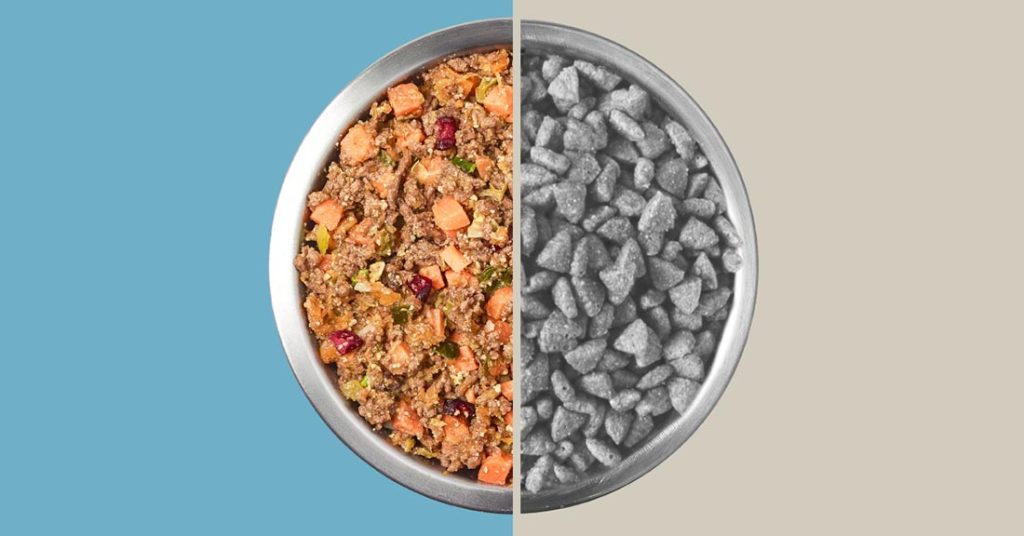
Most low-residue formulas come in the form of dry dog food or kibble, but canned and homemade options can also meet the requirements when formulated correctly. Kibble is convenient and widely available, but it’s essential to verify the fiber and fat content to ensure it aligns with low-residue goals.
For some dogs, canned food may be easier to digest due to its moisture content and softer texture, which can reduce stress on the intestinal lining. The raw diet is occasionally considered by pet parents seeking a natural solution, but it can be risky for dogs, particularly those with weakened digestion.
Raw foods may contain varying amounts of insoluble fiber, and without careful planning, these diets may lack balance or consistency. Cooking the food slightly or working with a vet nutritionist can help make a raw-inspired plan more digestible.
Are There Supplements That Enhance a Low-Residue Diet?
While the food itself forms the cornerstone of a low-residue diet, certain supplements can provide added support for healing and digestive health. Probiotics are especially helpful for dogs that have been on antibiotics or those suffering from chronic gastrointestinal distress, as they replenish healthy gut bacteria. These should ideally be canine-specific strains for optimal absorption.
Prebiotics help probiotics thrive by acting as their food source. When combined, they create a synergistic environment in the gut that can aid in nutrient uptake and reduce inflammation. Digestive enzymes further break down food molecules, allowing nutrients to be absorbed more efficiently and with less intestinal strain.
In addition, omega-3 fatty acids from fish oils or flaxseed can be included to help reduce inflammation, particularly for dogs with IBD or colitis. Specific amino acids, such as glutamine, may also be added to support gut lining repair and bolster the immune system.
How to Transition to a Low-Residue Dog Food
Transitioning to a new diet—especially one as specific as a low-residue food—should be done gradually. Sudden changes in diet can exacerbate digestive issues, so mixing increasing portions of the new food with the old over the course of 7 to 10 days is ideal.
This allows the digestive system to adapt without shocking the gut microbiome. As the new food is introduced, watch for signs of improvement: firmer poop, reduced gas or vomiting, more consistent appetite, and stable energy levels. If symptoms worsen, pause the transition and consult your veterinarian.
Is a Low-Residue Dog Food Right for Your Dog?
A low-residue diet can be life-changing for dogs with digestive issues, sensitive stomachs, or chronic gastrointestinal conditions like colitis and pancreatitis. By minimizing fillers, lowering crude fiber, and incorporating easy-to-digest, high-quality ingredients, these diets allow the digestive system to rest and repair.
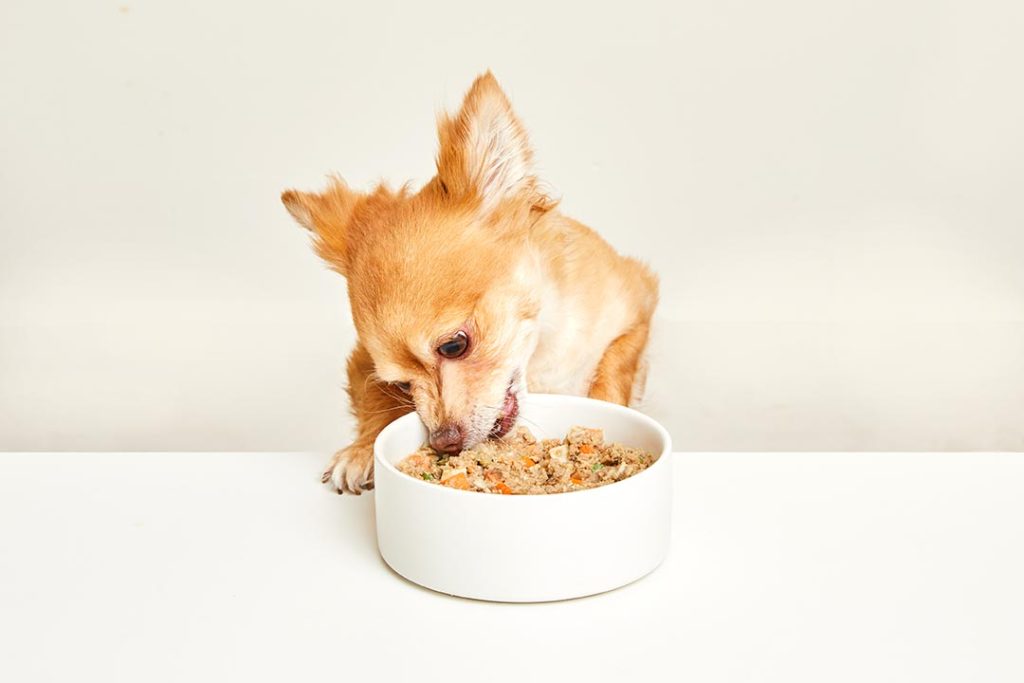
When paired with gut-friendly supplements like probiotics, prebiotics, enzymes, and anti-inflammatory omega-3 fatty acids, your dog is more likely to recover comfortably and thrive. Brands like JustFoodForDogs offer tailored, veterinarian-developed meals that make it easy to provide your pet with gentle, nourishing food that supports their wellness, both inside and out.
Always consult your veterinarian before making changes, especially if your dog is facing serious digestive health challenges. But with the proper diet in place, you’ll likely see happier mealtimes, healthier stools, and better overall energy from your pup.
A Fresh Alternative: JustFoodForDogs
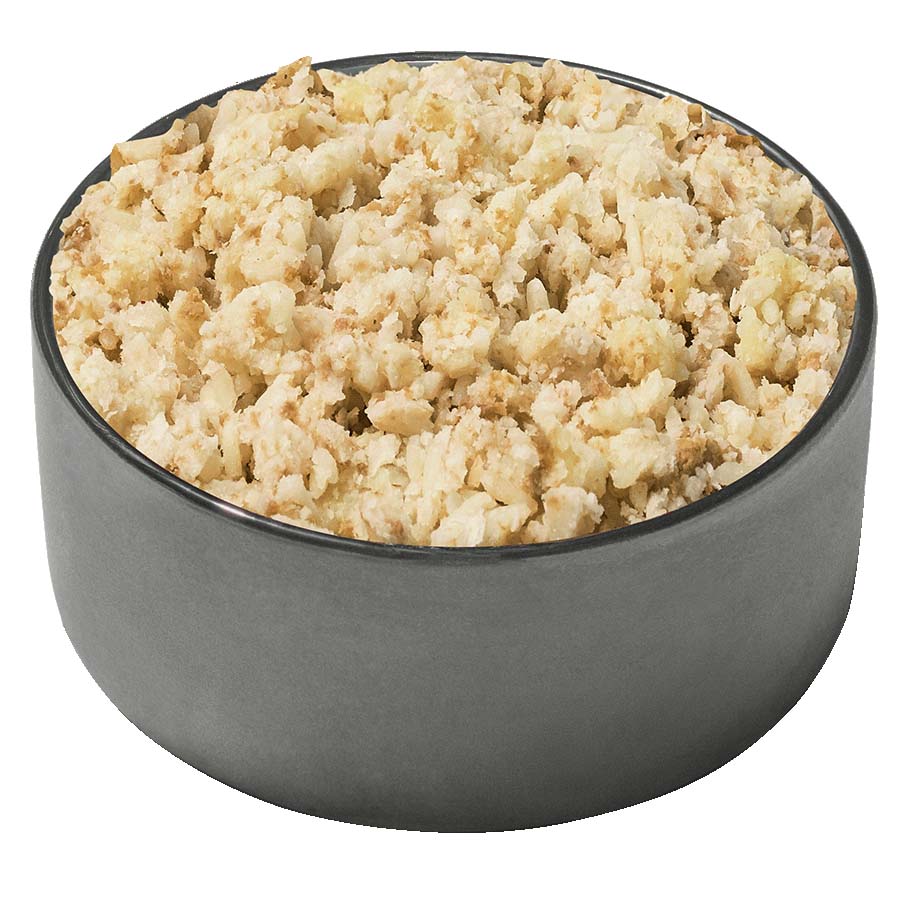
If you’re seeking a customized, fresh approach to low-residue dog food, JustFoodForDogs offers an excellent alternative to commercial kibble or dry dog food. Their recipes are made from high-quality, gently cooked whole ingredients like white rice, veggies, and lean meats—ideal for dogs with sensitive stomachs or recovering from intestinal issues.
FAQs
How quickly can I expect results after switching my dog to a low fiber diet?
It may take 7-10 days to see initial results are your dog’s digestive system adjusts. Depending on the dog and its individual needs, it may take weeks.
Is low fiber dog food suitable for all dog breeds?
Low-fiber dog food is not breed-specific or universally necessary for all dog breeds. If your dog has persistent diarrhea or GI issues, for example, they may benefit from low-fiber dog food if it is recommended by your veterinarian, no matter their breed.
How do I transition my dog from regular food to low fiber food?
Transition your dog to low-fiber food the same way you would transition your dog ot any new food: gradually. Start with 75% old food and 25% new, slowly increasing the new food while decreasing the old.