Hot spots can seem like they appear overnight. One moment, your dog is fine, and the next, they have a painful, raw lesion on their skin that they can’t stop scratching, licking, and biting.
What happened?
Hot spots are a rapidly progressing skin condition that causes intense irritation in dogs. To help your affected pup feel comfortable, you’ll need to act just as fast. In this guide, you’ll find answers to common questions about dog hot spots, including:
- What causes hot spots in dogs?
- What do hot spots look like in dogs?
- Can I learn how to treat dog hot spots at home?
So keep your cool and let’s break the itch-scratch cycle of hot spots.
*Reminder: Dog hot spot home remedies are not a replacement for professional care. Always consult your veterinarian for proper diagnosis and treatment.
What Is a Hot Spot on a Dog?
Hot spots, formally known as acute moist dermatitis or pyotraumatic dermatitis, are a painful, itchy skin condition that follows an underlying irritation. The lesions are localized, meaning they are limited to a certain area of the body, such as the legs, abdomen, face, or neck and collar area. These locations make them easy targets for your dog’s paws, teeth, and tongue, which they use to relieve the constant itching and irritation by licking, biting, and chewing.
What Do Hot Spots Look Like on Dogs?
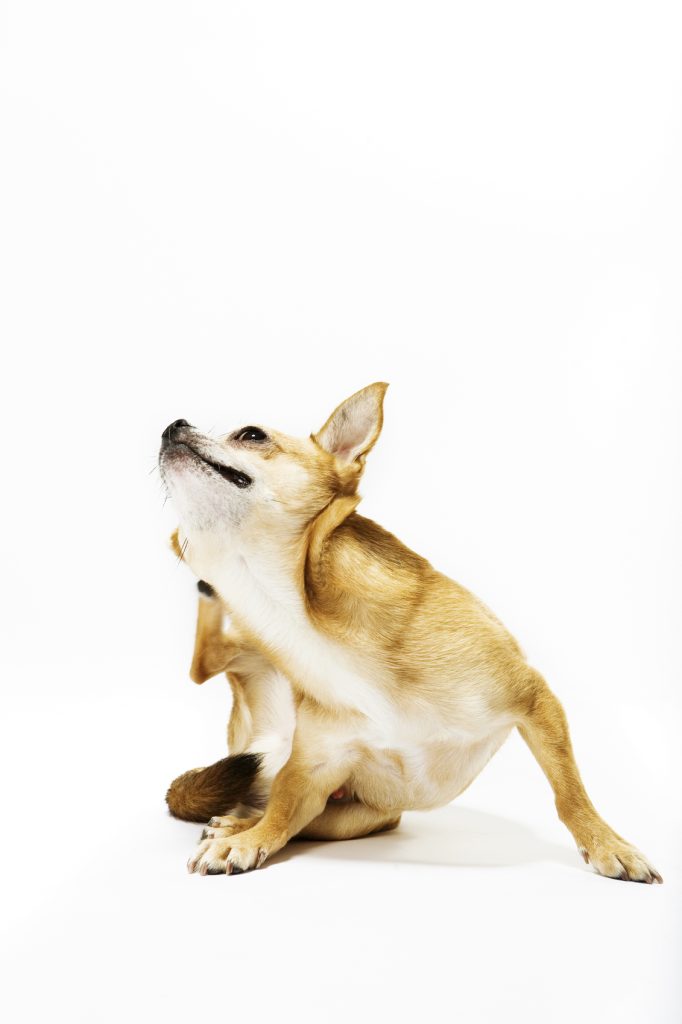
Hot spots are usually easy to identify. In addition to their seemingly sudden appearance, tell-tale signs of dog hot spots include:
- Circular area of irritation (may be large or small)
- Redness and inflammation
- Presence of moisture or drainage (clear fluid or pus if infected)
- Damp hair or matted fur around the lesion
In addition to visible signs, your dog’s behavior is a big clue. Hot spots are itchy and irritating, which causes dogs to lick, chew, or scratch at the affected area.
What Causes Hot Spots on Dogs?
Hot spots are usually secondary to another health condition, making it important to seek veterinary care. Underlying causes may include:
- Flea allergy — Some dogs are sensitive to a protein in flea saliva. When bitten by a single flea, these dogs experience intense allergic irritation and itching, causing them to bite and scratch.
- Insect bites —Localized irritations such as bug bites can create inflammation and itching, causing dogs to lick or chew the affected area until a hot spot forms.
- Trapped moisture — Dogs who are not completely dried after swimming or bathing can be at risk for hot spots. Poorly drying areas such as the ears or the skin under matted fur are especially at risk for hot spot formation.
- Ear and skin infections — Bacterial or fungal skin infections, typically caused by Staphylococcus bacteria or yeast, can be intensely itchy and prompt pets to scratch, chew, and lick.
- Atopic dermatitis — Also known as atopy, this generalized skin condition is associated with intense itchiness.
- Food allergy — Skin conditions are a common sign of food allergies in dogs. Ingredients often associated with allergies include chicken, beef, lamb, soy, and corn.
- Environmental allergies — Allergies to airborne irritants like pollen, mold, and dust can cause intense itching. As itchy dogs lick, scratch, and chew, a hot spot may form.
- Lack of grooming — Matted fur, excessive undercoat, and dirty hair can increase itching and skin irritation as dirt and debris are trapped against the skin.
As dogs try to relieve irritation by licking, chewing, or scratching, the trauma worsens the hot spot, leading to secondary bacterial infections. This is why it’s important to block your pet from reaching the hot spot. Use an Elizabethan collar (e-collar or cone), body suit, or veterinarian-approved wrap.
How To Treat Hot Spots on Dogs at Home
Healing a dog’s hot spot involves topical treatment of the lesion and, sometimes, addressing its underlying cause. But if you can’t get in to see your veterinarian immediately, a few hot spot dog home remedies may help.
Here’s how to treat hot spots on dogs at home, or at least manage them until you can see the vet:
- Cleaning and gently drying the affected area — Use chlorhexidine wipes, or an antiseptic spray formulated for pet skin, to gently cleanse the area and eliminate bacteria and fungi. Gentle soap and water can also work in a pinch. Lightly pat the area dry. Avoid rubbing, which can be painful. If you groom your dog at home, carefully clip away the hair with trimmers—not scissors—to increase airflow. This helps the lesion dry out more quickly.
- Preventing your dog from licking or scratching the hot spot — Stopping self-trauma gives the body a chance to heal. Use an Elizabethan collar to stop your dog from reaching the hot spot. If this is too stressful for your dog, you can try using an old t-shirt. However, this can delay healing by reducing air flow to the hot spot. Monitor your dog and distract them when they try to lick or scratch.
- Monitoring the area for improvement — Monitor dog hot spot healing stages. After keeping the lesion clean, dry, and protected from trauma for several days, you should see a scab form. Don’t remove the scab or allow your dog to reach it, as it protects your dog’s wound as it heals.
- Seek veterinary care for worsening signs — Sometimes early at-home dog hot spot remedies can be enough to break the cycle of irritation, but if the condition worsens (e.g., more redness, oozing, or increasing size), seek urgent care. Medications, such as steroids and antibiotics, are often needed to reduce inflammation and treat a bacterial or fungal infection.
- Reducing potential triggers to help prevent future hot spots — Feeding your pet a limited-ingredient or allergy-friendly diet, wiping their paws or fur after going outside to reduce environmental allergens, and using year-round flea and tick parasite prevention can help prevent hot spots. Check with your veterinarian before making these changes.
How Can Hot Spots in Dogs Be Prevented?
When you see the discomfort and irritation a hot spot can cause, you’ll want to do whatever you can to protect your dog from future flare-ups. Here are some vet-recommended strategies to care for your dog’s skin and reduce their risk of developing hot spots.
- Identify the underlying cause — Whether it’s a simple skin infection or a full-scale food allergy, a veterinarian’s diagnosis and treatment plan eliminate guesswork and give your dog fast relief.
- Keep your dog’s coat clean and well-groomed — Grooming promotes skin health. Regular brushing, bathing, and combing prevent matting, remove debris, distribute natural oils, and increase airflow to the skin. This also helps you identify minor irritations, parasites, and skin conditions for faster treatment.
- Manage moisture after baths, swimming, or rainy weather — Thorough drying reduces the likelihood of hot spots. Use towels, brushing, or a hair dryer on the lowest setting to ensure your dog is dry and tangle-free. To safely dry your dog’s ears, clean them with a vet-recommended ear cleaner that contains a drying agent.
- Address allergies or skin sensitivities early — these conditions don’t improve over time, and you’ll likely need veterinary testing or guidance to identify your dog’s triggers. Follow your vet’s recommendations closely for the best results. One dog experienced allergy relief after switching their food—our Venison and Squash or Fish and Sweet Potato recipes are specially formulated to fight allergy-related itch—or adding a specially designed supplement, like JustFoodForDogs Skin & Allergy Aid.
Give Your Dog Skin-Supporting Meals With JustFoodForDogs
Between their redness, itching, irritation, and dramatic appearance, hot spots demand quick relief. And while at-home dog hot spot remedies can soothe the skin and make lesions less painful, support real long-term results and overall skin health with a balanced, fresh diet.
Your dog’s skin is a protective barrier, nourished from the inside out. High-quality meals deliver powerful nutrients like omega-3 and omega-6 fatty acids from fish oil and flaxseed; animal-based protein like venison, fish, and eggs; immune-boosting antioxidants from blueberries, sweet potatoes, and squash; and prebiotic fiber from sweet potato and pumpkin to support gut health, which has a powerful influence on skin health. By supporting your dog’s skin health with JustFoodForDogs, you effortlessly feed not only their appetite, but their overall wellness and comfort.
Explore our entire line of allergy-friendly favorites, custom dog food, and skin health vitamins and supplements—and discover why we’re the #1 fresh brand recommended by vets and loved by dogs.