It’s said that once you have a dog, you’ll never visit the bathroom alone. If your dog is especially clingy, this may include every area of the home, yard, and even your neighborhood!
If it feels like there’s no escaping your dog’s watchful eyes, you’ve probably wondered, “Why does my dog follow me everywhere?” The answer can be as simple as natural pack instinct or as complex as an underlying health problem.
In this practical guide, we’ll examine the reasons why dogs shadow their humans. You’ll learn what it means when your dog follows you everywhere, when to seek veterinary care, and how to help your four-legged shadow build confidence and independence
What does it mean when your dog follows you everywhere? 7 Common reasons.

Understanding the most common reasons dogs and puppies follow their owners can help you recognize when the behavior is problematic and respond appropriately.
Here are seven common answers to the question “Why does my dog follow me everywhere?”
- Bonding and affection: Dogs are social animals who prefer the company of their family. Your dog may follow you simply because they want to be close to you, be included in your activities, and feel secure and comforted in your presence. When your dog loves following you, it can indicate deep trust and a strong bond.
- Curiosity and learning: Dogs don’t want to miss an opportunity for fun, affection, or food. When your dog accompanies you from room to room, they may just want to know what’s happening next!
- Learned behavior from positive reinforcement: If your dog has been previously rewarded for following you, they’re more likely to do it again (and again, and again). Examples of rewards include attention and affection, food or treats, play, toys, or experiences such as a walk or romp in the yard.
- Boredom or excess energy: If your dog’s physical and mental needs aren’t met, they may follow you to find an outlet for their energy.
- Low confidence: Anxious or stressed dogs may follow their owners because they don’t feel safe alone. These dogs may also show other signs such as pacing, whining, or low body posture.
- Guardian tendencies: Some breeds and breed mixes are naturally protective of their family and like to stay close, often keeping their loved ones within sight.
- Health-related changes: Dogs don’t understand changes such as pain, weakness, and age-related vision or hearing loss. They may often seek comfort and safety by following their trusted human.
When should you be concerned?
Pay attention to your dog’s demeanor and notify your veterinarian if their behavior includes any of these red flag warning signs.
Your dog is anxious when you’re out of sight
Dogs with separation anxiety experience immediate distress when they are separated from their owner—even temporarily. They may bark, whine, pant, or try to escape to reunite with their person. When the owner returns, the frantic behavior subsides.
Your dog is pacing, whining, having accidents, or showing destructive behavior
These anxious behaviors could be a sign of a hidden health issue. This may include pain from an illness or injury, stress from separation anxiety, or confusion or cognitive dysfunction (doggie dementia) in older dogs.
Your dog shows new or suddenly more intense clinginess
Unexplained behavior and personality changes are always a cause for concern. If your once independent dog is causing you to ask, “Why is my dog following me everywhere suddenly?” or your “Velcro dog” is exceptionally clingy or agitated, see your veterinarian for a complete workup.
Your dog’s behavior interferes with their normal routine
Chronic stress and anxiety negatively affect your dog’s health, especially in older dogs. Seek veterinary care if your dog’s following behavior is disrupting their sleep patterns, appetite, and willingness to play or exercise.
How to stop your dog from following you everywhere
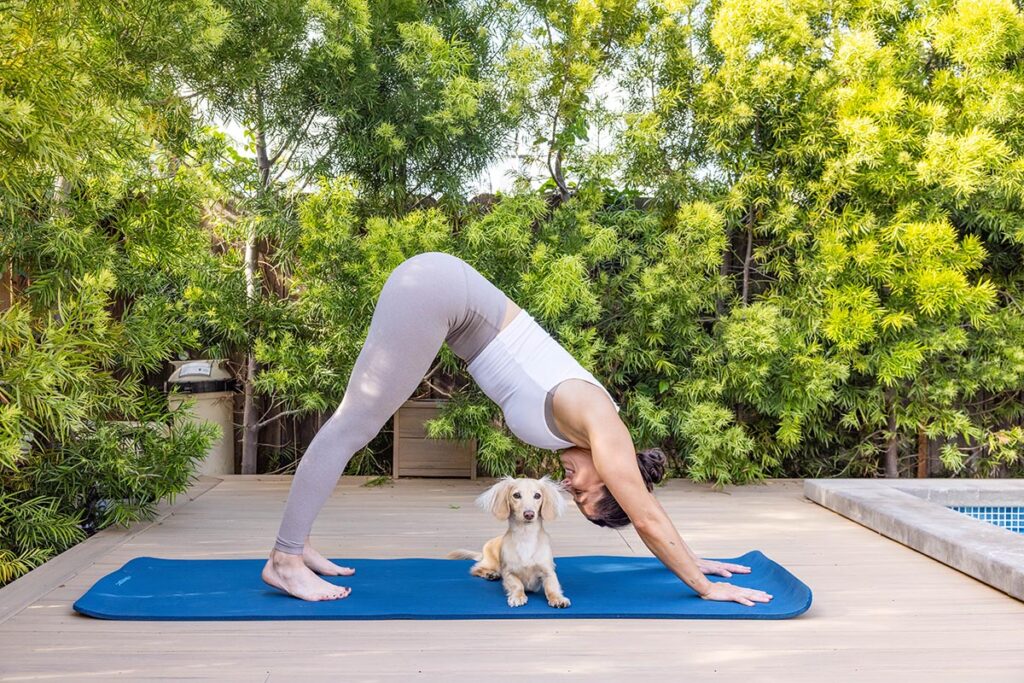
If your veterinarian has given your dog a clean bill of health, but your dog’s behavior is disruptive to your household, there are a few things you can do.
- Stop accidentally rewarding your dog’s behavior: Try ignoring your dog when they follow you. Remember, rewards can include attention, petting, praise, or anything you give to “make them happy/go away,” such as a treat, the chance to play with a toy, or a walk.
- Meet your dog’s needs proactively: Providing a predictable daily routine, including consistent meals, playtime with brain-engaging toys, and exercise, can help your dog feel more settled.
- Add daily physical and mental enrichment: Dogs need to stretch their minds and bodies to prevent boredom, maintain health and fitness, and enjoy more restful sleep.
- Teach “place” or “settle”: Training your dog to rest can increase the value of being still and calm, making it more likely to happen throughout the day. Create a settle station that includes a comfy resting place and a special chew, treat, or puzzle toy.
- Improve stress management with calming chews: JustFoodForDogs Calming Chews are a daily botanical and micronutrient supplement. It’s made with clean ingredients to support a healthy stress response, better rest, and a more balanced dog.
- Reinforce independence in tiny steps: Behavior change doesn’t happen overnight. As you implement these strategies, look for small improvements in your dog’s behavior and make sure to reward them. Confidence and independence grow through experience!
- Share caregiving when possible: Hyper-attachment can place a significant burden on the dog’s preferred person and can strain the dog-owner relationship. Whenever possible, caregiving duties should be divided among family members. If family isn’t available to watch the dog, hire a dog sitter or enroll your pup in doggy daycare. As long as short separations don’t cause your dog distress, they can be helpful for both ends of the leash!
Better balance starts with nutrition
Dogs are pack animals who follow their people for many reasons, including social bonds, protection, curiosity, or health-related anxiety. If your dog’s shadow-like behavior seems excessive or new, or is accompanied by other signs, pay attention to the bigger picture.
Canine behavior doesn’t exist in isolation. Nutritional deficiencies or imbalances may influence mood, stress response, and resilience. JustFoodForDogs is made with your dog’s overall well-being in mind. They use clean, wholesome ingredients to help support cognitive function and emotional regulation.
By prioritizing nutritional wellness, you’re not just feeding your dog—you’re supporting balanced behavior from the inside out. Explore targeted nutrition and custom diets for your dog’s unique needs.