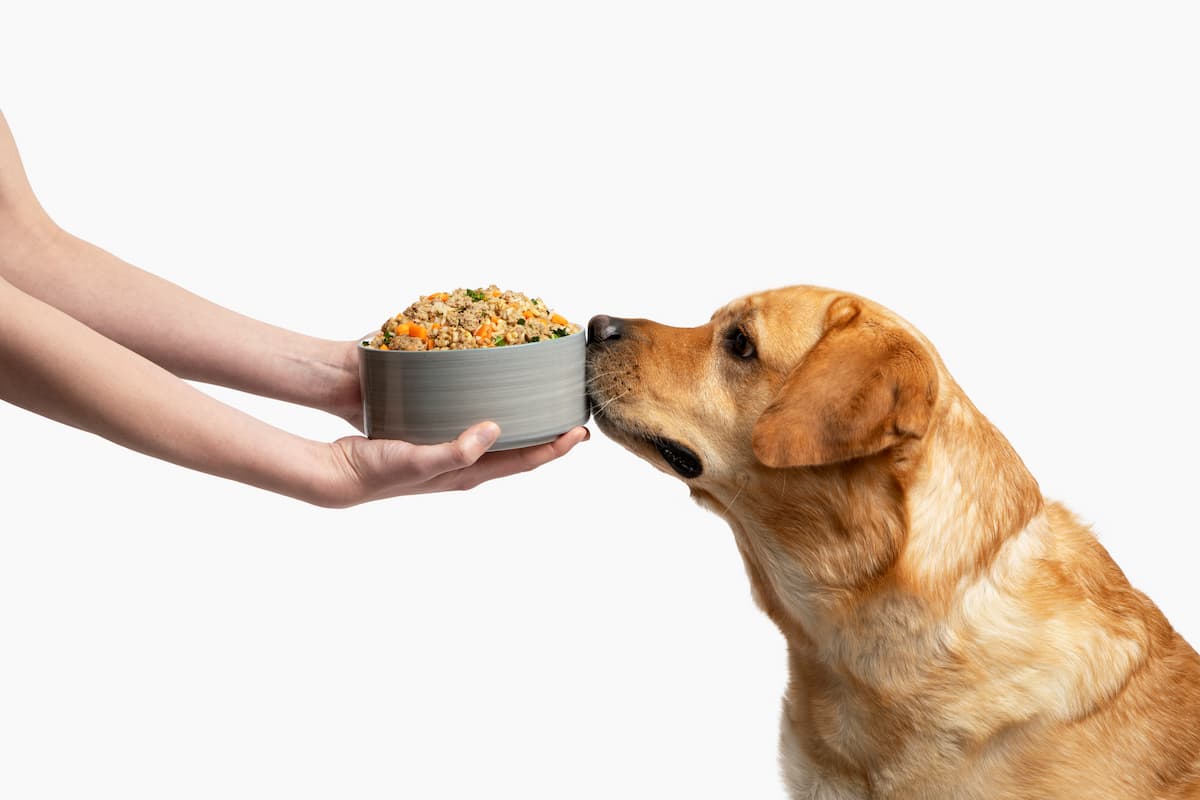
Dogs have a way of greeting you with a flurry of rapid-fire, slobbery licks. Or, you might notice your dog licks specific parts of your body at seemingly random times. But have you ever wondered: Why do dogs lick you?
Whether they target your face, hands, or feet, licking is a nearly universal dog behavior. Some dogs lick to show affection, while others develop a licking habit, use it to relieve stress or anxiety, or simply like to taste-test their surroundings.
Excessive licking might be normal for your dog, but it may also signal a problem with their physical or behavioral health. Even when normal dogs lick too much, it can be bothersome to the humans around them.
So, when should you try to stop your dog’s licking? How do you know if licking is normal or if your dog needs help? Here’s what motivates this behavior in dogs, when to be concerned, and what to do if licking becomes a problem in your home.
Why Do Dogs Lick People?
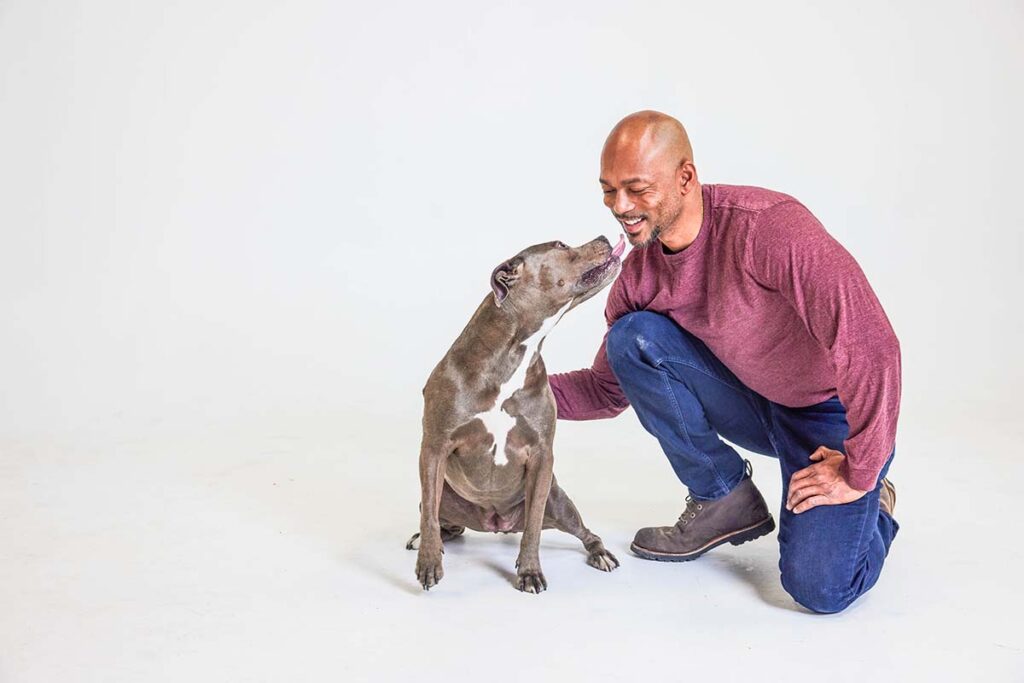
Licking is a natural canine behavior. While every dog’s motivations are different and can change based on the situation, here are the most common reasons dogs lick people.
Affection and bonding
Licking is one way some dogs show affection. If you equate your dog’s licks to kisses, especially during greetings or quiet snuggles, you may be right. Mother dogs lick their puppies, and littermates lick each other—adult dogs may continue this licking instinct in their relationships with humans.
Seeking attention
Dogs are keen observers, and they may notice that licking gets them attention. You may accidentally reinforce this behavior by giving them what they want: a laugh, a look, or a pet. Clever dogs can take this to the extreme and learn to lick to get what they want, such as food, a walk, a toy, or an engaging activity.
Taste and sensory exploration
Dogs experience the world with their noses and mouths. Licking you helps your pet gather information through scent and taste, including your mood, what you ate for lunch, and everywhere you went during the day. Dogs also simply like the taste of a human’s salty skin.
Learned behavior
Sometimes learned behavior, such as your dog associating licking with attention or comfort, can generalize to other situations. Your dog may have started licking for one reason, but may now lick all the time, regardless of the reason. It can also become a default behavior if your dog doesn’t know what else to do.
Stress relief or soothing
Licking releases endorphins in a dog’s brain, the same feel-good chemicals humans get from a “runner’s high.” Licking can help puppies and adult dogs calm down and reduce anxiety. Some dogs groom themselves or lick people or objects around them to self-soothe when they feel stressed, or they may enjoy a peanut butter-filled lick mat for the same reason.
Why Do Dogs Lick Different Parts of Your Body?
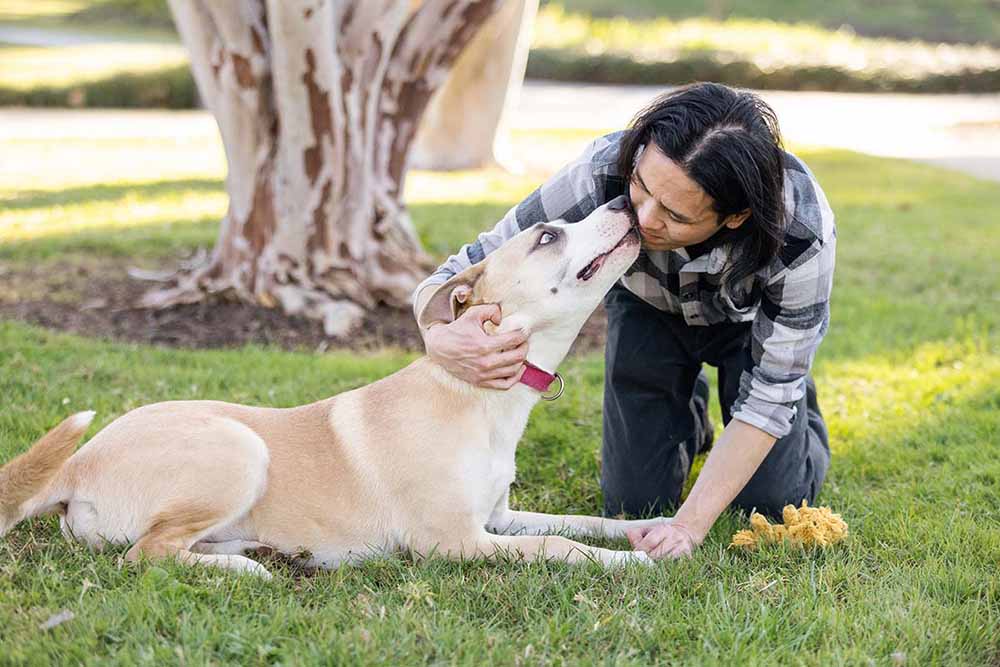
Here’s what your pup might be trying to say when they target a body part for a slobber session.
Hands
Why do dogs lick your hands? Your hands tell your dog a lot about you. They smell like the food you eat, the things you touch, and the emotions you’re experiencing. Hands are also easy for your dog to reach, especially when you pet them.
Face
When you get a big, slobbery kiss, you might wonder, “Why does my dog lick my face?” It’s a common and valid question for dog owners. Dogs may lick faces when they’re feeling affectionate, playful, or bonded to their human. Puppies lick their mother’s face to ask for food or attention, and it can also be a sign of submissive or appeasement behavior in adults. Plus, your mouth may smell like food.
Feet
Feet smell interesting, owing to their concentration of sweat glands. If your dog zeroes in on your toes or ankles, they may be seeking that salty, smelly gym sock odor. And, your feet carry the smells of the day, so your dog may think they deserve a thorough inspection.
Legs
Dogs may lick your legs after a workout or, more commonly, after a shower. Your legs are right at eye level, and they might taste like shower products, salt, or lotions that your dog finds interesting. It’s also possible your pup is simply trying to get your attention as you pass by or when you’re sitting down.
Arms
Dogs lick arms for similar reasons to legs. It might be mostly about proximity or convenience because your arms are available for licking when your dog wants attention, wants to sneak a taste, or needs to soothe themselves.
When Is Licking a Problem?
Sometimes, licking can cross the line from sweet to excessive, and not everyone wants to deal with a dog’s tongue on them when they walk in the door. If you’re asking yourself, “Why is my dog licking me so much all of a sudden?” you may have a problem.
Many dog parents wonder what signs indicate licking has become a problem and how to stop a dog from licking. Here are a few signs that licking could be something you want to address:
- Obsessive or compulsive licking — If your dog seems unable to stop licking you, themselves, or objects around the house, especially when there isn’t a good reason, it may be a compulsive behavior.
- Disruption of daily routines — Licking that interferes with your dog’s ability to rest, eat, play, or do other normal activities is a problem for the whole household.
- Signs of stress, anxiety, or discomfort — Licking can be a coping mechanism for anxious dogs or dogs in pain from a medical condition. Other signs of anxiety or pain include pacing, panting, hiding, or whining.
- Skin issues or allergies — Dogs who excessively lick their paws and other areas of their skin could suffer from allergic itch or a variety of other skin problems.
If your dog licks more than necessary for typical grooming or affectionate behavior, they could be suffering from anxiety, stress, or pain that may get worse without treatment. Consult your veterinarian first, then consider consulting a veterinary behaviorist or trainer if the problem is primarily behavioral.
Keep Your Dog at Their Best With Healthy JustFoodForDogs Treats and Calming Support
Not all dog licking means the same thing. Dogs may lick you to show affection, to investigate tastes and smells, or to soothe emotional discomfort. They might also lick you or themselves because of anxiety, boredom, pain, or itchy skin.
You can support your dog’s behavioral and emotional health by spending quality time together and providing a predictable daily routine. Consult with a vet or trainer to address anxiety, compulsive behaviors, or pain.
A fresh, nutritious diet and treat options can support your dog’s overall wellness. We create vet-formulated meals, functional treats, and targeted supplements to support each dog’s individual needs. Whether your pup is licking out of love or something more, we can help you nourish them from the inside out.