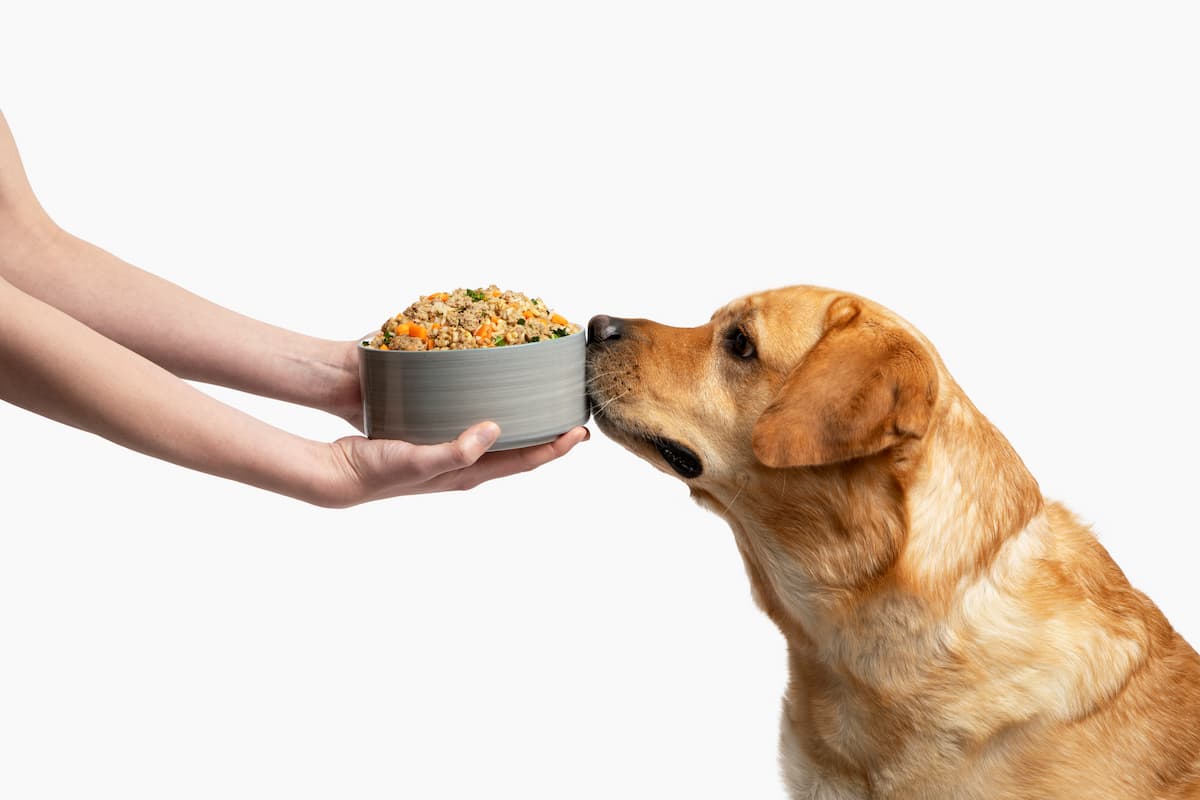
If you’ve been wondering, “Why is my dog so thirsty all of a sudden?” you may feel concerned about your pet’s health or well-being. It’s normal for dogs to drink more water after a long walk on a warm day, but persistent excessive thirst may indicate an underlying health issue.
Our guide to water intake in dogs can help you distinguish between everyday thirst and a health condition that may require veterinary care. Here’s an explanation of how much water dogs typically need, what signs or symptoms suggest excessive thirst in dogs, what causes dogs to drink more water, and when to call your vet.
How much water should your dog drink?
A rough guideline for water intake in dogs is an ounce of water per pound of body weight each day. That means a 20-pound dog should drink about 20 ounces of water per day, or roughly 2.5 cups. However, your dog’s size, activity level, diet, environment, genetics, and health all affect how much water they need.
Dogs may drink more water when it’s hot outside, after exercise, or when they eat dry food (aka kibble), which contains less moisture than fresh or wet food. Nursing mothers also need more water to stay hydrated, and some dogs just like drinking water more than others.
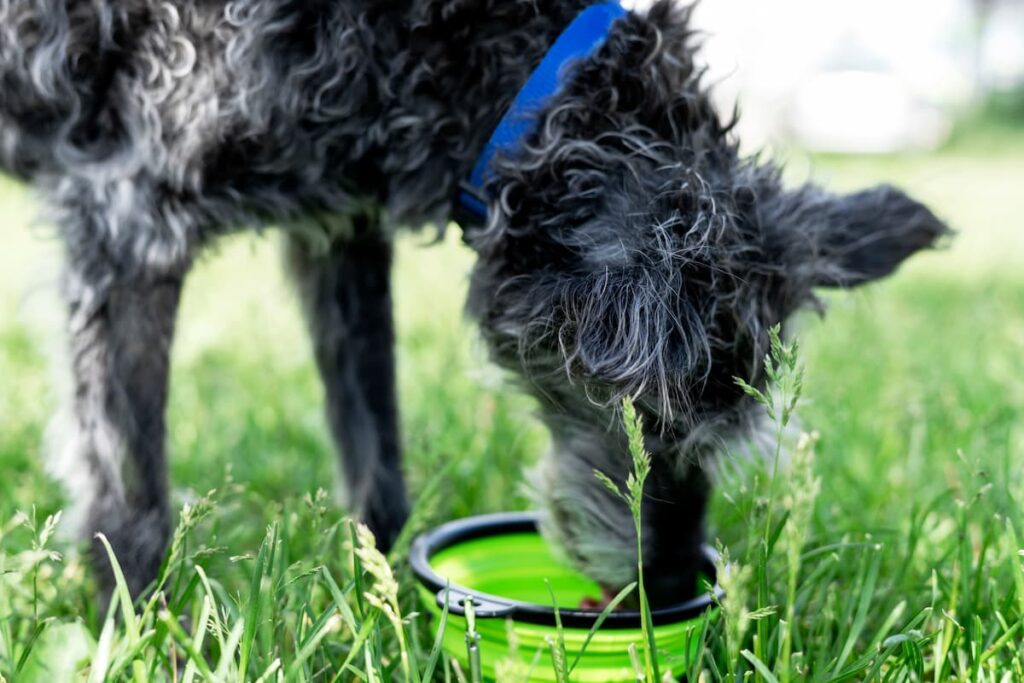
Signs your dog is drinking too much water
Veterinarians use the term polydipsia to describe excessive thirst, which is often paired with polyuria, or increased urination. This combination usually means something has changed with your dog’s health.
Here are a few signs that may indicate your dog is drinking more water than usual:
- You have to refill the water bowl more frequently
- Your dog urinates more frequently, asks to go outside more, or has accidents in the house
- Your dog seems restless or tired
- Your dog’s urine is clear or odorless
- Your dog eats more or less than usual
- Your dog has episodes of vomiting or diarrhea
- Your dog loses weight or seems dehydrated
- You frequently ask, “Why is my dog so thirsty all the time?”
Reminder: This article is intended for informational purposes only and does not replace professional veterinary advice. If your dog’s water consumption has changed dramatically, contact your veterinarian for guidance.
Reasons for increased thirst in dogs
Understanding the cause of your dog’s increased thirst can help you decide if your pet needs veterinary intervention. Here’s a summary of common causes of polydipsia in dogs.
Harmless reasons for increased thirst
Sometimes an increase in water intake is not a cause for concern. These common lifestyle factors can cause short-term increases in water consumption.
Heat or warm weather
Dogs may drink more water to cool down when it’s hot outside. The extra water helps them regulate their body temperature and avoid dehydration.
Exercise and increased activity
Dogs lose water when they pant to cool down, and they also sweat from their paw pads. Active dogs may need to drink more water than couch-potato pups to replace these losses and prevent dehydration during exercise.
Diet changes
Dogs who eat high-sodium foods or dry-food diets may have a higher water intake than dogs fed canned or fresh food. Switching to a gently cooked diet with higher moisture content may reduce excessive drinking.
Anxiety or stress
Psychogenic polydipsia, or a dog drinking excessive water without an underlying medical reason, is sometimes triggered by boredom, stress, or anxiety.
Lactation
A nursing pet needs water to produce milk, so she may increase her water intake to stay hydrated and keep the puppies and herself healthy.
Medical reasons for increased thirst
When excess water consumption has a medical cause, you may also notice your dog vomiting, losing weight, gaining weight, or experiencing skin issues. Here are the most common health conditions linked to excessive thirst in dogs.
Diabetes mellitus
Dogs with diabetes mellitus lack insulin to metabolize dietary carbohydrates, leading to elevated blood and urine glucose levels. As sugar passes into the urine, excess water follows, causing dehydration, more dilute urine, and increased thirst.
Kidney disease
Common in older dogs, kidney disease affects the body’s ability to concentrate urine. Affected pets lose water during urination, so they must increase water intake to prevent or lessen chronic dehydration.
Cushing’s or Addison’s disease
The stress hormone cortisol helps to regulate thirst and urination in dogs. Cushing’s disease (hyperadrenocorticism), which causes excess cortisol production, or Addison’s disease (hypoadrenocorticism), which causes inadequate cortisol production, can lead to increased thirst and urination, and changes in appetite or weight.
Urinary tract infections
Bladder infections may cause discomfort, frequent urination, and an urge to drink excessively. Many dogs with urinary tract infections (UTIs) also have accidents in the house or urinate small amounts more frequently, and if the kidneys are affected, they may vomit or stop eating.
Pyometra
This condition is a uterine infection in an unspayed female dog, typically occurring shortly after a heat cycle. Pyometra can cause fever, vomiting, lethargy, and excessive thirst and requires emergency veterinary care.
Certain cancers
Some cancers can cause excessive drinking or urination if a tumor affects the kidneys or urinary system. Cancers in other parts of the body can also alter thirst or urination habits if they cause an increase in blood calcium, which affects hormone levels and fluid balance.
Only your veterinarian can assess your pet’s health. Schedule a visit with your vet if you have concerns.
How to support your dog’s health
If you can’t stop thinking, “My dog is drinking a lot of water,” you can take a few simple steps to understand what’s going on and help your dog feel their best, including:
- Noting environmental changes — Warm weather, exercise, excitement, salty snacks, and other dietary changes are harmless reasons for a temporary increase in thirst.
- Monitoring symptoms — If your pet appears fine aside from excessive thirst and has no other symptoms, it’s OK to watch them closely for a day or two to see if the symptoms resolve.
- Avoiding water restriction — Limiting access to water when your dog has an increased drive to drink won’t help. In fact, water restriction can lead to dehydration and worsen underlying problems. Always keep your dog’s water bowl full.
- Tracking urination — Note how often your dog goes outside, whether they have accidents, and any other changes that can help your veterinarian determine whether your dog’s drinking is normal or a sign of a medical issue.
- Scheduling a vet visit — Book an exam if your dog’s excessive drinking doesn’t resolve or if they develop vomiting, appetite loss, weight loss, or behavior changes.
- Revisiting their diet — Kibble can increase thirst because it has little moisture, whereas a whole-food, fresh diet has higher moisture levels that help support hydration naturally.
Support your dog’s hydration and overall well-being
The causes of excessive thirst and increased urination in dogs can range from dietary or routine changes to serious underlying medical conditions. Your dog’s diet affects hydration status, thirst levels, and overall well-being. Balanced and moisture-rich nutrition supports healthy kidney and organ function.
If your dog seems thirsty, avoid restricting their water intake because it won’t solve the problem. Instead, ensure your dog has access to a clean water bowl with fresh water at all times, track how much they drink and urinate each day, and contact your veterinarian for guidance.
JustFoodForDogs offers a complete line of supplements and custom, fresh, frozen, and prescription diets to accommodate pets who need more moisture in their diet or to address complex medical needs like kidney failure or diabetes.
Contact us to learn more about our vet-formulated foods and to find the right one for your dog’s unique needs.