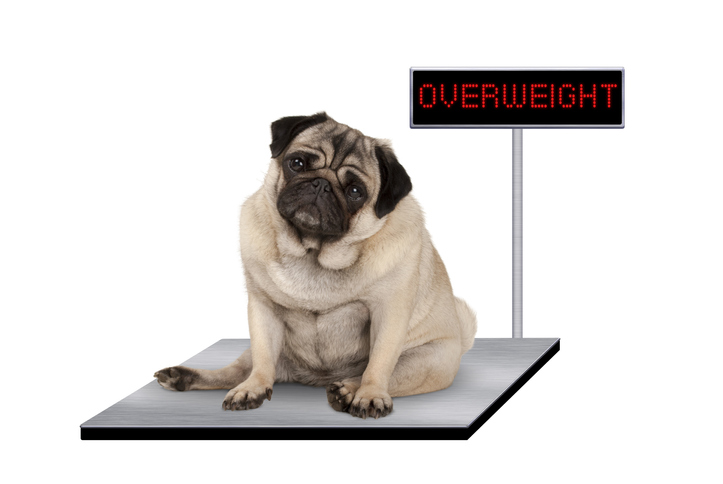
If your dog is overweight, you’re not alone—but you do need to take action. An estimated 50 million dogs in the United States are overweight or obese, according to the Association for Pet Obesity Prevention (APOP). And the biggest roadblock? APOP found that 95% of owners of overweight dogs incorrectly identified their pet as having a normal weight.
Carrying extra pounds is a serious health concern that can dramatically impact your dog’s quality of life and longevity.
Obesity increases your dog’s risk of developing:
- Diabetes
- Arthritis and joint problems
- Heart disease
- Respiratory issues
- Reduced mobility and chronic pain
“Dogs that are overweight can be predisposed to many different health problems,” explains Dr. Jessica Wilson, DVM. “Carrying extra weight is going to severely impact your dog’s mobility. And that can lead to pain and discomfort and more wear and tear on the joints over time.” These conditions don’t just shorten your dog’s life—they reduce their day-to-day comfort, limiting their ability to run, play, and enjoy the activities they love.
If you suspect your dog might be overweight—or if your vet has confirmed it at a recent checkup—this guide is for you. We’ll walk you through the vet-aligned, practical steps you need to help your dog shed those extra pounds safely and effectively. You’ll learn how to assess your dog’s current weight, create a realistic weight loss plan, adjust their diet and exercise routine, and track progress over time.
With the right approach, helping your dog reach a healthy weight is entirely achievable. Thanks to advances in veterinary science and nutrition, you have more tools and knowledge at your disposal than ever before. Let’s get started.
How to Help Your Dog Lose Weight
No one likes to hear that they need to drop excess weight, humans and dogs alike. But your dog has an advantage many humans don’t: a built-in weight-loss coach…you!
That’s great news for dogs. (Who wouldn’t want live-in meal prep, training support, and accountability?) But it may feel a little overwhelming to pet parents dealing with a hangry hound who’s completely over their low-calorie doggie diet.
“The hardest part in managing weight loss for pets, for dogs specifically, is that they are typically very food motivated,” says Wilson.
Here are some tried-and-true tips and expert insights to help you get the numbers on the scale moving in the right direction:
1. Start with a vet-approved goal weight
Work with your veterinarian to determine what the optimal healthy weight and body condition score your dog should have.
2. Count calories, not just “cups”
Watch your dog’s caloric intake. Reducing the number of calories in your dog’s diet is one of the most effective ways to help your pet lose weight. But there’s more to this numbers game than meets the eye.
According to Dr. Wilson, if you use the weight-based feeding guidelines printed on the kibble bag to portion out the pet food, you could still be overfeeding your dog.
“You need to calculate how many calories your dog needs to consume based on their ideal body weight, not their current weight,” Dr. Wilson says. “If you feed them for that current weight, they’re just going to stay at that weight.”
Calculating your dog’s caloric and nutritional needs is based on highly individualized factors. Factors include overall health, metabolism, and whether your dog is spayed or neutered.
3. Measure every meal for consistent portions
Carefully measuring your dog’s food is an important part of your dog’s weight loss journey. But you’ll have a greater chance of weight loss success if you think outside the measuring cup.
Consider trading your measuring scoop for a scale. According to research published in Veterinary Record, even pet parents who measure out dog food often over-measure portions. In some cases, they feed their dogs up to 152% more than the recommended serving size.
“If you’re a pet parent who isn’t measuring out the appropriate quantities of the kibble, you may be feeding extra and that’s an easy way to encourage weight gain,” says Dr. Wilson.
A scale will give you a more reliable and consistent serving size.
4. Choose a diet that supports safe weight loss
You don’t have to be a lifelong dieter to know that 500 calories worth of green beans and 500 calories worth of potato chips affect your body in very different ways. When you’re helping your dog shed some weight, what your dog eats matters as much as how much of it.
“Kibble diets tend to be a bit more calorically dense,” says Dr. Wilson. “If you’re trying to do a weight loss plan by only feeding kibble, you may have to restrict the volume of kibble and then your dog is just hungry all the time.”
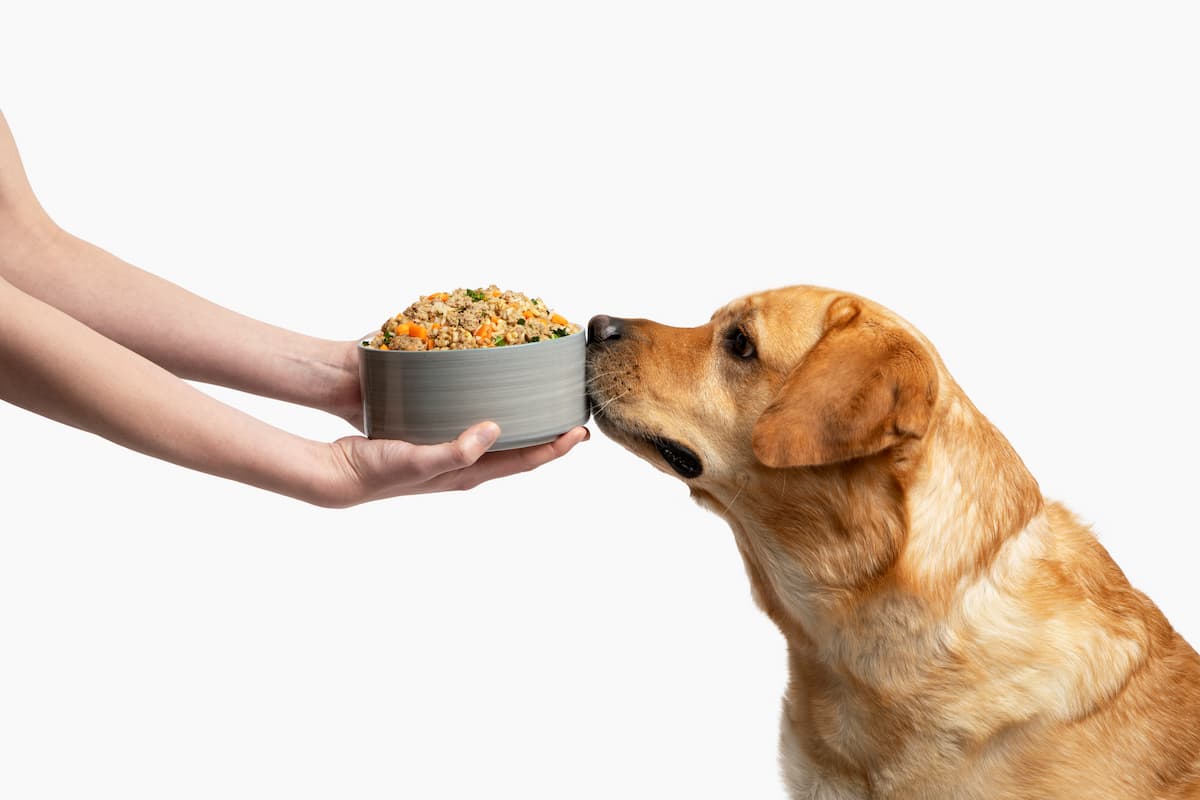
Switching to fresh, whole food options with human-grade veggies and protein. This allows you to feed your dog a larger volume of food that is lower in calories and fat. This helps them feel satiated. The extra moisture in fresh whole foods also helps your dog feel full, making it easier to lose weight.
5. Stick to a predictable feeding schedule
Dogs are creatures of habit. Sticking to a regular feeding schedule, under your vet’s guidance, sets consistent hunger and digestive responses.
6. Cut back on treats and table scraps
The extra calories in those well-intentioned rewards could be doing your pet more harm than good. As a general rule, treats should make up no more than 10% of your dog’s daily calorie intake.
7. Swap food rewards for play and attention
Look for ways to replace food rewards with something else your dog really enjoys. For example, extra pets or attention from you, a game of fetch, or a new toy.
8. Add more movement throughout the day
Feeding the right diet with fewer calories is the primary way to help your dog lose weight, but exercise matters, too. Make up for any food restrictions by adding more exercise: walks, trips to the dog park, games of fetch, and other physical activities into your dog’s daily routine to help your overweight dog drop pounds.
If your dog is slowing down due to age or mobility issues, even tiny changes can help with the weight loss plan. Consider moving their feeding station during mealtimes to another part of the house. This will motivate them to move more.
9. Track progress with weigh-ins and small adjustments
Keep your dog’s weight loss on track with a weekly weigh-in and body condition assessment. Make adjustments with your vet as needed.
Help your dog achieve a healthy weight with targeted nutrition
Helping your dog lose weight safely comes down to three fundamentals: managing calories, controlling portions, and maintaining consistent activity with guidance from a veterinarian.
Your vet can help you determine your dog’s ideal weight, calculate appropriate daily caloric intake, rule out underlying health conditions that may affect weight loss, and monitor progress to ensure your approach is working safely. Trying to go it alone may lead to nutritional imbalances, unsafe weight loss rates, or frustration when results don’t materialize.
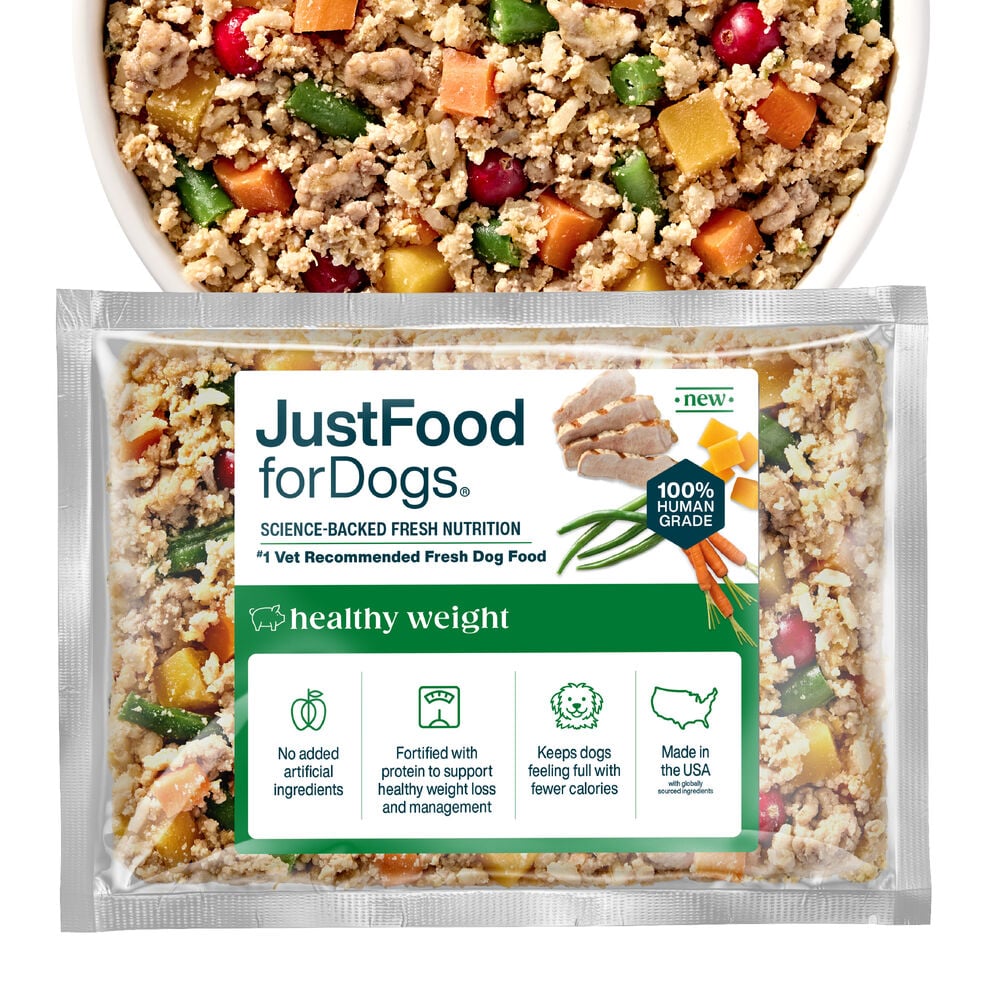
If you’re looking for the best weight control dog food, JustFoodForDogs offers targeted solutions specifically designed for weight management. Their Healthy Weight dog food is formulated to help dogs reach and maintain a healthy weight.
Jodi Helmer writes about companion animals and livestock for NPR, Out Here, National Forests, WebMD, Hobby Farms, and Backyard Poultry. She shares her North Carolina home with a pack of elderly rescue dogs that like to bark at the donkey, goats, and chickens.