
Understanding essential nutrients isn’t just a scientific exercise: it’s one of the most practical ways pet owners can feel truly confident about what goes into their dog’s bowl. With so many nutritional diets, claims, and trends competing for your attention, it can be hard to know what actually matters. Beneath all the noise, dogs rely on the same core building blocks to fuel their bodies, support growth, maintain strong immune systems, and keep their organs functioning the way they should.
This article is designed as a clear, no-nonsense guide to those building blocks. We’ll walk through the key nutrients every dog needs: why they matter, and how they work together to support lifelong health. Whether you’re navigating pet food labels, considering a diet change, or just trying to make better-informed decisions, this breakdown will help you understand the essentials behind a truly nourishing feeding plan.
Nutrients your dog needs are comprised of six basic categories:
- Protein
- Fats
- Carbohydrates
- Vitamins
- Minerals
- Water
Let’s dive into each nutritional requirement of dog food.
Protein
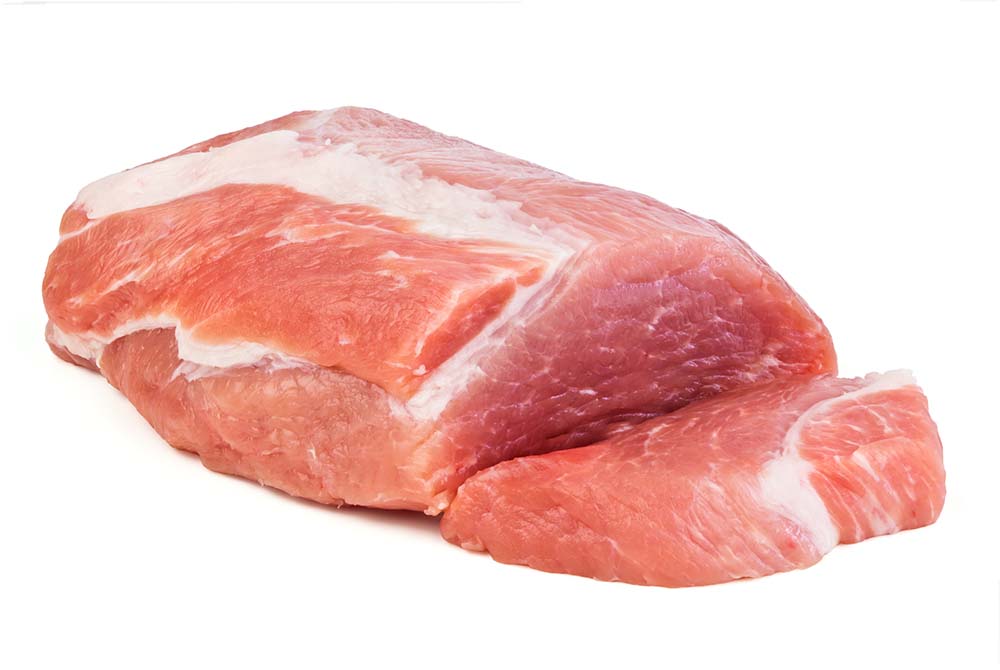
Protein is the foundation of a healthy dog diet. It delivers the essential amino acids that fuel muscle development, support tissue repair, help maintain a healthy immune response, and contribute to overall vitality.
Complete proteins, which provide the full set of essential amino acids, are especially important because dogs can only produce some of them on their own; the rest must come directly from food.
Here are some common high-quality protein sources found in balanced dog foods:
- Beef: A nutrient-dense, highly digestible protein that supports muscle maintenance and provides important minerals like iron and zinc.
- Turkey: Lean and rich in essential amino acids, making it ideal for dogs that need strong, steady energy.
- Chicken: A complete, easily absorbed protein source that helps build and repair tissues.
- Fish (such as cod or salmon): Provides complete protein along with natural omega-3 fatty acids for skin, coat, and cognitive health.
- Lamb: A robust, complete protein that’s often well tolerated by dogs with sensitive stomachs or food sensitivities.
Fats

Healthy fats are one of the primary energy sources for dogs, fueling their daily activity while supporting skin and coat health, organ function, and the absorption of fat-soluble vitamins. But it’s important to distinguish beneficial fats from excessive fat intake. While the right fats play a critical role in overall well-being, too much dietary fat in a dog’s diet can contribute to unwanted weight gain and related health issues.
Here are some of the most common healthy fats found in balanced dog diets:
- Fish Oil: Rich in omega-3 fatty acids (EPA and DHA) that support skin, coat, joint, and cognitive health.
- Chicken Fat: A highly digestible fat source that provides energy and enhances flavor while supplying important omega-6 fatty acids.
- Flaxseed Oil: A plant-based source of omega-3s that helps maintain skin hydration and supports a healthy coat.
- Salmon Oil: Another potent omega-3 source known for its anti-inflammatory properties and support for skin and immune health.
When included in the right amounts, these fats deliver essential nutrients and steady energy.
Carbohydrates

While dogs don’t require large amounts of carbohydrates, the right types can provide valuable energy and support healthy digestion, especially when they come from nutrient-rich whole foods.
Carbohydrates break down into glucose, which fuels active cells, but not all carbs function the same. Simple carbohydrates digest quickly and may cause rapid spikes in energy, while complex carbohydrates break down more slowly, offering steadier energy and contributing important nutrients. Fiber, a key component of many complex carbs, also plays a major role in stool quality by supporting regularity and healthy gut function.
Here are some dog-safe carbohydrate sources commonly used in balanced diets:
- Sweet Potatoes: A complex carb rich in fiber, vitamins, and antioxidants that help support steady energy and digestive health.
- Brown Rice: Easily digestible and provides sustained energy, along with B vitamins and minerals.
- Oats: A gentle, fiber-rich grain that supports digestion and promotes healthy stool formation.
- Pumpkin: Low in calories but high in soluble fiber, making it helpful for maintaining regular and well-formed stools.
When offered in moderation from whole-food sources, carbohydrates can round out your dog’s diet by supporting energy, digestive balance, and overall wellness.
Vitamins
Vitamins are essential nutrients that help regulate a wide range of critical body processes in dogs, including metabolism, vision, skin and coat health, and immune function. To maintain proper balance and support overall wellbeing, dogs require both fat-soluble and water-soluble vitamins, each serving unique roles in the body.
Fat-Soluble Vitamins
These vitamins—such as A, D, E, and K—are stored in the liver and fatty tissues for later use. Because they can accumulate in the body, excessive amounts can lead to toxicity if not carefully managed. Their storage capacity, however, allows dogs to draw on them over time to support ongoing health.
Water-Soluble Vitamins
These vitamins, including many B vitamins and vitamin C, are absorbed in the small intestine, and any excess is excreted in the urine. Since they cannot be stored, dogs need a steady daily intake to ensure optimal function, especially for growing puppies, older dogs, or those with higher energy needs.
Key Vitamins Dogs Need:
- Vitamin A: Supports vision, skin and coat health, and immune function.
- Vitamin D: Regulates calcium and phosphorus, promoting strong bones and teeth.
- Vitamin E: Acts as an antioxidant, protecting cells and supporting skin and coat health.
- Vitamin K: Essential for proper blood clotting and bone health.
- B Vitamins (B1, B2, B6, B12): Aid in energy metabolism, nerve function, and red blood cell production.
- Vitamin C: Supports the immune system and acts as an antioxidant (dogs can synthesize some internally, but supplementation can be beneficial in certain situations).
By providing a balanced mix of fat- and water-soluble vitamins, you help ensure your dog’s body processes run smoothly.
Minerals
Minerals are essential nutrients that play a vital role in your dog’s overall health. They support bone development, nerve and muscle function, and help maintain proper fluid and electrolyte balance.
Dogs require both macrominerals, needed in larger amounts, and trace minerals needed in smaller quantities, to keep their bodies functioning properly. Getting the right balance is key—too little can lead to deficiencies, while too much can cause toxicity.
Essential Minerals Dogs Need:
- Calcium: Crucial for strong bones and teeth, as well as proper muscle contraction and nerve signaling.
- Phosphorus: Works alongside calcium to build and maintain bones and teeth, and supports energy metabolism.
- Zinc: Supports immune function, skin and coat health, and wound healing.
- Iron: Essential for producing hemoglobin, which carries oxygen in the blood and supports energy levels.
- Magnesium: Helps maintain normal muscle and nerve function, supports bone structure, and aids in enzymatic reactions.
By ensuring your dog’s diet provides both macro- and trace minerals in the right amounts, you help maintain their structural, metabolic, and overall physiological health.
Water
Water is the most essential nutrient for dogs, supporting nearly every system in the body. It aids digestion, helps transport nutrients and oxygen through circulation, regulates body temperature, and is critical for overall metabolic function. Water also cushions joints, lubricates tissues, and helps remove waste products from the body.
A pet’s hydration needs can vary depending on age, activity level, climate, and breed. Puppies, active dogs, and dogs living in hot or dry environments may require more water to stay properly hydrated. Providing fresh, clean water at all times is one of the simplest and most important ways to support your dog’s health.
Health supplements for dogs

Supplements may be a helpful way to support a dog’s overall nutrition when used appropriately, especially if their diet needs a boost in specific areas. They should complement a balanced diet, not replace one, and should be selected based on your dog’s individual characteristics or any specific health concerns. Consulting with a veterinarian or veterinary nutritionist is the best way to determine which supplements are appropriate.
Here are some common supplement categories that pet owners may consider:
- Omega-3 Supplements: Support skin and coat health, joint function, and can help reduce inflammation.
- Probiotic Supplements: Promote healthy digestion, support gut microbiome balance, and may help with occasional digestive upset.
- Joint Supplements (e.g., glucosamine, chondroitin): Support joint health and mobility, especially for older or active dogs.
- Multivitamin Chews: Provide a broad spectrum of essential vitamins and minerals to fill potential gaps in a dog’s diet.
JustFoodForDogs offers supplement options such as omega oil, probiotic chews, and multivitamins to help round out your dog’s daily nutrition.
Understanding AAFCO guidelines for balanced food
The Association of American Feed Control Officials (AAFCO) sets nutrient profiles that dog foods must meet to be labeled as “complete and balanced.” These standards ensure that the food provides all the essential nutrients a dog needs for overall health, growth, and maintenance.
AAFCO nutrient profiles cover the key components of a dog’s diet, including:
- Protein and amino acids for muscle growth, tissue repair, and overall vitality
- Fats and essential fatty acids for energy, skin and coat health, and nutrient absorption
- Vitamins (both fat- and water-soluble) to support immune function, vision, metabolism, and more
- Minerals such as calcium, phosphorus, and zinc for bone, nerve, and muscle health
- Water to maintain hydration and support metabolic processes
Pet owners can use the “complete and balanced” label statement as a quick reference to gauge food quality. It indicates that the food has been formulated to meet AAFCO’s established nutrient requirements for a specific life stage, such as growth, maintenance, or all life stages.
Dog food should support your pup’s energy levels
A dog’s food must do more than simply provide essential nutrients. It also needs to meet their calorie and energy requirements, which can vary widely depending on age, size, breed, and activity level. Puppies, for example, require more calories and nutrients to support growth, while senior dogs may need fewer calories but higher-quality protein and fats to maintain muscle and organ health. Similarly, highly active or working dogs need extra energy to fuel daily activity, whereas less active dogs require fewer calories to prevent weight gain.
Create balanced, healthy homemade meals for your dog
Balanced nutrition starts with whole, fresh ingredients and properly portioned meals that meet your dog’s unique needs. JustFoodForDogs delivers on both, offering fresh, human-grade meals and DIY blends carefully formulated to provide all the essential nutrients dogs require in the right proportions. By focusing on quality ingredients and precise nutrition, these meals help support your dog’s energy, health, and overall well-being every day.
FAQ
The nutrients your dog needs are divided into six basic categories: Protein, Fats, Carbohydrates, Vitamins, Minerals, and Water.
Pet food that has the “complete and balanced” AAFCO label statement includes foods for dogs that meet these needs.
No, a healthy dog that eats a commercial food labeled “complete and balanced” typically does not require additional supplements, since these foods are designed to provide all necessary nutrients. However, a veterinarian might recommend supplements for certain health concerns, such as joint issues in older dogs or conditions like separation anxiety that affect nutrient absorption.
This content is for informational use only and does not replace professional nutrition and/or medical advice, diagnosis, or treatment. It is not a substitute for and should not be relied upon for specific nutrition and/or medical recommendations. Please talk with your veterinarian about any questions or concerns.
“What Nutrients Are Essential for My Pet? – Petfoodology.” 2023. Tufts.edu. May 9, 2023. https://sites.tufts.edu/petfoodology/2023/05/09/what-nutrients-are-essential-for-my-pet/.