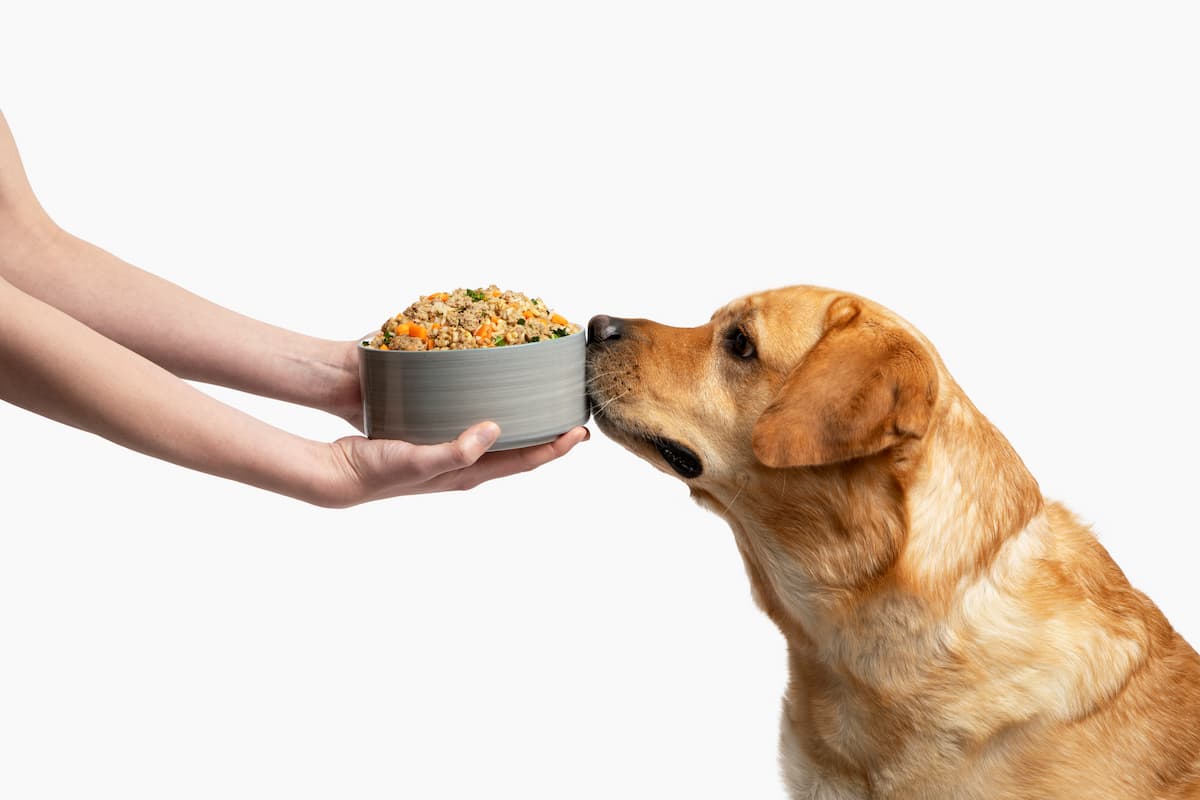
When a dog sniffs their food and walks away, it’s hard not to worry. Your dog may feel less hungry for many reasons, ranging from stress to a brewing illness. Either way, seeing your furry pal refuse food is stressful.
An appetite stimulant may help some dogs become interested in eating again. Under veterinary guidance, an appetite stimulant for dogs is a helpful tool in a pet parent’s arsenal to support nutrition, comfort, and well-being.
Here’s a breakdown of appetite stimulants for dogs, including reasons your dog might stop eating and explanations of the most frequently used prescription and natural options to support a healthy appetite.
What is an appetite stimulant for dogs?
An appetite stimulant for dogs is a product, medication, or strategy that encourages a dog to eat. Identifying and treating pain, nausea, or discomfort is always the first step, but if that is not enough, veterinarians may add an appetite stimulant to ensure dogs get the calories and nutrients they need.
Appetite stimulants work in a few different ways. Prescription medications act on the brain or digestive system to boost hunger signals and help settle the stomach. Natural appetite stimulants for dogs are more behavior-based, such as choosing stronger-smelling food or preparing foods in special ways.
Common causes of reduced appetite in dogs
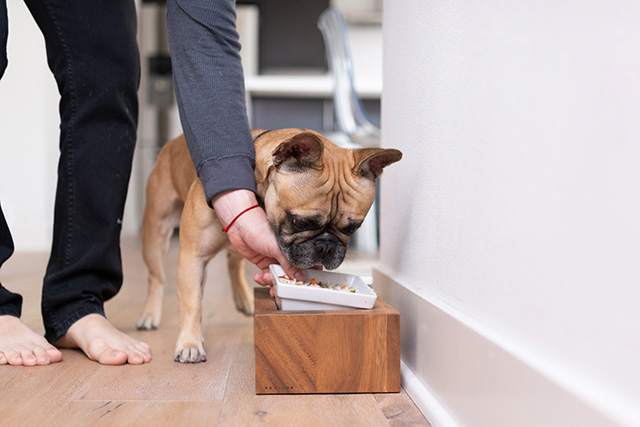
A decreased appetite in a dog is a sign that something about their health has changed, and it’s important to understand the cause before reaching for an appetite stimulant.
Here are some of the most common reasons dogs eat less or stop eating:
- Illness or infection: Almost any illness can cause a dog to stop eating, including kidney or liver disease, cancer, immune disorders, hormone imbalances, infections, and other systemic issues.
- Pain or injury: Pain can suppress appetite or distract your dog from feeling hungry. Dogs may experience pain from arthritis, dental disease, surgery, injuries, and illnesses.
- Stress and anxiety: Boarding, travel, loud noises, a new pet, or even a different feeding schedule can make some dogs stop eating normally.
- Medication side effects: Medications, such as antibiotics, anti-inflammatories, or chemotherapy, can cause nausea or stomach irritation.
- Aging: Senior dogs may eat less because of chronic disease, pain, cognitive changes, or a diminished sense of smell.
- Digestive upset: Nausea, vomiting, diarrhea, or stomach pain can occur with short-term or chronic conditions, such as pancreatitis, intestinal disease, or gastritis (“garbage gut”).
Because loss of appetite is a symptom and not a diagnosis, your veterinarian will help identify the root cause before recommending a prescription or natural appetite stimulant for dogs.
Best appetite stimulants for dogs
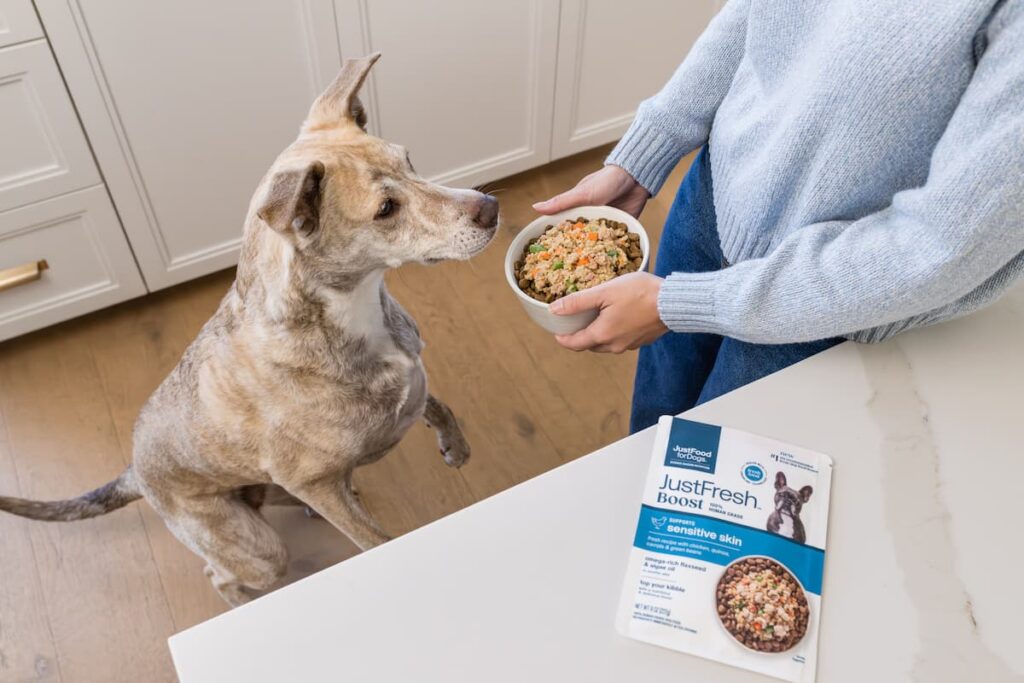
Here are some of the most common appetite stimulants your vet may recommend or discuss with you.
Protein or special treats
Some dogs simply need a more appealing food. Strong-smelling, high-protein, or meat-based treats formulated for dogs added to the food can be a good first-line option to get a dog to eat without unbalancing their diet. Plain, cooked chicken, warmed canned food, or low-sodium broth may also help.
Mirtazapine
Mirtazapine is an antidepressant that affects brain receptors involved in appetite, increasing interest in food and reducing nausea, so that dogs with chronic diseases eat more overall. Your vet will choose the right dose and schedule based on your dog’s size, health, and other medications they take.
Maropitant
Maropitant, also known as Cerenia, is a very effective anti-nausea drug. It blocks pathways in the brain that trigger vomiting and can help with belly pain. Maropitant isn’t a classic appetite stimulant for dogs, but by easing an upset stomach, it can indirectly help improve appetite.
Capromorelin
Capromorelin, known as Entyce, is a liquid medication that mimics ghrelin, the “hunger hormone.” By activating the hormone’s receptors, capromorelin increases appetite and food intake. Entyce is one of the few products labeled as an appetite stimulant for dogs.
Dronabinol
Dronabinol is a synthetic form of THC, the psychoactive compound in marijuana. It’s used in human medicine to help with poor appetite and nausea and, rarely, as an appetite stimulant in dogs with severe appetite loss. Dogs are extremely sensitive to the effects of THC and dronabinol, so it should be used only under close veterinary supervision—never give human cannabis products to your dog.
Tips to stimulate a dog’s appetite
You don’t always need medication when figuring out how to get a dog to eat. Here’s how to stimulate appetite in dogs using natural remedies and tricks you can try at home:
- Warm the food: Heat wet food, fresh food, or a mix of canned food and kibble in the microwave for a few seconds to intensify the aromas.
- Adjust your routine: Offer meals at regular times and pick up uneaten food after 15 to 20 minutes. This strategy can help if your dog is simply a picky eater, after your vet rules out a medical issue.
- Reduce stress at mealtime: Feed your dog in a quiet, comfortable spot away from loud noise, other pets, or busy walkways. A quiet environment helps dogs relax and focus on eating, especially those who suffer from anxiety.
- Try different textures: Try cans, pouches, stews, and various topper textures to see which your dog prefers consistently. Their preferences may change because of illness or age, so trying a few things can help you figure it out.
- Feed small, consistent meals: For dogs with a sensitive stomach or those recovering from a recent illness, several small meals spaced out throughout the day can be easier to digest than one or two large meals. More frequent feeding can also help to prevent nausea from an empty or overly full stomach.
Supporting healthy appetite and overall well-being
Nutrition is deeply tied to your dog’s overall well-being. When a dog refuses food, it’s harder for them to recover from illness or overcome chronic aging conditions. Treating the problem causing appetite loss usually helps, but when that isn’t enough, an appetite stimulant can make a big difference in your pup’s quality of life.
Always talk with your veterinarian before trying an appetite stimulant for dogs so they can diagnose the problem and help you craft an overall nutrition plan that fits your dog’s needs and preferences. Whole-food meals are a great option to help support steady energy, digestive comfort, and daily nourishment in dogs recovering from illness, stress, or age-related changes.
JustFoodForDogs’ human-grade, veterinarian-formulated meals, food toppers, treats, and supplements support your dog’s nutritional needs and your vet’s treatment plan. Every dog is different, and combining professional guidance with high-quality nutrition and day-to-day support can help encourage a healthier appetite over time.