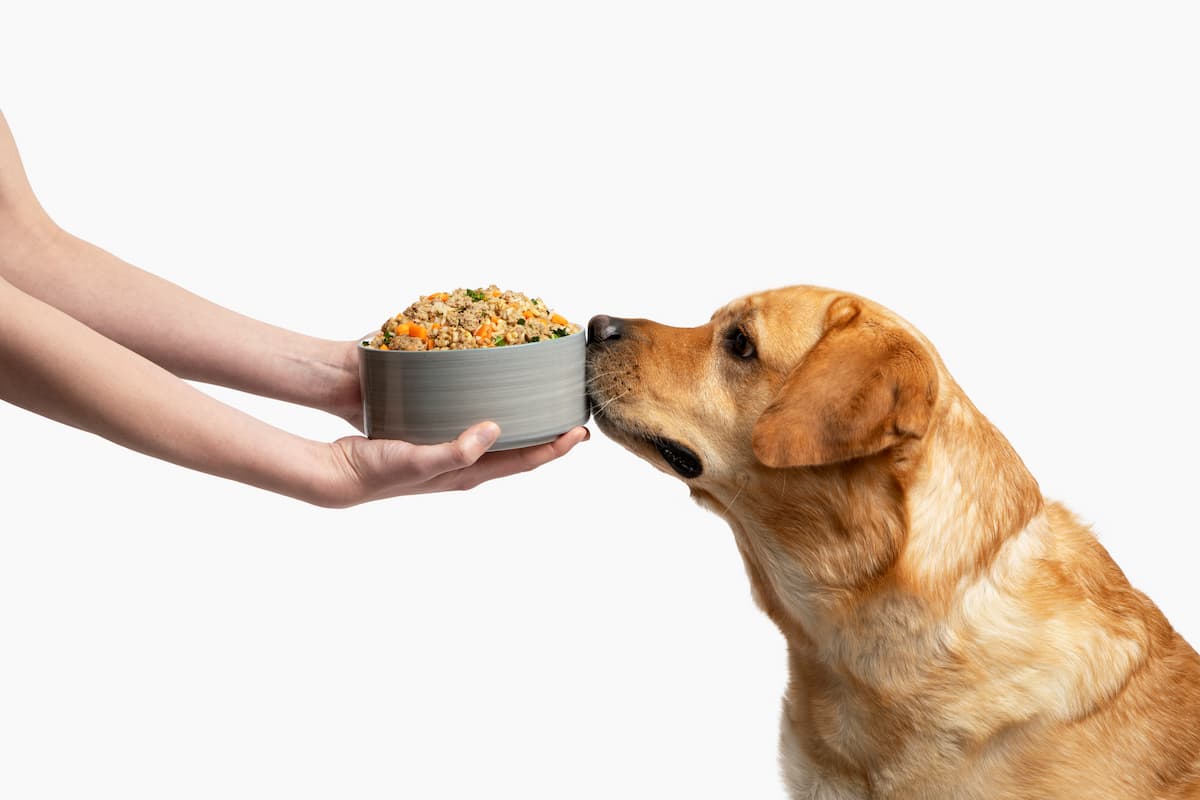
Do you treat your dog like it’s a love language? Your pup looks cute, treat. Your pup comes in from a walk, treat. Soon, your furry friend expects treats for everything.
And while dog treats are an excellent tool for dog training, bonding, and showing your affection, it’s also easy to get carried away. Without clear limits, “one more snack” can lead to overeating and potential long-term health concerns.
Most dogs should get no more than a small portion of their daily calories from treats, rather than a fixed number of treats per day.
Dog treats are meant to be treats, not meal replacements or a substitute for balanced dog food.
This article is a no-guilt guide for devoted pet parents like you who want to do right by your dog. We’ll cover:
- How many treats per day for a dog is generally considered safe
- How to calculate your dog’s daily treat allowance using calorie-based guidelines
- Why focusing on calories matters more than counting treats
- How to choose better treat options, including lower-calorie and homemade alternatives
The goal is to help you balance snack time with your dog’s long-term health.
How many treats should a dog have a day?

There’s no single “magic number” of treats that’s right for your dog. While it’d be convenient if the answer were “three treats a day,” the reality is the daily treat limits depend on calories and your dog’s size and activity levels more than treat count.
Just like people food, dog treats vary in size, ingredients, and calorie density. Some biscuits contain 25-50 calories, while small training treats have fewer.
That’s why veterinary professionals stress that treat limits should be based on a dog’s overall calorie needs, rather than a specific number of treats.
How many treats a dog can safely have each day varies depending on individual characteristics and lifestyle.
- Activity level: If your dog runs, hikes, or takes long walks daily, it’s naturally burning more calories than a dog that prefers lounging on the couch. Typically, couch potatoes need tighter limits on pup treats to avoid excess calories.
- Size and body weight: How many treats per day for a small dog? How many treats per day for a large dog? Smaller dogs require fewer calories overall, which means treats add up faster. A treat that can seem “small” can represent a significant portion of your dog’s daily energy needs. This is especially true if your pup’s daily exercise routine consists of a leisurely sniff around the block.
- Age and life stage: Growing puppies, adult dogs, and seniors all have different metabolic needs. Puppies need more calories to support growth, while senior pups are often less active and therefore need fewer calories. Portion control is especially important with older dogs.
- Overall health or weight goals: Dogs who are overweight, prone to joint issues, or managing health conditions are in a different category. They typically need fewer treats to support health goals and your vet may recommend specific adjustments.
Treats aren’t a one-size-fits-all. By considering your dog’s unique needs and focusing on calories instead of treat count, you can reward generously and responsibly.
How to determine your dog’s daily calorie treat limit
Veterinarians generally recommend that treats make up no more than 10% of a dog’s total daily calories. Which means, no more than 10% of your dog’s daily calories should come from treats. The rest of your dog’s diet should come from complete and balanced dog food.
Your dog’s daily calorie needs are typically based on their primary food—whether that’s kibble, fresh food, or homemade dog food—and the calorie count is usually listed on the packaging or provided by your veterinarian.
Treats are meant to complement, not replace, that nutrition. When dogs gobble down too many treats, they might consume excessive calories without getting the right balance of protein, fats, vitamins, and minerals.
Counting treats alone doesn’t give you a full picture. Especially if you give different types of treats throughout the day. Treats vary in:
- Size
- Calorie density
- Moisture content
Some dog treats might have 40 calories, while tiny training treats might only have 2 calories.
That’s why it matters to pay attention to calories from treats, rather than how many treats you offer your dog.
How can you apply the 10% rule in real life without doing math?
- Understand your dog’s daily calorie needs: Feeding guidelines on dog food or kibble packaging are a helpful starting point. Your veterinarian can help fine-tune recommendations based on your dog’s age, activity level, and health. A highly active Border Collie needs more calories than an aging Shih Tzu who spends her days napping in the sun.
- Check treat labels for the calorie allowance: Nutrition labels share caloric information. When you know how many calories a treat is worth, you can gauge how many your dog should have based on your dog’s daily needs.
- Adjust meals if needed: If you feed a lot of treats one day because you’re training, then pull back a little on the meal that day. But you don’t want to make this a habit because you risk your dog’s nutritional needs getting out of balance.
Best types of dog treats

There are so many types of dog treats. Some are meant for special occasions, while others are meant for daily training. When you choose the right type and stay aware of the caloric portions, you can keep your pup’s treat time within healthy limits while still keeping your dog happy.
Homemade treats
Homemade treats are especially appealing to pet parents who value fresh food for their dogs. When treats are made with similar ingredients and care as homemade meals, you can keep ingredients and calories predictable and avoid unnecessary additives.
Homemade treats aren’t nutritionally complete, but some pet parents enjoy using similar whole-food ingredients across treats and meals. For homemade meals, resources like JustFoodforDogs’ DIY recipes make it easier to use whole, real ingredients in your pup’s diet while maintaining nutritional balance.
Commercial treats
Some store-bought treats focus on a single ingredient and are lower in calories. Single-ingredient options are great for dogs with food sensitivities or pet parents looking for convenience.
Healthy, human foods
There are plenty of human foods that can double as low-calorie dog treats. Think baby carrots or apple slices. You can also cut these into smaller pieces to make portion control easier.
Not all human foods are safe for dogs, though, so make sure you only give veterinarian-approved options.
Training treats
Training treats are for high-frequency rewarding. Typically small and lower in calories, you use them to reward your dog while on a walk or learning new skills without exceeding the 10% rule.
Long-lasting chews
Long-lasting chews, such as peanut butter-filled Kongs, provide mental enrichment. Plus, dogs love them. However, peanut butter can be calorie-laden, so it’s best not to make it a daily habit.
Lick mats, frozen treats, and food-based rewards
Besides your typical dog treats, you can use lick mats, frozen goodies, and other rewards for enrichment. By spreading small amounts of mashed banana, yogurt, or other foods across a lick mat or freezing these ingredients, treat time without increasing calories. These ideas slow your dog’s eating and increase his mental stimulation.
Tips for treating
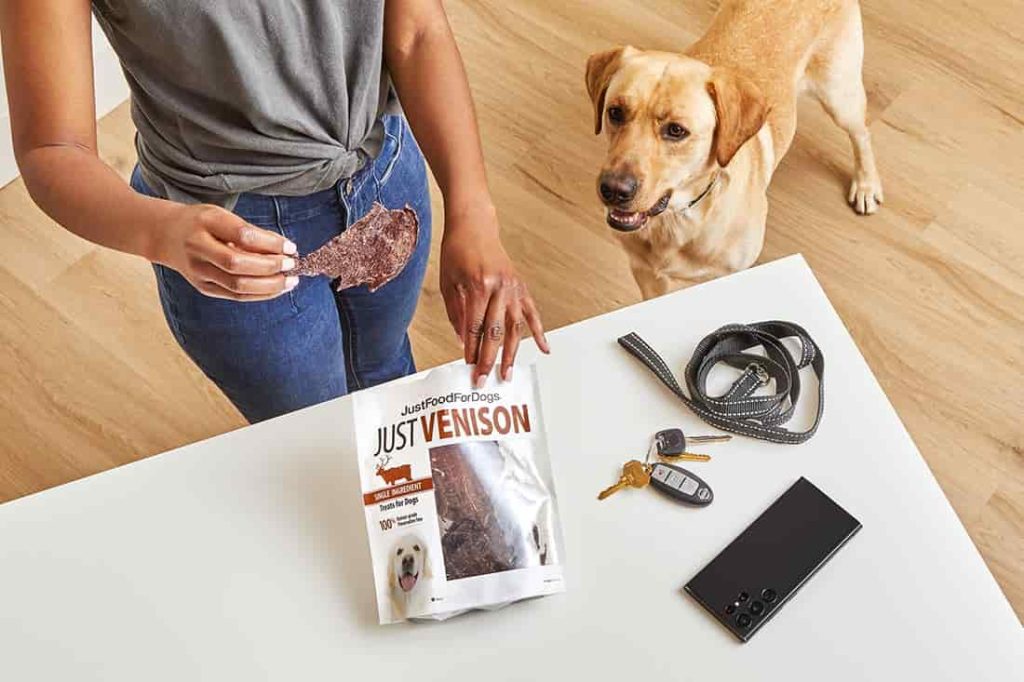
You can have a healthy treat routine with a few simple habits. Reward your pup while supporting their long-term health.
- Limit treats to 10% of daily calories: Treats should make up no more than a small portion of your dog’s daily calories, with the rest of their nutrition coming from complete, balanced dog food.
- Use treats with intention: Save dog treats for training, reinforcement, and enrichment instead of all day “just because” snacking.
- Break larger treats into smaller pieces: Smaller pieces let you reward more often without the added calories. Dogs don’t care about the size; they’re just eager to gobble it down as quickly as possible.
- Keep treats in context of your dog’s daily meals: Dogs love a routine, and when you keep meal times consistent, you can pair snack times with a walk, training time, or pre-dinner treat.
Support your dog’s diet beyond treats
It’s fun to treat your pup, but keep it in moderation. Sometimes, dogs get picky and want to live on treats instead of eating their food.
Treats are a piece of your dog’s overall nutrition, which includes both treats and meals. Understanding how much you should be feeding your dog is key to keeping calories balanced without guesswork. And if your pup gets picky and wants to live on treats instead of eating their dinner? Then, this guide will help, or you can try one of these creative ways to feed your pooch.
Help your dog maintain steady energy and a healthy weight with complete, balanced meals that support overall wellness.
High-quality, thoughtfully prepared food gives you greater flexibility to reward with confidence that your dog is enjoying well-rounded nutrition. JustFoodForDogs meals are designed by veterinarians and nutritionally balanced to support your dog’s overall health.
Explore the best dog treats to complement a balanced diet with rewards you can feel good giving.