

A rash on your dog’s belly can be a mild reaction to an irritant or a sign of an underlying condition, and identifying the cause early is key to getting the right treatment. Dogs are prone to developing skin rashes on their belly because this area has thinner fur and more direct contact with surfaces.
Here’s a guide to what belly rashes in dogs look like, what causes them, how veterinarians diagnose them, and the treatment options available to help your dog feel better.
What does a rash on a dog’s belly look like?
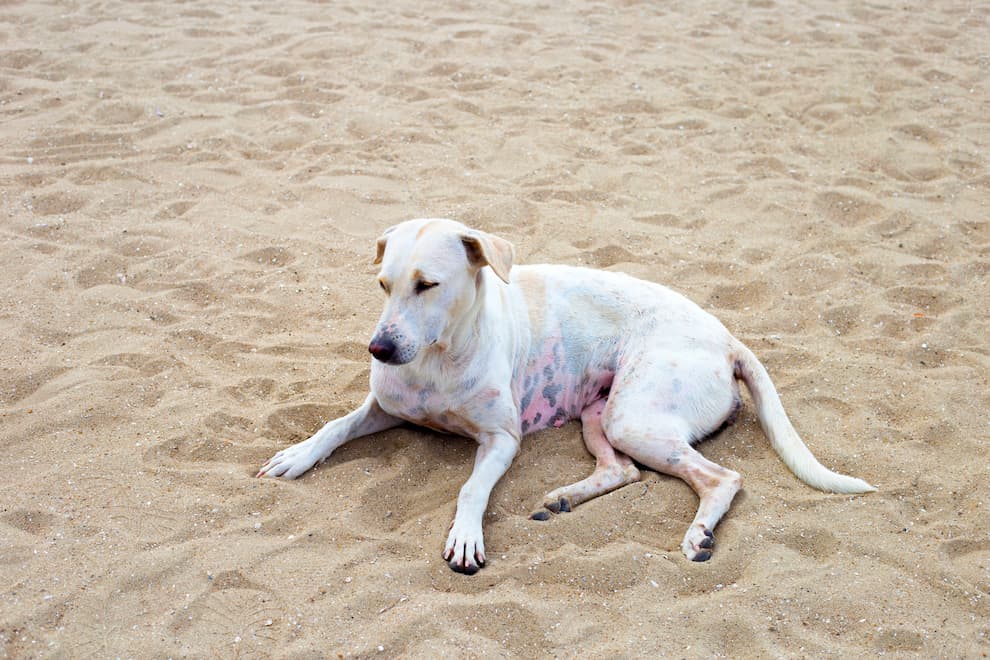
A dog rash can look different depending on the underlying cause, your dog’s breed, and how long the irritation has been developing. Here are some things you may notice.
Red or pink skin
Redness is usually the first symptom of a dog skin rash. You may notice a pink or red tint to the irritated skin, particularly in areas with sparse fur.
Bumps or crusts
Small, raised bumps, pimples, or pustules on the belly can develop with bacterial or fungal infections. You may also see scabs, crusty patches, or flaky circular areas called collarettes.
Hair loss
Scratching, licking, chewing, and scabbing can lead to hair loss in the area affected by the rash. Bald spots on the belly or groin are a sign that your dog’s skin is itchy, irritated, and possibly infected.
Itching, licking, or scratching
Your dog may lick, chew, or scratch at their belly, sometimes before you notice a rash. If your dog repeatedly licks the affected area, they can introduce bacteria that cause a secondary infection.
What causes a rash on a dog’s belly?

With little fur, the belly is exposed to the environment, which is why dog skin rashes tend to develop there. Understanding the common types of dog rashes can help you and your vet narrow down the cause.
Environmental or food allergies
Allergies are the most common cause of dog skin conditions that involve rashes. Your dog may develop an allergy to environmental substances like pollen, dust mites, or mold, or a food allergy triggered by proteins such as beef, chicken, or dairy.
Contact sensitivity
Some dogs develop a rash when their skin comes into contact with irritants such as cleaning products, lawn chemicals, laundry detergents, or certain fabrics. A dog rash on the groin, belly, or underarm areas is common with contact sensitivity.
Bacterial or yeast infection
Bacterial skin infections (i.e., pyoderma) and yeast infections can develop secondary to allergies or inflammation that compromises the skin barrier. Dogs with skin folds are especially prone to these infections because the folds trap moisture, creating an environment where bacteria and yeast thrive.
Fleas or parasites
It takes only a single flea bite to trigger intense itching in dogs with flea allergy dermatitis. A flea rash on dog’s belly usually appears on the back, but it can also develop on the legs or belly. Tick bites, mites, fly bites, and other parasites can also cause rashes on a dog’s belly.
Endocrine or immune conditions
In some cases, a persistent or recurring rash may point to an underlying hormonal condition, such as hypothyroidism or Cushing’s disease, or to an autoimmune disorder. A veterinarian will recommend special tests if they suspect these issues.
How is a dog’s belly rash diagnosed?
Because many skin conditions look similar, an accurate diagnosis requires a veterinary visit. Your vet will typically use the following key steps to identify the cause.
Physical examination and medical history
The first step to diagnosing a rash in a dog is a full physical exam. Your veterinarian may also ask about your dog’s diet, current medications, parasite prevention, home environment, and how long the rash has been present.
Skin tests
Vets use several skin-specific tests to find the cause of a rash. They include:
- Skin scraping to check for mites
- Cytology swab to check for bacteria or yeast
- Culture to identify bacteria causing an infection
In some cases, your vet may also recommend intradermal skin testing or blood allergy testing performed by a veterinary dermatologist, or other blood tests to identify hormone issues.
Elimination diet trial
If your vet suspects food allergies, they may recommend an elimination diet trial using a limited-ingredient or novel-protein food. This process takes eight to 12 weeks and can help pinpoint the specific ingredient causing your dog’s skin issues.
How is a dog’s belly rash treated?

Treatment for a belly rash depends on what’s causing it. In some cases, treatment resolves the issue quickly, while ongoing management may be required in others. Here are some common vet-recommended treatments.
Medicated shampoos or topical treatments
Shampoos and topical treatments are easy ways to control a rash without causing side effects from oral medications. Your vet may prescribe:
- Medicated shampoos containing chlorhexidine (antibacterial) or miconazole (antifungal)
- Topical antibiotic creams, gels, or wipes
- Wound gel
- Hypoallergenic shampoos
- Oatmeal-based shampoos or oatmeal baths
Antihistamines or steroids
When allergies cause a rash, your dog might need treatments directed at allergic inflammation and itch, such as:
- Oral antihistamines
- Oral steroids
- Hydrocortisone cream
Never apply human rash creams without your vet’s guidance, as some topical anti-inflammatories and products containing zinc oxide or xylitol can be harmful if ingested.
Antibiotics or antifungals
Oral antibiotic and antifungal medications work well for rashes caused by bacteria or yeast that aren’t responding to topical treatments. They can work well alongside sprays, shampoos, and creams to help target microbial overgrowth.
Dietary changes
For dogs with confirmed or suspected food allergies, your vet may recommend switching to a prescription diet, a limited-ingredient diet, or a food designed to support dogs with allergies.
Can you prevent a rash on your dog’s belly?

You can’t prevent every rash, but a few habits can reduce your dog’s risk.
Keep bedding and surfaces clean
Wash your dog’s bedding weekly with a fragrance-free detergent to limit exposure to contact irritants and dust mites. Keep floors and your dog’s favorite lounging spots clean to minimize allergen buildup.
Check for fleas
Inspect your dog’s skin and coat regularly for signs of fleas, ticks, or other parasites. To check for fleas, run a fine-tooth comb through the fur and check for brown-red flecks called flea dirt. Keep your dog on year-round flea and tick prevention, even during cooler months.
Remove irritants
Wipe down your dog’s belly and feet after walks or other outdoor adventures, and bathe them regularly to remove pollen and other environmental irritants that can stick to their fur. Dry your pup afterward to avoid damp skin, which can encourage bacterial and yeast overgrowth.
How nutrition affects your dog’s skin care
Nutrition is a key component in your dog’s overall skin health management. A balanced diet rich in omega-3 fatty acids, adequate vitamins and minerals, and high-quality, easily-digestible proteins may help your dog maintain a healthy skin barrier.