If you’ve ever watched your dog circle restlessly near the door or wondered whether your puppy’s frequent bathroom trips are normal, you’re not alone. Understanding how often dogs need to pee is one of the most practical things a pet parent can do. Changes in urination frequency can signal anything from a life-stage shift to a serious kidney or bladder problem. Knowing what’s normal for your pet puts you in a much better position to catch concerns early.
That’s why we’re providing clear guidance for dog owners on normal urination ranges by age, the key factors that influence how often dogs might need to go, warning signs to watch for, and practical tips for building a healthy potty routine that works for both of you.
How Often Do Dogs Need to Pee During a Day?
There’s no single answer to how many times do dogs pee a day; it depends on age, size, health, and habits. That said, general patterns emerge across life stages that can help you gauge what’s typical for your pup.
Puppy Peeing Frequency
Puppies need to urinate far more often than adult dogs. Their bladders are small, their sphincter muscles are still developing, and they haven’t yet learned to hold it. A general rule of thumb: puppies can hold their bladder for roughly one hour per month of age.
During potty training, most puppies need to go out immediately after waking up, after eating, after drinking water, and after play sessions. Expect anywhere from 8 to 12 bathroom breaks per day for very young dogs. Accidents are part of the process; consistency and patience are key.
Adult Dog Peeing Frequency
How often do adult dogs need to pee? Most healthy adult dogs urinate three to five times per day. Some dogs are comfortable with three well-timed breaks, while others feel better with four or five. The important thing is that their bathroom schedule is consistent and that they’re not regularly holding urine for excessive stretches.
Dogs that drink more water will naturally need to urinate more frequently. If you’re wondering how often do small dogs need to pee? They do have a smaller bladder and may need to go out more often than a larger dog. Adult dogs in good health should comfortably make it four to six hours between bathroom breaks during the day.
Senior Dog Peeing Frequency
Older dogs often need to urinate more frequently than they did in their prime. Age-related changes in bladder capacity, kidney function, and sphincter control can all contribute to more frequent urination. Senior dogs may also develop health conditions like kidney disease, diabetes, or incontinence that directly affect how often they need to go.
If your older dog suddenly starts asking to go out more often, or has accidents indoors for the first time, don’t assume it’s just aging. A visit to the veterinarian can rule out underlying issues and help you adjust their care accordingly.
How Long Can a Dog Go Without Peeing?
A few questions that often arise for dog owners are, “How long can a dog go without peeing before it is dangerous, and how long can dogs hold their pee at night?” Healthy adult dogs can typically go six to eight hours without urinating. Some may stretch to ten hours in certain circumstances, such as overnight, but it’s important to remember that just because a dog can hold it that long doesn’t mean they should do so regularly. Puppies are a different story. Young puppies often need at least one overnight bathroom trip until around 16 weeks of age or older.
Over time, consistently delaying bathroom breaks may increase the risk of urinary tract infections, bladder discomfort, and even bladder stones. Dogs that regularly hold their urine all day while their owners are at work are not in an ideal situation, even if they seem to manage.
Factors That Affect How Often a Dog Needs to Pee
Several variables influence how frequently your dog needs to urinate. Understanding these factors helps you build a realistic routine and recognize when something seems off.
Size and Breed: Smaller dogs have smaller bladders, which means they typically need to urinate more often than large breeds. Breed-specific tendencies, including metabolism and activity levels, also play a role.
Water Intake: This one is straightforward: the more a dog drinks, the more they’ll need to urinate. Dogs naturally drink more during hot weather or after vigorous activity. If you notice your dog suddenly drinking significantly more water than usual combined with more frequent urination, that combination can signal conditions like diabetes or kidney disease.
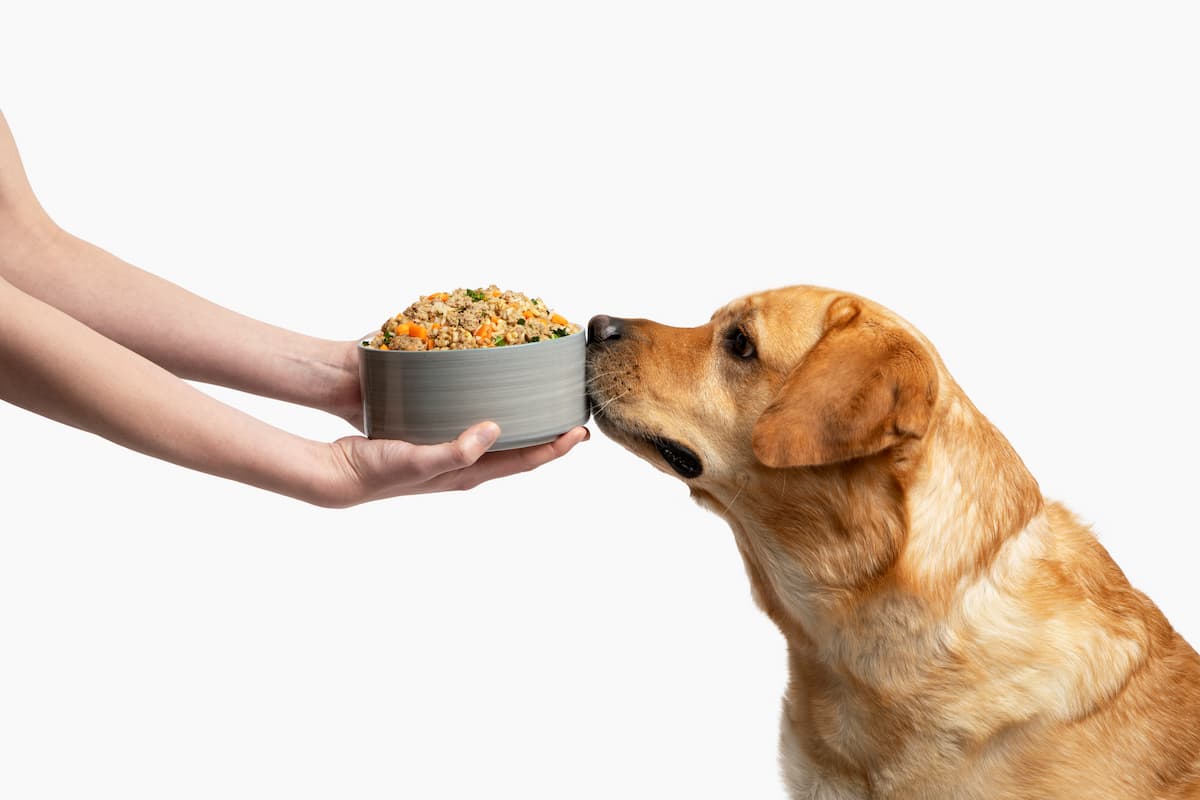
Diet: What your dog eats affects how much they urinate and the health of their urinary tract. Dogs eating wet food or fresh meals take in more moisture through their food, which typically increases urine output compared to dogs on a dry kibble diet. It’s good to know when you’re trying to predict bathroom break timing.
Activity Level: Active dogs tend to drink more water, which leads to more frequent urination. Exercise also stimulates the digestive and urinary systems, which is why most dogs need to go shortly after a walk or play session. Scheduling potty breaks around activity makes sense both practically and biologically.
Health Conditions Several medical conditions directly affect urination frequency. Urinary tract infections, bladder infections, bladder stones, kidney disease, diabetes, and hormonal imbalances can all cause dogs to urinate more or less than normal. Incontinence, the involuntary leakage of urine, is also more common in spayed female dogs and older dogs of both sexes. Any unexplained change in urination habits is a reason to consult a veterinarian.
Medications Certain medications, particularly steroids and diuretics, can dramatically increase how often a dog needs to urinate. If your dog’s bathroom needs have changed since starting a new medication, talk to your vet about what to expect and how to adjust their routine.
Signs Your Dog May Need to Pee More (or Less) Than Normal
Recognizing abnormal urination patterns early can make a meaningful difference in your dog’s health outcomes. Here are the key warning signs to watch for.
Frequent Small Urinations
If your dog is squatting or lifting their leg repeatedly but producing only small amounts of urine each time, that’s a red flag. This pattern is a classic sign of a urinary tract infection (UTI), cystitis, or bladder stones. Female dogs are particularly prone to UTIs, though male dogs are not immune. Don’t wait this one out, since frequent, small urinations paired with straining typically require a veterinary visit.
Accidents in a House-Trained Dog
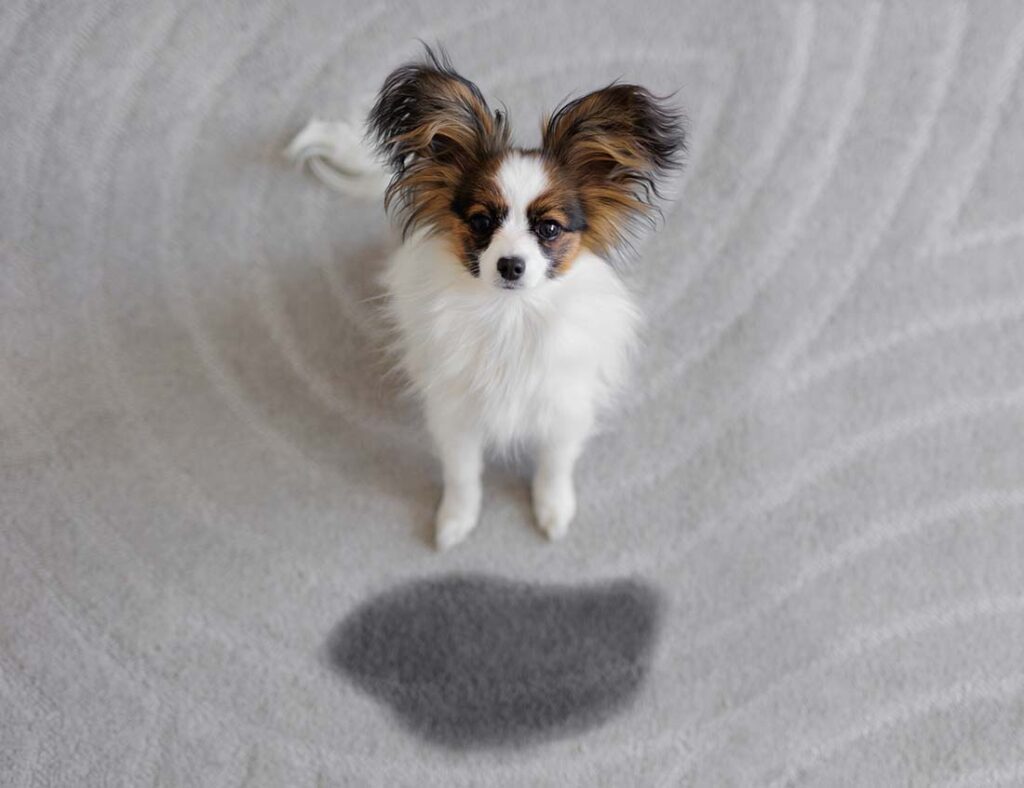
A previously house-trained pet having indoor accidents is not a behavioral regression to dismiss. It can indicate a UTI, incontinence, bladder dysfunction, or other health concerns. Sudden accidents in an adult dog, especially one that’s been reliable for years, deserve prompt attention from a vet rather than frustration or punishment.
Excessive Thirst with Frequent Urination
When a dog is drinking noticeably more water and urinating much more frequently than usual, that combination is medically significant. Increased thirst paired with frequent urination is a hallmark sign of conditions including diabetes mellitus, kidney disease, Cushing’s disease, and certain hormonal disorders. If you observe this pattern, schedule a veterinary appointment sooner rather than later.
Straining or Discomfort
A dog that strains, cries, or seems uncomfortable while trying to urinate or that repeatedly tries to go without producing urine may be experiencing a blockage, severe bladder infection, or bladder stones. Urinary blockages are potentially life-threatening, particularly in male dogs, and require immediate veterinary attention. Never wait and see if straining to urinate resolves on its own.
Infrequent Urination
On the opposite end of the spectrum, a dog that is urinating far less often than normal or not at all is also a concern. Infrequent urination can result from dehydration, a blockage, kidney failure, or other serious conditions. If your dog hasn’t urinated in more than 12 hours and seems lethargic or uncomfortable, contact your veterinarian right away.
Creating a Healthy Potty Routine for Your Dog
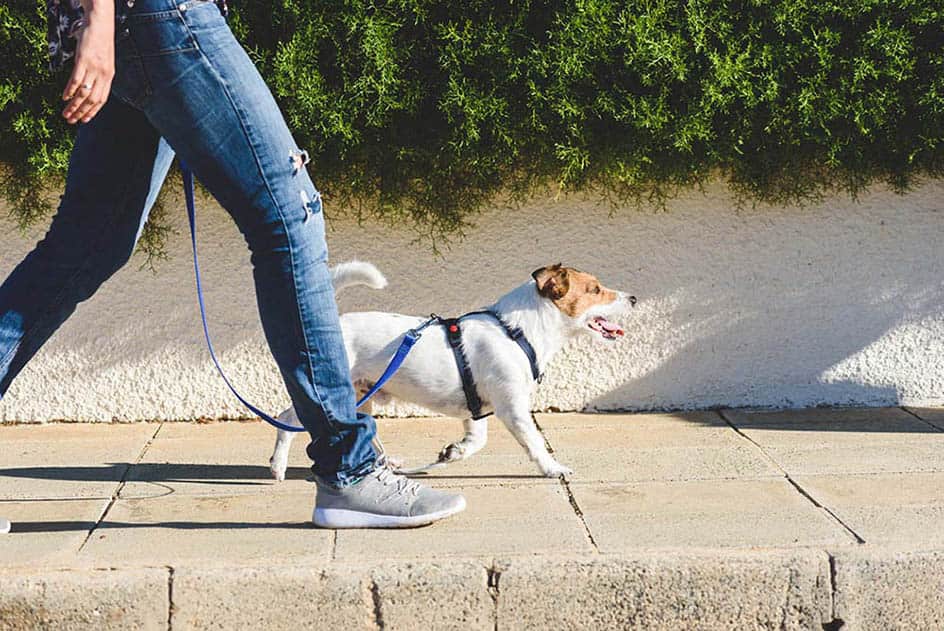
Consistency is the foundation of a healthy bathroom schedule. Here’s how to set your dog up for success.
Set Consistent Potty Times
Dogs thrive on routine. Taking your pup out at the same times each day helps regulate their internal schedule and reduces the risk of accidents.
Schedule Breaks Around Meals and Water Intake
Dogs typically need to urinate shortly after eating or drinking. A general guideline: take your dog out within 15 to 30 minutes after meals and after they’ve had a big drink of water.
Provide Extra Breaks for Puppies and Seniors
Puppies and older dogs need more frequent bathroom access than healthy adult dogs. For puppies in potty training, plan breaks every one to two hours during the day. For senior dogs showing signs of reduced bladder control, more frequent trips outside or access to pee pads indoors can prevent accidents and protect their dignity and comfort.
Monitor Changes in Behavior
Your dog’s bathroom habits are a window into their health. Pay attention to how often they go, how much urine they produce, the color and odor of their urine, and any changes in posture or behavior during urination.
Supporting Urinary Health and Overall Well-Being with Healthy Nutrition
Hydration and nutrition are deeply connected to urinary health. Dogs that stay well-hydrated flush their urinary systems more effectively, which helps prevent the buildup of minerals that can lead to bladder stones and reduces the risk of bacterial infections. What your dog eats directly influences how much water they take in through food, how well their kidneys function, and whether their urine stays at a healthy concentration.
Fresh, moisture-rich meals support hydration in a way that dry kibble simply can’t replicate. JustFoodForDogs Shelf-Stable Meals offer the convenience of pantry-friendly options while delivering real, whole-food ingredients formulated with your dog’s nutritional needs in mind. For dogs with specific health concerns, including those with kidney issues or other conditions affecting urination, Custom Diets developed in collaboration with veterinary nutritionists can provide targeted support tailored to your individual dog’s needs.
Feeding your dog a thoughtfully formulated, moisture-appropriate diet is one of the most effective ways to support consistent, healthy urination patterns over their lifetime.
Final Thoughts
Building a consistent potty routine, staying alert to warning signs, and supporting your dog with proper hydration and nutrition are the simplest, most effective things you can do to keep their urinary system healthy. When in doubt, trust your instincts; you know your dog best, and noticing that something is off is always the right reason to call your vet.