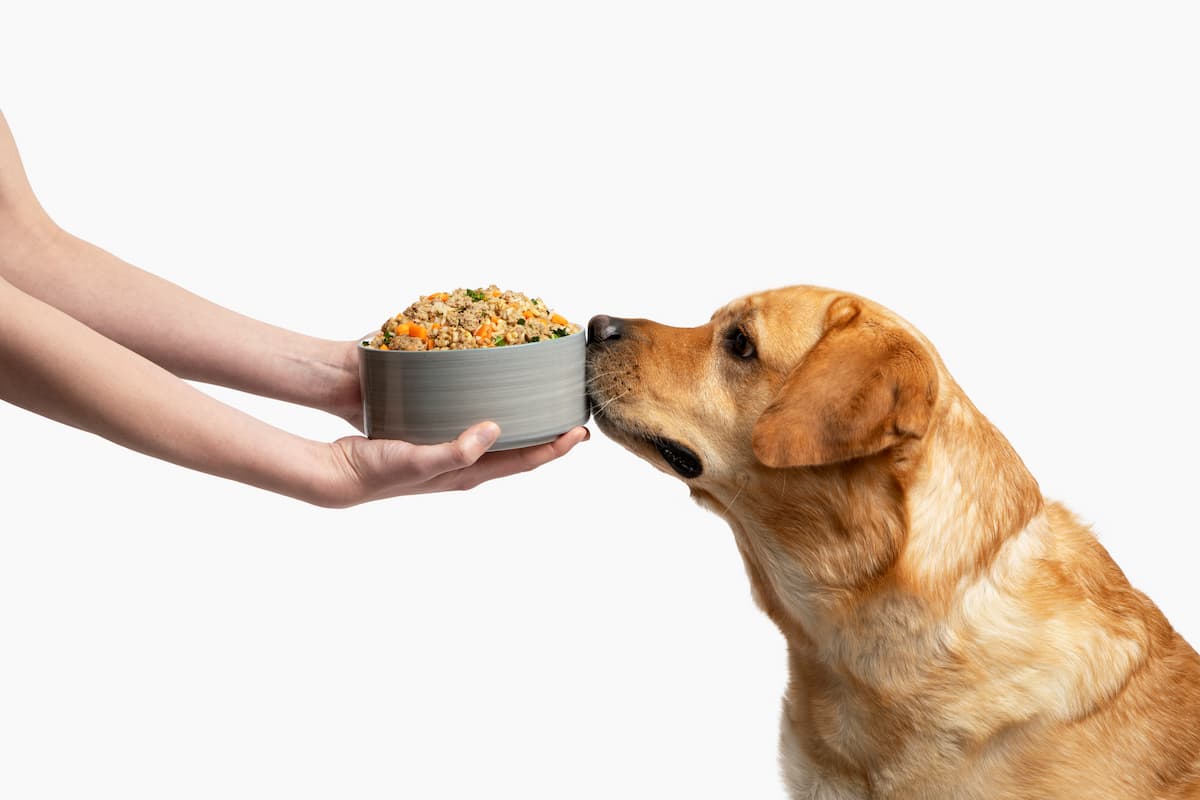
When it comes to dealing with dinner time for your dog, food aggression can be a tricky behavior to tackle. Food guarding is a normal dog behavior, but the aggression that comes with it can be dangerous for other dogs or family members.
Lots of dog owners reach a point where they have to address food aggression in their pups, so rest assured you’re not alone! With consistency and a few good strategies, you can take steps to manage and mitigate your dog’s food aggression behaviors.
What Is Food Aggression in Dogs?
First thing is first: what is food aggression in dogs?
Food aggression is rooted in instinctive behavior. It refers to a dog’s defensive and sometimes confrontational behavior (snapping, biting, or growling) when eating or when presented with food. It can also sometimes be called “food bowl aggression,” since most dogs eat from a bowl.
What Causes Food Aggression in Dogs?
Dog aggression can have a lot of root causes, and food aggressive behavior has several of its own.
Survival instinct and learned behavior
Originally, this comes from primal canine instincts, where fighting for your dinner was necessary.
Competition with other pets
Food aggression can also be learned during the puppy years, either by chance or in shelter situations where there is competition for food. It can come from dogs wanting to assert their dominance, or for dogs who experience anxiety about other dogs or people taking their food.
Past experiences with food scarcity
Dogs who have been strays or spent time in homes with food scarcity may also be more likely to display aggressive behavior around food.
Dogs who experience trauma are more likely to develop food aggressive behavior as well, and this can happen to both young and older dogs during any stage of life. Types of trauma that might affect a dog’s behavior around food can include the loss of a loved one, fighting with another dog, or abuse or neglect by past humans.
Signs of Food Aggression to watch for
Body language and changes in demeanor are some of the first signs of food aggression. Watch for the following early signs of food aggression before it escalates.
- Growling or snarling near food
- Stiff body posture while eating
- Snapping or lunging when approached
- Eating very quickly or protectively
- Hovering over the food bowl
- Showing teeth when disturbed
How to manage food aggression safely
Food aggression is a type of resource guarding. Resource guarding uses different behaviors to maintain a valuable resource (in this case, food) and prevent other parties from getting access to it. A resource-guarding dog feels the need to defend their food. This should be addressed through trust-building and controlled exposure.
An aggressive dog isn’t a bad dog, but rather a dog in need of some redirection and a little more time spent on dog training. Counterconditioning dogs who display food aggression is perfectly possible with consistency and patience.
Make Mealtimes a Positive Experience
Most dogs can sense it if you’re also experiencing anxiety around feeding times. Maintaining an upbeat, positive attitude and using positive reinforcement to encourage good behavior in the presence of food can make a huge difference in shifting your dog’s attitude towards meals, too. You can even start mealtime with a special treat to break the ice and communicate to your dog that this is a positive experience.
Feed Multiple Dogs in Separate Rooms
One of the biggest things that causes food aggression in dogs is a perceived sense of competition. Whether this comes from a past experience or has developed from some other type of anxiety, like separation anxiety or stress around strangers, dogs who display aggression and guarding behavior when food is present feel like their access to food is threatened.
To eliminate the issue initially, feeding dogs in different rooms is the best solution — especially when introducing a new dog to your home. Keeping each dog’s bowl separate draws a clear boundary between which food belongs to who. When they’re not side by side or face to face, your dogs can let down their guard (literally) and enjoy their meal without the need for assertive or aggressive behavior.
Make Sure Your Pup Is Getting Enough Dog Food
Some dogs may display aggressive behavior around food when they’re hungry, or ‘hangry’ as we might describe the feeling in humans. Being hungry day after day would make any creature cranky! Make sure your dog is getting enough food based on their height, weight, breed, and age.
Check the recommended portions on the label of your dog’s food and adjust their servings accordingly. If the portions of dog food seem way off in either direction or just aren’t working, ask your veterinarian’s opinion about the right amount of food for your pup.
Keep Feeding Times Consistent
Creating a consistent mealtime routine is another great way to help alleviate your dog’s stress around supper. Feeding your dog (or dogs) at the same time every day gives them a sense of predictability around food. Being fed on a schedule can help reduce your dog’s fear of not getting fed or not getting enough.
Feeding your dog in the same location is another good mealtime training technique that can help your dog develop more security around food. Dinner in the dog park may seem like a fun outing, but dinner in the same location creates a routine your dog can count on.
Work With a Canine Behavior Specialist
If behavior around food aggression isn’t getting better, and you’re still seeing signs of resource guarding in your dog, it may be time to consult a professional animal behaviorist for dog food aggression training.
Different training methods work for different dogs and their humans. A professional dog trainer or veterinary behaviorist can help provide pet parents with training techniques that will work best for your dog’s degree of food aggression and specific needs.
Help your dog feel safe around food
Addressing food aggression early is essential to prevent escalation into more serious behaviors, such as biting or injury. Unmanaged guarding can create safety risks for people and other pets, while consistent training and a structured feeding environment help build trust and reduce stress. Take proactive steps and seek guidance when needed to create safer, more predictable mealtimes.
Why Is It Important to Stop Food Aggression in Dogs?
Knowing how to stop food aggression in dogs is the best way to keep your dog, other pets, and family members safe from escalating aggressive behavior, and make mealtimes in general a much more pleasant experience for your dog.
Dogs displaying aggressive behavior or growling when it comes to the food bowl may seem harmless at times, but this behavior can worsen over time or transfer to aggression in other activities, too. A food-aggressive dog may become aggressive over other things, like toys, favorite spots, or even people, if the behavior isn’t addressed.
Frequently asked questions
What should I do if my dog growls or threatens when I approach their food?
Do not get closer and do not punish them for the behavior. Calmly walk away to give them their space. Contact a positive reinforcement dog trainer or behaviorist to come up with a training plan to address the resource guarding.
What are subtle signs my dog doesn’t want to be approached while eating?
Eating faster, stiffening, watching the offender closely, and growling are all signals used by your dog to communicate they do not want you near their space right now. Don’t ignore them.
Should I hand-feed my dog or take the food bowl away to prevent food aggression?
Hand feeding may work to create a positive association with you and your dog’s food so they don’t see you as a threat to their resources. Depending on your dog’s level of resource gaurding, consult a professional trainer.
What should I avoid doing if my dog shows food aggression?
Avoid punishing, intimidating, or trying to “dominate” your dog by taking the food bowl away, as this can increase fear, escalate aggression, and damage trust. Dogs may perceive these approaches as threats to their food, making forceful actions risky and counterproductive. The behavior should instead be addressed through desensitization and counterconditioning to build positive associations.
This content is for informational use only and does not replace professional nutrition and/or medical advice, diagnosis, or treatment. It is not a substitute for and should not be relied upon for specific nutrition and/or medical recommendations. Please talk with your veterinarian about any questions or concerns.