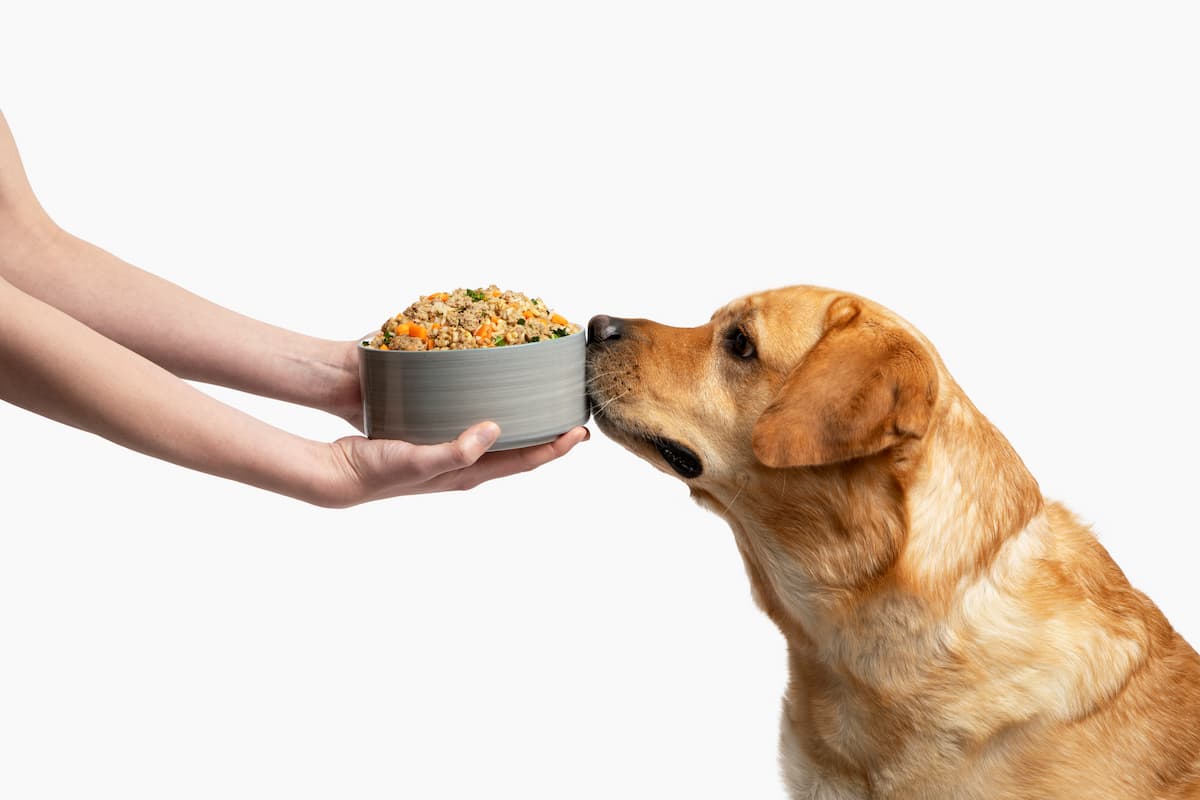
Preparing homemade dog food is one of the most loving things a pet parent can do. You control the ingredients, avoid unnecessary preservatives, and tailor meals to your dog’s unique diet and nutritional needs.
Whether you’re following carefully researched dog food recipes, working with a veterinary nutritionist, or simply trying to supplement kibble with fresh options, homemade meals can feel like a healthier, more personal way to feed your canine companion.
But there’s a common challenge that comes with making dog food at home: storage. Without the stabilizers found in commercial dog food, homemade food can spoil quickly if it isn’t stored properly.
Many pet owners find themselves asking questions like how long does homemade dog food last in the fridge?, can you freeze homemade dog food?, or what’s the best way to store homemade dog food without losing nutrients?
This guide is designed to answer those questions clearly and practically. Below, we’ll walk through homemade dog food storage dos and don’ts, explain how to safely refrigerate and freeze meals, and share tips that help preserve freshness, flavor, and nutritional value. With the right approach, you can reduce waste, protect your dog’s health, and make homemade feeding sustainable and stress-free.
Why Proper Homemade Dog Food Storage Matters
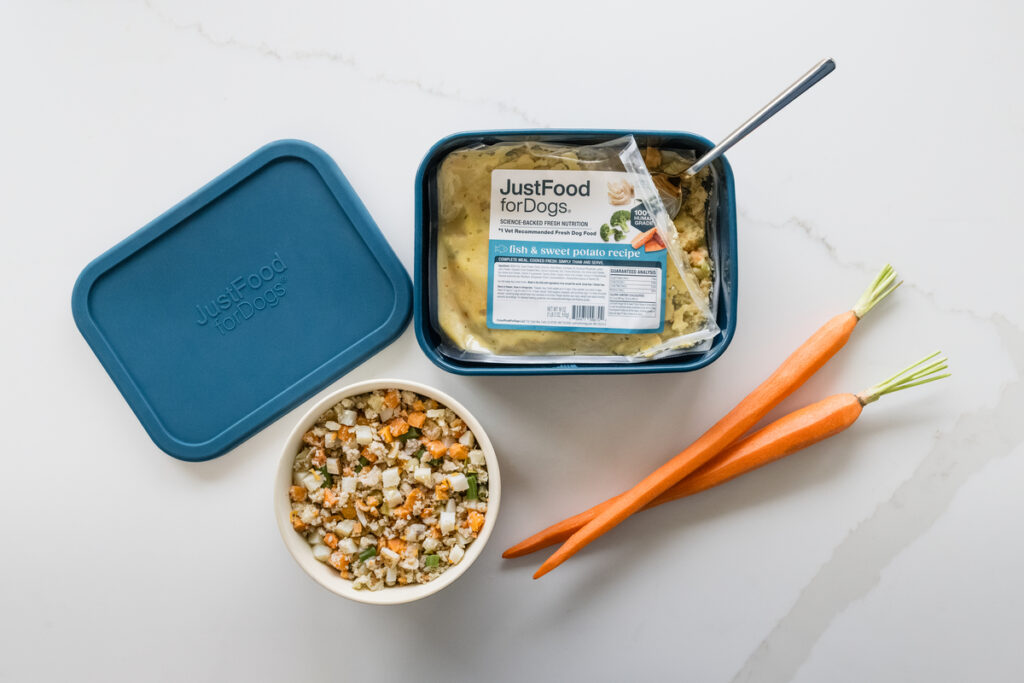
Proper storage isn’t just about convenience; it’s essential for your dog’s safety and long-term health. When cooked dog food is stored incorrectly, it can quickly become unsafe to eat or lose the nutrients your dog depends on.
Here are several key reasons why dog food storage matters:
Maintains food freshness
Freshness impacts taste, texture, and your dog’s willingness to eat. Poor storage can cause meat, vegetables, and protein sources like chicken or turkey to dry out or develop off-odors, leading to uneaten meals.
Preserves nutrient quality
Improper storage can degrade important nutrients, including calcium, vitamins, and essential amino acids. Since homemade meals don’t contain added preservatives like commercial food, protecting nutritional integrity is especially important for a balanced canine nutrition plan.
Reduces risk of contamination
Bacteria grow rapidly in improperly stored pet food. Refrigerating and freezing correctly reduces the risk of foodborne illness for both pets and humans handling the food.
Extends shelf life
Knowing the answer to the question, how long is homemade dog food good for?, and storing it accordingly, helps reduce waste and saves money. With proper storage, meals can last days in the fridge or months in the freezer.
Supports long-term dietary consistency
Dogs thrive on routine. Safe storage allows you to prep meals in advance without compromising your dog’s diet, ensuring consistent nutrition from batch to batch.
How Do You Store Homemade Dog Food?
The best way to store homemade dog food depends on how soon you plan to use it. In general, there are two safe options: refrigeration for short-term storage and freezing for longer-term use.
Refrigeration is ideal if your dog will eat the food within a few days. Once cooked and cooled, homemade meals should be placed in airtight containers and stored in the coldest part of the fridge. This slows bacterial growth and keeps the food fresh for immediate feeding.
Freezing, on the other hand, is the go-to solution for pet parents who batch-cook. Properly portioned and sealed frozen dog food can last for weeks or even months without significant nutrient loss. Freezing is especially helpful when using fresh ingredients like lean meat, vegetables, and carbohydrates such as rice or sweet potatoes.
Both methods are safe when done correctly, and many pet owners use a combination of refrigeration and freezing to keep meals fresh and convenient.
Tips for Refrigerating Homemade Dog Food
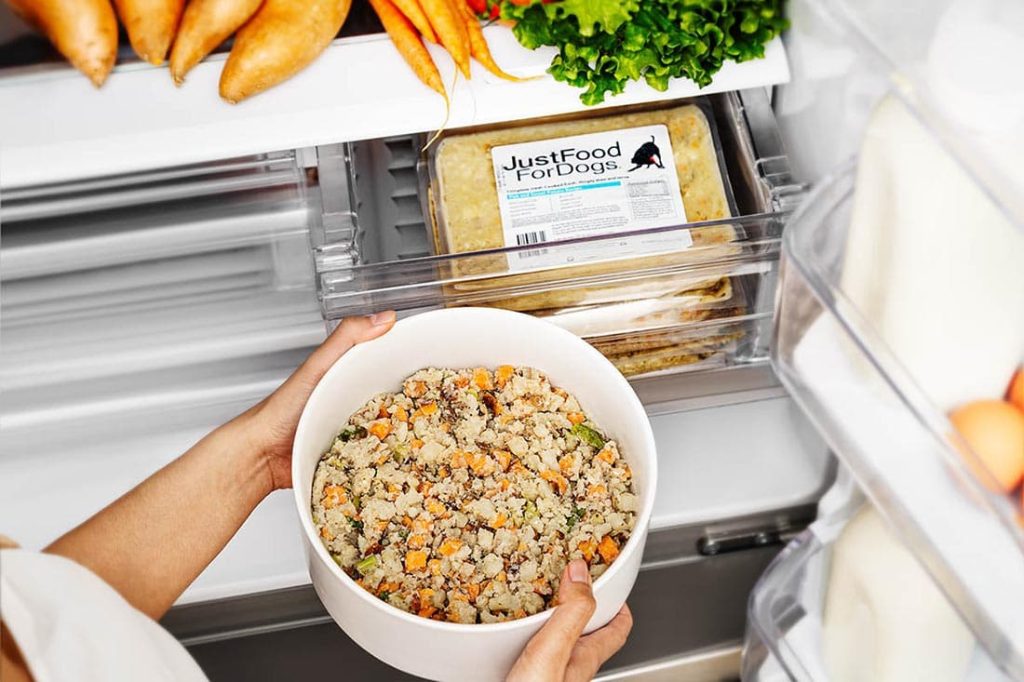
Refrigeration is best for short-term storage, but it still requires careful handling. Follow these tips to keep your dog’s home-cooked meals safe and nutritious.
Portion the Food Before Storing
Dividing food into individual meals before refrigerating helps limit exposure to air and bacteria. Instead of opening one large container multiple times, portioning ensures each serving stays fresher until it’s time to feed.
Use Airtight Containers
Always store refrigerated homemade dog food in sealed, airtight containers. Exposure to air accelerates spoilage and increases the risk of contamination. Glass or BPA-free plastic storage containers work well for this purpose.
Store in the Coldest Part of the Fridge
Place containers toward the back of the fridge rather than in the door. Temperatures fluctuate more near the door, which can shorten the shelf life of cooked meals.
Follow Recommended Storage Timeframes
A common question pet parents ask is how long does homemade dog food last in the fridge? Generally, refrigerated homemade meals remain safe for about 3 to 4 days. After that, the risk of spoilage increases, even if the food looks fine.
Label Containers With Dates
Labeling containers with preparation dates removes the guesswork. This simple habit helps you track freshness and ensures you don’t accidentally feed your dog expired food.
Tips to Freeze Homemade Dog Food
If you’re making larger batches, freezing is often the best way to store homemade dog food long term. When done properly, freezing preserves flavor, texture, and most nutrients.
Portion Into Single Servings
Before freezing, divide food into single-meal portions. This makes thawing easier and prevents waste. Silicone freezer trays or small containers work especially well for portioning.
Use Freezer-Safe Containers or Bags
Choose containers designed for freezer use, or use heavy-duty freezer bags with excess air removed. Vacuum-sealed bags are particularly effective for preventing freezer burn and maintaining quality.
Label With Dates and Ingredients
Always label frozen food with the preparation date and main ingredients. This is especially helpful if you rotate between different dog food recipes or proteins like chicken and turkey.
Thaw in the Refrigerator
The safest way to thaw frozen dog food is in the fridge overnight. Avoid leaving food out on the counter, as this encourages bacterial growth. Once thawed, use within 24–48 hours.
Avoid Refreezing Once Thawed
Refreezing thawed food can compromise texture and safety. Only thaw what you plan to feed your dog within a day or two.
What Is the Best Container to Store Your Dog’s Homemade Food?
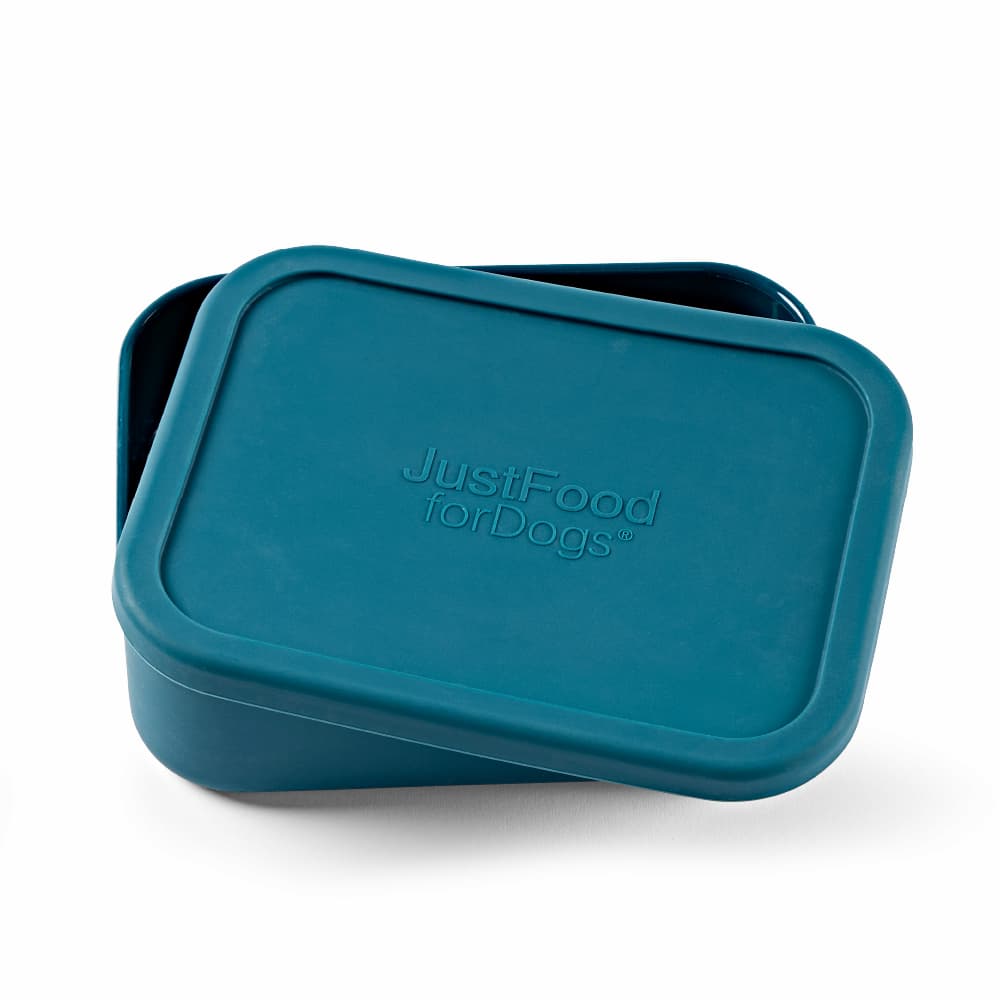
Choosing the right container is a critical part of effective homemade dog food storage. The right materials protect against air exposure, freezer burn, and contamination.
Airtight Glass Containers
Glass containers are non-porous, durable, and easy to sanitize. They don’t absorb odors or stains and are ideal for both refrigeration and freezing (when freezer-safe).
BPA-Free Plastic Containers
Lightweight and convenient, BPA-free plastic containers are a popular choice for pet parents. Look for ones specifically labeled freezer-safe to avoid cracking.
Silicone Freezer Trays
Silicone trays are perfect for portioning homemade meals into single servings. Once frozen, portions can be transferred to larger containers or bags.
Vacuum-Sealed Bags
Vacuum sealing removes air entirely, making these bags one of the most effective ways to preserve freshness and nutrients during freezing. They’re especially useful for long-term storage.
Keep Your Dog’s Meals Fresh With JustFoodForDogs
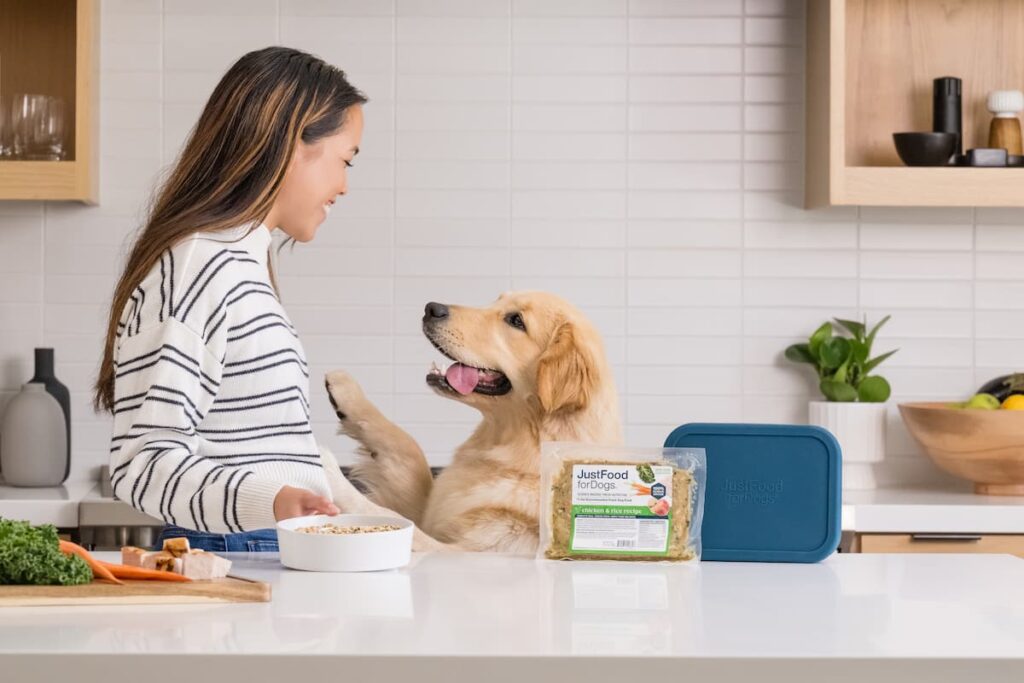
Proper storage plays a huge role in keeping homemade dog food safe, but balanced nutrition starts with high-quality ingredients and expert formulation. One of the biggest challenges of homemade feeding is ensuring meals are nutritionally complete, with the right balance of protein, carbohydrates, fats, vitamins, and minerals like calcium.
JustFoodForDogs helps bridge that gap. Their Fresh Frozen Meals and Shelf-Stable PantryFresh Meals are made with human-grade ingredients and developed by veterinarians and veterinary nutritionists. For pet parents who love cooking, their DIY Homemade Meals and nutrient blends make it easier to create balanced recipes at home without guesswork or nutritional gaps.
By combining smart storage practices with thoughtfully formulated food options, you can confidently feed your dog fresh, safe, and nutritious meals every day.
Final Thoughts
By following these dos and don’ts, understanding how to store homemade dog food, and using the right containers and timeframes, you can confidently serve fresh, safe meals that support your dog’s health without waste or worry.