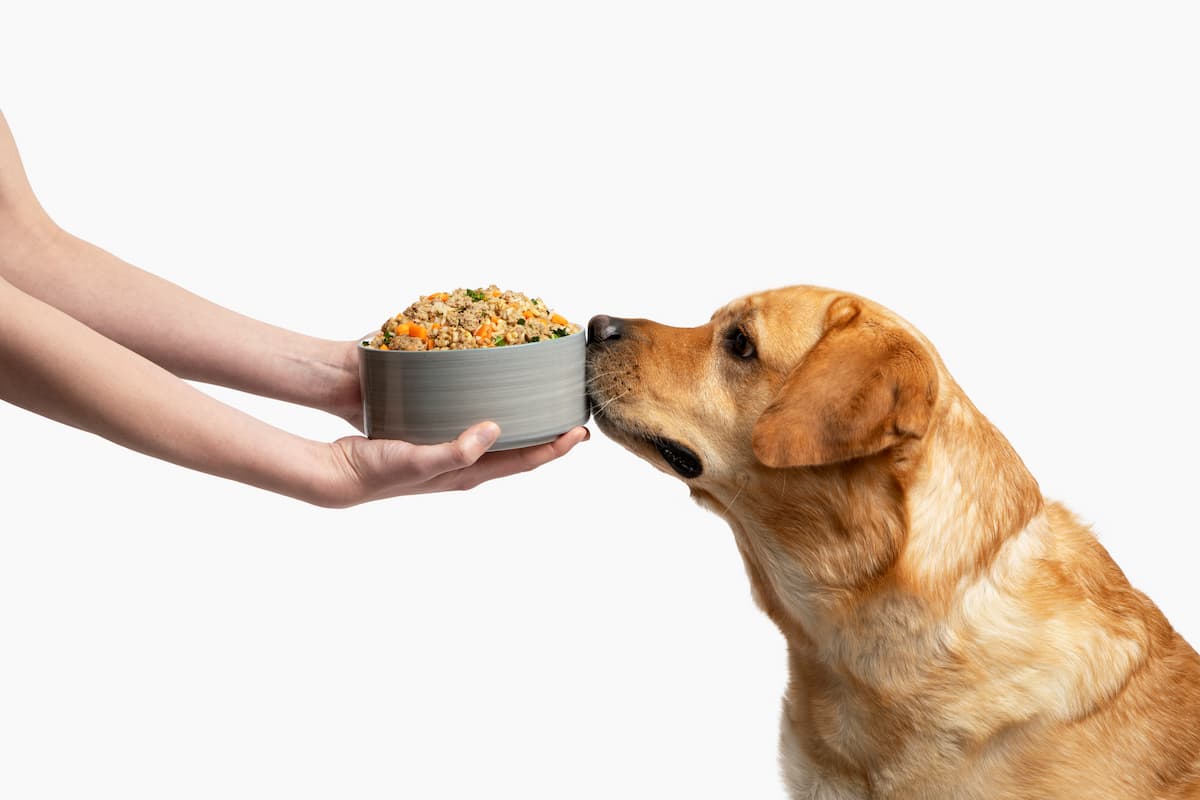
Many pet parents assume dog food lasts indefinitely, especially dry dog food, kibble, or other shelf-stable products that sit quietly in a pantry for months. After all, if a bag looks fine, smells okay, and your dog still wants to eat it, it must be safe… right? In reality, all dog food has a shelf life, and understanding when and how dog food can go bad is an essential part of responsible pet care.
Expiration dates matter not just for obvious food safety reasons, but also for freshness, nutritional value, and your dog’s long-term health. Over time, nutrients degrade, fats oxidize, and moisture or humidity can quietly trigger spoilage. The tricky part is that expired or spoiled dog food doesn’t always look “bad.” There may be no visible mold, no strange odor, and no immediate reaction from your pet, until there is.
This guide takes a practical, safety-first approach. Below, we’ll break down the answers to the following questions: Does dog food expire? How long do different types of pet food last? What signs of bad dog food to watch for? How to store dog food correctly? And how to make smarter choices with freshness in mind? Whether you’re opening a new bag, wondering about unopened food in the closet, or trying to avoid waste, this post is designed to help dog owners protect their pets and feed them with confidence.
Does dog food go bad?
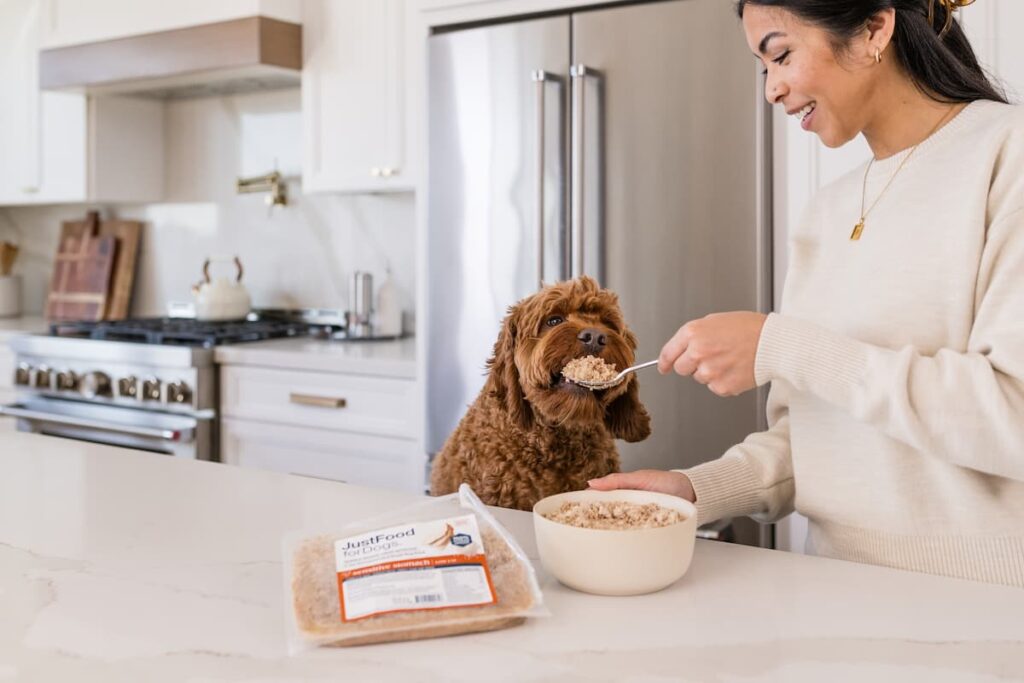
Yes, dog food does expire, even when it’s unopened. While many commercial pet food products are designed for a long shelf life, no dog food lasts forever. The exact timeline depends on the type of food, the packaging, the preservatives used, and how the food is stored.
You’ll typically see one of several dates printed on the food bag, can, or box:
- Expiration date or use by date: Indicates the manufacturer’s recommended cutoff for safety and quality. Feeding after this date is not advised.
- Best by date: Refers primarily to peak freshness and nutritional quality, not an absolute safety deadline.
- Production date: Sometimes used alongside guidance like “best within 12 months of manufacture.”
These dates aren’t arbitrary. Over time, fats can turn rancid, vitamins break down, and essential nutrients degrade. Even if dog food doesn’t appear spoiled, its nutritional value may be significantly reduced, which can impact your pet’s health, especially for dogs relying on complete and balanced meals.
Another key distinction is whether the food is unopened or opened. Unopened dog food generally lasts longer, while opened food is exposed to air, moisture, pests, and bacteria, accelerating spoilage. Once that seal is broken, the clock starts ticking much faster.
How long does dog food last?
So, how long does dog food last in real-world conditions? The answer varies widely depending on the type of dog food and how it’s stored. Below are typical shelf-life ranges to help dog owners make informed decisions.
Dry dog food (kibble)
Dry food and kibble have the longest shelf life of most pet food types, thanks to low moisture levels and added preservatives.
- Unopened: Most dry dog food lasts 12–18 months from the production date if stored properly in a cool, dry place.
- Opened: Once opened, kibble should ideally be used within 4–6 weeks to maintain freshness and nutritional quality.
Exposure to air causes fats to oxidize, leading to stale food, off odors, and nutrient loss. Keeping the food bag sealed tightly or placing it inside an airtight container while retaining the original packaging helps slow this process.
Wet or canned dog food
Wet dog food and canned food have a long unopened shelf life, but spoil quickly once opened.
- Unopened: Canned food often lasts 2–5 years, depending on the brand and preservatives.
- Opened: Once opened, wet food should be refrigerated and used within 2–5 days.
Any can that is swollen, leaking, or damaged should be discarded immediately, even if the date hasn’t passed. These are classic signs of spoilage or bacterial growth.
Fresh or refrigerated dog food
Fresh food products, often minimally processed and made with whole ingredients, have a shorter shelf life.
- Refrigerated: Typically lasts 3–7 days once thawed or opened.
- Frozen: Can last several months when frozen, but should be used shortly after thawing.
Because fresh food lacks heavy preservatives, proper storage and careful handling are critical.
Shelf-stable fresh dog food
Shelf-stable fresh dog food sits between traditional kibble and refrigerated meals.
- Unopened: Depending on the brand, lasts 6–12 months (JFFD Pantry Fresh lasts up to two years).
- Opened: Usually needs refrigeration and should be used within a few days.
These products rely on special packaging rather than preservatives to maintain safety, making it especially important to follow use-by-date instructions.
Signs your dog food has expired
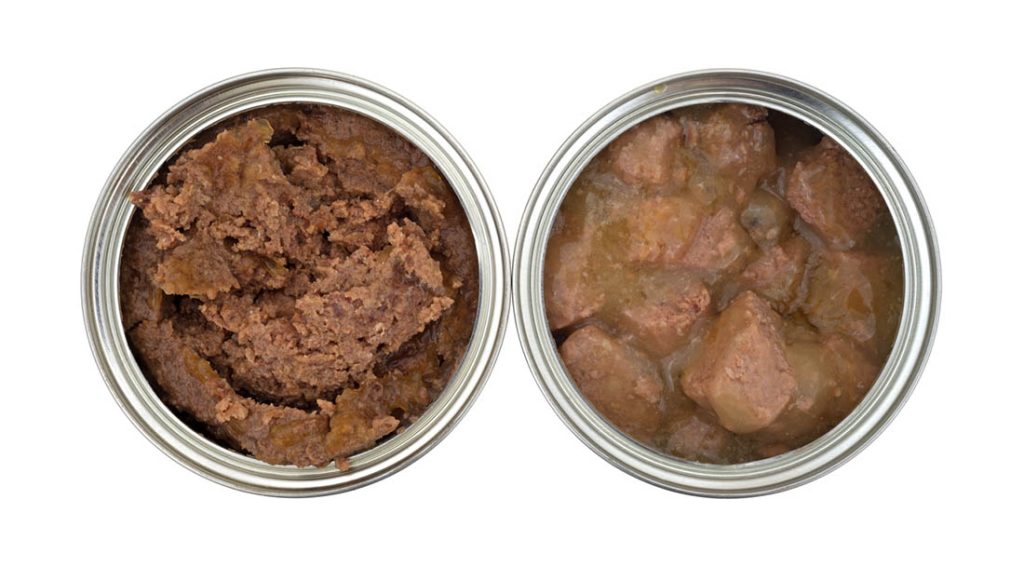
Expired or spoiled dog food doesn’t always announce itself clearly, which is why knowing the warning signs is so important. Watch for the following indicators before feeding:
- Rancid or unusual odor: A sour, chemical, or overly greasy smell can indicate fat oxidation.
- Visible mold or discoloration: Any green, black, or white fuzz is a clear sign to discard the food.
- Changes in texture: Slimy wet food, greasy kibble, or excessively dry and crumbly pieces may signal spoilage.
- Presence of insects or pantry pests: Bugs, larvae, or webbing inside the food bag are serious red flags.
- Excessive powder or crumbling: Kibble breaking down into dust may indicate age or improper storage.
- Dog refusing food they normally eat: Dogs often detect spoilage before humans do.
- Digestive upset after eating: Vomiting, diarrhea, or gas after a meal may point to expired food.
- Swollen, leaking, or damaged packaging: Especially common with canned or wet food and often linked to bacterial activity.
If you notice any of these signs, it’s best to throw the food away rather than risk your pet’s health.
How to store dog food correctly
Proper dog food storage plays a major role in how long food stays fresh and safe. Even the best pet food can spoil quickly if stored incorrectly. Follow these best practices to protect freshness and reduce waste:
- Keep food in its original packaging: The food bag is designed to protect against light and air and includes important expiration date information.
- Use an airtight container: Place the entire bag inside an airtight container rather than dumping food directly into plastic containers.
- Store in a cool, dry place: Heat and humidity accelerate spoilage and nutrient degradation.
- Avoid garages or laundry rooms: These spaces often experience temperature swings and moisture.
- Seal bags tightly after each use: Air exposure speeds up oxidation.
- Refrigerate or freeze fresh food as directed: Follow manufacturer guidelines closely.
- Follow “use within” instructions: Especially important for wet food and fresh meals.
Using smaller bags can also help, as they’re used up faster and reduce prolonged exposure to air.
Choosing dog food with freshness in mind
At the end of the day, all dog food expires. Being mindful of freshness, storage, and handling is just as important as choosing high-quality ingredients. Dog owners may want to consider factors like ingredient transparency, packaging type, storage requirements, and clear expiration and handling guidance when selecting pet food.
Some brands, such as JustFoodForDogs, emphasize clear storage instructions and transparency around freshness, which can make it easier for pet parents to handle food safely without guesswork. Regardless of brand, prioritizing freshness helps ensure your dog gets the nutritional value intended in every meal.
If you’re exploring different feeding options, consider learning more about Shelf-stable Dog Food, Fresh-frozen Dog Food, or Homemade Dog Food to find the right balance of convenience, safety, and nutrition for your pet.
Feed Fresh with JustFoodForDogs
Understanding whether dog food expires isn’t about fear; it’s about informed, thoughtful feeding. By checking dates, watching for signs of spoilage, storing food properly, and choosing products with freshness in mind, dog owners can reduce waste, protect their pets, and feel confident that every meal is as safe and nourishing as intended.