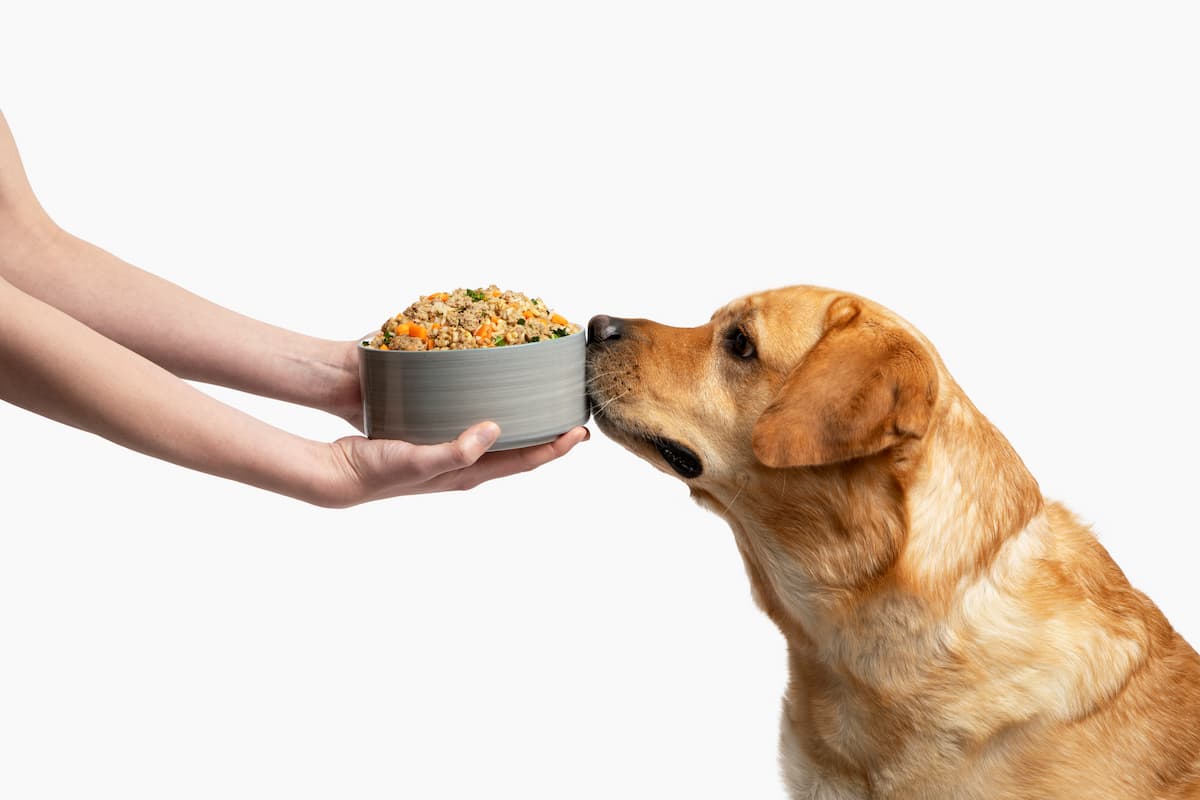
Bringing home a new dog is one of life’s biggest joys. Whether you’ve adopted a playful puppy, rescued an adult dog, or welcomed a senior companion, the excitement of becoming a pet parent is unmatched. But behind every wagging tail and warm cuddle is a set of responsibilities that ensure your dog lives a long, healthy, and happy life.
Understanding how to take care of a dog is not just about feeding and walking; it’s about providing structure, love, safety, and high-quality nutrition from day one.
Preparing properly shapes your dog’s behavior, prevents health issues, reduces stress, and sets you both up for success. This dog care guide covers what dogs need at every life stage, essential dog maintenance, and practical dog care tips supported by trusted references.
How Do You Prepare for Your Dog?
Before you bring a dog home, it’s important to think through what your lifestyle, home environment, and long-term plans look like. Preparation helps ensure your new companion adjusts smoothly and comfortably. Here are key considerations:
Choosing the right breed or size for your home
Dogs vary dramatically in energy level, grooming needs, temperament, and exercise requirements. A high-energy working breed like a Border Collie might thrive in an active household, while a small, calm breed like a French Bulldog might be better suited for apartment living.
Matching your dog’s needs with your daily routine is essential for long-term happiness. That’s why it’s vital to think through your and your family’s needs and lifestyle so you can choose the breed that works best for you.
Preparing the living environment
Before your dog arrives, take time to dog-proof your home. This includes removing hazardous items, securing loose cables, putting away toxic plants, and preparing safe spaces where your dog can sleep and relax. A crate, cozy dog bed, or playpen can provide structure and comfort during the first few weeks.
Researching dog supplies and food
Make sure you have the basics ready: food and water bowls, a collar and leash, grooming tools, toys for mental stimulation, and high-quality dog food. Preparing these in advance helps lower stress for both you and your dog during the transition. It also helps your pup feel like he’s at home.
What About Feeding and Nutrition?
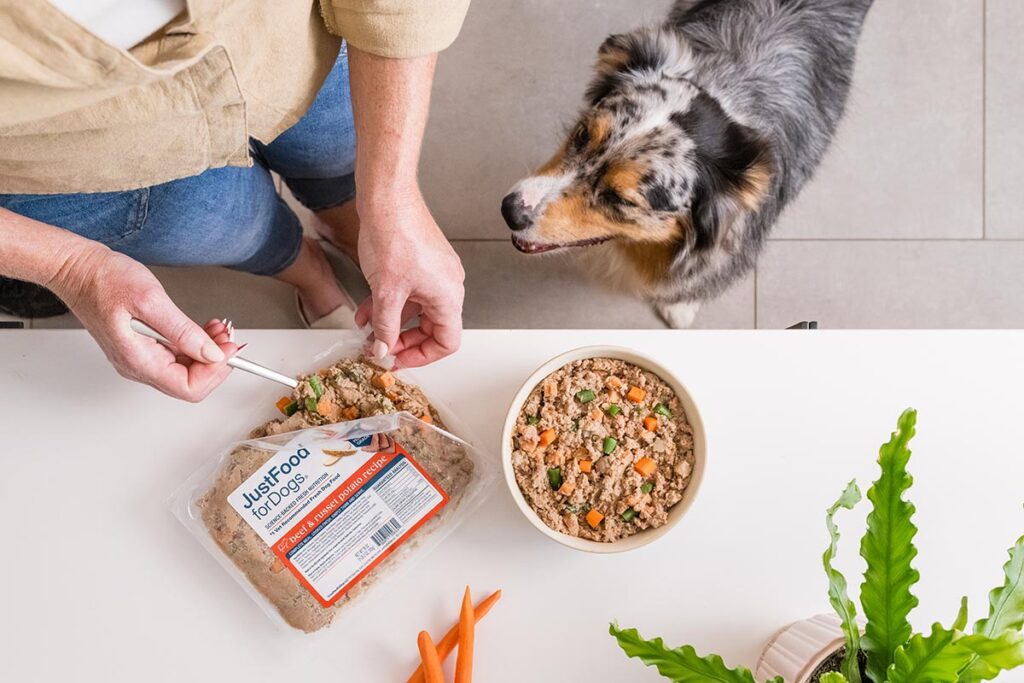
One of the most important aspects of dog maintenance is proper nutrition, but many pet parents find themselves wondering just what do dogs need. Dogs need complete and balanced meals suited to their size, breed, and life stage. Feeding schedules also vary depending on your dog’s age and health status:
- Puppies: 3-4 meals per day
- Adult dogs: 2 meals per day
- Senior dogs: 1-2 smaller, easily digestible meals per day
Beyond the schedule, the type of food you choose affects your dog’s long-term health. Here’s a breakdown of common diet formats:
Dry food
Dry kibble is convenient, easy to store, and widely available. Many pet parents like it for affordability and shelf life, but its quality varies widely. Some kibble formulas may include fillers, artificial preservatives, or lower levels of fresh ingredients.
Wet food
Wet or canned food tends to be more palatable, making it ideal for picky eaters or dogs with dental issues. It contains more moisture, which supports hydration, but can be more expensive and less convenient to store once opened.
Homemade diets
Many dog owners like the idea of fresh, home-prepared food. While homemade meals give you full control over ingredients, they must be carefully formulated. Without veterinary guidance, these diets can easily become unbalanced or nutrient-deficient.
JustFoodForDogs (JFFD) offers an ideal solution for pet parents seeking truly premium nutrition. Their meals, including fresh frozen and shelf-stable options, are vet-formulated, nutritionally complete, and made from whole, recognizable ingredients. This way, you can provide fresh, convenient meals in formats that support your dog’s dietary needs without compromising quality.
What About Health and Veterinary Care?
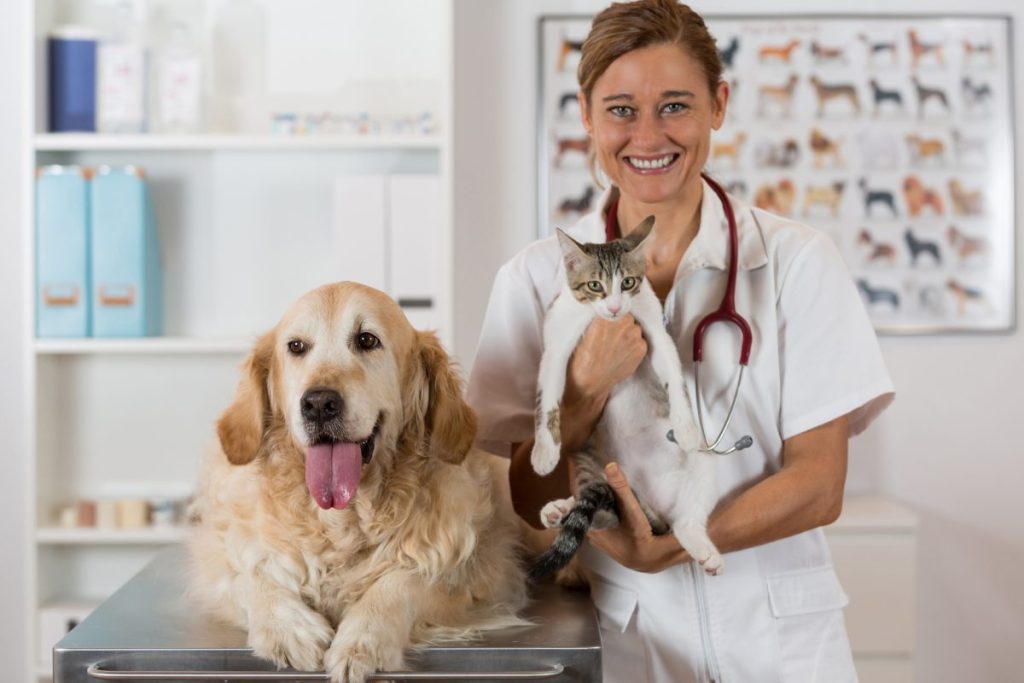
Routine veterinary care is essential for preventing illness and monitoring your dog’s lifelong health. Dogs need annual checkups, core vaccinations, parasite testing, and dental evaluations starting from puppyhood. Staying on top of preventive care may dramatically reduce the risk of long-term health issues.
Here are a few important preventive measures every dog needs:
- Flea and tick control: Parasites can cause irritation, skin problems, and diseases like Lyme disease. Monthly preventives or year-round flea/tick treatments help protect your dog from exposure.
- Dental hygiene and teeth cleaning: Dental health affects your dog’s whole body. Routine brushing, dental chews, and professional cleanings prevent tartar buildup, painful infections, and gum disease.
- Regular weight and mobility monitoring: Dogs can gain weight easily, which strains joints and increases the risk of chronic disease. Regular weight checks and mobility assessments ensure early detection of arthritis, hip issues, or metabolic problems.
Other things you need to consider include the following topics:
Spaying/Neutering
It’s important to plan when to spay or neuter your dog if you don’t plan on breeding them. For most pet parents, it’s important to consult with your vet about when you might want to get this done. This is important for their health as it can prevent illness later in life.
According to the ASPCA, spaying your female dog prevents problems like uterine infections and helps decrease the incidence of breast tumors, which are malignant in about 50% of dogs. Neutering a male dog helps prevent testicular cancer and prostate problems. It also decreases his desire to roam.
Grooming and Hygiene
Grooming is more than a cosmetic routine, but it’s also a vital part of maintaining your dog’s skin health, preventing infections, and reducing shedding. Consistent grooming also helps you detect early signs of skin issues, lumps, or parasites. It’s important, however, to use the proper tools.
Essential Grooming Tools
- Brush or comb suitable for coat type: Long-haired breeds need daily brushing to prevent mats, while short-haired dogs benefit from weekly brushing to reduce shedding and distribute natural oils.
- Dog shampoo: Use a gentle, dog-specific shampoo to maintain skin pH. Human shampoos can cause dryness or irritation.
- Nail clippers or a grinder: Regular trims keep nails from becoming painful or overgrown. Dogs who exercise less or live indoors often need more frequent trimming.
Exercise, Training, and Mental Stimulation
A well-rounded dog care guide must include exercise and training, two pillars of a dog’s physical and psychological health. Dogs require daily movement to maintain muscle tone, manage weight, and release energy. Equally important is mental stimulation, which prevents boredom, anxiety, and destructive behaviors.
Obedience training and socialization help your dog learn good manners, follow commands, and feel comfortable in a variety of environments, building confidence and trust.
Here are helpful training and enrichment ideas:
- Daily walks or runs: These improve physical health and strengthen the bond between you and your dog.
- Fetch or tug-of-war: Simple games that burn energy while sharpening coordination and impulse control.
- Puzzle toys: These challenge your dog’s problem-solving skills and keep them mentally sharp.
- Scent games: Hide treats or toys around the house or yard to engage your dog’s natural sniffing abilities.
What About Building a Strong Bond with Your Dog?

A strong bond with your dog begins with clear, consistent communication. Dogs read body language, tone of voice, and routine to feel secure and connected. The more you understand your dog’s signals, the easier it becomes to guide their behavior and build mutual trust.
Here are ways to nurture a loving bond:
Consistent routines
Dogs thrive on predictability. Feeding, walking, and bedtime routines reduce anxiety and build trust.
Positive reinforcement
Rewarding good behavior with treats, praise, or toys is far more effective than punishment.
Shared activities
Whether it’s hiking, playing, training, or relaxing on the couch, time spent together strengthens your connection.
What About Safety and Long-Term Care?
Part of learning how to take care of a dog is understanding long-term safety and future health considerations. Dogs age faster than humans, and their needs change throughout their lives, so it’s important to consider their age and health status to answer the question of what do dogs need at every stage of life.
Senior dogs may require mobility support, softer bedding, joint supplements, easier exercise routines, and eventually end-of-life planning that prioritizes comfort and dignity.
To keep your dog safe every day, consider essential household safety measures:
- Secure toxic substances and chemicals out of reach: This includes cleaning supplies, medications, certain foods, and dangerous plants.
- Install baby gates or barriers when needed: Helpful for blocking access to stairs, hazardous rooms, or unsafe construction areas.
- Remove dangerous elements like exposed cables or glass: Prevent accidents and injury by keeping spaces clean, clutter-free, and dog-friendly.
Give Your Dog the Nutrition They Deserve
Providing proper care, regular exercise, and lifelong bonding lays the foundation for a thriving dog, but complete, balanced nutrition is at the heart of a healthy, happy life. JustFoodForDogs makes it easy to give your pet premium, veterinarian-formulated meals packed with whole ingredients and tailored to support every life stage.
Their Frozen Meals offer fresh, high-quality nutrition ready to thaw and serve, while their Shelf-Stable Meals deliver the same expertly crafted nutrition with added convenience and portability. No matter which format you choose, JustFoodForDogs ensures your dog gets the nutrients they need without compromise.
Give your dog the best start and the healthiest future. Explore Frozen Meals and Shelf-Stable Meals today and transform your dog’s nutrition with fresh, vet-formulated ingredients.