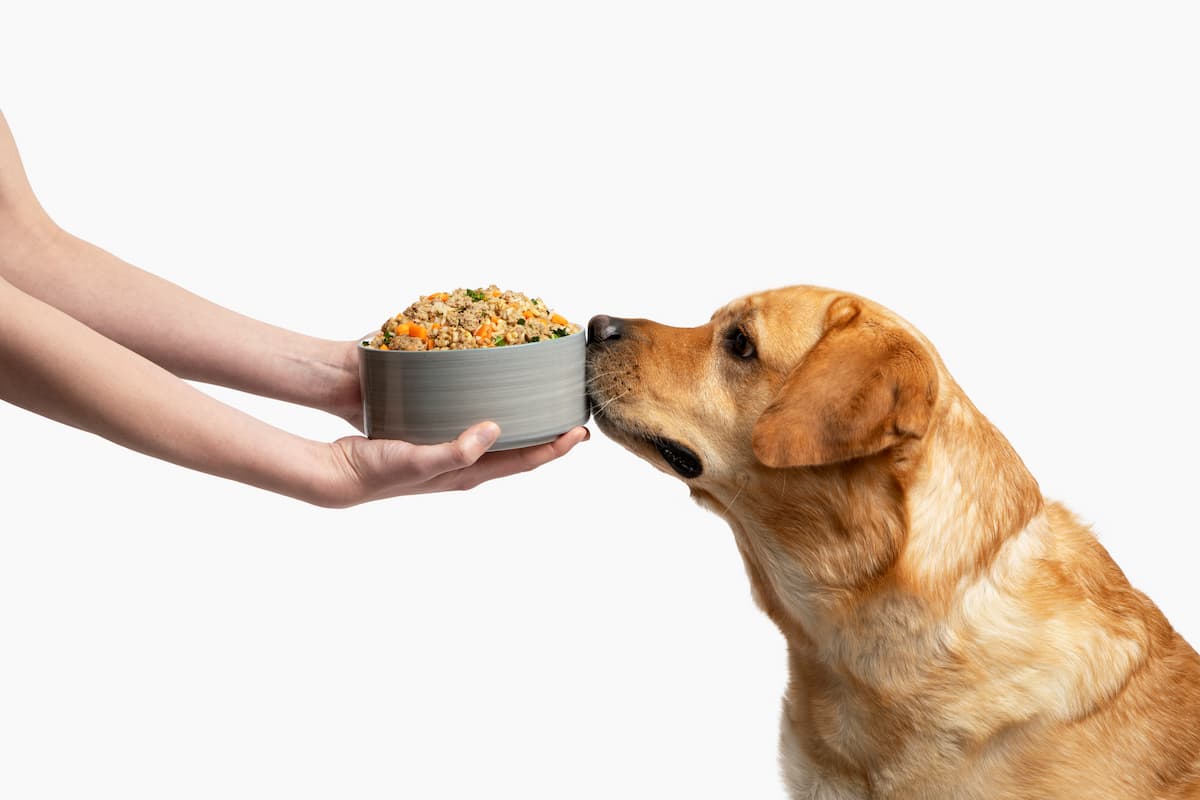
Variety is the spice of life, and dog-safe seasonings let you bring both to your pup’s dish!
While many herbs and spices can add a flavorful, nutritious boost to your dog’s food, others can be toxic. Knowing which ones to add and how to use them as you prepare your dog’s food is key to serving up success in the kitchen.
If you’ve ever wondered, “What seasonings can dogs have?” or “Are spices good for dogs?” this practical dog seasoning guide is for you! Keep reading to discover which herbs and spices are good for dogs and why, which seasonings to avoid, and how these natural additions can support a hearty appetite and overall health.
Which spices are safe and beneficial for dogs?
Used in moderation, spices add novel flavor to dog food and offer mild health benefits. When introducing a spice to your dog’s diet, always start at the low end of the recommended amount and gradually increase.
Our list of what spices are good for dogs includes:
Turmeric
Warm, earthy, and slightly bitter. Turmeric may offer anti-inflammatory, antioxidant, and antimicrobial benefits that support joint and overall health.
- Serve: Grate fresh turmeric, 1/8–1/4 teaspoon per 10 lb body weight.
- Risks: Avoid in dogs with gallbladder issues or kidney stones, or on blood thinners.
Ginger
Warm and mildly spicy-sweet. May help ease nausea, aid digestion and circulation, and promote a healthy inflammatory response.
- Serve: Dried or ground, mixed into food or treats: 1/16 teaspoon (toy breeds), 1/8–¼ teaspoon (small dogs), ¼–½ teaspoon (medium dogs), up to ¾ teaspoon (large dogs); fresh up to ¼–1 teaspoon daily.
- Risks: Too much can cause gas or nausea. Avoid in dogs who have bleeding disorders or gallbladder disease, or who are pregnant or nursing; may interact with medications.
Cinnamon
Sweet and woody with gentle warmth. Supports blood sugar balance and digestion, and may offer antioxidant and antibacterial benefits.
- Serve: Powdered cinnamon is best, but be sure to mix it thoroughly with your dog’s food. Feed 1/8–1/2 teaspoon daily, depending on size.
- Risks: Too much cinnamon can irritate the mouth or stomach.
Parsley (dried)
Fresh, clean, slightly peppery. Helps freshen breath, supports kidneys and urinary health, and provides antioxidants.
- Serve: 1/4 teaspoon dried per 10 lb body weight
- Risks: Avoid in dogs with kidney disease, or who are pregnant, nursing, or on blood thinners.
Fennel (seeds)
Mild, sweet, and licorice-like. Freshens breath, supports digestion, and may have antimicrobial effects.
- Serve: <20 lb: pinch; 20–50 lb: ~1/4 teaspoon; >50 lb: up to 1/2 teaspoon
- Risks: May cause stomach upset. Avoid in pregnant or nursing dogs or those with hormone-sensitive conditions.
Which herbs are safe for dogs?
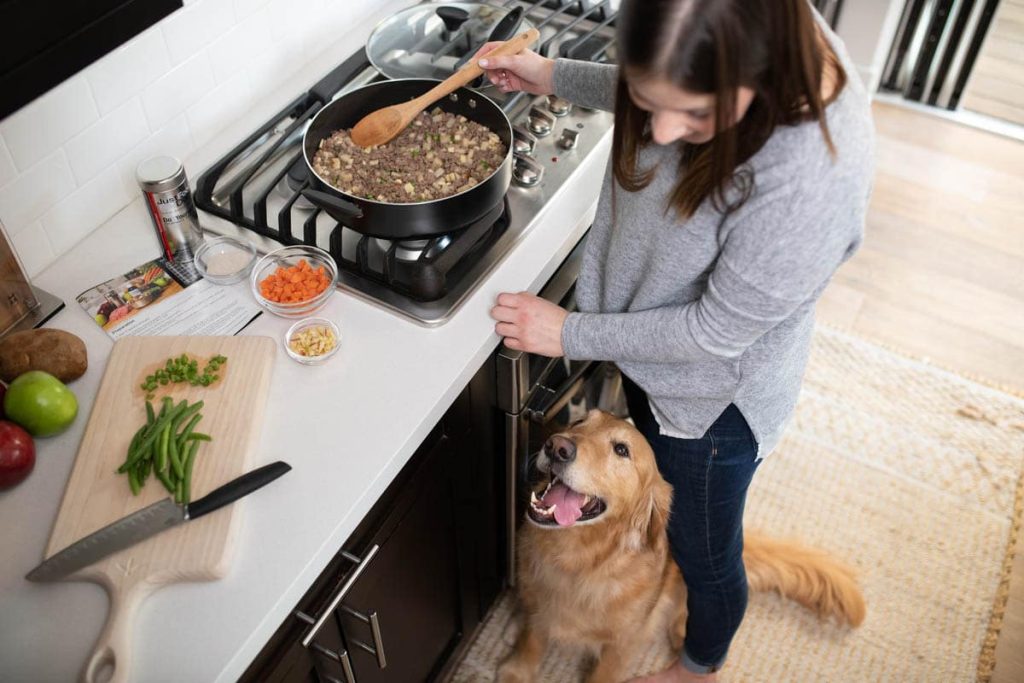
When fed in small quantities, herbs may offer many health benefits for dogs. Our list of what herbs are good for dogs includes:
Basil
Basil provides antioxidants, anti-inflammatory and antimicrobial benefits, plus vitamins K, A, and C.
- Serve: Finely chop a couple of fresh basil leaves or sprinkle ~1/2–1 teaspoon of dried basil into your dog’s food.
- Risks: Too much basil can upset digestion. Monitor your dog, as some can be allergic.
Parsley (fresh)
Curly parsley supports fresh breath, provides vitamins A, C, and K, calcium, and iron, and may support urinary/renal health.
- Serve: Sprinkle ~1/4 teaspoon per 10 lb body weight over food.
- Risks: Too much parsley can cause skin sensitivity or have a diuretic effect. Avoid in pregnant dogs. Avoid Italian parsley.
Oregano
Oregano supports digestion and healthy immunity with antioxidants and antimicrobial and anti-inflammatory properties.
- Serve: Add a pinch (~1/8 teaspoon) of dried oregano over food.
- Risks: Don’t use oregano oil or feed more than 1/8 teaspoon. Avoid in dogs who are pregnant or on blood thinners.
Rosemary
This aromatic herb provides antioxidants, iron, and vitamin B6. Rosemary can support healthy digestion and may have antimicrobial benefits.
- Serve: Finely chop fresh rosemary or use ~1/2 teaspoon dried rosemary for medium dogs. Add to meals or baked treats.
- Risks: Avoid in dogs with seizure disorders. Do not use essential oil versions.
Thyme
Thyme supports immunity and digestion, and provides vitamins A, C, and K, iron, and manganese.
- Serve: Feed 1/2 teaspoon of fresh thyme every few days, or ~1/2 teaspoon dried thyme occasionally, for larger dogs.
- Risks: High amounts can cause GI upset.
Dill
This herb helps alleviate gas and bloating, freshens bad breath, and offers anti-inflammatory and antioxidant support.
- Serve: Add ~1/4 teaspoon dried or 1/4–1 teaspoon fresh (depending on the dog’s size) over meals occasionally.
- Risks: Do not use essential oils. Overfeeding may irritate the digestive tract. Use with caution in pregnant or nursing dogs.
Which spices should dogs avoid?

These spices don’t play nice. Even in small amounts, many are toxic to dogs.
Nutmeg
Nutmeg contains harmful eugenols and myristicin. When ingested by dogs, nutmeg can cause disorientation, rapid heart rate, seizures, and other serious symptoms. Avoid common holiday treats such as pumpkin pie, gingerbread, and other spiced sweets.
Onion Powder
All forms of onion are toxic to dogs and can cause anemia. Onion powder is often found in savory dishes, including soups, gravies, and spice rubs.
Garlic Powder
Like onion powder, garlic powder is considered toxic and can damage red blood cells. Garlic powder is also often found in savory foods and dishes alongside onion powder.
Salt or Seasoned Salt
Too much salt can cause sodium ion poisoning in dogs, which can be fatal. Common sources of salt include processed meats, salted nuts and snack mixes, and French fries.
Cocoa Powder
Dogs can’t metabolize theobromine, a component of cocoa, leading to increased heart rate, tremors, and seizures. Cocoa is likely present in any food or drink containing chocolate.
Which herbs should dogs avoid?
The following herbs can cause serious harm, ranging from digestive upset to toxic, life-threatening effects. Avoid feeding these herbs to your dog and keep herb gardens out of reach.
Chives
Like onions and garlic, chives belong to the Allium family and contain compounds that can cause dangerous anemia. Chives are a common garnish and may be found in herbed butter or spreads.
Bay leaves
Bay leaves contain oils and compounds that can cause digestive issues, breathing difficulties, and intestinal blockages if swallowed whole. They are common in soups, stews, roasts, and marinades.
Lemongrass
Lemongrass can irritate a dog’s stomach or skin. It may be found in teas or grown as a houseplant.
Pennyroyal
Pennyroyal is a member of the mint family and is often found in herbal mint blends. It contains pulegone, a highly toxic compound that can cause severe liver damage, seizures, and other problems when ingested.
Marjoram
Marjoram can affect the digestive system, blood sugar, and heart rate. You’ll find it in poultry seasoning mixes, so don’t share seasoned meats with your pup.
What to know before adding herbs and spices to your dog’s food

Unfamiliar seasonings can be challenging to your dog’s palate and digestive tract. As with any other foods, introduce herbs and spices slowly to ensure they agree with your pet. Always observe your dog’s appetite, behavior, and bowel movements closely for signs of disinterest, discomfort, or distress.
Finally, always consult your veterinarian before introducing new herbs and spices to your dog’s diet. This is especially important for dogs with allergies, sensitive digestion, and those on medication.
Tips for safely adding flavor to your dog’s meals
Before you tie on your chef’s apron and bring out your dog’s bowl, here are a few things to keep in mind.
- Introduce one seasoning at a time: Avoid mixing seasonings, which can make it hard to know which agree with your dog and which don’t.
- Start small: Start with the smallest possible amount and monitor your dog’s reaction over a few days. Increase the amount gradually, as directed, if the seasoning is well tolerated.
- Use single-ingredient forms: Feed fresh whole ingredients or single-ingredient dried powders so you know what your dog is receiving. Higher-quality seasonings will yield better, safer results.
- Avoid salt, sugar, and artificial flavorings: These additives are bad for your dog’s health and can counteract the benefits of dog-safe seasonings.
- Monitor your dog: Digestive upset or other negative changes may mean you’ve given too much, too soon, or that it simply doesn’t agree with your dog.
Enhance your dog’s meals with JustFoodForDogs
Dog-safe seasonings, herbs, and spices may make mealtime more exciting and support nutrient absorption. But even the most well-intentioned home-cooked meals can fall short of providing complete, balanced nutrition.
JustFoodForDogs offers the recipe for success. With a range of fresh, vet-formulated meals made from real, human-grade ingredients, you’ll never have to guess about what your dog eats and whether they’re getting enough of this or need a pinch more of that.
Our DIY homemade meal recipes and supplements deliver complete and balanced nutrition, allowing you to safely create or complement your dog’s meals with simple, natural herbs and spices. View the full range and find your dog’s favorites here!