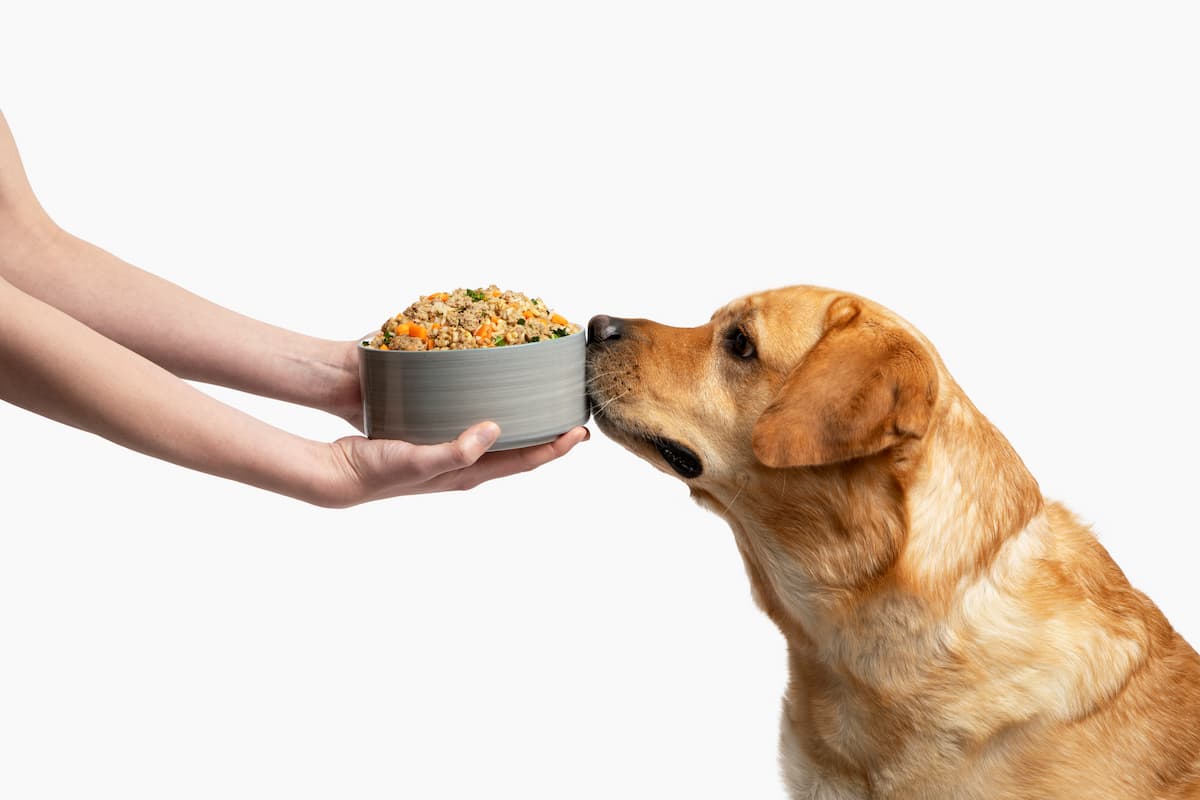
Low-calorie dog treats are specially made rewards and snacks that deliver the same tail-wagging joy as standard treats, but with fewer calories. They’re a healthier alternative for owners who want to reward their dog regularly without disrupting their diet or contributing to unwanted weight gain.
For dogs managing their weight or undergoing frequent training, these treats make a real difference. High-repetition training sessions demand many small rewards, and lighter treats make that possible without blowing past daily calorie intake. Experts recommend treats stay within 10% of an adult dog’s total daily calories — a target that’s far easier to hit when each treat carries a smaller caloric load.
This guide will help you choose low-calorie snacks that balance nutrition, taste, and calorie content, so every treat you give your dog is one you can feel good about.
3 Benefits of low-calorie dog treats
- Helps Control Daily Calorie Intake Low-calorie treats make it easier to stay within the recommended 10% daily treat threshold without having to dramatically limit how often you reward your dog. Each treat carries less caloric weight, giving owners more flexibility while still keeping their dog’s overall diet in check.
- Useful for Training and Frequent Rewards Training sessions often call for rapid, repeated rewards — sometimes dozens within a single session. Healthy low-calorie treats allow owners to reinforce commands and good behavior consistently without the calorie load adding up to a problematic amount by the end of the day.
- Supports Weight Management For dogs that are overweight or prone to weight gain, every calorie counts. Swapping standard treats for lower-calorie alternatives can make a meaningful difference over time, helping dogs reach or maintain a healthy weight without eliminating the rewarding experience of snack time altogether.
Ingredients to look for in low-calorie dog treats
- Lean Proteins Ingredients like chicken, turkey, salmon, or whitefish provide high-quality protein without excessive fat. Lean proteins may help support muscle maintenance and satiety, meaning dogs feel more satisfied with less.
- Vegetable-Based Ingredients Vegetables like sweet potato, carrots, and peas are naturally low in fat and calories while offering fiber, vitamins, and minerals. Treats built around these ingredients tend to have a lighter nutritional footprint, making them a sensible choice for dogs who need frequent rewards without the added caloric burden.
- Limited or Single-Ingredient Recipes Low-calorie dog treats for weight loss with short ingredient lists leave little room for unnecessary fillers, artificial preservatives, or hidden calories. Single-ingredient options in particular give owners full visibility into what their dog is consuming, which is especially useful for managing portion control or identifying the source of a dietary sensitivity.
- 100% Natural Ingredients Treats made without artificial flavors, colors, or chemical preservatives tend to be simpler in composition and easier to evaluate nutritionally. Natural ingredients are generally more bioavailable and less likely to contribute empty calories, making them a preferred choice for owners focused on clean, balanced snacking for their dog.
7 Low-Calorie Dog Treat Options to Consider
What snacks can you safely share with your furry friend?
University of California clinical veterinarian Tami Pierce recommends that you consider healthy people food like fruits and vegetables. “Give them a baby carrot, a green bean, some broccoli,” Pierce says. “Those have virtually no calories, and dogs don’t care if you’re not giving them something meaty and fatty. They just want you to give them something.”
There are several low-calorie fruits and vegetables that are safe for your dog’s health. In small quantities, some of these provide many health benefits. They are excellent sources of vitamins and minerals like calcium, biotin, magnesium, and niacin.
Here are seven other low-calorie dog treat options to consider:
- Freeze-Dried Treats Made by removing moisture from raw ingredients like meat or fish, freeze-dried treats are nutrient-dense, lightweight, and easy to portion. Their shelf-stable nature makes them a convenient option for training on the go.
- Vegetable-Based Treats Naturally low in fat and calories, vegetable-based treats (think sweet potato, carrots, or green beans) are a smart pick for dogs on a weight management plan.
- Single-Ingredient Treats With just one ingredient, like dried chicken or salmon, these treats are ideal for dogs with food sensitivities and give owners full transparency over what their dog is eating. They’re also easy to break into smaller pieces for better portion control.
- Training Treats Tiny, soft, and low in calories, training treats are built for repetitive reward-based sessions where a dog may receive dozens of treats in one sitting. Their small size keeps calorie counts manageable without sacrificing the frequency of rewards.
- Low-Fat Treats Formulated to reduce fat while staying palatable. Look for options that rely on quality protein rather than fillers to compensate for reduced fat.
- Soft Chewy Treats Gentle on teeth and easy to break apart, soft chewy treats are a good fit for senior dogs or those with dental sensitivities. Many come in low-calorie formulas that are flavorful enough to serve as a reliable training reward.
- Crunchy Bite-Sized Treats Easy to handle and satisfying in texture, crunchy treats are a natural grab-and-go reward for everyday moments.
Feeding tips for low-calorie dog treats
These feeding practices can help keep treat consumption balanced as part of a dog’s overall diet.
1. Read the Label
Not all low-calorie treats are created equal. Check the ingredient list for quality protein sources and avoid options loaded with fillers, artificial additives, or added sugars. Pay attention to the calorie count per treat — some “light” options still add up quickly if given in large quantities.
2. Go Natural
Whole-food treats like plain carrots, blueberries, or apple slices are naturally low in calories and free from unnecessary additives. They can be a simple, cost-effective way to supplement packaged treats while keeping your dog’s snack intake clean and straightforward.
3. Tailor Treats for Your Dog’s Needs
A high-energy working dog has different caloric and weight management needs than a sedentary lap dog. Factor in your dog’s age, breed, activity level, and weight when choosing treats and determining how many to give. What works well for one dog may be too much — or too little — for another.
4. Follow Daily Treat Limits
Experts recommend treats make up no more than 10% of an adult dog’s total daily calories. A simple way to stay on track is to measure out your dog’s daily treat allowance in the morning and stick to it throughout the day, adjusting their meal portions if needed.
5. Consider Medical Conditions
Dogs with diabetes, allergies, kidney disease, or weight issues may need treats specifically chosen with their condition in mind. Always consult your veterinarian before introducing new treats if your dog is managing a health condition, as even low-calorie options can interfere with certain dietary requirements.
6. Avoid Excessive Snacking
Treats should complement a dog’s diet, not compete with it. Snacking too frequently — even on low-calorie options — can dull a dog’s appetite for their regular meals and throw off their nutritional balance. Reserve treats for meaningful moments like training, reinforcing good behavior, or the occasional reward.
Make balanced choices part of your routine
Low-calorie dog treats work best as one part of a broader approach to your dog’s health. When small bites are paired with measured meal portions, a nutritionally complete daily diet, and regular physical activity, they can slot comfortably into a routine that keeps your dog satisfied without tipping the calorie balance.
Portion awareness plays a key role. Even small bites can accumulate throughout the day, so being mindful of how often and how much you’re giving matters. Measuring out a daily treat allowance and adjusting meal sizes accordingly helps ensure treats remain a complement to your dog’s diet rather than a disruption to it.
Regular exercise adds another layer of balance. Active dogs have more room in their daily calorie budget for rewards, while less active or older dogs may need stricter limits. Tailoring treat frequency and size to your dog’s actual energy output keeps snacking proportionate to their lifestyle.
Ultimately, choosing the right treats and staying consistent with intake monitoring are simple but meaningful habits. Small, informed decisions — reading labels, sticking to daily limits, and selecting treats with quality ingredients — add up over time and contribute to a healthier, more balanced routine for your dog.
Frequently Asked Questions
Are low-calorie dog treats good for everyday use?
Yes! Low-calorie treats may work well for regular rewards or training when portions are managed appropriately.
What ingredients should I avoid in low-calorie dog treats?
Always review ingredient lists for unnecessary fillers or excessive additives, depending on your dog’s dietary needs. If you go the human food route or make homemade low-calorie dog treats, avoid:
- grapes
- raisins
- avocados (because they contain persin, which is safe for humans but poisonous for dogs)
- xylitol/anything with artificial sweeteners (read your peanut butter label)
- macadamia nuts
- watermelon rind
- onion
- garlic
- foods covered in seasonings
What mistakes should I avoid when giving low-calorie dog treats?
Overfeeding treats. Low-calorie doesn’t mean unlimited. Treats should still make up no more than 10% of your dog’s daily calories — too many of anything throws off their diet.
Ignoring portion sizes. Always check the serving size on the label. A few extra treats per day adds up fast and can quietly lead to weight gain over time.
Trusting marketing claims blindly. Words like “natural” or “guilt-free” aren’t strictly regulated. Always read the actual ingredient list and calorie count rather than relying on front-of-package language.
Forgetting to count treat calories. Treats need to factor into your dog’s daily caloric total, not be added on top of full meals — otherwise even a carefully planned diet gets thrown off balance.
What treats can you give puppies?
Since treats can be important to training, many puppy parents ask, “What kind of treats can I give my puppy?” That depends on the size, age, and perhaps even the breed of your puppy—so always check with your vet first.
Remember that puppies need a lot of nutrients to grow, and they should get most of their calories from meals rather than treats. Nutrition experts from the American Society for the Prevention of Cruelty to Animals recommend that no more than 5% of a puppy’s calories come from treats.
Here are some other puppy treat tips:
- Avoid preservatives, added sugars, and other unnatural ingredients, which can cause digestive issues.
- The teeth of very young puppies are not fully developed, so soft treats are recommended.
- Make sure treats are bite-sized for small mouths to handle.
So, whether your dog is a playful puppy, an active adult, or a stoic senior, treats are a fun part of your dog’s life. Just use common sense and don’t overdo it.