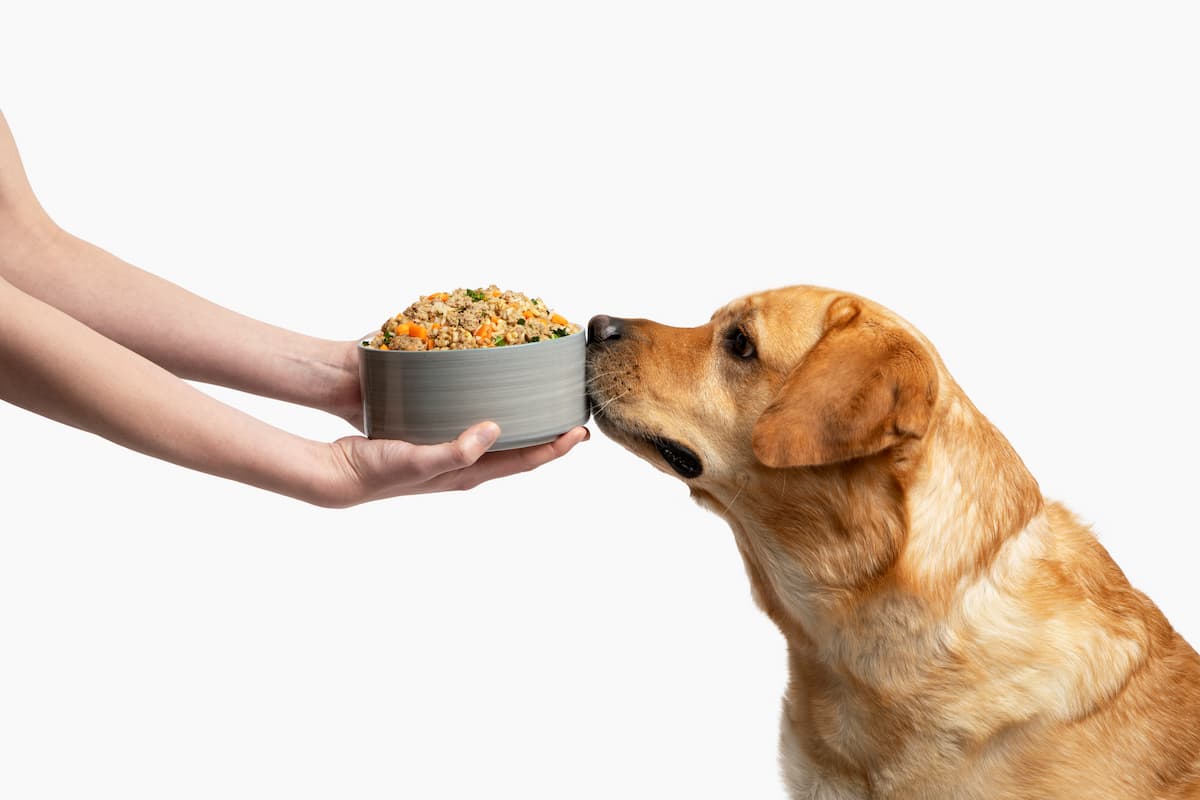
Digestive health plays a central role in a dog’s overall well-being, yet it’s often overlooked until problems arise. From inconsistent stools to gas and sensitive digestion, many common issues trace back to imbalances in the gut. That’s why probiotics for dogs have become such a popular topic among pet owners looking for natural ways to support digestion, immunity, and comfort.
Still, questions remain. What exactly are probiotics? Are natural options effective? And which probiotic foods or supplements are truly safe for dogs? This guide breaks it all down. You’ll learn what are probiotics for dogs, how they differ from prebiotics, how they support gut health, and which natural and prepared options work best for everyday wellness.
Whether you’re managing occasional digestive upset or simply want to support long-term digestive health, we’ll walk you through natural probiotics, dog probiotics, food-based options, and supplements so you can make informed choices for your pet with confidence.
What Are Natural Probiotics for Dogs?
Natural probiotics for dogs are foods or supplements that contain live, beneficial microorganisms. These microorganisms, most commonly helpful strains of bacteria, support the balance of the digestive system by contributing to a diverse and healthy gut environment.
A dog’s digestive tract is home to trillions of bacteria, both good and bad. When these bacteria exist in balance, they help regulate digestion, support nutrient absorption, and promote immune function. When the balance is disrupted by stress, diet changes, illness, or medication, digestive issues such as loose stools or diarrhea may appear.
Natural probiotics supply beneficial bacteria directly to the gut. Many natural sources come from fermented or cultured foods, where bacteria multiply through controlled fermentation. These probiotics support the gut microbiome without relying solely on synthetic additives.
Common probiotic strains found in dog probiotics include:
- Lactobacillus acidophilus
- Bifidobacterium
- Bifidobacterium longum
- Lactobacillus plantarum
- Enterococcus faecium
- Bacillus coagulans
Each strain works slightly differently, but together they help maintain a healthy gut and support daily digestive comfort.
Benefits of Natural Probiotics for Dogs
The benefits of probiotics go beyond just settling an upset stomach. When used consistently and appropriately, probiotics can support multiple systems in a dog’s body, especially digestion and immune health.
Some of the most common benefits include:
- Improved digestion: Probiotics help break down food more efficiently, allowing nutrients to be absorbed properly by the digestive system.
- Support for beneficial gut flora: A balanced population of good bacteria helps crowd out harmful bacteria that can disrupt digestion.
- Better stool quality: Dogs with a healthy gut microbiome often experience more consistent stools and fewer episodes of diarrhea.
- Reduced digestive discomfort: Balanced gut bacteria may help reduce gas, bloating, and irregular bowel movements.
- Immune system support: Because a large portion of the immune system is connected to the intestinal tract, probiotics contribute to everyday immune health.
- Support during stress or diet changes: Travel, boarding, switching dog food, or new routines can impact gut health. Probiotics may help stabilize digestion during transitions.
Rather than acting as a treatment, probiotics support day-to-day wellness and help maintain digestive balance over time.
Probiotics vs. Prebiotics: What’s the Difference?
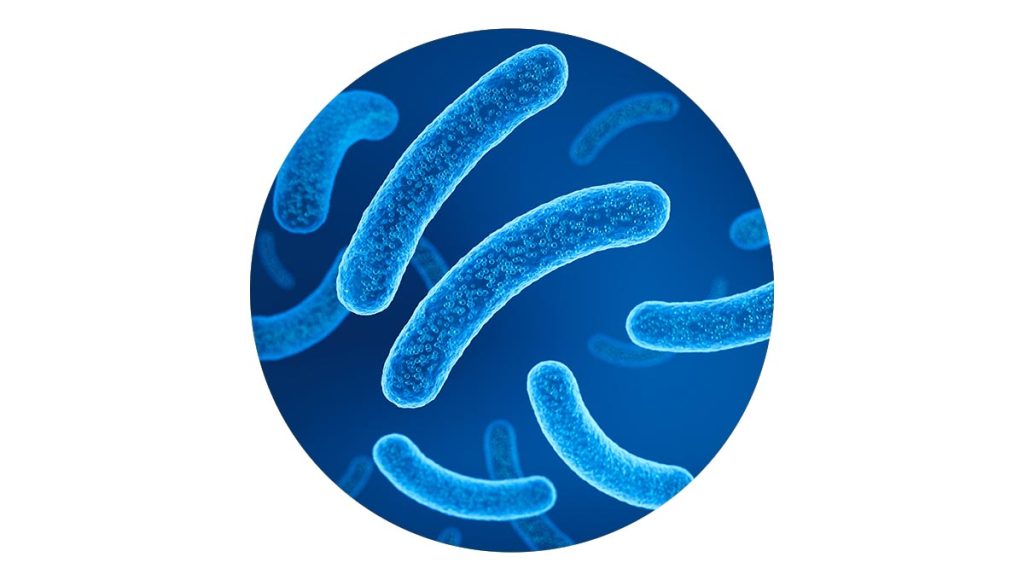
Many pet owners see probiotics and prebiotics mentioned together, but they are not the same thing. Understanding both is essential for supporting long-term gut health.
Probiotics
Probiotics are live microorganisms that add good bacteria directly to the gut. These bacteria help maintain balance in the digestive tract and support digestion, immune function, and gut flora diversity.
Prebiotics
Prebiotics are types of fiber that act as food for beneficial bacteria already living in the gut. They help probiotics survive and multiply, strengthening the gut microbiome.
Together, probiotics and prebiotics work synergistically to promote a healthy gut.
Here’s a simple table for comparison of probiotics and prebiotics:
| Feature | Probiotics | Prebiotics |
| What they are | Live beneficial bacteria | Fiber that feeds good bacteria |
| Main role | Populate the gut with bacteria | Support bacterial growth |
| Found in | Fermented foods, supplements | Fruits, vegetables, plant fibers |
| How they help | Add microbes | Strengthen microbes |
What Are the Best Probiotics for Dogs?

The best probiotics for dogs depend on your dog’s diet, tolerance, and lifestyle. There are three main categories to consider.
Naturally Fermented Foods
Certain fermented foods can provide live bacteria and support digestion when prepared correctly. They include:
- Yogurt: Plain yogurt with live cultures is one of the most common natural probiotics. It contains strains like Lactobacillus acidophilus. Always avoid flavored yogurt or products with added sugar or artificial sweeteners.
- Kefir: Kefir contains diverse bacteria and yeast strains and may be easier to digest than milk-based products.
- Cottage cheese: In small amounts, it can offer probiotics and protein, but may not suit dogs with dairy sensitivities.
- Fermented fruits and vegetables: Fermented blueberries or bananas can provide probiotics along with fiber and nutrients, though preparation must be precise and portions small.
Risk considerations: Not all dogs tolerate dairy. Fermented foods must be free of salt, onions, garlic, and spices. When in doubt, consult your vet before feeding.
Probiotic-Enriched Treats or Supplements
Many pet owners prefer a consistent, measured approach using a probiotic supplement. These products provide known bacterial strains in controlled amounts.
- JustFoodForDogs Probiotic Soft Chews: These chews deliver dog-specific probiotics in an easy-to-feed format that supports digestive health.
- JustFoodForDogs Gut-Friendly Favorites Bundle: This bundle combines probiotics with complementary products designed to support the digestive system naturally.
Supplements may come as chews or probiotic powder that can be mixed into meals.
Dog Food With Probiotics
Some fresh or gently cooked dog food options include added probiotics or ingredients that support gut flora. Choosing dog food formulated with probiotics can be a convenient way to promote digestive health without additional supplements.
JustFoodForDogs offers food, chews, and supplements designed to work together, making it simple to support gut health as part of a complete diet.
What to Consider Before Giving Your Dog Probiotics
Every dog is different. Age, breed, allergies, and digestive sensitivity all influence how a dog responds to probiotics.
Before introducing probiotics, consider:
- Whether your dog has a history of digestive issues or allergies
- If your dog is a puppy, a senior, or on medication
- Whether the probiotic source includes dairy, fiber, or fermentable ingredients
A veterinarian or trusted vet should always be consulted before adding probiotics, especially for puppies or dogs with ongoing digestive or intestinal concerns. While probiotics are generally considered beneficial, improper use may worsen certain conditions.
Keep Your Dog’s Tummy Happy With JustFoodForDogs
Natural probiotics can support digestion and immune health, but they work best when combined with complete, balanced nutrition. A healthy gut depends on more than bacteria; it requires high-quality nutrients, carefully formulated meals, and consistency. By understanding probiotics for dogs, comparing natural foods and supplements, and prioritizing balanced nutrition, pet owners can confidently support gut health, digestion, and overall wellness throughout every stage of their dog’s life.
JustFoodForDogs makes it easier for pet owners to support digestive health with fresh dog food, probiotic chews, and supplements designed specifically for canine needs. These products help incorporate probiotics naturally alongside balanced diets.
Explore DIY Homemade Meals and Supplements from JustFoodForDogs to give your pet the digestive support they deserve while maintaining nutritional balance.
FAQ
Dogs experiencing loose stools, irregular bowel movements, gas, or digestive discomfort during stress or diet changes may benefit from probiotics.
Human probiotics are not ideal for dogs. Canine probiotics contain strains like Bifidobacterium and Enterococcus faecium that are better suited for canine digestive systems.
Start slowly. Introduce small amounts and monitor digestion over several days before increasing dosage.
Puppies can benefit from probiotics, but it’s especially important to consult a veterinarian first to ensure appropriate strains and dosage.
Sources
Yang Q, Wu Z. Gut Probiotics and Health of Dogs and Cats: Benefits, Applications, and Underlying Mechanisms. Microorganisms. 2023 Sep 29;11(10):2452. doi: 10.3390/microorganisms11102452. PMID: 37894110; PMCID: PMC10609632.
Jugan, Maria C., Adam J. Rudinsky, Valerie J. Parker, and Chen Gilor. 2017. “Use of Probiotics in Small Animal Veterinary Medicine.” Journal of the American Veterinary Medical Association 250 (5): 519–28. https://doi.org/10.2460/javma.250.5.519.
Biourge, Vincent, ValletCéline, Anne Levesque, Renaud Sergheraert, ChevalierStéphane, and Jean-Luc Roberton. 1998. “The Use of Probiotics in the Diet of Dogs.” The Journal of Nutrition 128 (12): 2730S2732S. https://doi.org/10.1093/jn/128.12.2730S.
This content is for informational use only and does not replace professional nutrition and/or medical advice, diagnosis, or treatment. It is not a substitute for and should not be relied upon for specific nutrition and/or medical recommendations. Please talk with your veterinarian about any questions or concerns.