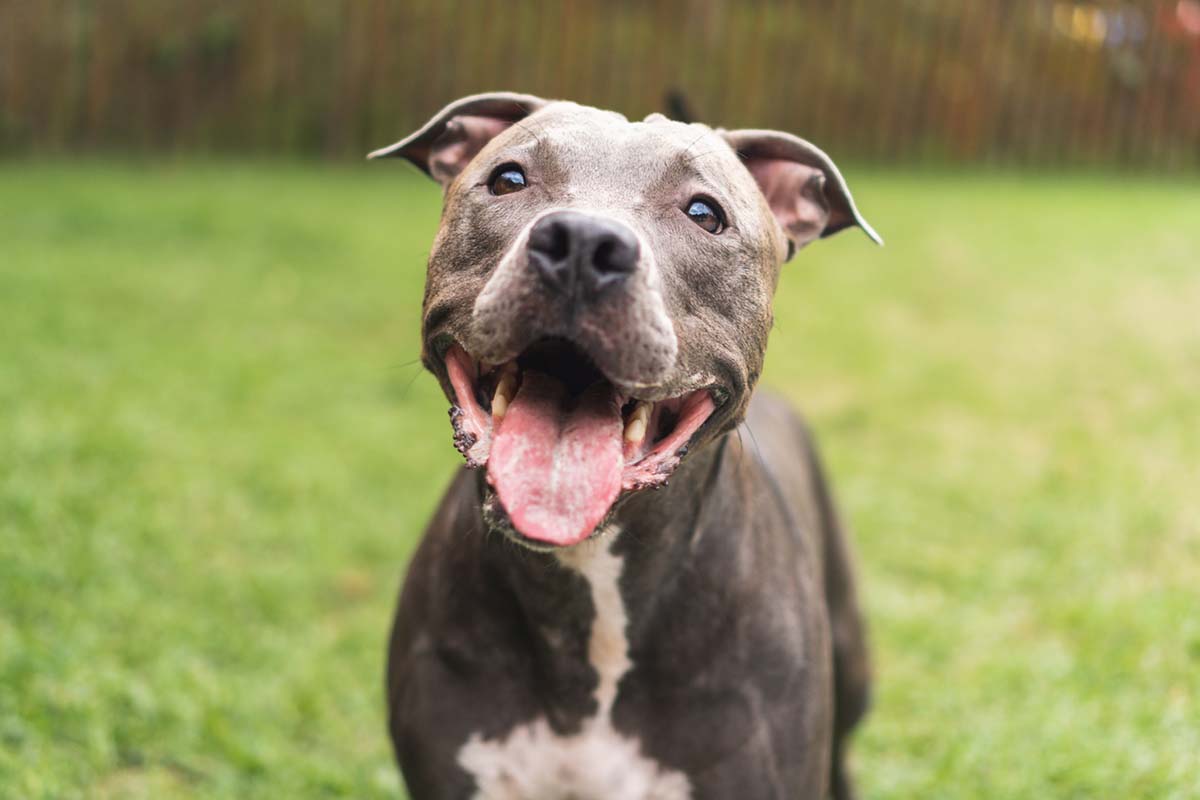
Skin problems are among the most common reasons pet parents bring their dogs to the vet. “The skin is the largest organ for dogs,” says in-house veterinarian Vincent Michels, DVM, “acting as a physical and chemical barrier against the environment.”
As the body’s largest organ, skin serves as a critical first line of defense against infections, parasites, and environmental stressors. When something is off on the inside, it often shows up on the outside first.
This guide is designed to help pet parents navigate the world of canine skin health with confidence. You’ll learn how to recognize the most common signs of skin trouble, understand what’s causing them, and know when it’s time to call your vet. We’ll also cover supportive steps you can take at home to keep your dog comfortable (though home care works best alongside a proper veterinary diagnosis, not in place of one).
Symptoms of dog skin problems

Here are common symptoms of dog skin problems to watch for:
- Itching and scratching — One of the most telling signs of a skin issue.
- Licking and chewing paws — Dogs lick or chew their paws in response to irritation, which may stem from allergies, yeast infections, or contact with irritants like lawn chemicals.
- Redness and inflammation — Indicates the body is reacting to something, whether it’s an allergen, infection, insect bite, or autoimmune response.
- Scales, flakes, and dandruff — May be a sign of poor nutrition, low humidity, parasites, hypothyroidism, or seborrhea.
- Unusual odor — A strong, musty, or “corn chip” smell coming from the skin or ears frequently may indicate a bacterial or yeast infection.
- Hair loss and bald patches — Alopecia in dogs may result from mange, ringworm, hormonal imbalances like Cushing’s disease, or compulsive self-grooming.
- Scabs, crusts, bumps, and pustules — Small raised bumps (papules) or pus-filled pustules are hallmarks of bacterial skin infections (pyoderma).
- Oozing sores and moist lesions — These are intensely itchy and painful, and can grow significantly in size. Moisture, heat, and bacteria create a cycle that makes these lesions difficult to resolve without treatment.
- Discoloration and hyperpigmentation — Darkening of the skin (hyperpigmentation) often develops in areas subjected to chronic inflammation or irritation.
- Thickened or elephant-like skin (lichenification) — When skin is chronically inflamed, it can become thick, rough, and leathery in texture.May indicate a long-standing, undertreated condition that needs veterinary intervention.
If your dog shows any combination of these symptoms, a visit to the vet is the best first step.
10 Common Dog Skin Conditions

There are many reasons your dog might have skin trouble, and identifying the root cause is essential before attempting any treatment. Below are ten of the most common canine skin conditions — what they are, what causes them, what to look for, and how vets typically approach them.
1. Allergic dermatitis (environmental and contact)
Allergic dermatitis occurs when the immune system overreacts to something inhaled (pollen, mold, dust mites) or touched (grass, cleaning products, certain fabrics). It’s one of the most frequently diagnosed skin conditions in itchy dogs.
Signs: Persistent itching, redness, inflamed skin, excessive licking, and recurrent ear infections — most often on the paws, belly, armpits, and around the face.
What vets typically do: Allergy testing to pinpoint triggers, followed by treatment with antihistamines, steroids, immunotherapy, or targeted medications like Apoquel or Cytopoint.
2. Hot spots (acute moist dermatitis)
Hot spots, or acute moist dermatitis, are inflamed, red, and moist areas of skin that develop due to excessive scratching, licking, or chewing.
Signs: A clearly defined area of red, moist, raw, or oozing skin with hair loss — most common on the head, neck, hips, and base of the tail.
What vets typically do: Clip and clean the area to allow airflow, then prescribe topical or oral antibiotics, anti-inflammatories, and an e-collar to stop further licking.
3. Mites/mange (sarcoptic vs demodectic)
Mange is a skin disease caused by mites and is classified into two main types:
- Sarcoptic mange: Highly contagious, causes intense itching, licking, and hair loss.
- Demodectic mange: Caused by Demodex mites, often found on the skin naturally but can cause issues if the immune system is compromised.
Signs: Sarcoptic: relentless itching, licking, crusty ear edges, widespread hair loss. Demodectic: patchy hair loss and scaling, often with minimal itching.
What vets typically do: Confirm mites with a skin scraping, then treat with medicated dips, topical treatments, or oral antiparasitic medications.
4. Food Allergy
True food allergies occur when the immune system flags a specific ingredient as a threat, triggering skin problems rather than just digestive upset.
Signs: Year-round itching and licking (rather than seasonal), recurring ear infections, and rashes on the belly, paws, and face.
What vets typically do: An elimination diet trial of 8 to 12 weeks to identify the culprit, followed by permanent avoidance of that ingredient.
5. Flea Allergy Dermatitis (FAD)
Fleas are the most common allergic skin condition in dogs worldwide. It’s triggered by flea saliva, not the flea itself.
Signs: Intense itching, licking, hair loss, red bumps, and raw or thickened skin, especially around the base of the tail, lower back, and inner thighs.
What vets typically do: Strict year-round flea control for all pets in the household, plus short-term anti-itch medications to break the itch-scratch cycle.
6. Yeast Infections
Yeast infections often produce a strong odor and can cause itching, redness, and a greasy or waxy texture on the affected skin. T
Signs: A musty or “corn chip” odor, greasy or waxy skin, intense itching, redness, and darkened or thickened skin, often in the ears, paws, groin, and skin folds.
What vets typically do: Confirm with skin cytology, then treat with antifungal shampoos, medicated ear cleaners, and oral antifungals in more severe cases.
7. Bacterial skin Infections (including folliculitis)
Bacterial infections (pyoderma) most often develop as a secondary complication of allergies, wounds, or hormonal imbalances. Folliculitis (infection of the hair follicles) is one of the most common forms.
Signs: Pustules, red or crusty bumps, circular patches of hair loss, and oozing sores, typically on the belly, groin, and armpits.
What vets typically do: Skin cytology or culture to identify the bacteria, followed by oral antibiotics and medicated shampoos — plus treatment of any underlying cause to prevent recurrence.
8. Ringworm
Ringworm is a fungal infection caused by dermatophytes that feed on keratin in the skin and hair. It’s contagious to other pets and to people, making prompt treatment important.
Signs: Ringworm causes circular patches of hair loss with scaly or crusty edges, commonly on the face, ears, and paws. Lesions may or may not be itchy.
What vets typically do: They diagnose ringworm via fungal culture or Wood’s lamp exam, then treat ringworm with antifungal shampoos and oral medications.
9. Seborrhea and dandruff
Seborrhea involves abnormal oil production and skin cell shedding, resulting in either dry, flaky skin or greasy, oily skin (sometimes both).
Signs: Visible flakes, greasy or dull coat, noticeable odor, and mild itching often along the back, flanks, and ears.
What vets typically do: Address any underlying cause first, then manage symptoms with medicated shampoos and omega-3 fatty acid supplementation.
10. Autoimmune Skin Diseases
Autoimmune skin diseases such as lupus are rare but serious conditions where the immune system attacks the dog’s own skin.
Signs: Crusty or pus-filled lesions, ulcerations, swollen paw pads, and hair loss — typically starting on the face, ears, and nose bridge. Symptoms like lethargy or fever may also be present.
What vets typically do: A skin biopsy is usually needed to confirm diagnosis. Treatment involves long-term immunosuppressive medications. These conditions are typically managed rather than cured.
7 Tips to Treat and Manage Dog Skin Conditions

- Groom Regularly: Regular brushing helps distribute natural oils across your dog’s skin, removes dead fur, and allows you to check for any signs of irritation or parasites.
- Bathe Carefully: Overbathing can strip the skin of natural oils, leading to dryness. Use a gentle, moisturizing dog shampoo suited to your dog’s skin type, and bathe only as necessary.
- Balanced Diet: High-quality, nutrient-rich food is essential for a healthy coat. Look for diets that contain omega-3 and omega-6 fatty acids, which promote skin health and a shiny coat.
- Prevent Parasites: Use vet-approved flea, tick, and mite preventatives to avoid infestations that can lead to skin irritation and infections.
- Watch for Environmental Triggers: Be mindful of seasonal allergens, household cleaning products, and other factors that may trigger licking or reactions in sensitive dogs.
- Consult Your Vet: Regular check-ups can catch skin problems early before they become severe.
How are Dog Skin Problems Treated?

1. Topical Treatments
Topical treatments with specialized skin care products for skin conditions are effective and widely used. These include:
- Medicated Shampoos: Shampoos with ingredients like chlorhexidine, benzoyl peroxide, or salicylic acid can help manage bacterial infections, seborrhea, and excessive oil or dandruff.
- Ointments and Creams: These are often used for smaller areas of inflammation or skin infection, such as hot spots. Antibiotic ointments are applied to prevent bacterial infection. Corticosteroid creams may reduce inflammation and itching. For yeast infections, anti-fungal creams are often prescribed.
- Sprays: Topical sprays can be an alternative for dogs who dislike creams or lotions. Anti-itch sprays with hydrocortisone or lidocaine help alleviate itching and soothe irritated skin.
Always consult your vet before starting a new topical treatment, as certain ingredients can be toxic if ingested.
2. Oral Medications
Some skin problems, like ringworm or staph, require oral medications, especially when the issue is widespread or when topical treatments alone are ineffective.
- Antibiotics: For bacterial infections, your vet may prescribe oral antibiotics. These help treat and prevent secondary infections that arise from excessive scratching or open wounds.
- Anti-fungal medications: For systemic yeast infections or severe cases, your vet may prescribe oral anti-fungal medications.
- Anti-allergy medications: For dogs with allergies, antihistamines (like diphenhydramine or cetirizine) may reduce symptoms. More severe allergic dermatitis might require immunosuppressive drugs or corticosteroids.
- Anti-inflammatory drugs: Anti-inflammatories help reduce inflammation and alleviate itching.
3. Dietary Adjustments and Supplements
Dietary changes play a role in managing skin conditions related to food allergies or nutrient deficiencies.
- Hypoallergenic diets: These diets eliminate common allergens, such as chicken, beef, dairy, or grains. Novel protein diets or hydrolyzed protein diets may help.
- Supplements: Omega-3 and omega-6 fatty acids are beneficial for skin health and are in salmon oil and other fish oils, as well as flaxseed oil and algae oil supplements.
- Probiotics: Some vets recommend probiotics for dogs with recurrent infections or allergies, as a healthy gut microbiome can influence skin health.
4. Preventive Measures
Preventing skin problems can reduce the frequency and severity of outbreaks.
- Regular Grooming: Brushing, bathing, and inspecting your dog’s coat helps prevent issues like mats and parasites.
- Flea and Tick Control: Monthly flea and tick preventatives prevent infestations that lead to itching, hot spots, and infections.
- Environmental Management: Avoiding allergens or frequenting areas free from known irritants can reduce reactions in allergy-prone dogs.
For severe cases, a combination of these treatments may be necessary. Consistent follow-up with a veterinarian is essential to monitor progress and adjust treatments as needed.
Support skin health with a complete nutrition plan
Caring for your dog’s skin is about staying proactive. Regular grooming, routine vet checkups, and prompt attention to early warning signs can go a long way.
While most skin conditions or skin diseases require proper veterinary diagnosis and treatment, nutrition can play a meaningful supporting role. A balanced diet rich in essential fatty acids, quality protein, and key micronutrients helps maintain the skin’s natural barrier and supports a healthy immune response. For dogs with recurring skin issues or skin infections, talk to your vet about their current diet and supplements. Unidentified food sensitivities or subtle nutrient gaps are sometimes a contributing factor, and the right dietary adjustments can make a real difference in your dog’s day-to-day comfort.
Citations
Moriello, Karen A. 2019. “Acanthosis Nigricans.” Merck Veterinary Manual. November 21, 2019. https://www.merckvetmanual.com/integumentary-system/acanthosis-nigricans/acanthosis-nigricans.
“Beauty Isn’t Even Skin Deep: New Study from the Royal Veterinary College Finds That Flat-Faced Dogs Are at the Highest Risk of Skin Fold Dermatitis.” n.d. Www.rvc.ac.uk. https://www.rvc.ac.uk/vetcompass/news/beauty-isn-t-even-skin-deep-new-study-from-the-rvc-finds-that-flat-faced-dogs-are-at-the-highest-risk-of-skin-fold-dermatitis.
Shaw, Stephen C., James L. N. Wood, Julia Freeman, Janet D. Littlewood, and Duncan Hannant. 2004. “Estimation of Heritability of Atopic Dermatitis in Labrador and Golden Retrievers.” American Journal of Veterinary Research 65 (7): 1014–20. https://doi.org/10.2460/ajvr.2004.65.1014.
Scott, Danny W., and William H. Miller. 1989. “Epidermal Dysplasia and Malassezia Pachydermatis Infection in West Highland White Terriers.” Veterinary Dermatology 1 (1): 25–36. https://doi.org/10.1111/j.1365-3164.1990.tb00072.x.
Miller, M A, and R W Dunstan. 1993. “Seasonal Flank Alopecia in Boxers and Airedale Terriers: 24 Cases (1985-1992).” Journal of the American Veterinary Medical Association 203 (11): 1567–72. https://pubmed.ncbi.nlm.nih.gov/8288480/.
Hernblad Tevell, Elisabeth, Kerstin Bergvall, and Agneta Egenvall. 2008. “Sebaceous Adenitis in Swedish Dogs, a Retrospective Study of 104 Cases.” Acta Veterinaria Scandinavica 50 (1). https://doi.org/10.1186/1751-0147-50-11.
“The Importance of Your Pets Skin and Coat and the Role of Diet | VCA Animal Hospitals.” n.d. Vcahospitals.com. https://vcahospitals.com/know-your-pet/the-importance-of-your-pets-skin-and-coat-and-the-role-of-diet.
Scott, D W, H Miller, G A Reinhart, H O Mohammed, and M S Bagladi. 1997. “Effect of an Omega-3/Omega-6 Fatty Acid-Containing Commercial Lamb and Rice Diet on Pruritus in Atopic Dogs: Results of a Single-Blinded Study.” Canadian Journal of Veterinary Research 61 (2): 145. https://pmc.ncbi.nlm.nih.gov/articles/PMC1189391/.