
You let your dog outside for a quick walk, and the moment they come back in, they’re already scratching, licking their paws, or rubbing their face along the carpet. It’s frustrating to watch, and it’s one of the most common scenarios that sends pet parents searching for answers.
Grass allergies rank among the most widespread environmental allergies dogs face, affecting millions of pets each year. The good news is that once you understand what’s driving the reaction, you have real options. Let’s talk about what causes grass allergies in dogs, how to recognize the symptoms, and what you can do to help your dog find lasting relief.
What Are Grass Allergies in Dogs?
Grass allergies in dogs aren’t actually triggered by the grass blades themselves; they’re triggered by grass pollen proteins. When a sensitive dog encounters these proteins, their immune system treats them as a threat and mounts an inflammatory response. That overreaction is what produces the itching, redness, and irritation pet owners see.
One important distinction: because pollen is airborne, dogs don’t need to roll around in a field to be affected. Simply walking through a yard, sniffing near a lawn, or even being near an open window during high pollen counts can trigger symptoms in a dog with grass allergies. Symptoms often follow seasonal patterns, peaking in spring and fall when grass pollen levels are highest, though dogs in warmer climates may deal with flare-ups nearly year-round.
Signs of Grass Allergies in Dogs
Grass allergy symptoms can range from mildly annoying to significantly disruptive to a dog’s quality of life. Here are the most common signs to watch for:
Persistent Itching and Scratching
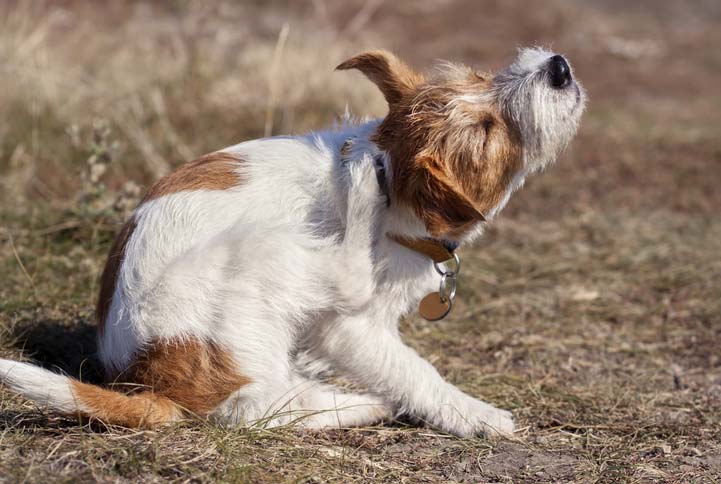
Itching is the hallmark symptom of a grass allergy. Dogs with grass allergies often scratch at their face, ears, armpits, and groin, areas where allergens tend to accumulate, and the skin is thinner. If your dog seems itchy shortly after outdoor time and the scratching is frequent or intense, that pattern is worth noting.
Excessive Paw Licking or Chewing
Paws are a primary contact point with grass pollen and absorb allergens readily. Licking, chewing, or biting at the paws, especially between the toes, is a telltale sign of a grass allergy reaction. Over time, this repeated moisture can cause the skin to become inflamed, darkened, or raw.
Redness, Rashes, or Bumps on the Skin
A grass rash on a dog’s belly is one of the more visible signs of an allergic reaction, since the belly is in direct contact with grass during outdoor time. Symptoms include grass allergy bumps on dogs, redness, hives, or general skin irritation, particularly on the paws, groin, belly, and inner thighs. These areas tend to show dermatitis most prominently, as these pictures of dogs with grass allergies show.
Hair Loss
Chronic itching and scratching can lead to secondary hair loss. When dogs scratch or bite at the same spots repeatedly, they can damage the fur and skin beneath it, creating thinning patches or bald spots over time.
Recurring Ear or Skin Infections
Allergic inflammation disrupts the skin barrier, making it easier for yeast infections and bacterial infections to take hold. Dogs with grass allergies often develop chronic ear infections or skin infections that keep returning because the underlying allergy is never fully controlled.
Watery Eyes and Sneezing

While less common than skin symptoms, some dogs show upper respiratory signs when exposed to grass pollen. Watery eyes, sneezing, or a mild runny nose can accompany skin symptoms, especially during peak pollen seasons.
If your dog’s symptoms recur each season, seem to worsen over time, or begin interfering with daily life, consult a veterinarian. Early diagnosis leads to better long-term management.
What Causes Grass Allergies in Dogs?
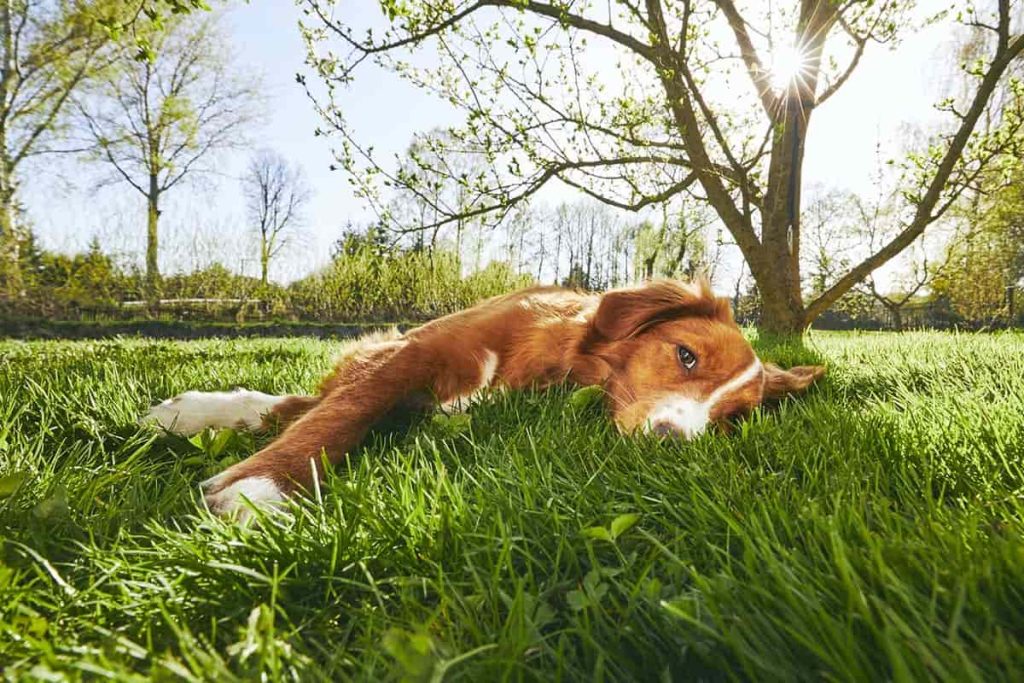
Understanding how grass allergens reach your dog helps you make smarter management decisions.
Airborne Pollen Absorption Through the Skin
Dogs absorb a significant portion of grass pollen directly through their skin. The skin acts as a primary exposure route, which is why belly rashes, paw inflammation, and groin irritation are so common. This also explains why bathing your dog after outdoor time makes a real difference.
Inhalation During Outdoor Activity
As dogs play outside, they inhale grass pollen directly. Inhalation triggers an immune response in sensitized dogs and can worsen both respiratory and skin symptoms during outdoor time.
Indirect Contact Through Clothing and Shoes
Grass pollen is sticky and travels easily on clothing, shoes, and bags. Even a dog that stays indoors most of the day can be exposed when family members come home from outside. This indirect exposure can be enough to cause or worsen a flare-up in highly sensitive dogs.
Types of Grass
Not all grass is equally allergenic. Bermuda grass, Kentucky bluegrass, Timothy grass, and ryegrass are among the most common culprits for dog grass allergies. Dogs may react to one type and tolerate others, though many develop broad sensitivity to multiple grass species over time.
Breed Predisposition
Genetics play a meaningful role in which dogs develop environmental allergies. Breeds with a higher predisposition to atopy, the genetic tendency toward allergic conditions, include Golden Retrievers, Labrador Retrievers, Bulldogs, German Shepherds, Pugs, and Miniature Schnauzers. That said, any dog can develop a grass allergy regardless of breed.
When to See a Vet for Grass Allergies
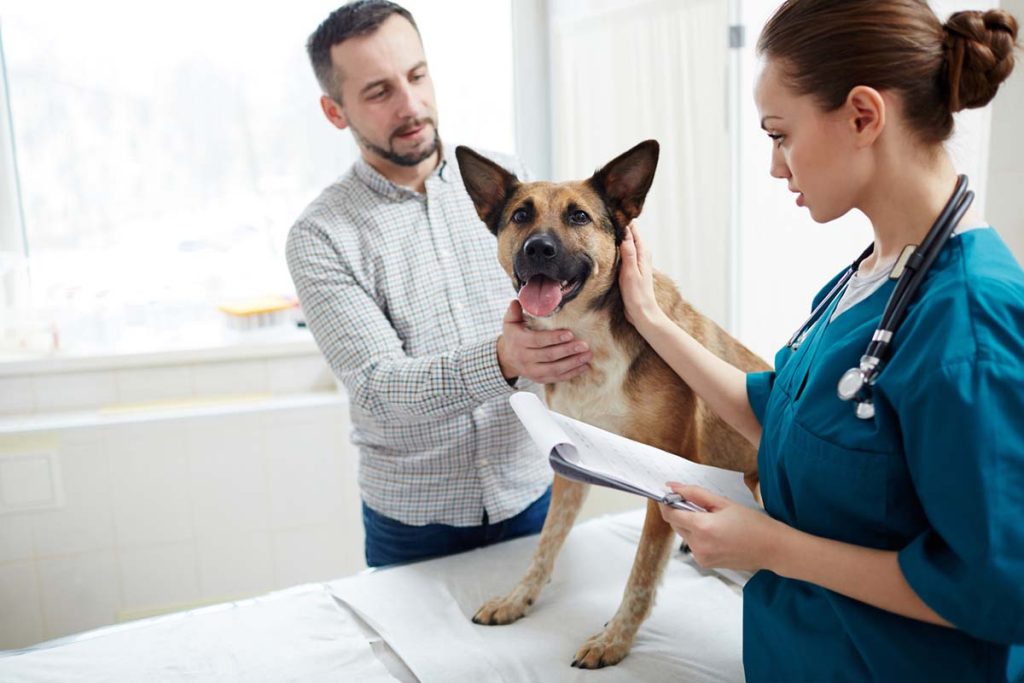
Home management can help with mild symptoms, but there are clear signs it’s time to call a veterinarian:
- Symptoms that persist for more than a few days or worsen despite at-home care
- Skin that becomes broken, oozing, crusted, or infected
- Recurring ear infections that keep coming back after treatment
- A dog that is losing sleep, losing fur, or seems genuinely distressed from itching
- Symptoms that don’t follow a clear seasonal pattern (which may suggest food allergies or other causes)
Here’s what a typical veterinary visit for suspected grass allergies looks like:
1. Physical Exam and History
Your vet will examine your dog’s skin, ears, and coat, and ask detailed questions about when symptoms started, how they’ve changed, and whether there’s a seasonal pattern. This history is crucial for narrowing down the cause.
2. Ruling Out Other Causes
Before confirming a grass allergy, your vet will want to rule out other common triggers, including flea allergy dermatitis, food allergies, mites, and contact dermatitis. These conditions can look nearly identical to environmental allergies, so elimination is part of the diagnostic process.
3. Serum Blood Testing
A blood test can screen for antibodies to specific environmental allergens, including various grass pollens. Serum testing is less invasive than skin testing and can provide a useful starting point for identifying sensitivities.
4. Intradermal Skin Testing
Intradermal skin testing is considered the gold standard for diagnosing environmental allergies. A veterinary dermatologist injects small amounts of allergens under the skin and observes which ones produce a reaction. Results from intradermal testing guide the formulation of allergy immunotherapy if that treatment path is chosen.
How to Treat Dog Grass Allergies
Treatment depends on the severity of your dog’s symptoms. Your vet will help you build a plan, which may include one or more of the following options:
Topical Treatments
For mild irritation, topical options can provide targeted relief. Medicated wipes containing chlorhexidine help reduce bacteria on irritated skin. Hydrocortisone sprays and creams soothe inflamed areas. Shampoos with pramoxine offer itch relief during bathing. These are most effective as a complement to other treatments rather than a standalone solution for moderate or severe allergies.
Antihistamines
Over-the-counter antihistamines like Benadryl (diphenhydramine), Zyrtec (cetirizine), and similar OTC options are often a first step for mild allergy symptoms. They work best for some dogs and not at all for others; effectiveness varies significantly. Always confirm the correct dose and formulation with your vet before giving any antihistamine to your dog.
Prescription Medications
For dogs with moderate to severe allergy symptoms, prescription medications offer more reliable and consistent relief:
- Apoquel (oclacitinib) is an oral tablet that targets the specific pathways involved in allergic itch. It works quickly and is well-tolerated for long-term use in many dogs.
- Cytopoint injections are injectable biologics that neutralize the protein responsible for triggering itch. A single Cytopoint injection typically provides four to eight weeks of relief and is safe for dogs of all ages.
- Temaril combines an antihistamine with a low-dose corticosteroid and is sometimes prescribed for short-term symptom control.
Corticosteroids
Prednisone and prednisolone are corticosteroids that reduce inflammation quickly and effectively. They’re useful for managing acute flare-ups and severe reactions, but their side effects make them less ideal for long-term use. Your vet may prescribe a short course during a bad flare-up alongside a longer-term management plan.
Immunotherapy
Allergy immunotherapy, also called allergy shots, is the only treatment that actually works to desensitize a dog’s immune system to specific allergens rather than just masking symptoms. Based on the results of intradermal or serum testing, a veterinary dermatologist formulates a custom injection series. Results build gradually over months, but many dogs experience significant, lasting improvement. This is often the best long-term solution for dogs with confirmed grass allergies.
Nutritional Support
Omega-3 fatty acids, particularly EPA and DHA from fish oil, support the skin barrier and may help support a normal inflammatory response from within. These fatty acids don’t replace medication, but they make the skin more resilient and may reduce the frequency and severity of flare-ups when used consistently. Ask your vet about the appropriate dose based on your dog’s size.
How to Manage Your Dog’s Grass Allergies at Home
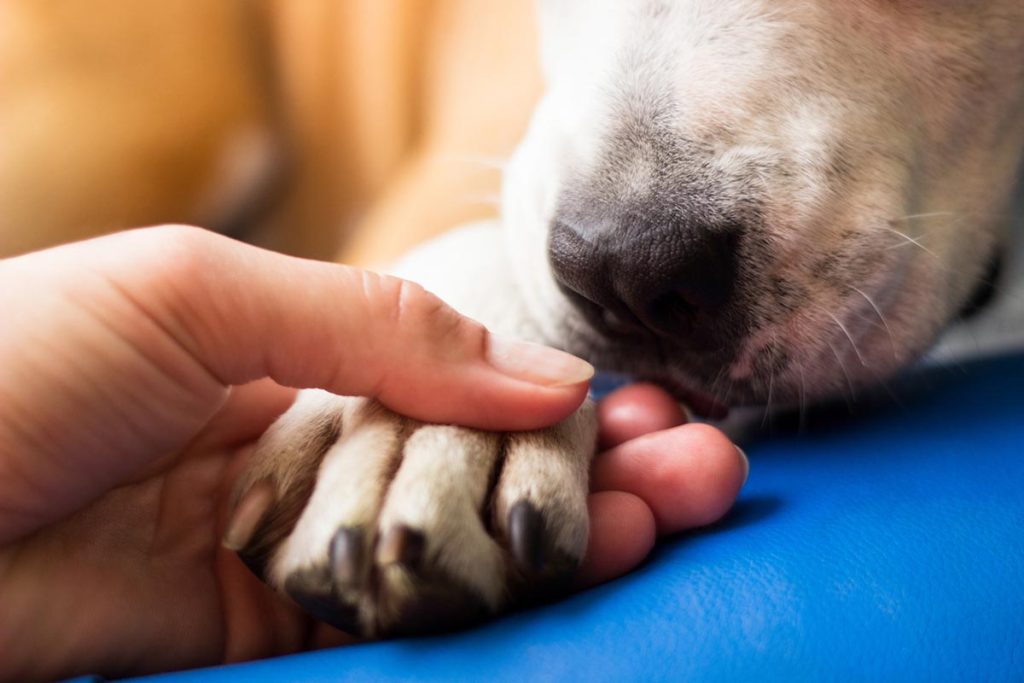
For dogs with grass allergies, home remedies can help. Daily management strategies are key and may meaningfully reduce your dog’s allergen exposure and keep symptoms between vet visits more comfortable.
Wiping Paws and Legs After Outdoor Time
Rinsing or wiping your dog’s paws and legs after every outdoor outing removes pollen before it has a chance to be absorbed or licked off. Keep medicated wipes or a damp cloth by the door. For dogs with significant sensitivity, a quick foot soak in cool water takes only a minute and makes a noticeable difference.
Regular Bathing With Hypoallergenic Shampoo
Bathing your dog weekly, or more often, removes accumulated allergens from the coat and skin. Use a hypoallergenic shampoo or a medicated shampoo with chlorhexidine or oatmeal to soothe irritated skin while you wash your dog. Avoid hot water, which can worsen inflammation; cool water is gentler on irritated skin.
Limiting Outdoor Time on High-Pollen Days
Check local pollen counts before heading outside, especially during spring and fall. On high-count days, keep outdoor time shorter, stick to paved areas rather than grassy fields, and schedule walks for early morning or after rain, when pollen levels tend to be lower.
Keeping the Lawn Trimmed
Grass releases the most pollen when it flowers, which happens when it’s allowed to grow tall. Keeping your lawn cut short reduces the amount of pollen produced in your immediate environment. This won’t eliminate exposure during walks or visits to parks, but it reduces the pollen load in your dog’s primary outdoor space.
Using an Air Purifier Indoors
A HEPA air purifier can capture airborne pollen that makes its way inside through open windows, doors, and on clothing. Placing one in the rooms where your dog spends the most time helps reduce their overall allergen burden, which may lower the threshold for flare-ups.
What Your Dog Eats Matters for Skin Health
Medications and topical treatments address grass allergy symptoms directly, but nutrition may support your dog’s ability to manage those symptoms from the inside out. A diet rich in omega-3 fatty acids, particularly EPA and DHA from quality fish oil sources, helps maintain the skin barrier, which is the first line of defense against allergen penetration.
Whole, balanced ingredients with high-quality protein also support a well-regulated immune system, which matters because an overactive immune response is what drives allergic reactions in the first place. Probiotics are also gaining attention for their role in supporting immune regulation in dogs with environmental allergies.
Think of nutrition as a long-term, proactive complement to veterinary care, not a replacement for it, but a meaningful piece of a comprehensive management plan.
Final Thoughts
Grass allergies are one of the most common environmental challenges dogs face, but they’re also one of the most manageable with the right approach. Recognizing the symptoms early, working with a veterinarian to confirm the diagnosis, and combining prescription treatment with daily home management gives your dog the best chance at real, lasting comfort.
No single solution works for every dog. Some do well with antihistamines and regular bathing. Others need Apoquel, Cytopoint, or a full course of allergy immunotherapy to see meaningful improvement. And for all dogs with environmental allergies, nutrition that supports skin health and immune resilience adds an important long-term layer of protection.
If your dog comes in from every walk ready to scratch, that’s their way of telling you something is wrong. The good news is you now know where to start.