

Few sounds are as startling as a sudden, harsh, honking cough from your dog. If your pup has developed a cough, especially after spending time around other dogs, they may have kennel cough.
Kennel cough is a common respiratory infection in dogs, and most otherwise healthy pups recover on their own within a few weeks. Still, knowing what kennel cough is, what causes it, and what to do if your dog gets it can help you keep them healthy and comfortable.
Here’s our guide to kennel cough symptoms, causes, treatments, prevention, and when to call your veterinarian.
What is kennel cough in dogs?
Kennel cough is a respiratory infection caused by bacteria, viruses, or both. The technical name for kennel cough is canine infectious respiratory disease complex (CIRDC), also called infectious tracheobronchitis.
For most healthy adult dogs, kennel cough is mild and self-limiting, meaning it resolves on its own within a few weeks. The cough can sound harsh, but most dogs remain well and continue to eat, drink, and behave normally.
Puppies, senior dogs, and dogs with weakened immune systems are at risk for complications from kennel cough. In these pets, a minor upper airway infection can progress to pneumonia, a deeper lung infection that can interfere with normal breathing.
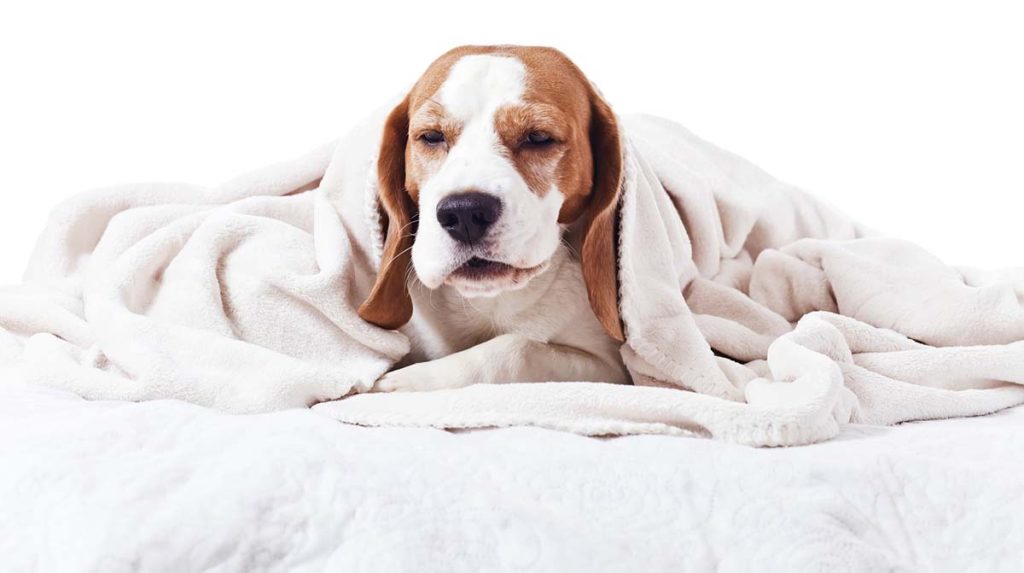
Signs of kennel cough in dogs
Kennel cough symptoms are mild in most dogs, but can be more severe in stressed, malnourished, or immunosuppressed dogs.
Honking cough
The hallmark of kennel cough is a dry, hacking cough commonly described as a “goose honk,” or like a dog has something stuck in their throat. Coughing often worsens with excitement, exercise, or pressure on the trachea (windpipe) from a collar.
Sneezing and runny nose
Some dogs with kennel cough develop sneezing and mild watery nasal discharge. A small amount of clear discharge from the nose is common in mild cases, but thick or colored nasal discharge may point to a more serious bacterial infection.
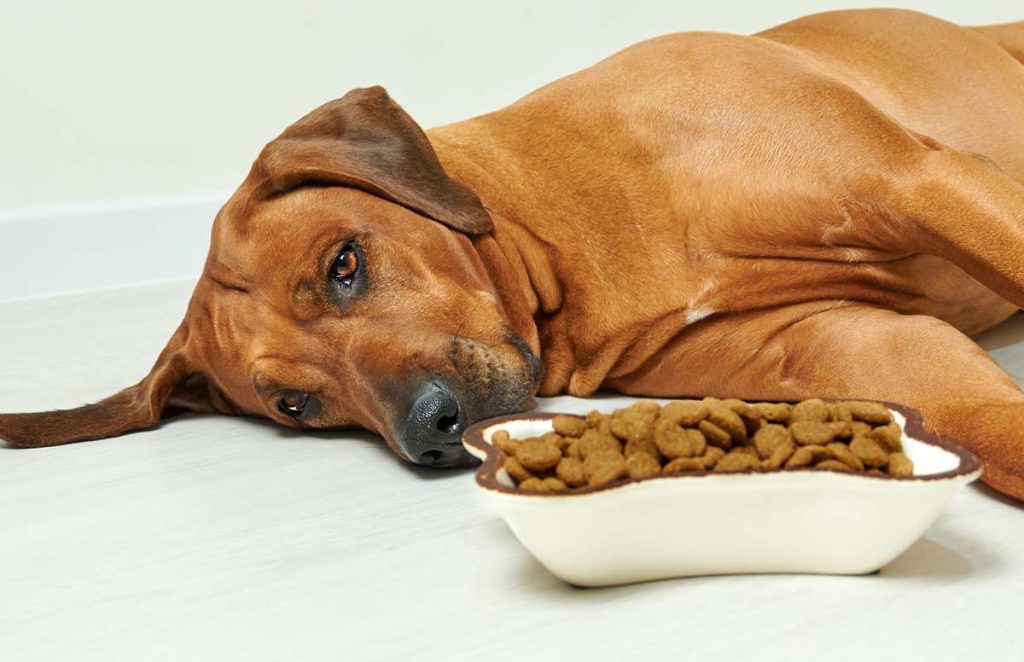
Reduced energy or low appetite
Most dogs with uncomplicated kennel cough continue to eat and play normally. If your dog is lethargic, less interested in food, or less active than usual, the infection may be more severe.
Eye discharge
Dogs with kennel cough can also develop watery eyes, particularly with viral infections. This is not usually serious, but you should ask your vet to check your dog’s eyes if discharge becomes thick, green, or yellow, or if your dog begins to squint.
Retching or gagging
Many dogs with kennel cough retch or gag loudly after a coughing fit. This can sound similar to a dog trying to vomit, but nothing comes up except a small amount of mucus or foamy saliva. This is different from a reverse sneeze, which is a series of forceful inhalations that is typically harmless.
Causes of kennel cough in dogs
Many different bacteria and viruses cause kennel cough. In many cases, more than one organism infects a dog at once.
Bordetella bronchiseptica
Bordetella bronchiseptica is the most common bacterium contributing to kennel cough in dogs. It can bind to the tiny hair-like structures (cilia) lining the airways, preventing their natural cleaning function. Bordetella is the primary target of the kennel cough vaccine.
Respiratory viruses
Several viruses can contribute to kennel cough in dogs, including:
- Parainfluenza
- Adenovirus type 2
- Canine influenza
- Canine distemper virus
The combination of pathogens involved determines how mild or severe the illness will be. Infections caused by canine distemper virus can be deadly, while those caused by canine influenza are more serious but rarely life-threatening.
Crowded environments
Kennel cough spreads easily through places where dogs share close quarters, including:
- Boarding kennels
- Doggy daycare facilities
- Dog parks
- Grooming salons
- Animal shelters
Dogs housed in group situations are often stressed and more prone to infections, making outbreaks particularly common in shelters and boarding facilities. Plus, symptoms of kennel cough may not appear for up to two weeks after exposure, and some dogs can spread the infection without ever showing symptoms.
Airborne droplets and contaminated surfaces
A dog with CIRDC can spread bacteria and viruses through tiny droplets that linger in the air after coughing or sneezing. Healthy dogs can inhale airborne particles or come into contact with them when they settle on surfaces such as food bowls or beds.
Treating kennel cough in dogs
Most cases of kennel cough resolve on their own within one to three weeks with rest and home care. You can help your dog recover by:
- Using a harness instead of a collar
- Using a humidifier
- Offering fresh water
- Limiting exercise and excitement
- Keeping your home well-ventilated
- Avoiding exposure to household cleaners, cigarette smoke, or dust
If your dog’s cough lasts more than several weeks, interferes with sleep, or is accompanied by a fever, reduced appetite, or lethargy, your veterinarian may prescribe cough suppressants, anti-inflammatories, or antibiotics. Never give your dog over-the-counter cough medications, which may contain harmful ingredients that are toxic to dogs.
Less commonly, dogs diagnosed with severe kennel cough or pneumonia may be hospitalized for intensive care.
When to call the vet about kennel cough
Kennel cough is not usually a medical emergency, but taking action anytime your pet seems sick is better than waiting until things get worse. Call your veterinarian if you notice any of the following:
- A cough that lasts longer than 2 weeks or seems to be getting worse
- Lethargy or loss of appetite alongside coughing
- Fever, which may cause your dog to feel warm to the touch or seem sluggish
- Difficulty breathing or fast breathing may signal that the respiratory infection has moved deeper into the lungs
These warning signs may indicate that kennel cough has progressed to pneumonia or your dog needs medications to help it clear, which requires prompt veterinary attention.
You should schedule an appointment sooner rather than later if your dog is at higher risk of complications. Puppies, seniors, brachycephalic breeds (e.g., English bulldogs and pugs), and immunocompromised dogs are more likely to develop a serious infection or pneumonia.
Preventing kennel cough in dogs
Kennel cough is highly contagious, but prevention strategies can help reduce its spread. If your dog spends time around other dogs, they are at risk of contracting kennel cough—even if you and the facility do everything “right.” Thankfully, for healthy dogs, the risk of serious illness from kennel cough is low.
Here’s how to reduce your dog’s chances of getting sick:
- Vaccinate: The kennel cough vaccine helps protect against Bordetella bronchiseptica, while the DAPP vaccine (distemper combo) protects against adenovirus and parainfluenza. The kennel cough vaccine doesn’t entirely prevent infection, but vaccinated dogs have milder symptoms and faster recoveries. Boarding facilities usually require your dog to have these vaccines, while the canine influenza vaccine may be optional.
- Limit exposure: Keep your dog’s exposure to unfamiliar dogs to a minimum. If you know a dog is sick or has been exposed to other dogs with kennel cough, keep your dog away from them and avoid interactions until two weeks after coughing has resolved.
- Clean shared items: Facilities must disinfect bowls, toys, and shared spaces or equipment to reduce the risk of spreading pathogens between dogs.
Supporting your dog’s health with balanced nutrition
Rest and veterinary care are the foundation of kennel cough management. However, providing a complete, balanced diet can support your dog’s overall health and immune function. Feeding a high-quality dog food is an investment in your dog’s long-term well-being.