The gastrointestinal (GI) tract is home to millions of bacteria and other microorganisms that help maintain your dog’s health. This population of microbes, called the gut microbiome, influences not only stool quality and digestive health but also overall well-being.
About 70% of the immune system is located in the gut, which means that gut health can have far-reaching effects. In this guide, we’ll cover what gut health means for dogs, how to spot signs of imbalance, which foods and supplements support beneficial bacteria, and how to improve dog gut health naturally.
What is gut health in dogs?

Gut health describes the balance and function of the gut microbiome, the community of bacteria and microorganisms living in your dog’s GI tract. These organisms produce vitamins, protect the intestinal lining, support immune function, and help break down food.
Research shows that balanced, diverse microbiomes are linked to solid poop, balanced immune system health, and fewer chronic diseases. On the other hand, disrupted microbiomes (called dysbiosis) are linked to inflammatory bowel disease (IBD), allergies, obesity, and anxiety.
Microbiome research is a rapidly evolving area of veterinary medicine, with new findings on canine gut health and its impacts emerging frequently. While we don’t know everything about gut microorganisms, we do know that gut health in dogs is an important part of overall health.
Signs of a healthy and unhealthy gut in dogs
Knowing the symptoms of poor gut health in dogs can help you take steps to improve it. Here’s what to watch when considering whether your dog could have an unbalanced microbiome or an unhealthy gut.
Stool quality and consistency
Healthy poops are firm and well-formed. Loose stools, diarrhea, constipation, or blood in stool are signs that something isn’t quite right in your dog’s digestive tract.
Energy levels and appetite
Dogs with a healthy, functional gut have a good appetite and consistent energy. Losing interest in food or acting ravenously hungry could be signs of an unhealthy gut.
Skin and coat condition
The gut regulates nutrient absorption, and a dog who isn’t getting enough of certain vitamins, minerals, or fats could develop skin or coat problems. On the other hand, a healthy, balanced gut supports a shiny, healthy coat.
Digestive sounds and gas
While the occasional burp, stomach gurgle, or passing gas is normal for most dogs, they should not occur regularly. If your dog struggles with these gut issues all the time, it could be because of an unbalanced gut.
Vomiting and nausea
Nausea and vomiting have many possible causes, including an unhealthy gut. Dogs with certain digestive issues or unhealthy bacteria dominating their microbiome may suffer from vomiting or nausea more than a typical pet.
Behavioral changes
The gut microbiome can affect behavioral health through the gut-brain axis. Poor gut health may play a role in the development of anxiety or other behavioral issues, while a healthy gut can support more balanced behavior.
If you notice any changes to your dog’s health that might indicate an unhealthy gut, schedule an appointment with your vet. Many of the symptoms of an unbalanced microbiome can be caused by other, more serious health problems that your vet will need to rule out before recommending gut-health-specific treatments.
What affects your dog’s gut health?
Several factors can affect your dog’s gut microbiome and overall gut health.
Diet quality and ingredient diversity
If your dog eats a diet low in fiber or lacking in essential nutrients, they may have less diversity or an imbalance of gut microorganisms. Feeding your dog highly digestible, nutrient-rich food supports a balanced microbiome.
Antibiotics and medications
Antibiotics are necessary at times, but when they eliminate harmful bacteria, they can also kill beneficial bacteria in the gut. If your veterinarian prescribes antibiotics, you may want to ask about supporting your dog’s gut flora during or after treatment with a gut health probiotic for dogs.
Stress and lifestyle factors
Like people, even healthy dogs can experience gut health disruptions from stress. Major life changes, such as moving or adding a new pet to the household, and ongoing stressors like anxiety, can upset your dog’s digestion or cause diarrhea.
Illness or infection
Infections, parasites, and inflammation can damage the intestines and cause a leaky gut in dogs, where the gut barrier becomes easily irritated. Research shows that dogs with inflammatory bowel disease (IBD) often have unbalanced microbiota.
Nutrients to support a healthy gut
Feeding your dog a variety of gut-health-supporting nutrients can help maintain their overall health and well-being. Here are foods for dogs to consider.
High-fiber vegetables
Vegetables like pumpkin, sweet potato, carrots, green beans, broccoli, asparagus, and leafy greens contain a mix of fibers that feed the good bacteria in your dog’s large intestine. Always serve vegetables cooked without butter or seasonings.
Fermented foods
Plain yogurt, unsweetened kefir, and low-sodium cottage cheese are probiotic-rich foods with bacteria that can support gut health in dogs. Avoid products that contain artificial sweeteners like xylitol, which is toxic to dogs.
Lean meats and fish
Lean meats like boiled chicken, turkey, eggs, bone broth, and whitefish are low-fat, easily digestible protein sources to support GI tract health without irritating sensitive stomachs. Fish are also rich in omega-3 fatty acids and fish oil, which may help support immune system function.
Whole grains
Cooked whole grains like brown rice and oats are sources of soluble fiber that support intestinal health and aid digestion. These grains are also easily digestible choices to soothe the GI tracts of dogs with sensitive stomachs.
Fresh diets
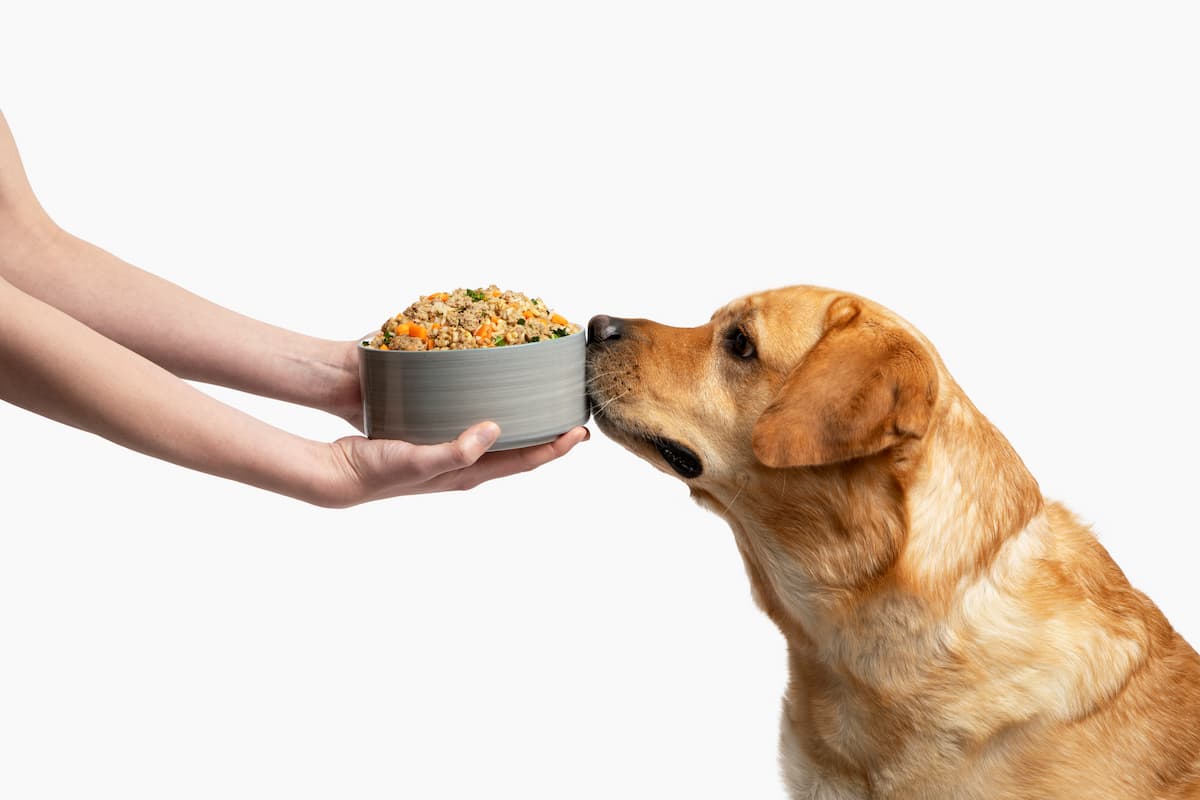
Research shows that dogs who eat fresh food tend to have healthier microbiota than those who eat processed commercial dog foods. Fresh diets are digestible and contain diverse fiber types and nutrients that may help support balanced gut bacteria.
When adding new foods to your dog’s diet, avoid sudden changes and always start with a small amount. Feed dietary additions in moderation and keep treats to less than 10% of total calories.
Probiotics, prebiotics, and fiber for dogs
Supplements containing good bacteria and fiber to support the bacteria can offer additional support for your dog’s gut health.
Probiotics
Probiotics contain live, beneficial bacteria. Certain strains, such as Lactobacillus and Bifidobacterium, have been shown to support digestive health, soothe an upset gut, and promote healthy immune function.
Prebiotics
Prebiotics, such as inulin and other prebiotic foods, are a special type of fiber used to feed gut bacteria so they can work better. Research shows that dogs fed a combination of prebiotics and probiotics had more beneficial species, fewer harmful species, and less frequent diarrhea. Chicory root is a common prebiotic ingredient.
Dietary fiber
Fiber supports digestion by bulking up stool, encouraging regular bowel movements, and feeding healthy gut microbes. Dogs can benefit from a mix of soluble and insoluble fiber, which may improve overall stool quality and prevent diarrhea and constipation.
Nutrition built for the long game
Feeding your dog a high-quality, digestible diet, offering consistent portions, and introducing new foods gradually are things pet parents can do to support long-term gut health. Additionally, supplements like probiotics for dogs or prebiotics recommended by your vet can keep your pet’s gut in good shape.