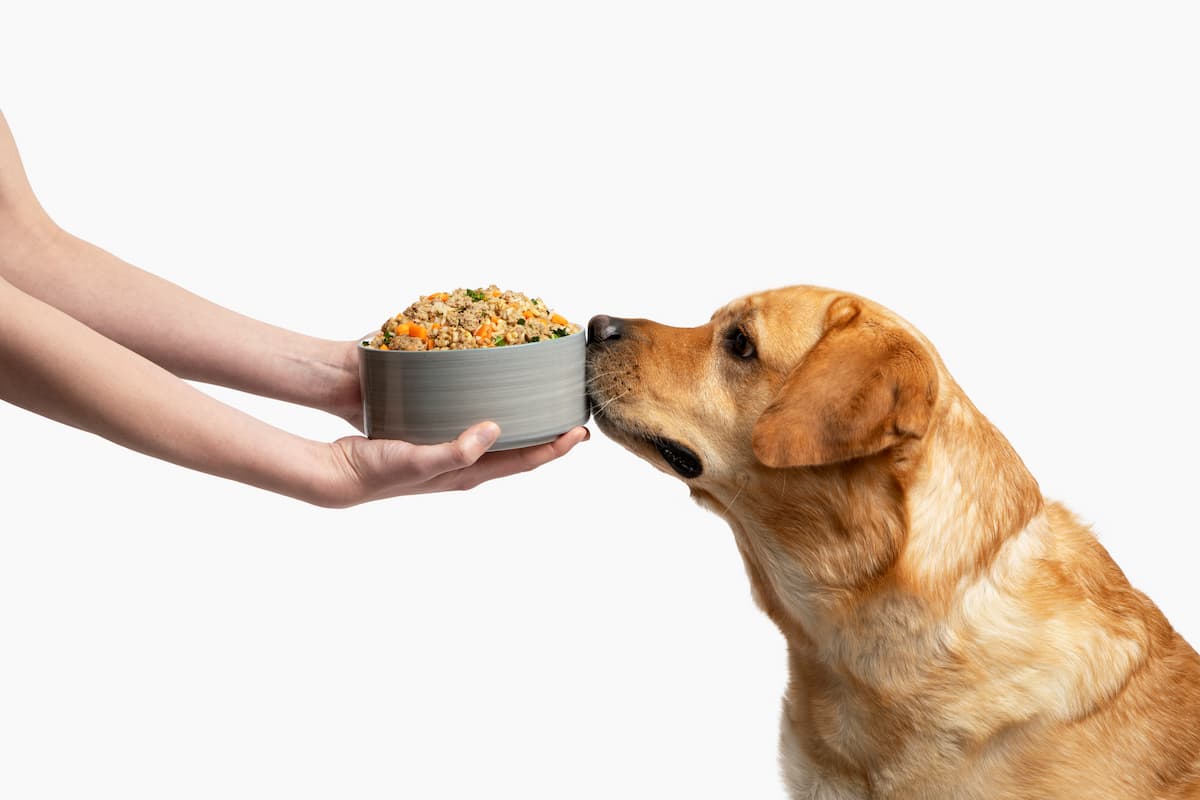
In humans, the gut is often referred to as the second brain. Medical experts are learning more about just how important the gut is for a person’s overall health. Is the same thing true for your best friend? Can probiotics for dogs support our furry friend’s gut health, too?
Research into the canine microbiome has shown that probiotics are vital for metabolism, a healthy immune system, and protection against certain pathogens. In this way, a healthy gut contributes either directly or indirectly to most of the physiological functions of your dog.
Given the health benefits of the beneficial bacteria that live in the dog’s gut, would it then be beneficial for your dog to take probiotics? Let’s take a look at just how they can contribute to your buddy’s gut health.
What are probiotics?
Probiotics are supplements that contain live microorganisms, like bacteria, that are considered beneficial. According to VCA Animal Hospitals, they are used to “support and replenish these normal populations of microorganisms when they have been disrupted by medications, diet changes, disease processes, or stress.”
3 Key Benefits of Probiotics for Dogs
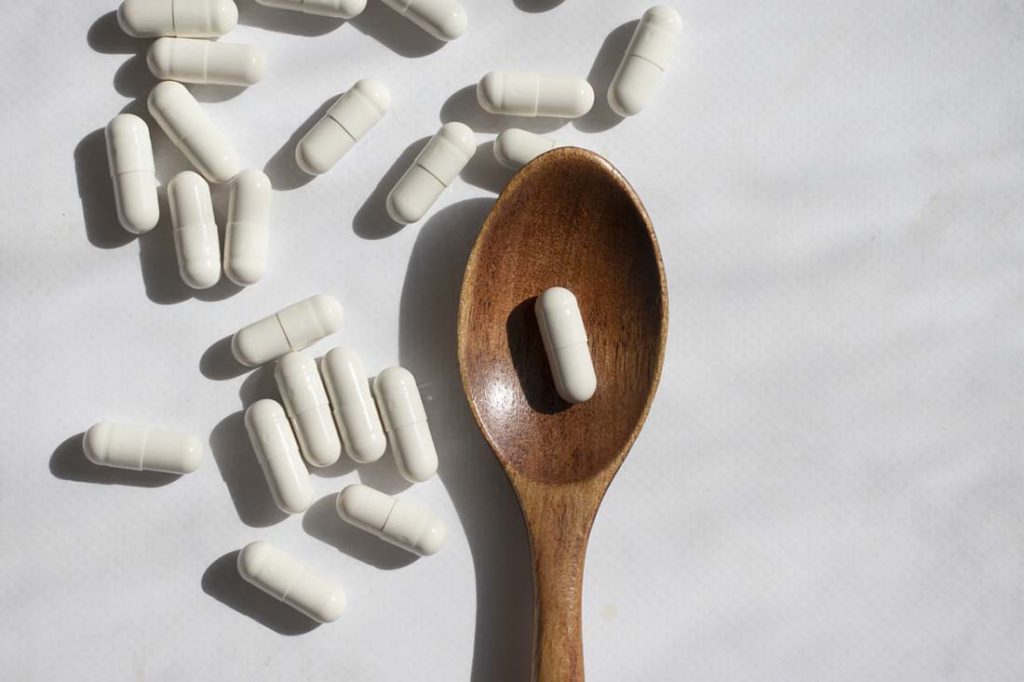
We’ve become accustomed to thinking of bacteria as something to avoid, something that causes infections. But there are actually good bacteria. The gut bacteria are vital for good digestive health. Let’s take a look at how probiotics can benefit your dog’s health.
- Digestive Health: Probiotics assist in the digestion and absorption of essential nutrients by helping to normalize the conditions in your dog’s intestinal tract. These digestive enzymes work to change the local acidity of the digestive tract and can help break down nutrients. Probiotics also inhibit the growth of harmful bacteria like Salmonella by competing for the same nutrients and effectively starving the bad bacteria. Getting rid of bad bacteria can even help treat his bad breath and improve the quality of his poop!
- Behavioral Benefits of Probiotics: They play an important role in healthy brain function and overall dog health. Certain bacteria, namely Bifidobacterium longum, may help decrease stress and improve your doggie’s mental well-being. Dogs who took supplements containing this important bacterium were less likely to bark, jump, spin, or pace in stressful situations, and they were more open to exploring new environments.
- Immune Health: The immune function of your dog’s gastrointestinal tract accounts for approximately 70% of his overall immune system. By ensuring the proper bacteria are present in your dog’s gut, you can help give your dog nutritional support that may help fight off potential infections. In this way, gut flora may also counter problems like urinary tract infections or a sensitive stomach. Moreover, probiotics have their own antioxidants, which means they can help your dog’s body to fight off cancerous cells.
For this reason, many veterinarians and animal health advocates tout the benefits of probiotics. Here are several conditions that pet probiotics can potentially support:
- Allergy conditions
- Anxiety and stress
- Bad breath
- Bloating
- Coat quality
- Constipation
- Dog diarrhea
- Immune system disorders
- Intestinal inflammation
- Irritable bowel syndrome
- Liver disease
- Obesity
- Skin disorders
- Upset stomach
- Urinary tract infections
That’s why many loving pet parents are giving their dogs probiotic supplements, but which ones should you choose?
What Probiotics Should You Feed Your Dog?
You might be thinking that since you take probiotics, you can just share yours with your best buddy. But human probiotics are not necessarily the best probiotics for dogs.
They won’t harm your dog, but they also won’t provide him with all the benefits that dog probiotics will. Additionally, you want to give him the strains of probiotics that have been tested and found to be safe in dogs.
Here is a list of the probiotic strains of bacteria you should look for and how each may benefit your pooch and its digestion.
- Bacillus coagulans supports the bowel pattern, shortens diarrheal episodes, may ease abdominal pain, and helps with bloating.
- Bacillus subtilis supports fat and carbohydrate digestibility in the dog’s gut, which can be particularly helpful if your doggie likes trash.
- Bifidobacterium animalis (strain AHC7) helps with acute diarrhea.
- Bifidobacterium bifidum helps the gut break down dog food, absorb nutrients, and fight off bad bacteria.
- Bifidobacterium longum (BL999) may help reduce anxiety.
- Enterococcus faecium (strain SF68) supports a healthy inflammatory response and may help with antibiotic-caused diarrhea.
- Lactobacillus acidophilus improves stool quality and frequency.
- Lactobacillus casei helps balance the gut microbiome, may improve gastrointestinal dysfunction, and may help prevent infection.
- Lactobacillus plantarum supports digestion, nutrient absorption, and fending off bad bacteria.
- Lactobacillus rhamnosus (strain LGG) may be effective for dog diarrhea since it is beneficial for humans with diarrhea.
It’s important to check the label of your probiotics for dogs to ensure they contain the best strains of bacteria. Additionally, work with your vet to ensure the CFUs are appropriate.
Probiotics are measured in colony-forming units or CFUs. It’s recommended that dogs get 1 – 10 billion total CFUs per day. The label of a probiotic or prebiotics supplement should say what the CFUs are for the blend you’re giving.
How to safely feed probiotics to your dog
When introducing probiotic-rich foods or supplements to support gut health, start slowly. Begin with a small portion and gradually increase over several days so your dog’s digestive system can adjust. During this transition, keep a close eye on their stool quality, appetite, and overall comfort. Every dog responds differently. Monitoring helps you quickly identify whether the probiotic for dogs is beneficial or if adjustments are needed.
There are several ways you can administer probiotic supplements to your pooch. Some dog foods and treats already have probiotics added to the formula, but if that doesn’t work for you, you can find probiotics for dogs who prefer chewable treats or probiotic powder for dogs who are good at finding hidden pills. Some of these supplements that support gut health come in different flavors, like chicken or beef.
You can find natural probiotic foods in your refrigerator as well. Food like yogurt, cottage cheese, kefir, fermented vegetables, and pumpkin puree contains natural probiotics.
Note: Every dog is an individual. Your dog may have special considerations, so it’s always best to check with your vet before making dietary changes, even with probiotics for dogs.
7 natural probiotic sources for dogs
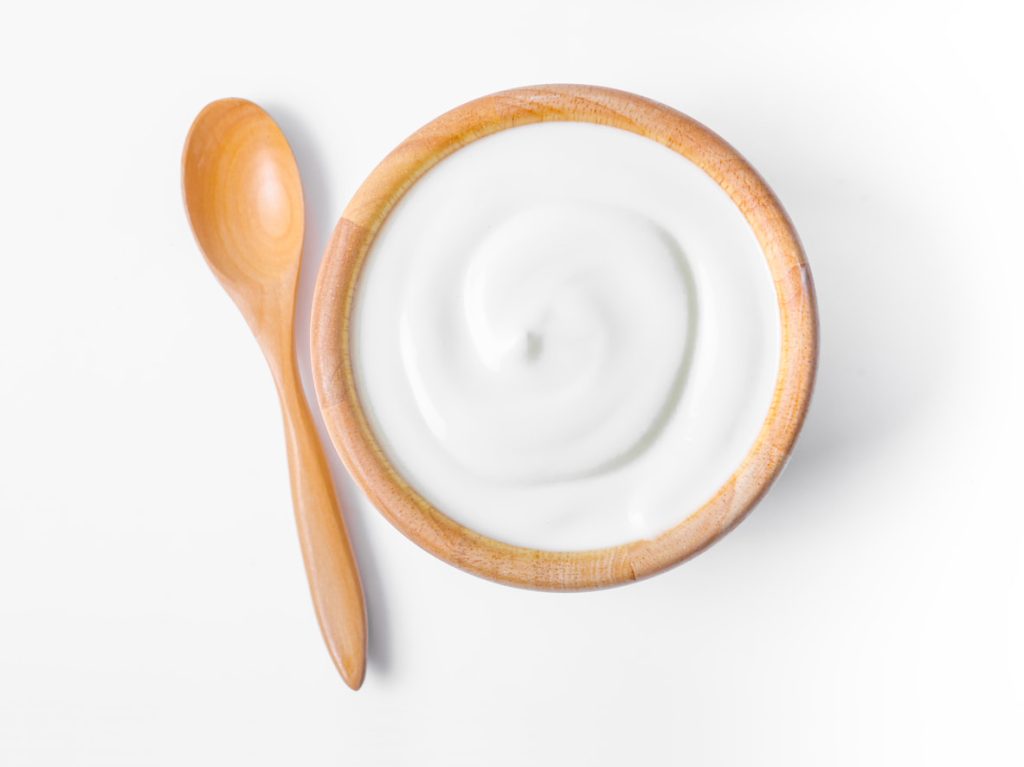
Before giving your dog any new food, including the following foods with natural probiotics, start slow with small portions. Always consult your vet. Pet parents can find many probiotic foods that contain good bacteria that support gut health at the grocery store, including:
Plain yogurt
Plain Greek yogurt contains Streptococcus thermophilus and Lactobacillus bulgaricus. It’s important to avoid giving yogurt while your dog is on antibiotics such as doxycycline, as dairy products can interfere with those medications.
Kefir
Kefir contains over 50 species of yeast and bacteria. When introducing kefir, begin with about ¼ teaspoon. Skip kefir entirely if your dog has trouble with dairy. As with yogurt, avoid giving kefir while your dog is on antibiotics.
Fermented carrots
Fermented carrots may contain Bifidobacteria and Lactobacillus species.
Cottage cheese
Cottage cheese naturally includes beneficial bacteria like Lactobacillus acidophilus and Bifidobacterium bifidum. If your dog can handle dairy, introduce only a small portion—about a tablespoon, a teaspoon for smaller dogs—to see how they respond.
Fermented bananas
Fermented bananas may contain Lactobacillus and Streptococcus.
Sauerkraut
Sauerkraut, or fermented cabbage, contains Lactobacillus.
Fermented blueberries
Fermented blueberries made with beneficial Lactobacillus bacteria may serve as a natural source of probiotics for dogs. If you decide to try them, begin very slowly. Offer just a single blueberry twice a day and watch for any signs of stomach upset. If your dog does well, consult a veterinarian before increasing the amount to ensure it’s appropriate for your pet’s individual needs.
What homemade probiotic recipes can I make for my dog?
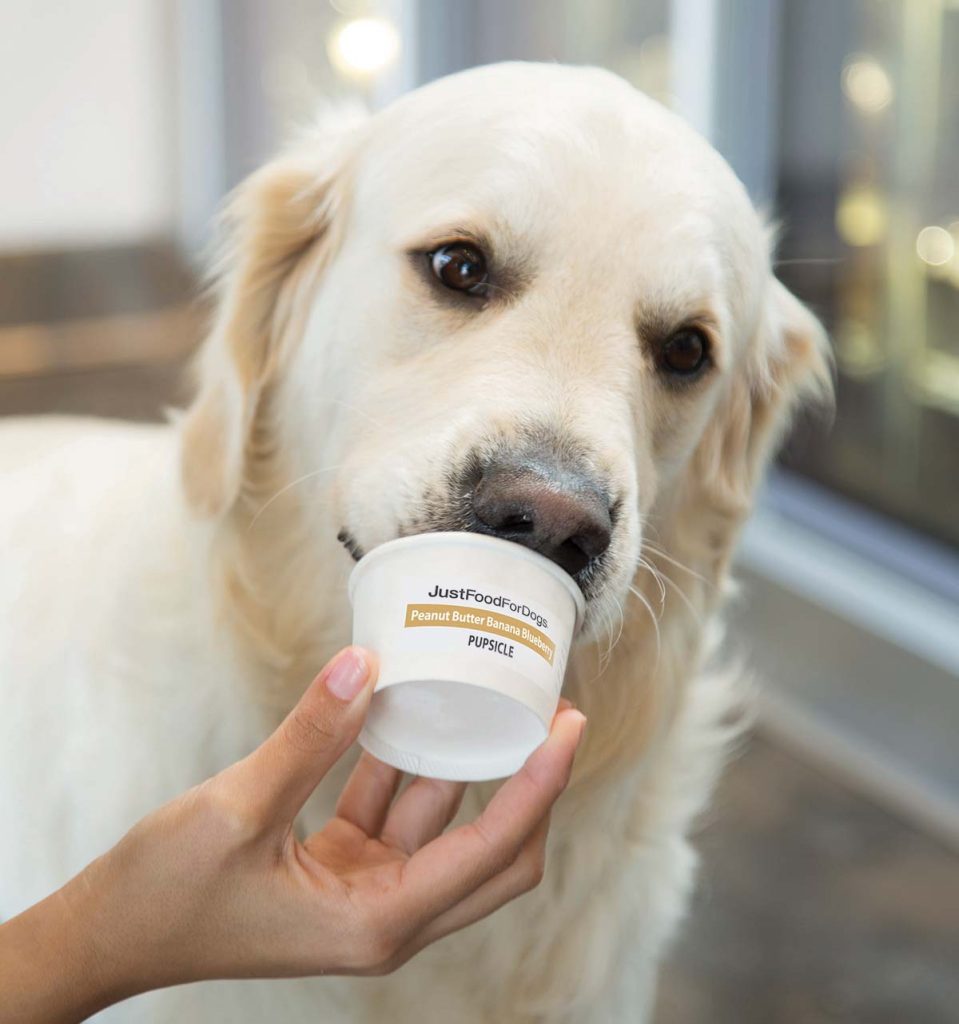
Pet parents can prepare simple homemade dog treats that include natural probiotic foods to support gut health, such as:
PB Blueberry Yogurt Frozen Treat
Ingredients include plain yogurt (or plain Greek yogurt), mashed bananas, natural peanut butter (no xylitol), honey, and blueberries. Mix, pour into a silicone mold or ice cube tray, and freeze.
Pumpkin, PB, & Yogurt dog treats
Mix ingredients yogurt, peanut butter (xylitol-free), and pumpkin puree in a blender or food processor. Pour into silicone molds or ice cube trays and freeze.
An easy way to add probiotics for dogs is to mix kefir or plain yogurt to your dog’s regular food. Consult your vet for appropriate portion sizes.
What is the Difference Between Probiotics and Prebiotics?
According to Harvard University’s School of Public Health, probiotics are “the ‘good gut bugs’ that live in our digestive tract. They include bacteria, viruses, fungi, and other microbes that make up what we call the gut microbiome.”
Prebiotics, such as inulin, are fibers that probiotics feed upon. Thus, prebiotics actually help probiotics grow and be healthy. Prebiotics, like probiotics, may be given to dogs as a supplement or as part of their dog food.
Support your dog’s gut health with probiotics and JustFoodForDogs
We’re passionate about dog health. We offer probiotic supplements for dogs and treats that are high in natural probiotics and prebiotics for your dog.
What’s more, all of our dog foods are filler-free contain wholesome, fresh ingredients to maintain your dog’s overall health. We are dedicated to using evidence-based research to create the healthiest diet for your beloved pets. It’s what we feed our own dogs.
While homemade options can help, probiotic foods with your dog’s diet must be balanced.
Probiotics for dogs FAQ
Dog owners can prepare homemade probiotic dog foods like kefir, yogurt, and fermented vegetables, following the guidelines provided by your vet or veterinary nutritionist.
Making kefir for dogs at home is easy and only requires two ingredients. Combine kefir grains and milk (goat’s milk is preferable) in a glass jar. Cover mixture with a cloth and let it sit at room temperature for 24-48 hours. Once thickened, strain and store in the refrigerator.
Yes! JustFoodforDogs has probiotic dog chews, supplements for dogs, and fiber-rich treats that may support your dog’s gut health.
Frequency may vary depending on the food source, portion size, and individual tolerance. Choosing a dependable, vet-formulated supplement with the NASC certification seal offers a safer option supported by your vet’s guidance on feeding frequency.
Sources
“The Power of Probiotics.” 2022. Cornell University College of Veterinary Medicine. 2022. https://www.vet.cornell.edu/departments-centers-and-institutes/riney-canine-health-center/canine-health-information/power-probiotics.
Kim, Dong-Hyeon, Dana Jeong, Il-Byeong Kang, Hyun-Woo Lim, YoonJu Cho, and Kun-Ho Seo. 2019. “Modulation of the Intestinal Microbiota of Dogs by Kefir as a Functional Dairy Product.” Journal of Dairy Science 102 (5): 3903–11. https://doi.org/10.3168/jds.2018-15639.
Pilla, Rachel, and Jan S. Suchodolski. 2020. “The Role of the Canine Gut Microbiome and Metabolome in Health and Gastrointestinal Disease.” Frontiers in Veterinary Science 6 (January). https://doi.org/10.3389/fvets.2019.00498.
This content is for informational use only and does not replace professional nutrition and/or medical advice, diagnosis, or treatment. It is not a substitute for and should not be relied upon for specific nutrition and/or medical recommendations. Please talk with your veterinarian about any questions or concerns.