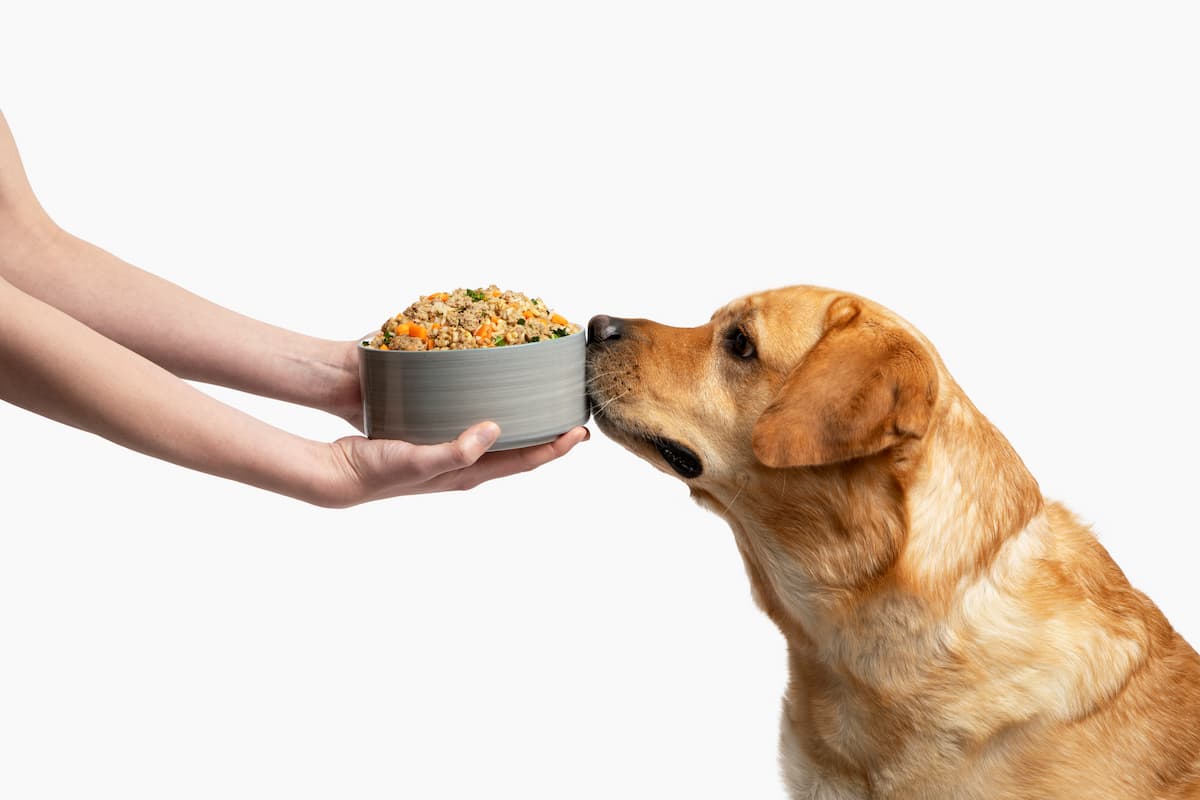
We want our furry friends to have all the healthy dog food and supplements we would give any of our family members. There is more talk these days about the importance of gut health for our overall health, and the research shows this is equally as true for our best four-legged friends as it is for humans.
As research uncovers the importance of the gut microbiome—the community of microorganisms living in your dog’s digestive tract—it’s become clear just how essential gut health is to overall wellbeing. It’s helpful to know what exactly probiotics are and how they support your dog’s digestion. It’s also important to know the signs that your dog needs probiotic support. Read on to learn more about these so-called good bacteria.
What are Probiotics for dogs?
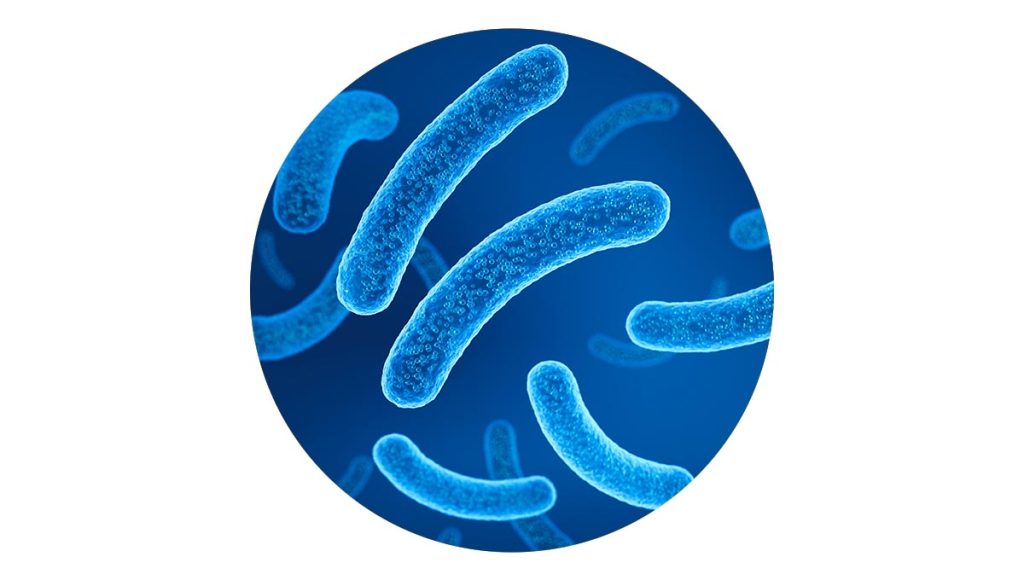
Probiotics are live, beneficial microorganisms that help maintain a healthy balance of gut flora in dogs. These “good” bacteria naturally live in the intestines and work alongside your dog’s digestive system to support normal digestion, nutrient absorption, and regular stools. In fact, billions of beneficial bacteria are already present in a healthy dog’s gut.
Beyond digestion, the best probiotics play a role in producing certain vitamins, such as vitamin K, and supporting immune function. Because a large portion of your dog’s immune system is connected to the gut, maintaining the right balance of microorganisms can help support whole-body health.
When this balance is disrupted—due to stress, illness, dietary changes, or medications—harmful bacteria can gain the upper hand. Supporting a healthy gut microbiome with beneficial probiotics helps restore balance and keep your dog feeling their best.
Probiotics vs. Prebiotics
You may also have heard the term prebiotics when discussing your dog’s digestive health. Prebiotics are basically a food source for the healthy bacteria (CFUs) in your dog’s digestive tract. They foster the growth of those beneficial bacteria essential for a healthy microbiome.
They are, therefore, essential in maintaining your dog’s healthy, balanced gut. Research shows that, depending on the source, concentration, and length of the supplementation period, prebiotics as part of a dog’s diet may improve their immune response and the overall health of their gastrointestinal tract.
So, while prebiotics are not the same as probiotics, they are, in fact, an important element of your dog’s gut health. As with anything, however, a healthy balance is the key to maintaining the overall well-being of our furry friends.
5 benefits of probiotics for dogs
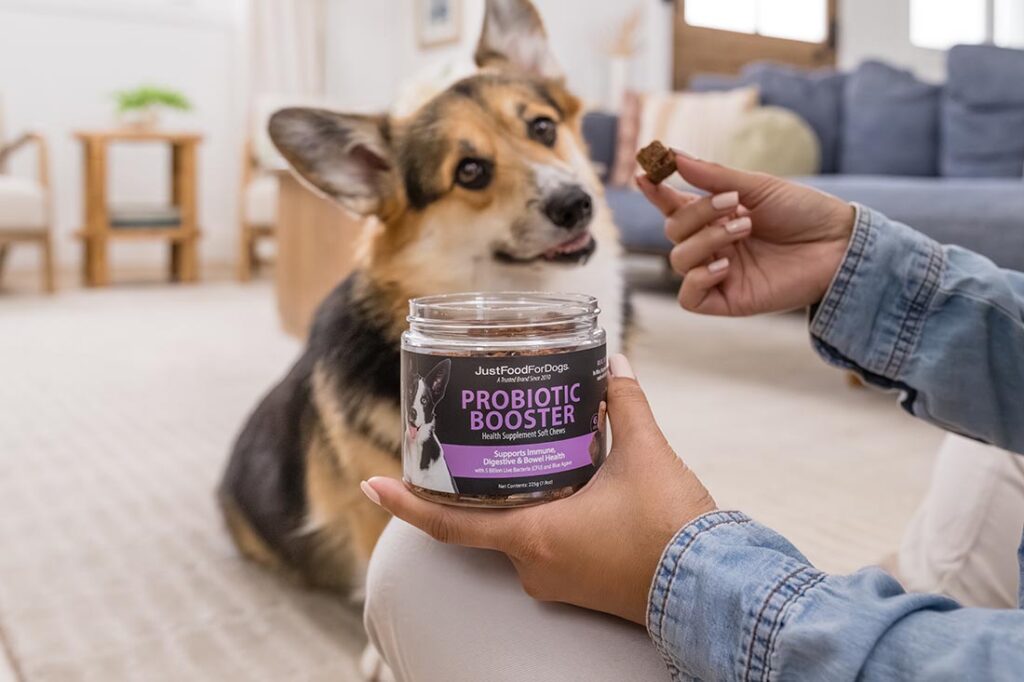
Dog probiotics may support various disruptions in gut bacteria, including:
- Infections
- Antibiotics used to treat infections may wipe out healthy gut bacteria
- Parasites like Giardia
- New food: introducing a new food may significantly alter the gut bacteria
- Food allergies: Studies show that food allergies and the gut inflammation they cause may contribute to a disruption in gut bacteria
Dog probiotic supplements also:
- Assist in the digestion and absorption of essential nutrients.
- Keep the gut bacteria balanced, preventing overgrowth of harmful microbes.
- Support the immune system.
- Helps support proper digestion and bowel health.
- Support vitamin production, including vitamin K and some B vitamins.
6 signs your dog may need probiotics
With all this in mind, it’s also important to know the signs your dog needs probiotics to promote a healthy microbiome. Your dog needs both good bacteria and digestive enzymes to support the health of his digestive system. If he’s not getting those in proper amounts, he may need probiotic.
If your dog is experiencing any of the following, they may benefit from probiotics:
Recurring diarrhea
Diarrhea in dogs is one of the more obvious signs of intestinal flora disruption and upset stomach. As harmful bacteria take over, your pooch’s stool turns into runny or loose stools, or it’s outright diarrhea. You might also notice anal gland issues or excessive gas or bloating.
Diarrhea is an indication that your dog may need some healthy flora for digestive support. Dogs supported by probiotics usually respond quickly to their effects, often within a matter of a few days.
Constipation
As with diarrhea, constipation can be caused by a number of problems. One of those is a disturbance in the gut microbiome. If your dog’s constipation is a result of bad bacteria in the gut, probiotic supplementation may help.
Foul Odor
Smelly pups may be unusually stinky because of a bacterial imbalance. Probiotics may help bring balance back.
Food allergies or sensitivities
Food allergies may manifest in the skin as a rash or constant itching. Both digestive enzymes and probiotics may help with food allergies.
Among the benefits of probiotics is that they support your dog’s digestive tract in processing the meal and nutrient absorption. Digestive enzymes help to support the pancreas, which is responsible for producing the enzymes necessary to break down food in the intestines.
Dry Skin and Excessive Shedding
Two more signs your dog may need probiotics are dry, flaky skin and excessive shedding. Excessive shedding is a common sign that your dog’s body is under some kind of physiological stress, including the stress caused by allergies and poor digestion.
In that case, your dog may benefit from probiotics. Dry, flaky skin, particularly if it is accompanied by red, blotchy areas, may indicate a yeast infection or malnutrition. In either case, supplementation with probiotics and digestive enzymes may help your dog absorb nutrients better and eliminate toxins.
Antibiotics
While antibiotics can be a lifesaver, they can also create other problems, specifically with the gut microbiome. If your pooch needs antibiotics, it is important to ensure they are also taking probiotic dog supplements to restore the normal gut flora that the antibiotics may disturb.
Additionally, dogs who have infections or other medical conditions that compromise their immune systems may benefit from probiotic supplements.
It is important to note that these signs can also be caused by other underlying medical conditions. If your dog is experiencing any of these signs, consult a veterinarian to determine the cause and get appropriate treatment.
How to pick the right probiotic for your dog

Work with your veterinarian and use the following criteria to choose a dog probiotic to ensure safety, effectiveness, and the best support for your dog’s unique health needs.
- CFU Count: Check for sufficient live bacteria (usually tens of millions–billions per serving) for effectiveness. The probiotic dose should match your dog’s size and health needs.
- Dog-Specific Strains: Look for strains of probiotics that are proven safe and effective in dogs, like Enterococcus faecium, Lactobacillus acidophilus, or Bifidobacterium animalis.
- Clinically Tested / Vet-Recommended: Choose probiotic products with published studies or vet endorsement to ensure real benefits.
- Clean Formula: Free from fillers, artificial colors, flavors, or unnecessary additives.
- NASC seal: A brand of dog probiotics with the National Animal Supplement Council (NASC) seal has met specific quality standards. JustFoodForDogs probiotic supplements are NASC-certified.
Tips to support gut health in dogs
There are several things to consider before giving your dog a probiotic supplement. Healthy dogs don’t normally need a probiotic. It’s only when there is a problem with his digestion that a veterinarian may recommend probiotics.
You also need to think about your dog’s diet. Research shows that your dog’s gut bacteria will adapt to the food he is eating. Many domestic dogs eat a diet that is high in carbohydrates, for example, and their microbiome has adapted to digest them accordingly. If this change is causing problems like diarrhea or constipation, switching his diet to one higher in protein may help because of the resulting change in his intestinal bacteria.
Here are a few additional, easy-to-follow ways pet parents can support their dog’s digestive health beyond giving their dog probiotics:
- Transition foods slowly: Introduce any new food or supplement for dogs gradually over 7–10 days to give your dog’s digestive system time to adjust and reduce the risk of stomach upset.
- Feed balanced, high-quality meals: A complete and balanced diet made with whole, minimally processed ingredients supports healthy digestion and nutrient absorption.
- Be mindful with antibiotics: Antibiotics can be lifesaving when needed, but overuse may disrupt healthy gut bacteria. Always follow your veterinarian’s guidance and ask about gut support during and after treatment.
- Keep fresh water available: Clean, fresh water supports digestion and helps nutrients move smoothly through the gastrointestinal tract. Wash water bowls regularly to prevent bacteria buildup.
- Include prebiotic-rich foods: Foods like pumpkin, chicory root, and leafy greens provide prebiotics, fibers that feed beneficial gut bacteria and help maintain a healthy microbiome.
FAQ
No. Dogs and humans have different gut microbiomes, meaning the types and proportions of beneficial bacteria they need aren’t the same. Human probiotics are formulated for the human digestive system and may not survive, colonize, or function properly in a dog’s gut. Stick with probiotics for dogs. Dog probiotics are specifically designed to work with a dog’s biology.
The effects of probiotics use may take a few days to a few weeks, depending on the dog and the issue being addressed.
Yes. Certain foods can naturally provide probiotics for dogs, helping support a healthy gut. Plain, unsweetened yogurt or kefir made from cow’s or goat’s milk contains live cultures of beneficial bacteria that may aid digestion and support gut health. Introduce these foods gradually and in small amounts, as some dogs are lactose-sensitive and may develop gas, diarrhea, or upset stomach. Always choose plain, unsweetened varieties without added sugars or artificial sweeteners, and check with your veterinarian before adding them to your canine’s diet.
Common probiotic strains include:
Bifidobacterium lactis
Lactobacillus casei
Lactobacillus acidophilus
Enterococcus faecium
Bifidobacterium breve
This content is for informational use only and does not replace professional nutrition and/or medical advice, diagnosis, or treatment. It is not a substitute for and should not be relied upon for specific nutrition and/or medical recommendations. Please follow your veterinarian’s instructions and talk with to them about any questions or concerns.
Sources
Grześkowiak, Łukasz, Akihito Endo, Shea Beasley, and Seppo Salminen. 2015. “Microbiota and Probiotics in Canine and Feline Welfare.” Anaerobe 34 (August): 14–23. https://doi.org/10.1016/j.anaerobe.2015.04.002.
Gu, Shimin, Dong Yang, Chenglong Liu, and Wentong Xue. 2023. “The Role of Probiotics in Prevention and Treatment of Food Allergy.” Food Science and Human Wellness 12 (3): 681–90. https://doi.org/10.1016/j.fshw.2022.09.001.
Perini, Mariana Pamplona, Vivian Pedrinelli, Pedro Henrique Marchi, Lucas Ben Fiuza Henríquez, Rafael Vessecchi Amorim Zafalon, Thiago Henrique Annibale Vendramini, Julio César de Carvalho Balieiro, and Marcio Antonio Brunetto. 2023. “Potential Effects of Prebiotics on Gastrointestinal and Immunological Modulation in the Feeding of Healthy Dogs: A Review.” Fermentation 9 (7): 693. https://doi.org/10.3390/fermentation9070693.
Sacoor, Carina, John D. Marugg, Nuno R. Lima, Nuno Empadinhas, and Liliana Montezinho. 2024. “Gut-Brain Axis Impact on Canine Anxiety Disorders: New Challenges for Behavioral Veterinary Medicine.” Veterinary Medicine International 2024 (January): e2856759. https://doi.org/10.1155/2024/2856759.
Berry, Alexander S. F., Kaylynn Johnson, Rene Martins, Megan C. Sullivan, Camila Farias Amorim, Alexandra Putre, Aiysha Scott, et al. 2020. “Natural Infection with Giardia Is Associated with Altered Community Structure of the Human and Canine Gut Microbiome.” Edited by June Round. MSphere 5 (4). https://doi.org/10.1128/msphere.00670-20.
“New Dog Food? Study Shows Fido’s Gut Bacteria Could Turn over within a Week.” n.d. ScienceDaily. https://www.sciencedaily.com/releases/2022/08/220801133117.htm.
Sinkko, Hanna, Jenni Lehtimäki, Hannes Lohi, Lasse Ruokolainen, and Anna Hielm-Björkman. n.d. “Distinct Healthy and Atopic Canine Gut Microbiota Is Influenced by Diet and Antibiotics.” Royal Society Open Science 10 (4): 221104. Accessed June 24, 2024. https://doi.org/10.1098/rsos.221104.
Hernandez, Juan, Soufien Rhimi, Aicha Kriaa, Vincent Mariaule, Houda Boudaya, Amandine Drut, Amin Jablaoui, et al. 2022. “Domestic Environment and Gut Microbiota: Lessons from Pet Dogs.” Microorganisms 10 (5): 949. https://doi.org/10.3390/microorganisms10050949.
Yang, Qing, and Zhenlong Wu. 2023. “Gut Probiotics and Health of Dogs and Cats: Benefits, Applications, and Underlying Mechanisms.” Microorganisms 11 (10): 2452–52. https://doi.org/10.3390/microorganisms11102452.