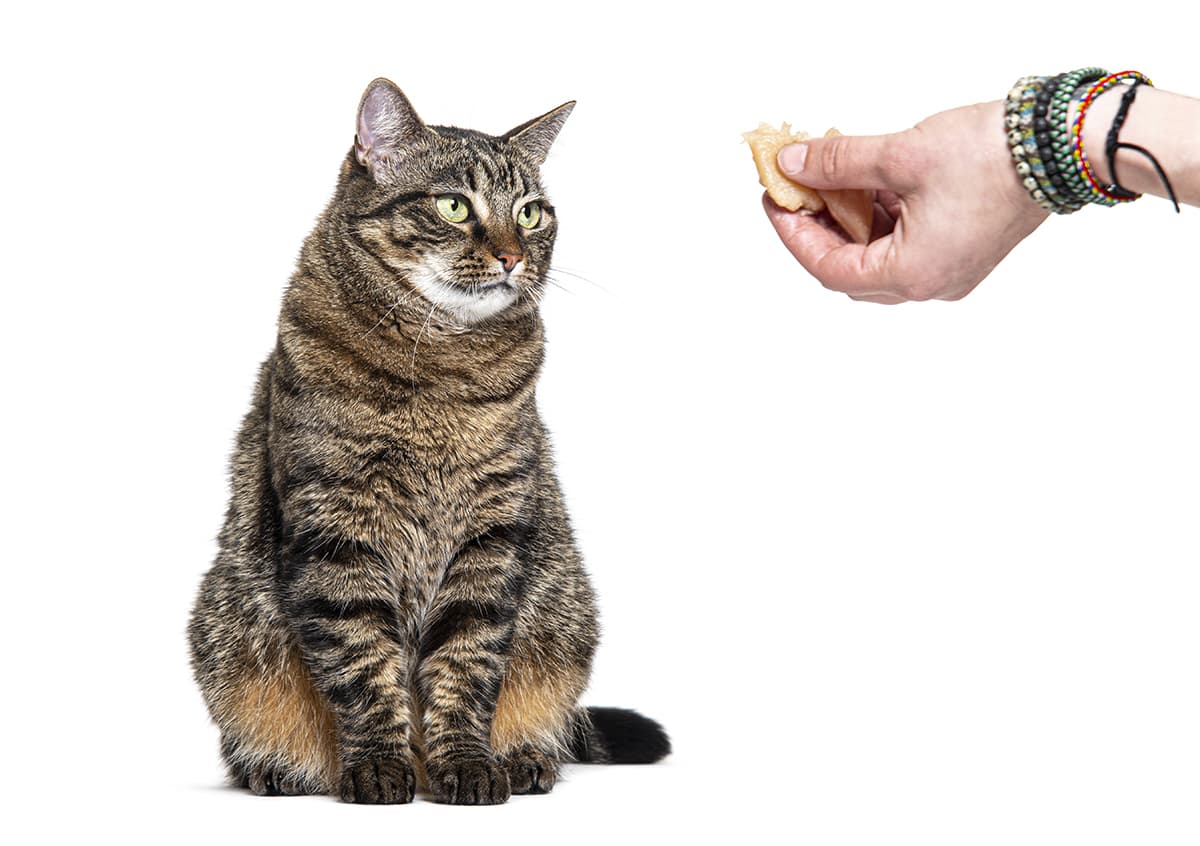
When you take a closer look at most packaged cat treats, you’ll often find unfamiliar additives, preservatives, and fillers; ingredients that may not align with your cat’s natural diet. That’s why many pet owners may turn to homemade snacks that prioritize fresh ingredients, simple preparation, and whole-food goodness. Not only are homemade cat treats an easy way to control what your cat eats, but they’re also a rewarding kitchen project that strengthens the bond between you and your furry friend.
This guide will walk you through safe ingredients, essential prep tips, and the best cat treat recipes you can make at home. Whether you’re baking crunchy bites or rolling soft cat biscuits, every recipe uses accessible items like tuna, chicken, pumpkin, and turkey, all cat-approved flavors. You’ll also learn: how to store your treats in airtight jars, how to preheat your oven, how to spread dough on a baking sheet, and how to perfect the balance of mixture, texture, and feline enjoyment.
Let’s step into the kitchen and get started!
What Ingredients Are Safe for Making Homemade Cat Treats?
Before diving into the cat treat recipes, it’s important to understand what foods cats can safely eat. Cats are obligate carnivores, meaning their bodies thrive on protein-rich meals. The following ingredients appear often in DIY recipes because they offer nutritional benefits and delicious flavor.
1. Chicken
Chicken is a classic base for cat treats because it’s easy to digest, rich in protein, and ideal for fussy eaters. Whether shredded, ground, or cooked, it blends well with binding ingredients like whisked egg or egg white. Chicken also pairs beautifully with pumpkin or oat-based dough for a hearty snack.
2. Fish
From salmon to tuna, fish gives cat treat recipes their irresistible aroma. Cats love the scent, and fish provides omega-3 fatty acids that support skin and coat health. Light fish flakes work especially well when mixed into crunchy or grain-free dough. Just be sure to avoid added sugar, heavy oil, or seasonings.
For a shortcut for these first two ingredients, consider using JustFoodForDog’s JustCats Fish and Chicken recipe.
3. Eggs
Eggs are a natural binder in most baking projects, including homemade cat treats. You can use a fully whisked egg, break out the yolk, or fold in egg white, depending on the texture you want. Eggs add protein and help create structure in baked snacks. When you whisk eggs into a smooth mixture, they bring the dough together without adding unnecessary dairy.
4. Pumpkin
Pumpkin is high in fiber and great for cats with sensitive stomachs. It’s especially useful in cat treat recipes for hairball support. Make sure you use pure pumpkin puree rather than pie filling, which contains spices and sugar.
5. Catnip
A fun, aromatic addition to many diy treats, catnip encourages playfulness and increases food interest. When you combine a spoonful with chicken or tuna, cats go wild for the smell and taste.
How to Make Cat Treats: 9 DIY Cat Treat Recipes to Try at Home
Each of the following easy homemade cat treat recipes includes simple ingredients, easy steps, and storage instructions. Grab a large mixing bowl, parchment, and your favorite baking sheet because it’s time to preheat your oven and get cooking.
1. Three-Ingredient Salmon Cat Treats
This classic homemade snack is beloved by cats who adore fish. The strong scent of salmon or tuna brings cats running into the kitchen, ready to lick the bowl clean.
Ingredients:
- 1 can tuna or salmon, drained
- 1 whisked egg
- 1 cup oat flour
Instructions:
- Preheat the oven to 350°F.
- Pour the fish into a large mixing bowl and mash into small lumps.
- Add the whisked egg and flour, then mix until a sticky dough forms.
- Roll into small bites and place them on a baking sheet lined with parchment.
- Begin baking for 12–15 minutes until the treats are firm.
Storage:
Keep in airtight jars for 5 days or freeze for longer storage.
2. Chicken and Cornmeal Treats
Perfect for cats that prefer poultry, this homemade recipe combines chicken, cornmeal, and a little broth for a savory snack.
Ingredients:
- ½ cup cooked chicken
- 1 egg white
- ¼ cup cornmeal
- 2 tablespoons unsalted broth
Instructions:
- Combine everything in a large mixing bowl.
- Shape small balls and place on your baking sheet.
- Bake at 325°F for 10–12 minutes.
Storage:
Store in an airtight jar for 4–6 days.
Pro Tip: You can add a very small amount (¼–½ teaspoon) of olive oil or coconut oil to the Chicken and Cornmeal Treats, but it is optional. Both oils are generally safe for cats in tiny quantities and may add moisture to the dough. However, because the recipe already includes egg white as a binder and broth for flavor, you don’t need additional fat unless you want a slightly softer texture.
Important: Always use oils sparingly since too much fat can cause digestive upset in cats.
Another important note: The Chicken and Cornmeal Treats recipe does not require flour at all. The structure of the treat comes from a combination of cornmeal, egg white, and cooked chicken, which bind together naturally during baking. This makes the snack slightly more grain-free and friendly than other treats that use wheat flour.
If you want to add flour for firmer shaping, the best choices would be:
- Oat flour (gentle on digestion)
- Coconut flour (for grain-free diets, but use sparingly since it absorbs moisture quickly)
But again, flour is optional and not part of the original recipe.
3. Carrot and Catnip Crunchies
A crunchy recipe with added fiber, perfect for cats who like crispy cat biscuits.
Ingredients:
- ½ cup cooked carrot
- 1 yolk
- 1 cup flour
- 1 tablespoon catnip
Instructions:
- Mash the carrot and combine it with flour.
- Add the yolk and mix until a soft dough forms.
- Cut into small shapes and arrange on parchment.
- Bake at 350°F for 15 minutes.
Storage:
Room-temperature in airtight jars for one week.
4. Fresh-Baked Protein Treats
These soft bites give cats a healthy snack packed with chicken, salmon, and lots of goodness.
Ingredients:
- ¼ cup cooked chicken
- ¼ cup tuna
- 1 whisked egg
- 2 tablespoons oat flour
Instructions:
- Toss everything into a large mixing bowl.
- Use a spoon to drop portions onto your baking sheet.
- Bake for 10–12 minutes.
Storage:
Refrigerate in a bag or sealed jar.
5. Tiny Tuna Croutons
The ultimate tuna lover’s dream, these tiny cubes are perfect training treats.
Ingredients:
- 1 can tuna, drained
- 1 whisked egg
- ¾ cup flour
Instructions:
- Combine all ingredients into a thick mixture.
- Roll into long ropes and slice into tiny squares.
- Spread them onto parchment and place on a baking sheet.
- Bake at 350°F for 15 minutes until crunchy.
Storage:
Store in a sealed bag or airtight jars.
6. Hairball Control Homemade Cat Treats
This gentle grain-free recipe helps support digestion while still offering satisfying texture.
Ingredients:
- ½ cup pumpkin puree
- 2 tablespoons coconut flour
- 1 egg white
Instructions:
- Place all items into a bowl and whip until smooth.
- Form tiny balls and line them on parchment.
- Bake at 325°F for about 12 minutes.
Storage:
Refrigerate for one week.
7. Chewy Treats for Senior Cats
These soft, chewy snacks are ideal for older cats or those sensitive to crunchy textures.
Ingredients:
- ¼ cup chicken puree
- ¼ cup tuna puree
- 1 yolk
- 1 tablespoon tapioca flour
Instructions:
- Whisk the yolk before combining with the other items.
- Spread the mixture onto a baking sheet.
- Bake at 300°F for 20 minutes and cut into small strips.
Storage:
Seal in airtight jars inside the fridge.
8. “Kitty Delight” Cat Treats
A flavorful blend of pumpkin, turkey, and catnip offering pure goodness in every bite.
Ingredients:
- ¼ cup mashed pumpkin
- ¼ cup minced turkey
- 1 whisked egg
- 1 tablespoon catnip
Instructions:
- Combine everything in a bowl.
- Place in silicone molds or drop spoonfuls on parchment.
- Preheat the oven to 350°F and bake for 12–14 minutes.
Storage:
Refrigerate in a sealed container.
9. Grain-Free Cat Treat Recipe
For cats with allergies or sensitivities, this grain free option eliminates wheat entirely.
Ingredients:
- ½ cup tuna or chicken
- 1 whisked egg
- 2 tablespoons coconut flour
Instructions:
- Mix until the dough holds together.
- Form tiny discs and place on a lined baking sheet.
- Bake at 325°F for 10–12 minutes.
Storage:
Freeze or store in airtight jars.
Pro Tip: You can add dried catnip to this tuna-based cat treat recipe, and many cats love the aroma and flavor it adds. Catnip is safe for most cats when used in small amounts, and it blends easily into the dough without affecting texture.
If your cat gets excited by catnip, adding ¼ to ½ teaspoon can make these grain-free treats even more enticing. However, skip the catnip if your cat becomes overstimulated or doesn’t respond well to it.
Give Your Cat a Taste of Fresh Treats with JustCats
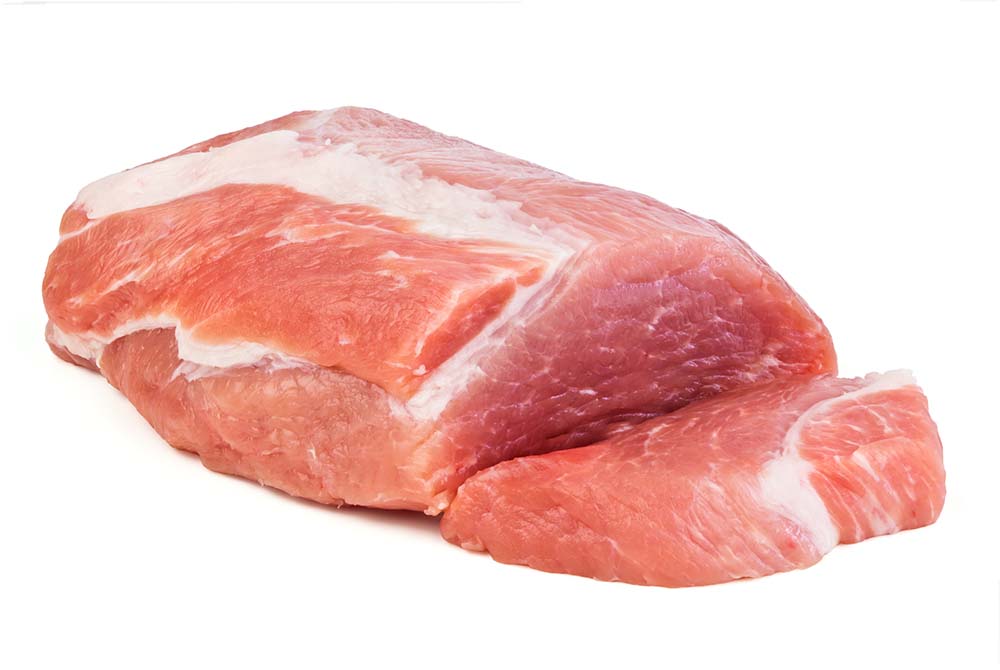
Whether you’re whipping up cat treats from scratch or exploring new cat treat recipes, making snacks at home ensures your pet gets whole-food goodness free of excessive additives. But if you want premium protein sources to use in your homemade cat treats, fresh chicken, salmon, and pork treats from JustFoodForDogs offer clean, human-grade options ideal for cooking.
Veterinarian-developed cat food products from JustCats provide balanced nutrition with transparent ingredients, making them perfect for incorporating into your diy treats. To explore more fresh formulas, delicious snacks, and cat-friendly options, check out the full JustCats collection.
Homemade Cat Treats FAQ
The best cat treats are high in protein and low in additives. Fresh chicken, tuna, and homemade bites made from quality ingredients are ideal.
Cats can safely eat small amounts of cooked chicken, salmon, yolk, egg white, pumpkin, and unsweetened yogurt. Avoid onions, dairy, grapes, and anything with added sugar.
Most cats gravitate toward strong-smelling foods like tuna, salmon, or chicken flakes. That’s why so many cat treat recipes use fish or poultry; they’re simply irresistible.
Sources
Cornell University College of Veterinary Medicine. 2017. “Feeding Your Cat.” Cornell University College of Veterinary Medicine. October 16, 2017. https://www.vet.cornell.edu/departments-centers-and-institutes/cornell-feline-health-center/health-information/feline-health-topics/feeding-your-cat.
Verbrugghe, Adronie, and Myriam Hesta. 2017. “Cats and Carbohydrates: The Carnivore Fantasy?” Veterinary Sciences 4 (4): 55. https://doi.org/10.3390/vetsci4040055.