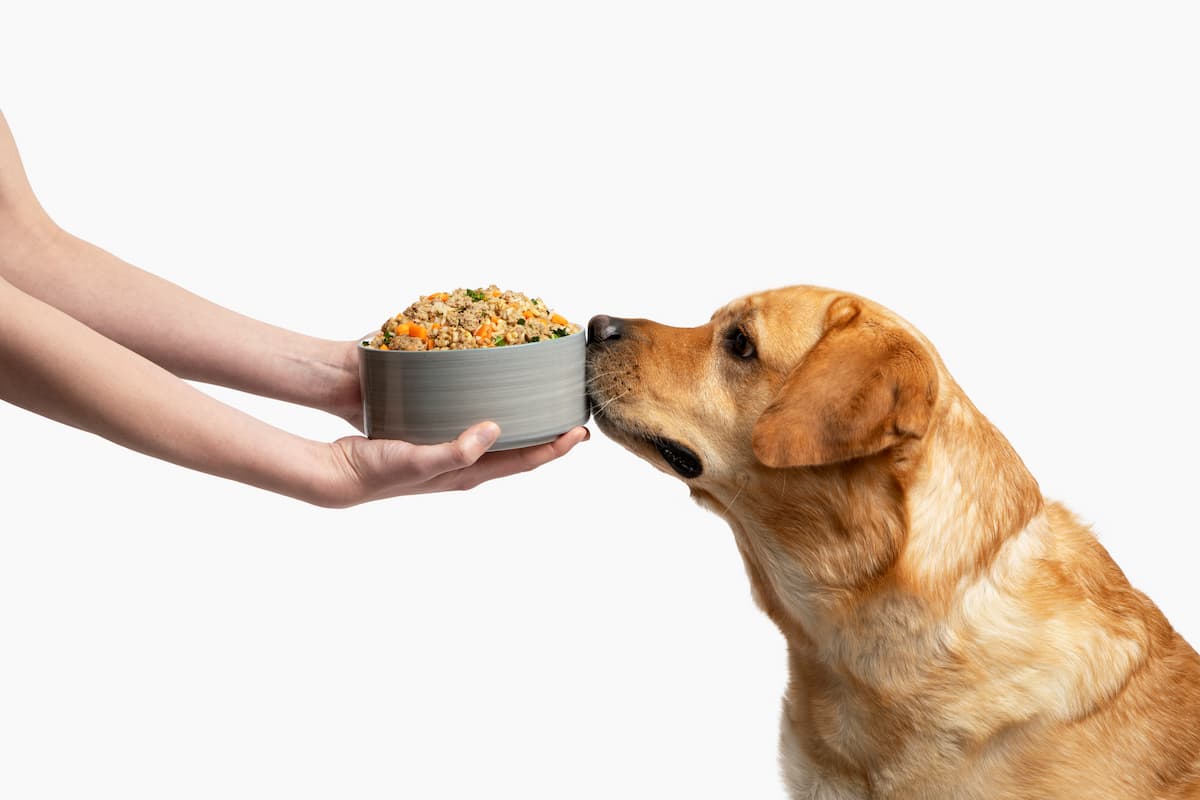
- Vitamin E is an essential antioxidant for dogs. Dogs can’t make it, so it has to come from food. This fat-soluble vitamin protects cells from free radical damage and supports the immune system, skin, coat and muscles.
- Most dogs already get enough. Complete and balanced commercial dog foods include vitamin E, so deficiency is uncommon. Risk goes up with long-term homemade diets, high-dose fish oil without added vitamin E, and conditions that affect fat absorption, such as GI, pancreatic or liver disease.
- Supplements are for vet-guided cases. Vets may recommend vitamin E for skin sensitivities, mobility issues, cognitive decline or liver disease. Dosing depends on your dog’s size, health and the reason for supplementing.
- Food can help fill small gaps. Eggs, salmon, spinach, safflower oil, sunflower oil or seeds, and wheat germ oil are all rich in vitamin E. Add them in small amounts and only if your vet recommends it.
Vitamin E is an essential nutrient for dogs. This means your pup needs to get this vitamin from food because her body can’t make it. This fat-soluble vitamin plays a key role in protecting your dog’s cells, supporting its immune system, and maintaining coat and skin health.
Like any vitamin or nutrient, more is not always better. What matters is ensuring your dog gets a safe, protective amount that supports health without causing potential harm.
Here’s what you should know about vitamin E for dogs benefits, how to recognize signs of a deficiency and how to make sure your pup gets enough.
What does vitamin E do for dogs?
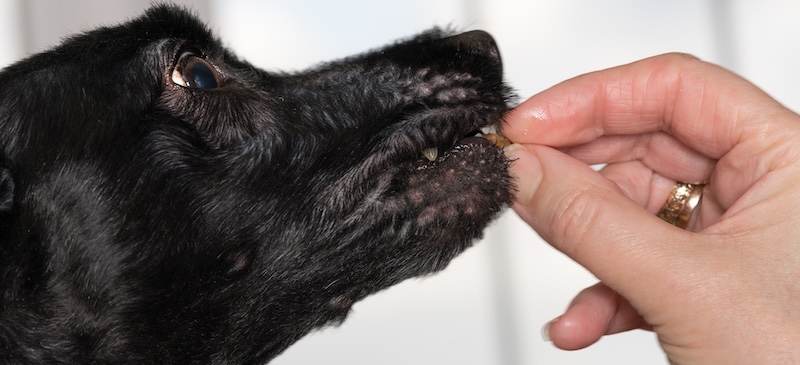
Vitamin E is a fat-soluble vitamin, meaning the body stores extra in fatty tissue and the liver, unlike water-soluble vitamins that the body can flush out through the urine. As an antioxidant, vitamin E helps neutralize unstable molecules called free radicals.
Without antioxidants like vitamin E, free radicals can cause oxidative stress that may contribute to aging or disease.
Although dogs usually get vitamin E through their diets, when applied topically, dog-safe products can help soothe and moisturize dry skin or provide relief from irritated paw pads.
Benefits of vitamin E for dogs
Vitamin E supports several important body functions in your pup. Here are some of the key roles it plays in helping maintain dog health:
- Antioxidant protection: Vitamin E helps neutralize free radicals before they can damage healthy cells. This protective function supports long-term health.
- Immune system support: Dogs need adequate vitamin E to support healthy immune responses. The immune system must function well to defend against infections without overreacting, causing allergic reactions or damaging healthy cells.
- Skin health: Vitamin E helps support collagen production, maintain moisture levels, limit skin irritation and reduce inflammation to optimize skin and coat health.
- Muscle function: Vitamin E is beneficial in maintaining healthy muscle tissue. Adequate intake helps keep muscles working properly.
- Cell membrane stability: Vitamin E protects cell membranes from oxidative damage, which helps keep your dog’s organs and tissues healthy.
- Circulation support: Enough vitamin E is important for normal blood clotting, blood flow and cardiovascular function.
- Reproductive health: Adequate vitamin E intake supports normal reproductive function in intact (not spayed or neutered) or actively breeding dogs.
Causes and signs of vitamin E deficiency in dogs
Vitamin E deficiency is uncommon in dogs who eat a complete and balanced diet. When it does occur, there are a few potential causes and certain signs you might notice at home.
Always contact your veterinarian if your dog develops any signs of illness or if you’re worried about a nutrient deficiency.
Causes of deficiency
- Homemade diet: If you make your dog’s food from scratch for more than a few days without guidance from a veterinary nutritionist, there may not be enough vitamin E (or other nutrients) to meet your dog’s needs.
- Fish oil supplements: Fish oil is rich in polyunsaturated fatty acids, and the body needs extra vitamin E to process these fats. If your dog takes a high dose of fish oil that does not contain added vitamin E, he could develop a deficiency.
- Malabsorption: Dogs with certain gastrointestinal, pancreatic or liver diseases may have trouble processing fat and absorbing fat-soluble vitamins from their diets. Dogs with these conditions may also have chronic diarrhea.
- Genetics: Some breeds may be more prone to conditions that affect how their bodies process or store vitamin E, though this is relatively rare.
Signs of deficiency
The following signs may develop if your dog isn’t getting enough vitamin E:
- Thin, dull or dry coat
- Skin itching and irritation
- Excessive skin licking
- Dry, flaky skin or skin rashes
- Muscle weakness
- Lethargy
- Reproductive issues
It’s important to remember that these signs have many possible causes. A veterinarian must examine your dog, review her health history, and run appropriate tests to determine what’s going on with your pet and if vitamin E deficiency could be part of the problem.
How to add vitamin E to your dog’s diet
Most dogs eating complete and balanced commercial dog food already get plenty of vitamin E in their diets. Dog food manufacturers must include a minimum amount of vitamin E in their formulas to support your pup’s health, and the ingredient also doubles as a natural preservative to help the food stay fresh longer.
To ensure your pup is getting the right amount of vitamin E, look for the AAFCO statement on the label stating that the food is complete and balanced for a specific life stage.
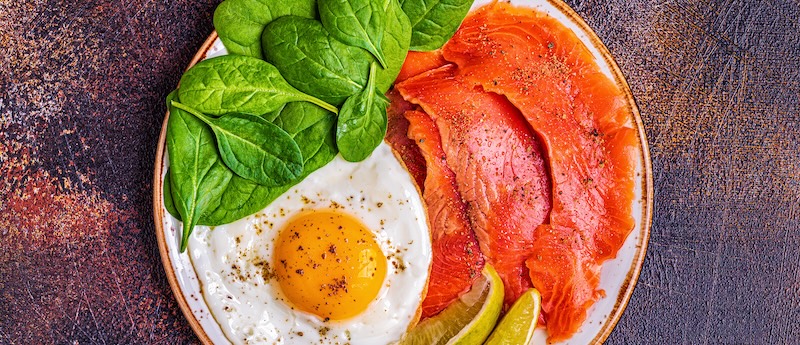
If your veterinarian recommends supplementing your pet’s diet, you can try adding these vitamin E-rich foods in small amounts:
- Eggs
- Salmon
- Spinach
- Safflower oil
- Sunflower oil or sunflower seeds
- Wheat germ oil
Vitamin E dosage for dogs
Your vet may recommend vitamin E supplements if your dog isn’t getting enough from its current diet, is recovering from malnutrition, or has another health condition like allergies or inflamed skin that may improve with additional support.
Vitamin E dosage for dogs varies depending on the dog’s size, overall health and the reason he needs supplements. Every dog is different, but many who need a supplement should get around two to three international units (IU) of vitamin E per pound of body weight daily, up to a maximum of 400 IU for large dogs, according to research published in the Canadian Journal of Veterinary Research.
Always talk to your veterinarian before starting any supplements, especially a fat-soluble vitamin, as excess amounts can build up in the body and cause toxicity or long-term harm. Do not use moisturizing vitamin E oils as an oral supplement for your dog, and be careful when applying these products topically, as licking them off could cause GI upset.
Veterinarians may recommend or prescribe vitamin E supplements for dogs dealing with conditions such as:
- Skin sensitivities: Pets with dry skin, allergic dermatitis or sensitive skin may benefit from vitamin E supplements to help support a normal skin barrier and moisture level.
- Mobility issues: Vitamin E may be combined with other supplements to reduce inflammation in dogs with osteoarthritis, painful joints or other mobility concerns.
- Cognitive decline: Antioxidants are an important part of the treatment strategy for older dogs showing signs of cognitive decline. These treatment plans often include vitamin E.
- Liver disease: Dogs with liver disease may need vitamin E supplements because their bodies have difficulty absorbing or storing fat-soluble vitamins. Antioxidants also support overall health in dogs with chronic disease.
Vitamin E toxicity is rare but possible if dogs receive high doses over long periods. If your vet recommends vitamin E supplements, it’s important to follow the instructions and avoid changing doses without consulting your vet first.
Support your dog’s health with balanced nutrition
Vitamin E is an essential and protective nutrient for dogs. Because our pups can’t make vitamin E in their bodies, they need to consume it in their diets to stay healthy. Most pets get plenty of this antioxidant from eating a complete and balanced dog food, but pet parents should learn the signs of deficiency and know when to contact their vets with concerns.
Veterinarians may recommend vitamin E supplements for dogs with certain health conditions, such as allergies or GI diseases. If your dog is healthy, feeding a high-quality, commercially prepared dog food is the best way to ensure she gets enough vitamin E and other nutrients to support overall health.
Frequently asked questions
Is vitamin E good for dogs?
Vitamin E is an essential nutrient dogs need to consume in their diets. It acts as an antioxidant and helps support moisturized skin, combat skin and immune conditions like allergies, reduce inflammation, and contribute to overall organ function and general health. However, more is not always better. Most dogs get enough vitamin E in their food, although veterinarians may recommend supplements for pets with specific health conditions or a known deficiency.
Does vitamin E help with dog warts?
There's no evidence that vitamin E is beneficial in treating dog warts, also called papillomas. Dog warts are caused by a virus, and most resolve on their own over time as the dog's immune system responds. Applying vitamin E topically may seem to help, but the body will heal the warts on its own with or without vitamin E.
Always check with your vet before attempting to treat any new or changing growths on your dog's skin.
Does vitamin E stop itching in dogs?
Vitamin E may help soothe itching related to allergic reactions, dermatitis or dry skin by supporting the skin barrier and reducing inflammation. However, vitamin E supplements won't address the underlying cause of the itching, such as an allergic reaction, a parasitic infection or contact with an irritant. Vitamin E may help bring relief when used alongside a comprehensive treatment plan from your vet.
Does coconut oil contain vitamin E?
Coconut oil contains only a small amount of vitamin E. Other oils, such as sunflower, safflower and wheat germ oils, provide significantly more vitamin E per serving. If you're formulating a special diet for your dog at home, these alternative oils, vitamin E supplements or vitamin E-rich foods ( such as eggs or spinach) may be better choices to help meet your dog's nutrient needs.
Consult a veterinary nutritionist before making your dog's food at home.
Is vitamin E good for my dog's paws?
Vitamin E is a common ingredient in moisturizing or protective products designed for your dog's paws. A dog's paw pads can become sensitive, dry or thick, and a vitamin E paw product may help.
Using small amounts of these products is generally safe, but don't let your dog lick them off their paws, as this may reduce their moisturizing effect. This is unlikely to cause any toxic effects, but it could cause GI upset.
- Jewell DE, Motsinger LA, Paetau-Robinson I. Effect of dietary antioxidants on free radical damage in dogs and cats. J Anim Sci. 2024 Jan 3;102:skae153. doi: 10.1093/jas/skae153. PMID: 38828917; PMCID: PMC11185959.
- Barroso C, Fonseca AJM, Cabrita ARJ. Vitamins, Minerals and Phytonutrients as Modulators of Canine Immune Function: A Literature Review. Vet Sci. 2024 Dec 16;11(12):655. doi: 10.3390/vetsci11120655. PMID: 39728995; PMCID: PMC11680413.
- Muršec A, Poljšak B, Nemec Svete A, Erjavec V. Antioxidant Strategies for Age-Related Oxidative Damage in Dogs. Vet Sci. 2025 Oct 9;12(10):962. doi: 10.3390/vetsci12100962. PMID: 41150102; PMCID: PMC12567870.
- Jewell DE, Toll PW, Wedekind KJ, Zicker SC. Effect of increasing dietary antioxidants on concentrations of vitamin E and total alkenals in serum of dogs and cats. Vet Ther. 2000 Fall;1(4):264-72. PMID: 19757574.
- Plevnik Kapun A, Salobir J, Levart A, Tavčar Kalcher G, Nemec Svete A, Kotnik T. Vitamin E supplementation in canine atopic dermatitis: improvement of clinical signs and effects on oxidative stress markers. Vet Rec. 2014 Dec 6;175(22):560. doi: 10.1136/vr.102547. Epub 2014 Sep 9. PMID: 25205675.
- Jewell DE, Yu S, Joshi DK. Effects of serum vitamin E levels on skin vitamin E levels in dogs and cats. Vet Ther. 2002 Fall;3(3):235-43. PMID: 12447830.
- Oliver JAC, Stanbury K, Schofield E, McLaughlin B, Mellersh CS. A TTPA deletion is associated with retinopathy with vitamin E deficiency in the English Cocker Spaniel dog. G3 (Bethesda). 2025 Apr 17;15(4):jkaf016. doi: 10.1093/g3journal/jkaf016. PMID: 39874248; PMCID: PMC12005162.
- Sebbag L, Forrat R, Canet E, Renaud S, Delaye J, de Lorgeril M. Effects of dietary supplementation with alpha-tocopherol on myocardial infarct size and ventricular arrhythmias in a dog model of ischemia-reperfusion. J Am Coll Cardiol. 1994 Nov 15;24(6):1580-5. doi: 10.1016/0735-1097(94)90158-9. PMID: 7930294.
- Alonge S, Melandri M, Leoci R, Lacalandra GM, Caira M, Aiudi GG. The Effect of Dietary Supplementation of Vitamin E, Selenium, Zinc, Folic Acid, and N-3 Polyunsaturated Fatty Acids on Sperm Motility and Membrane Properties in Dogs. Animals (Basel). 2019 Jan 24;9(2):34. doi: 10.3390/ani9020034. PMID: 30682789; PMCID: PMC6406517.
- Kawakami E, Kobayashi M, Hori T, Kaneda T. Therapeutic effects of vitamin E supplementation in 4 dogs with poor semen quality and low superoxide dismutase activity in seminal plasma. J Vet Med Sci. 2016 Jan;77(12):1711-4. doi: 10.1292/jvms.15-0294. Epub 2015 Aug 2. PMID: 26234739; PMCID: PMC4710737.
- C.E. Lenox, J.E. Bauer, Potential Adverse Effects of Omega-3 Fatty Acids in Dogs and Cats, Journal of Veterinary Internal Medicine, Volume 27, Issue 2, March-April 2013, Pages 217–226,
- Habermaass V, Bartoli F, Gori E, Cogozzo A, Pierini A, Erba PA, Mariti C, Citi S, Puccinelli C, Marchetti V. Serum Liposoluble Vitamins (A, D, E) in Dogs with Chronic Biliary Tract Diseases Versus Healthy Dogs. Vet Sci. 2025 Dec 12;12(12):1195. doi: 10.3390/vetsci12121195. PMID: 41472173; PMCID: PMC12737681.
- Association of American Feed Control Officials. (n.d.). Selecting the right pet food.
- Rhouma M, de Oliveira El Warrak A, Troncy E, Beaudry F, Chorfi Y. Anti-inflammatory response of dietary vitamin E and its effects on pain and joint structures during early stages of surgically induced osteoarthritis in dogs. Can J Vet Res. 2013 Jul;77(3):191-8. PMID: 24101795; PMCID: PMC3700444.
- Center, S. A. (2023). Nutrition in hepatic disease in small animals. In Merck Veterinary Manual.
- Stern, L. (2025). Toxicoses in animals from human multivitamins and supplements. In Merck Veterinary Manual.