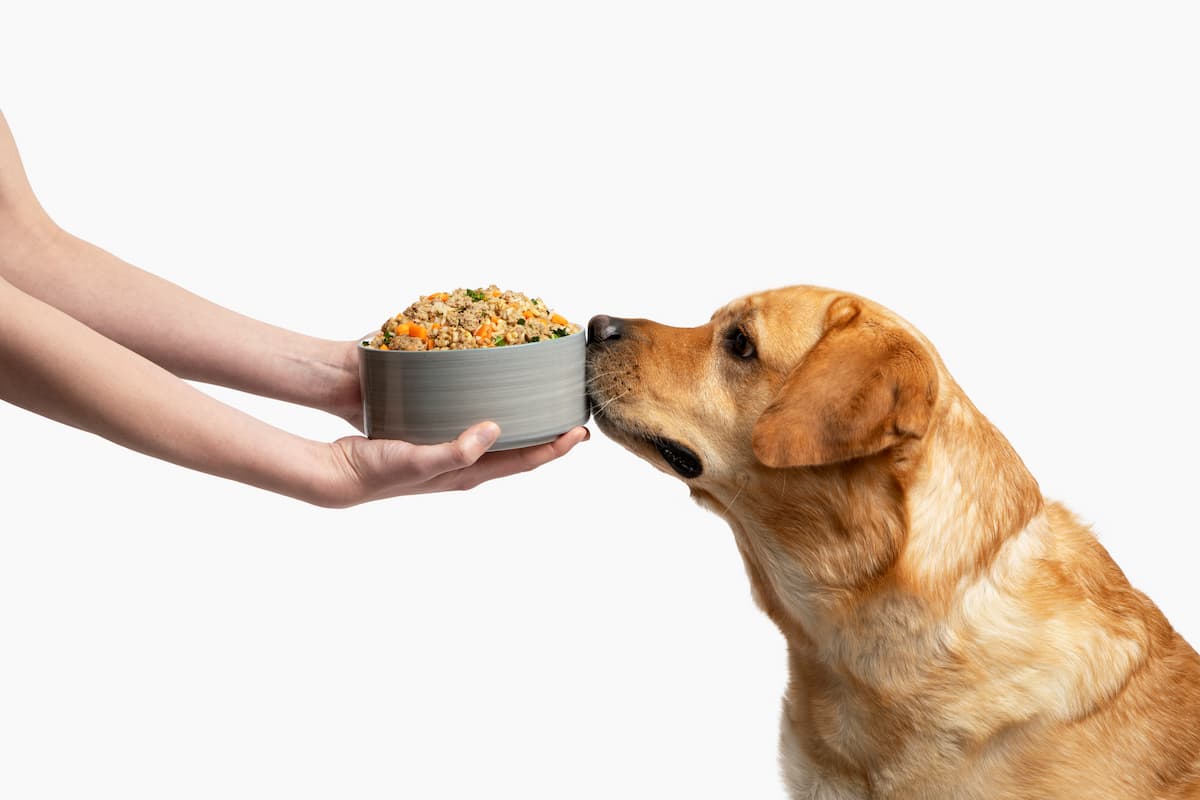
Most dogs will eat almost anything you give them, and then some. It’s no surprise that many dogs develop stomach upset at some point in their lives, but it can be stressful for a pet parent when their pup stops eating or develops vomiting, diarrhea, or loose stools.
Many pet parents wonder what to feed a dog with diarrhea or one who feels unwell. The right food can help them recover faster, but the wrong food can make them feel worse.
Here is our guide on what to feed a dog with an upset stomach, what dog foods to avoid, how to support recovery, and when to call your veterinarian.
Why do dogs have an upset stomach?
Anytime a dog is stressed or sick, they can develop digestive issues. Dogs can also have an upset stomach when they eat the wrong foods or have a gastrointestinal (GI) condition.
Major causes of an upset stomach in dogs include:
- Diet: Switching foods quickly, or feeding new treats, scraps, or table food, can overwhelm the gut, which needs time to adjust to new food ingredients. Eating food scraps from the trash can cause GI irritation, while ingesting a foreign object can lead to an obstruction.
- Food sensitivities: Some dogs don’t digest certain ingredients or food types well. Although uncommon, dogs can also develop food allergies.
- Disease: Infections, parasites, inflammatory conditions, and cancer can damage the gut lining or upset the gut’s bacterial balance (microbiome). Problems in the liver, kidneys, pancreas, or gallbladder, as well as behavioral conditions and stress, can also affect appetite and digestion in dogs.
Best foods to feed a dog with an upset stomach
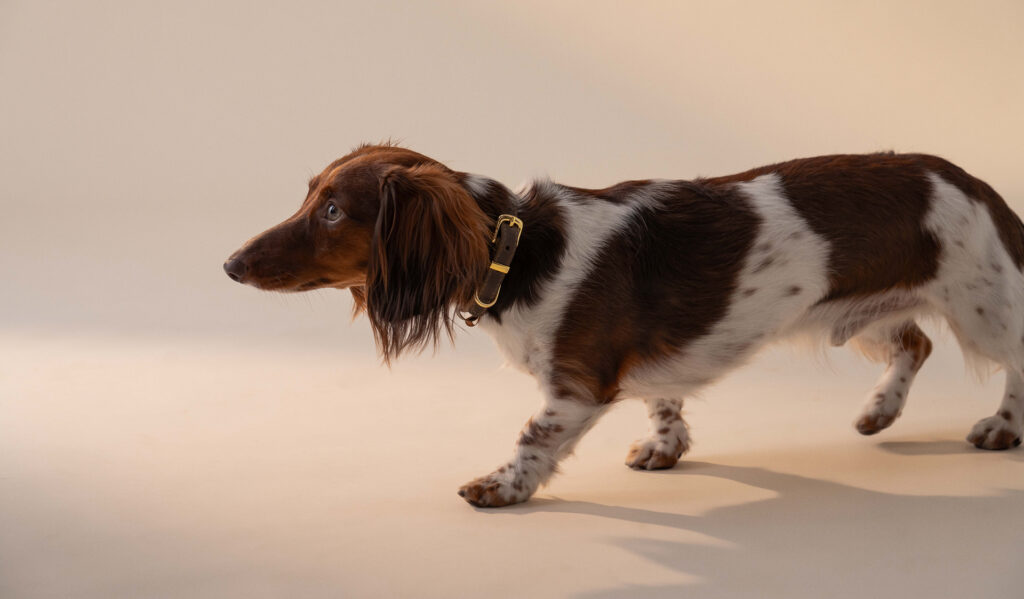
When your dog has occasional vomiting or loose stools, a bland, easily-digested diet can help. Here are a few foods to try the next time your pup has tummy trouble.
Boiled chicken breast
Plain, skinless boiled chicken breast is a lean source of protein. Remove the skin and visible fat, boil the meat in water without salt or seasoning, and cut it into small pieces before feeding.
White rice
White rice pairs well with boiled chicken to create a low-fat, bland diet that’s easy on the digestive system and helps firm up loose stools. Cook the rice in water without added salt.
Plain pumpkin
Plain canned pumpkin—not pumpkin pie filling—is a good source of fiber. A spoonful of pumpkin mixed into a bland diet helps absorb excess water in the gut and supports regular stools.
Cottage cheese
Low-fat or nonfat cottage cheese can be a good option for a bland diet in some dogs. Try a small amount at first to ensure it doesn’t cause gas or worsen diarrhea, which can happen in dogs who are sensitive to dairy.
Plain scrambled eggs
Scrambled eggs made without butter, oil, or milk are a highly digestible and complete protein source. Cook them until firm, then offer a small portion with or without rice. Eggs have a higher fat content, so add them to the list of dog foods to avoid if your pup usually eats a low-fat diet.
Plain yogurt
A spoonful of plain, unsweetened yogurt is a good source of probiotics and can add some moisture to bland food. Choose a version without artificial sweeteners and offer only a small amount at first.
Sweet potato
Cooked sweet potato offers fiber and slow-burning energy to help sick dogs recover. Peel a sweet potato, then boil and mash. Serve a few tablespoons alongside a lean protein.
Simple broth or bone broth
Low-sodium broth can tempt a dog who is feeling under the weather to eat and drink. Offer broth alone, poured over chicken and rice, or frozen into small cubes—but ensure the broth is low-sodium and free from onions or garlic.
Dog foods to avoid during stomach upset
Some foods make vomiting, diarrhea, and loose stools worse. When your dog has an upset stomach, stick to a bland diet and skip the following:
- Fatty meats: Bacon, poultry skin, or other fatty foods and treats can irritate the pancreas, which may lead to further GI upset or pancreatitis—a life-threatening condition.
- Dairy: While fine in small quantities for some dogs, the lactose in cheese, ice cream, and milk can cause gas and loose stools in sensitive dogs.
- Spicy or seasoned foods: Garlic and onions are toxic to dogs, and pepper or other spices can irritate the stomach and intestinal lining.
- Treats and table scraps: Human foods and some commercial dog foods can be difficult for dogs to digest if they include ingredients their GI tract isn’t used to. Fatty treats can also cause pancreatitis.
- Rawhides and long-lasting chews: Rawhides or large pieces of chews your dog swallows whole can sit in the stomach and irritate the lining, rather than moving through. In extreme cases, this can cause a digestive tract blockage.
Whatever you feed your dog, always make changes gradually. It’s OK to switch to a bland diet when your dog’s stomach is already upset, but you should plan a slow switch when going back to regular dog food.
Support hydration and gut recovery
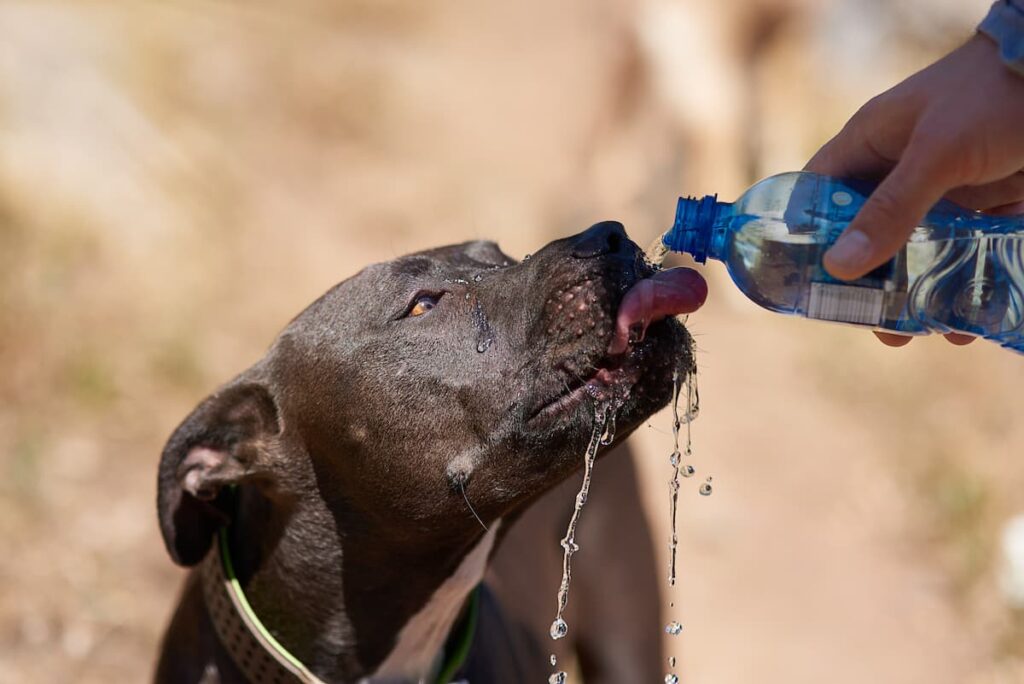
When a dog has vomiting and diarrhea, they can become dehydrated quickly. Small dogs and puppies are especially vulnerable because they have less water to lose. Here are a few ways to support hydration and help your dog’s gut recover:
- Keep fresh water available: Rinse and refill the water bowl several times a day to entice your dog to drink.
- Try ice chips: Some dogs prefer ice chips over a bowl of water when they feel queasy.
- Add broth: Low-sodium chicken or beef broth, without onions, garlic, or seasonings, can tempt a sick dog when added to their water or food.
- Use vet-approved electrolyte solutions: Ask your veterinarian if an oral electrolyte solution made for pets is appropriate for your dog
Dry gums, sunken eyes, and low energy can mean your dog is dehydrated. If you notice these changes, seek vet care right away. You should also call the vet if your dog won’t eat any food, is very lethargic, has belly pain, cannot keep food or water down, or has blood in their vomit or stool.
Gentle feeding routines
Abrupt food changes, feeding scraps or fatty foods, and offering chews or treats that don’t agree with your dog are common causes of GI upset. Dogs have sensitive digestive systems, and their GI tracts need time to adjust to changes.
Feeding your dog a high-quality, digestible food, keeping portions consistent, and changing diets slowly may help reduce the chance of digestive upset. If you need help choosing the right nutrition for your pup, your veterinarian can help you decide.