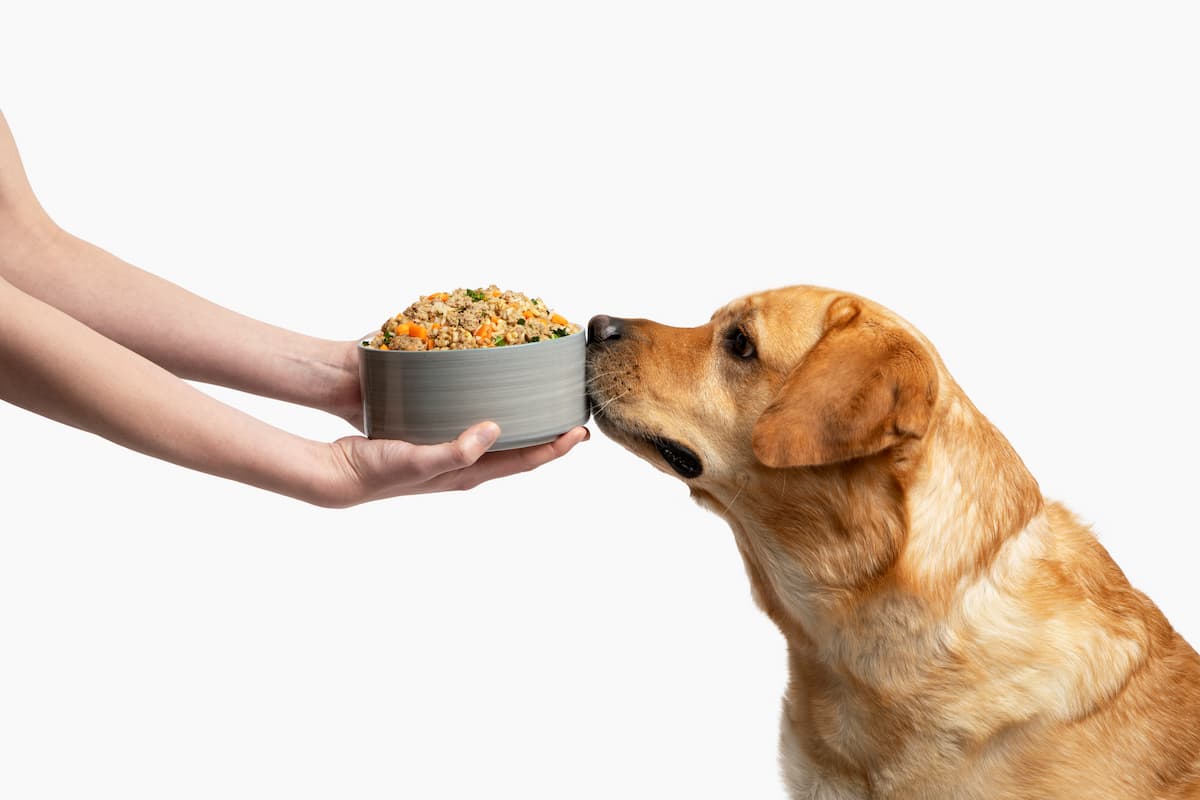
Most people assume dogs are carnivores. After all, dogs descended from wolves, wolves hunt, and dogs still have those unmistakable sharp canines built for tearing meat. But the science tells a more nuanced story.
Veterinary nutritionists and researchers classify dogs as omnivores, and some experts prefer an even more precise term: “facultative carnivore.” That word might sound technical, but it simply means dogs do best on a meat-forward diet while still being biologically equipped to digest and use plant material when needed.
This article breaks down how dogs are actually classified, what their digestive anatomy, teeth, and enzymes reveal about their evolutionary history, and why this distinction matters when you’re choosing what goes into your dog’s bowl. By the end, you’ll understand not just the label scientists use, but the biological evidence behind it and what it means for everyday canine nutrition.
Are Dogs Omnivores or Carnivores?
The direct answer: Dogs are scientifically classified as omnivores. This surprises a lot of pet owners, mostly because dogs belong to the biological order Carnivora. But taxonomic classification and nutritional classification are two completely different things, and confusing them is where the misunderstanding starts.
Carnivora is a classification based on ancestry, shared DNA, and physical traits like sharp canine teeth, not on what an animal actually eats. Dogs do belong in the Order Carnivora, but this does not make them carnivores; giant pandas also belong to the Order Carnivora, and pandas are strict herbivores. Other members of Carnivora include bears and raccoons, which are omnivores; polar bears eat meat, and dogs can eat both. Being part of this order does not mean every member follows the same diet. So the “Carnivora” label tells you about evolutionary lineage, not about what nutrients an animal requires to thrive.
This is why many veterinary nutritionists describe dogs as “facultative carnivores” rather than simple omnivores. A facultative carnivore sits between an obligate carnivore, which only eats meat, and an omnivore, which eats a fairly equal mix of meat and plant matter. Facultative carnivores eat a predominantly meat-based diet and need this to thrive, but they can also benefit from a smaller amount of plant matter. In other words, dogs are not indifferent to what they eat. They show a clear preference for meat and need animal-based nutrients to function well, but their biology also allows them to process grains, vegetables, and other plant foods in a way that obligate carnivores like cats simply cannot.
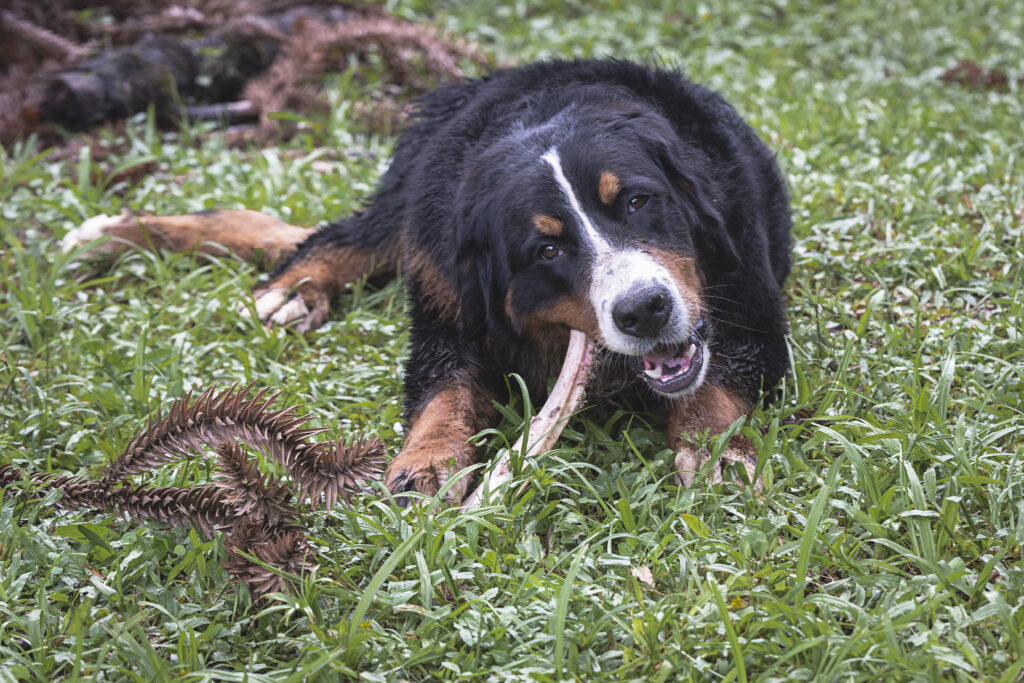
Why Are Dogs Omnivores: The Physiological Evidence
Classification isn’t just a label pulled out of thin air. It’s grounded in measurable biological evidence. When researchers compare the digestive anatomy, teeth, and enzyme systems of dogs against true obligate carnivores and strict herbivores, the dog consistently lands somewhere in between, with a clear lean toward meat. Here’s what the physiology actually shows.
Digestive System Design
A dog’s digestive tract offers some of the clearest evidence for omnivore classification. Dogs have a small intestine that occupies about 23 percent of total gastrointestinal volume, which is consistent with other omnivores, while the small intestine of cats occupies only about 15 percent. That extra intestinal length and volume matter because plant material and starches require more processing time and surface area to break down than meat alone. An obligate carnivore’s shorter, simpler digestive tract is built for rapid processing of protein and fat. A strict herbivore’s digestive tract, by contrast, often includes fermentation chambers to break down tough plant fiber.
Dogs fall in the middle. Unlike omnivores and herbivores, the dog has no fermentation chambers in either the small or large intestine, and their intestines are significantly shorter than those of a herbivore, with a ratio of intestinal length to body size comparable to that of humans. This digestive anatomy doesn’t match a strict herbivore, but it also doesn’t match the streamlined gut of strictly meat-eaters. It reflects an animal built to process a varied diet, with meat as the priority.
Teeth and Jaw Structure
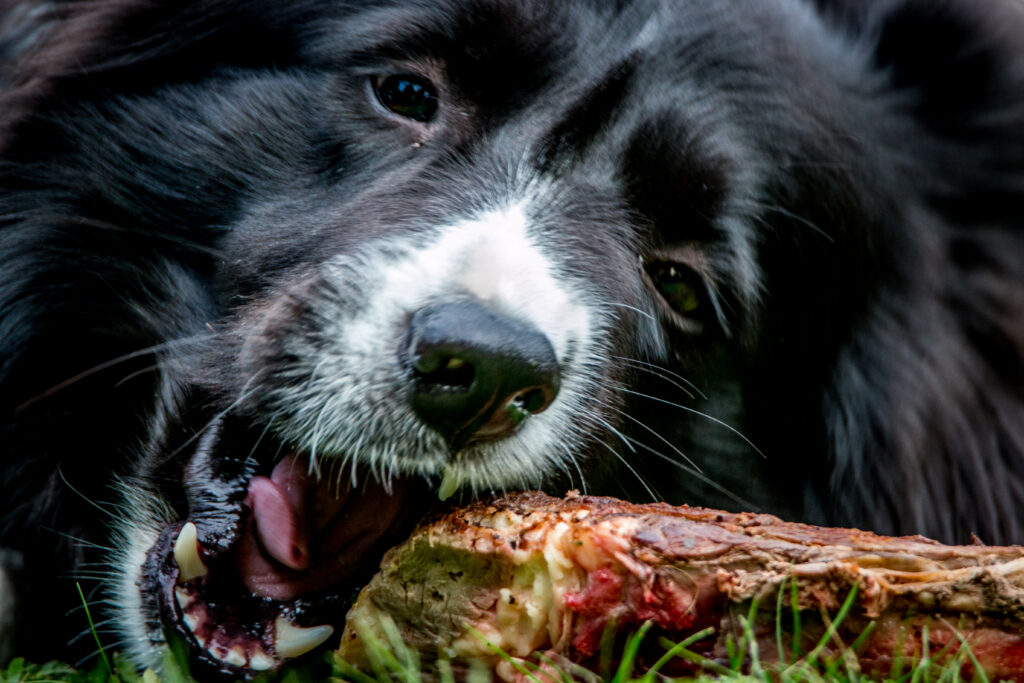
A dog’s mouth tells a similar story of adaptation rather than strict specialization. Dogs have prominent, sharp canine teeth designed for gripping, tearing, and shearing meat off bone, a trait shared with wolves and other wild dogs. But teeth alone don’t tell the whole story. Dogs also have molars with relatively flat surfaces designed to grind up bones as well as fibrous plant material.
This combination is the giveaway. An obligate carnivore’s jaw and teeth are almost entirely oriented around shearing and tearing meat and bone, with little to no capability to grind food, since they have no biological need to process plant material. A strict herbivore’s teeth, by contrast, are flattened and built almost exclusively for grinding fibrous vegetation. A dog’s mouth includes both the tearing power of a predator and the grinding capacity of an animal that can also process plant foods. That dual function is a hallmark of facultative carnivory.
Enzyme and Nutrient Adaptations
Perhaps the most compelling physiological evidence comes down to genetic evidence and enzymes, particularly amylase. Amylase is the enzyme responsible for starch digestion, and the difference between domestic dogs and wild dogs here is dramatic. Researchers studying dog domestication found that dogs had four to 30 copies of the gene for amylase, while wolves have only two copies, one on each chromosome, making the gene roughly 28-fold more active in dogs. That genetic shift translates into real digestive capability: more gene copies mean more amylase protein, and lab studies suggest dogs are roughly fivefold better than wolves at digesting starch, the primary nutrient in agricultural grains like wheat and rice.
This genetic adaptation likely emerged during early domestication, when food waste from human settlements provided dogs with a new dietary niche compared to their carnivorous ancestors. Over thousands of years, the genetic profile of dogs evolved alongside humans, and their bodies adapted to a more opportunistic diet that included more starches and carbohydrates than a wolf or other meat-eaters would ever encounter in the wild.
Beyond amylase, dogs have other notable dietary enzyme and nutrient adaptations. Dogs have an intestinal enzyme that can convert the beta-carotene found in plants into active vitamin A, and they can also convert linoleic acid, an essential fatty acid, into arachidonic acid at a high enough rate to meet their needs. Cats, as true obligate carnivores, lack this conversion ability and must get preformed vitamin A and arachidonic acid directly from animal sources. The fact that dogs can synthesize these nutrients from plant-derived building blocks, much like humans and pigs can, is strong evidence against the idea that dogs are biologically locked into a strict meat-only diet.
Why Animal Protein Matters in a Dog’s Diet
None of this physiological flexibility means that a meat diet providing animal protein is optional or interchangeable with plant protein in a dog’s diet. Dogs cannot efficiently synthesize every amino acid they need on their own, which means certain essential amino acids have to come from the diet itself, and animal-sourced proteins are typically the most complete and efficient way to supply them. These amino acids support a wide range of everyday functions, from maintaining lean muscle to supporting the steady energy a dog relies on for normal daily activity.
This is an important nuance; omnivore status does not mean plant and animal protein are nutritionally equivalent for dogs. Just because a dog’s digestive system can process plant material doesn’t mean plant protein delivers the same amino acid profile, digestibility, or nutrient density that animal protein does. Animal-based proteins tend to supply amino acids in proportions that more closely match what a dog’s body actually needs, which is part of why so many veterinary nutritionists continue to recommend a diet for dogs where quality animal protein plays a central role.
It’s worth framing this as a proactive nutritional choice rather than a response to any specific health issue. A diet rich in high-quality animal protein isn’t a treatment for a problem; it’s simply a sound, biologically informed way to support a dog’s everyday bodily functions, from healthy muscle maintenance to sustained energy throughout the day. Every dog is different, though, and factors like age, breed, activity level, and individual health status all influence exactly how much protein, and from which sources, a dog needs. A veterinarian is the best resource for working out the right balance of protein sources and overall feeding approach for your individual dog.
Good Nutrition Is the Foundation of Your Dog’s Health
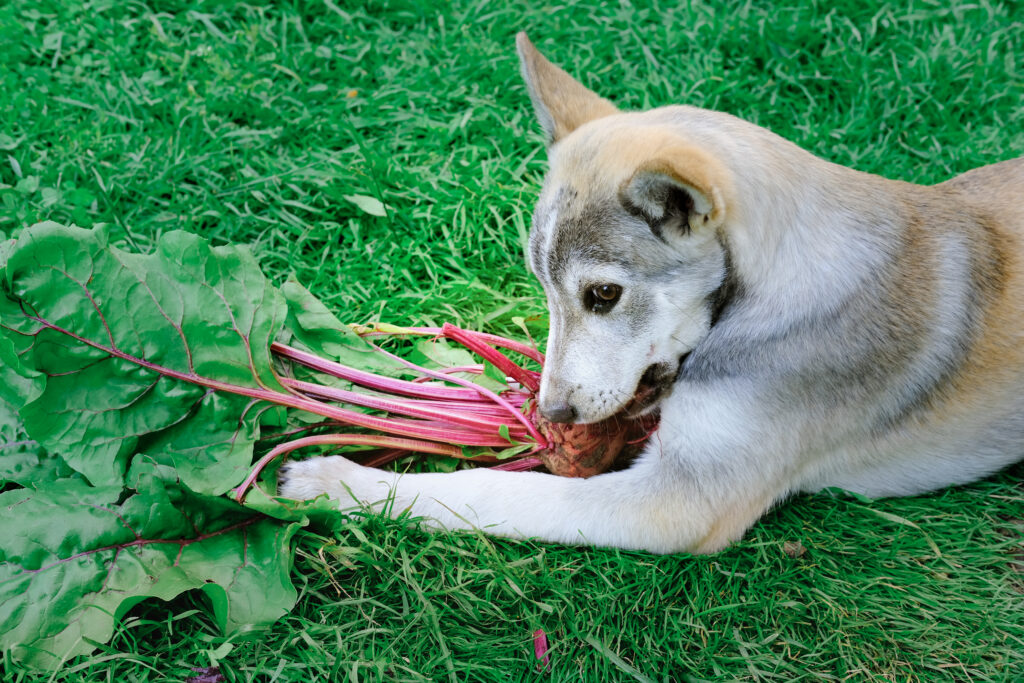
The science is clear: dogs are scientifically classified as omnivores, and many experts more precisely describe them as facultative carnivores, animals that thrive on meat but retain the digestive flexibility to benefit from some plant-based nutrition as well. This classification isn’t just academic. It reflects real, measurable differences in digestive anatomy, tooth structure, and enzyme systems that set dogs apart from both obligate carnivores like cats and strict herbivores.
Understanding this biology can help guide better everyday feeding decisions. A diet, like the recipes created by JustFoodForDogs, that emphasizes high-quality animal protein as part of a complete and balanced nutritional plan aligns with what the science shows dogs need to support normal body function and long-term wellness. At the same time, every dog has individual needs shaped by age, breed, size, and activity level. Working with your veterinarian is the best way to determine the feeding approach and the right balance of protein sources that fits your dog as an individual.
Final Thoughts
Dogs occupy a unique nutritional middle ground. Their place in the order Carnivora reflects ancestry, not diet, and the physiological evidence, from a longer digestive tract to grinding molars to a dramatically expanded capacity for starch digestion, points clearly toward omnivore, or more specifically, facultative carnivore, classification. For pet parents, the best path forward is a complete, balanced diet built around high-quality animal protein, tailored to your dog’s individual needs under your veterinarian’s guidance.