You probably don’t wake up thinking about taurine for dogs. But if you’ve heard of it, you might wonder, “Is taurine good for dogs?” “Do I need a taurine supplement for dogs?”
You may even wonder, “What are the symptoms of taurine deficiency in dogs?”
The short answer is yes, taurine for dogs is important for heart health and your dog’s overall wellness, but most dogs don’t need a taurine supplement unless your veterinarian recommends one.
In this guide, we’ll explain what taurine is and why it matters for your dog’s heart and overall health. Plus, we’ll cover the many taurine benefits for dogs, symptoms of a taurine deficiency, and when veterinarians may recommend a taurine supplement for dogs.
What is taurine for dogs, and why is it important
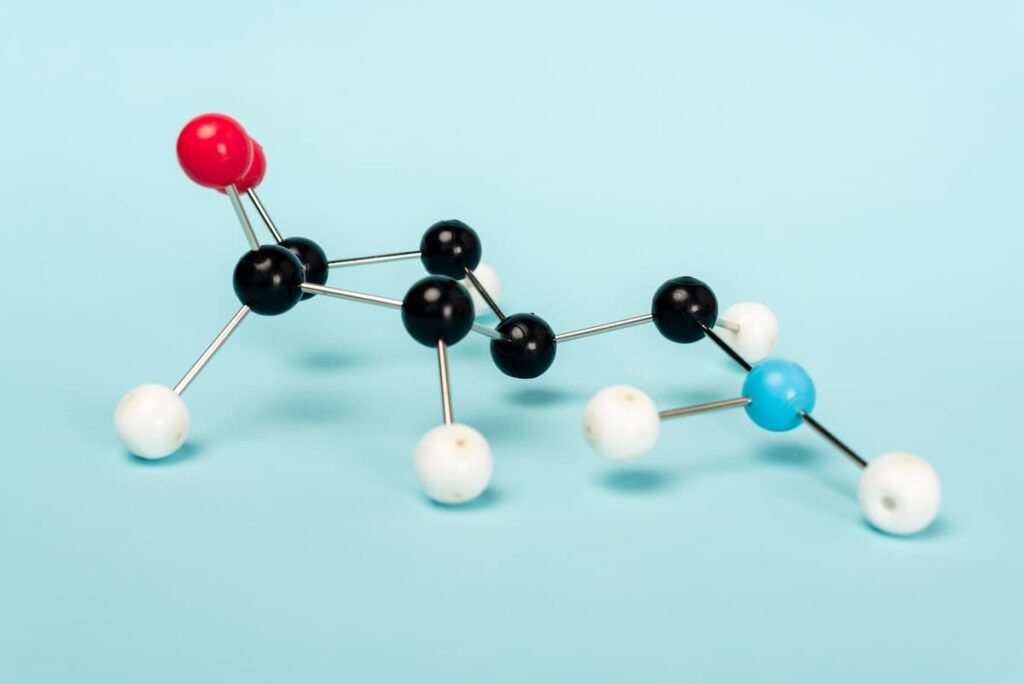
Taurine for dogs is an amino acid–like compound that supports heart function, muscle activity, vision, and brain health. Most dogs produce taurine from amino acids in their diet, but low levels of it can affect heart health and overall wellness.
Most dog foods provide the essential building blocks your pup needs to make taurine, and some pet foods include taurine supplementation, which you’ll see on the ingredients list as “taurine.”
Taurine is especially important for the heart muscle, which is why veterinarians are studying its possible connection to secondary Dilated Cardiomyopathy (DCM). This serious disease weakens and enlarges the heart.
Most dogs can synthesize taurine from dietary nutrients, such as methionine and cysteine. However, some dogs develop a taurine deficiency due to diet, genetics, or health conditions.
Taurine levels may become a concern in situations like:
- Underlying health conditions impact how your dog absorbs or processes taurine, especially if they have digestive issues.
- Non-traditional diets may not provide enough protein or the right amino acids, such as methionine and cysteine, to meet your dog’s nutritional requirements.
- Certain breeds, including Golden Retrievers, Doberman Pinschers, Irish Wolfhounds, American Cocker Spaniels, and Newfoundlands, can be prone to taurine deficiency and may require supplementation.
- Unexplained changes in energy or heart health are signs to schedule an appointment with your veterinarian. They can check your pup’s taurine levels as part of the evaluation.
Taurine production depends on how dogs process amino acids in their diet. Amino acids like methionine and cysteine come from protein in pet food. If a diet doesn’t provide enough of these building blocks, your dog may not produce taurine efficiently, even if the food looks complete on paper.
Veterinarians focus on a balanced diet that includes enough amino acids. In many cases, taurine for dogs is less about direct intake and more about how the body uses nutrients from food.
The benefits of taurine for dogs
Taurine supports several essential functions in your dog’s body. When your dog’s taurine levels are where they should be, everything runs smoothly, and your dog is healthy. When they’re not, health issues can appear.
Here are some of the key taurine benefits for dogs, especially when their diet provides the right balance of amino acids and protein:
Heart health
Taurine plays a critical role in maintaining healthy heart muscle function. Low taurine levels are linked to dilated cardiomyopathy, a condition affecting how effectively the heart pumps blood. Pet parents might start wondering bigger questions about heart health, like can dogs have heart attacks?
Brain health
Taurine supports normal neurological function, helping regulate signaling in the brain and nervous system.
Eye health
Taurine supports healthy retinas and helps maintain your dog’s vision.
Immune health
Taurine helps regulate inflammation and supports the overall immune system.
Muscle function
Taurine also supports your dog’s muscles, which helps maintain coordination and energy levels. If you’re wondering which nutrients your dog needs to stay healthy, this guide walks you through the essentials.
Taurine plays an important role in dogs’ health, and most dogs that eat a complete and balanced diet produce enough on their own. Though if your veterinarian finds a taurine deficiency, they may recommend taurine supplements.
Symptoms of taurine deficiency in dogs
The common symptoms of a taurine deficiency in dogs can be subtle. Symptoms include low energy, difficulty exercising, coughing, and even fainting. In more serious cases, taurine deficiency may affect heart function and lead to dilated cardiomyopathy.
If your dog shows any of these symptoms without an obvious cause, it’s worth a trip to the veterinarian. Catching early symptoms can make a big difference in your pup’s health.
Taurine for dogs is closely tied to diet, especially how dog food and pet food provide protein and amino acids. When a dog’s diet doesn’t support the right balance of amino acids, taurine levels may drop over time, which can lead to symptoms of taurine deficiency in dogs. This is why veterinarians evaluate both diet and overall health before recommending taurine supplementation or a taurine supplement for dogs.
Taurine supplements for dogs

Most dogs do not need a taurine supplement for dogs if they eat a complete and balanced diet, but your vet may recommend supplementation if they identify a deficiency. A vet with a confirmed deficiency may recommend a taurine supplement for dogs.
Veterinarians may recommend a taurine supplement for dogs when:
- Blood tests show low taurine levels
- A dog is diagnosed with taurine-responsive heart disease
- There’s a known dietary or absorption issue
Ongoing research suggests that dogs with taurine deficiency often improve with targeted supplementation and dietary adjustments.
Managing taurine deficiency
If your veterinarian identifies a taurine deficiency, they’ll want to help you fix the underlying issue. There’s a reason why the levels dropped in the first place, so find out why and make any necessary adjustments.
That process usually starts with an overall evaluation, including diet and medical history. In some cases, they may test your dog’s heart and do an echocardiogram if there’s any concern about dilated cardiomyopathy.
From there, a treatment plan may include:
- Adjusting the diet to improve sources of taurine and protein balance
- Adding taurine supplements under veterinary supervision
- Monitoring heart health over time
Your veterinarian will likely schedule follow-up visits to monitor improvement and ensure your dog is responding as expected. In many cases, this combination will help restore your dog’s normal taurine levels and improve overall health.
Feeding your dog a balanced diet helps your dog stay healthy. Ensure your dog’s food provides enough high-quality protein and the nutrients needed to synthesize taurine.
Some grain-free diets can lead to a taurine deficiency because some formulations may rely more on plant proteins than animal proteins, leaving your dog without essential nutrients.
The breed influences how veterinarians approach the dog’s treatment. For example, Golden Retrievers can develop a taurine deficiency linked to dilated cardiomyopathy (DCM). A diet change and taurine supplementation can help, while other dog breeds are different. Doberman Pinschers are already at risk of DCM, so veterinarians often monitor their heart health closely regardless of taurine levels.
For larger and giant breeds, such as Newfoundlands, Great Danes, and Irish Wolfhounds, metabolism and protein requirements change how taurine is processed over time. This is why veterinarians pay close attention to both diet and taurine supplementation. They work together.
Overall, managing a taurine deficiency is about getting nutrients to work together rather than adding a single nutrient.
Supporting your dog’s health with balanced nutrition
The right levels of taurine matter, but it’s only one part of your dog’s overall health. The dog food quality plays a major role in taurine levels, since dogs rely on protein and amino acids in their diet to produce taurine naturally.
Balanced dog food provides adequate protein, proper amino acid balance, and nutrients that support taurine synthesis. Other nutrients like omega-3 fatty acids and trace minerals like manganese are also important for your dog’s overall health.
As a comparison, taurine is an essential amino acid for cats, which is why it’s discussed more urgently in feline nutrition.
For pet parents who want more guidance, working with your veterinarian to choose carefully formulated meals can make a difference. They can give you options designed to complement veterinary recommendations and help ensure your dog is getting balanced, targeted nutrition.
Of course, every dog is different, so this isn’t a one-size-fits-all prescription. Pet parents can learn about dog nutrition. But monitoring your dog’s behavior and maintaining a regular veterinarian care schedule supports your dog’s health and quality of life.
Final thoughts
You don’t need to micromanage every nutrient in your dog’s diet to be a great pet parent. But you do notice when your dog acts “off” and monitor their behavior in case they need vet care. If your dog seems healthy and eats a well-balanced nutritional diet, he’s probably getting adequate levels of taurine, but it’s always worth knowing about.