Bad breath in dogs is a common concern among pet parents. Although your dog’s diet can affect how their breath smells, there are also many health-related reasons for stinky breath. Here are the most common reasons your dog’s breath may smell off, daily care habits to help keep your dog’s breath fresh, and when you should call the vet to investigate a smelly mouth.
Why does my dog’s breath stink?
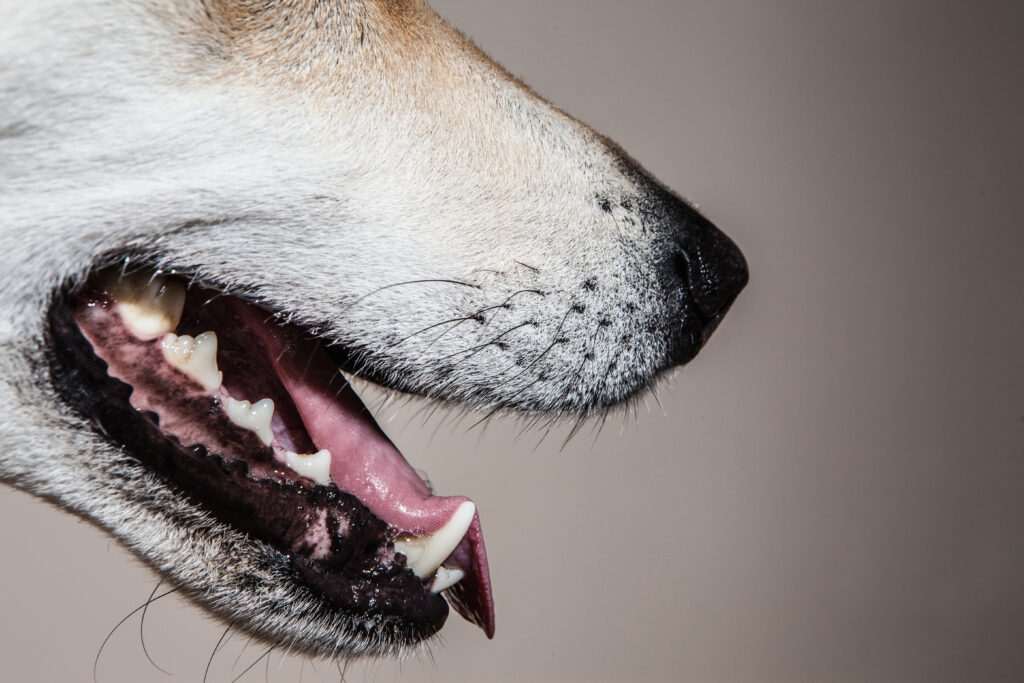
Bad breath in dogs, also known as halitosis, has several possible causes. Usually, the odor stems from an untreated dental health problem, such as gum disease, which can become uncomfortable for your pet over time. Breath that smells like ammonia or has a fruity, metallic, or sweet quality may indicate another problem.
Here’s what may be causing your dog’s bad breath.
Plaque and tartar
Plaque is the sticky film that forms on teeth after meals or throughout the course of the day. If you don’t remove plaque from your dog’s teeth by brushing it away or offering a chew, it hardens into a buildup called calculus (or tartar) along the gumline.
Bacteria thrive in plaque and tartar buildup, producing foul-smelling compounds that cause bad breath. Dogs with significant plaque buildup may also develop gum disease, periodontal disease, and gingivitis, all of which can worsen the odor and lead to tooth decay and gum infection. Routine dental exams and oral home care can help.
Food debris
Depending on the dog’s breed and diet, food, hair, or other debris from play or exploration may become trapped between their teeth or along the gumline. As with tartar, bacteria thrive in the trapped debris, resulting in a noticeable smell. Regularly checking your pup’s mouth and brushing their teeth daily will help remove trapped debris.
Low water intake
Having a dry mouth, which can develop if your dog pants excessively in dry heat or plays or exercises for a long time without stopping to take a drink, can allow odor-causing bacteria to multiply. Keeping fresh water available in clean bowls around your home gives your pup plenty of opportunities to drink.
Chewing on non-food objects
Some dogs enjoy chewing on sticks, mulch, chew toys, and other non-food items. Some of these objects may introduce bacteria into the mouth, and pieces of material can get wedged between the teeth, wrapped around the tongue, or even stuck in the palate or cheeks.
Rope fibers, splinters, and other debris can cause pain, infections, and bad dog breath. If your dog is a heavy chewer and develops a sudden mouth odor or frequently paws at their mouth, take them to the vet to check for foreign objects.
What your dog eats
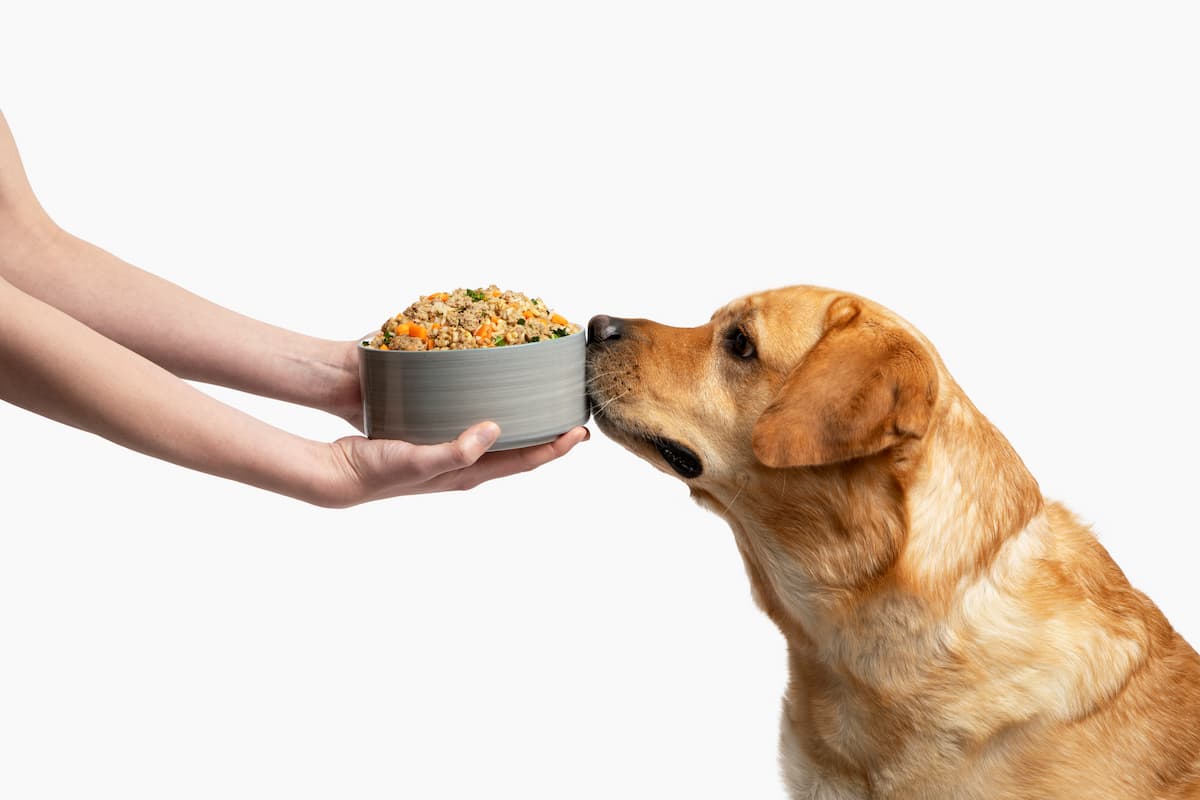
What goes into your dog’s mouth and body can affect how their breath smells. Dogs who eat trash, animal feces, or their own poop will develop bad breath for obvious reasons. Some commercial diets with heavily processed ingredients, oxidized fats, or pungent proteins, such as fish, can also leave a lingering odor. Feeding your dog a quality food made from whole ingredients may help reduce breath odor over time.
How to get rid of your dog’s bad breath
Once you understand the common causes, you can put a treatment plan for dog bad breath into action. Here are a few simple habits to try.
Regular toothbrushing
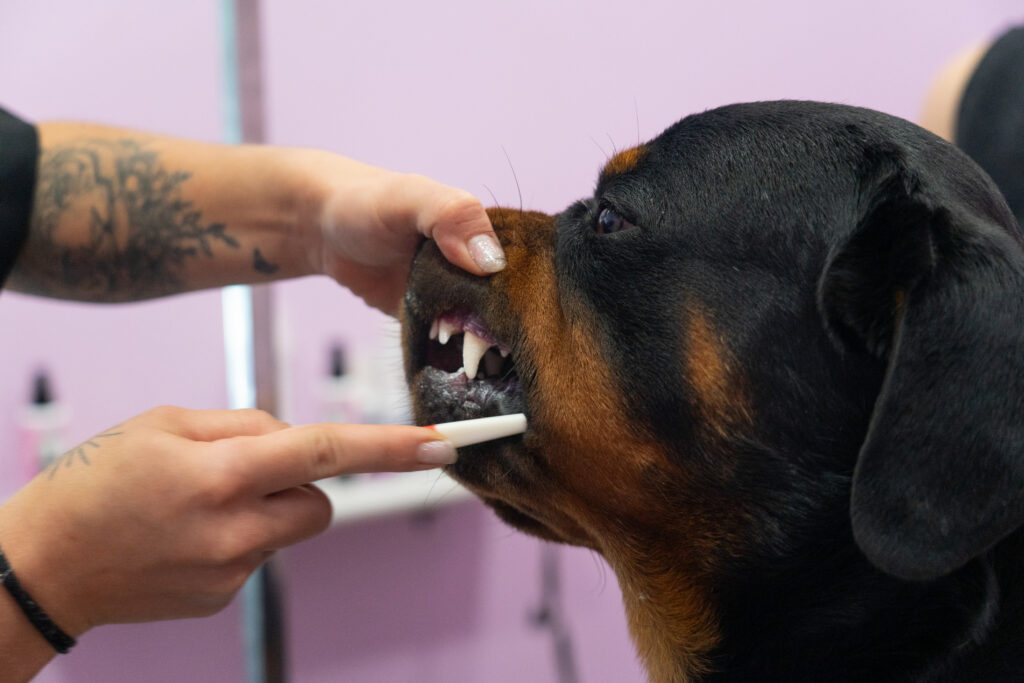
Toothbrushing is the gold standard for home dental care and the most effective way to remove plaque from your pup’s teeth. Brushing your dog’s teeth with a soft toothbrush and dog-safe toothpaste daily (or at least a few times per week) helps remove odor-causing plaque and bacteria, keeping breath fresh and helping to prevent tartar buildup that can irritate the gums.
Many dogs accept toothbrushing when pet parents introduce the concept slowly and keep it positive. Ask your vet to show you how to get started and recommend the best toothpaste and toothbrush for your dog.
Dental treats and chews
Although not as effective as toothbrushing, dental treats and dog chews help remove plaque and tartar through chewing. Plus, it gives your pup something enjoyable to do. Look for dental chews that carry the Veterinary Oral Health Council (VOHC) seal of acceptance, which means they’ve been proven safe and effective for improving oral health in dogs.
Water additives and oral rinses
Water additives, oral rinses, and dental sprays can help freshen your dog’s breath between brushing sessions. These products often contain ingredients such as chlorhexidine or natural additives that help reduce oral bacteria, improve overall oral health, and freshen breath. Never use human dental products on dogs, as many of them contain toxic ingredients, such as the sugar substitute xylitol.
Fresh water access
Providing constant access to fresh water, frequently replacing your pet’s water, and cleaning their food and water bowls daily are easy steps you can take to help reduce bacteria in your dog’s mouth. Clean water helps wash away debris and food particles and keeps your pup hydrated, preventing dry mouth that may contribute to bad breath from your pup’s food.
Diet change
Diet may play a role in your dog’s breath, though research on the link between diet and oral health in dogs is still limited. Every dog has a unique oral microbiome, or bacterial balance, so some foods are more likely than others to leave a lingering odor. If your dog eats highly processed kibble, ask your vet whether switching to a fresh-food formula made with whole, human-grade ingredients is worth trying. That said, persistent or sudden bad breath should always be checked by your vet first to rule out dental disease or other underlying health issues.
Alternatively, there are veterinary prescription dental diets that include specially designed kibble and added enzymes to help clean pets’ teeth as they eat. Some pet parents may also try natural remedies, such as adding a bit of parsley, a natural breath freshener, to their dog’s food, but you should always check with your vet before introducing anything new.
Veterinary care
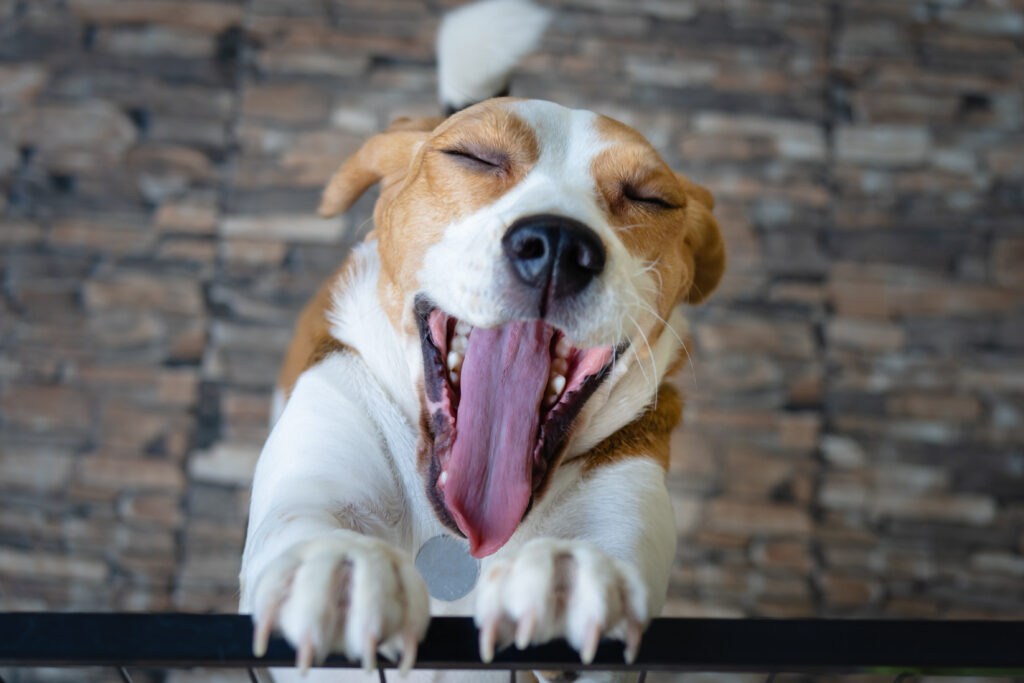
If your dog’s bad breath doesn’t improve with simple home care, or if you notice a sudden change in the way their breath smells, talk to your veterinarian. Persistent bad breath can be caused by a hidden oral health issue, such as an infected tooth, periodontal disease, or buildup of debris.
Bad dog breath may require medical treatment, such as a professional dental cleaning under anesthesia. Your vet will perform an oral health and dental exam and may order additional tests to determine the root cause of your pup’s smelly breath and rule out systemic issues such as kidney disease, liver problems, or diabetes.
How nutrition supports your dog’s everyday wellness
Maintaining fresh breath in your dog requires a daily oral hygiene routine and proactive habits, including regular veterinary checkups to identify and treat any potential causes of bad breath. Alongside vet dental care as a long-term health strategy, high-quality, balanced nutrition helps to support everyday wellness.
JustFoodForDogs creates fresh, veterinarian-formulated meals made from human-grade ingredients to support your pup’s well-being. Check out our best-selling dog foods and custom options, or ask your vet to recommend the right fit for your pup.
FAQs about bad breath in dogs
This content is for informational use only and does not replace professional nutrition and/or medical advice, diagnosis, or treatment. It is not a substitute for and should not be relied upon for specific nutrition and/or medical recommendations. Please follow your veterinarian’s instructions and talk with to them about any questions or concerns.