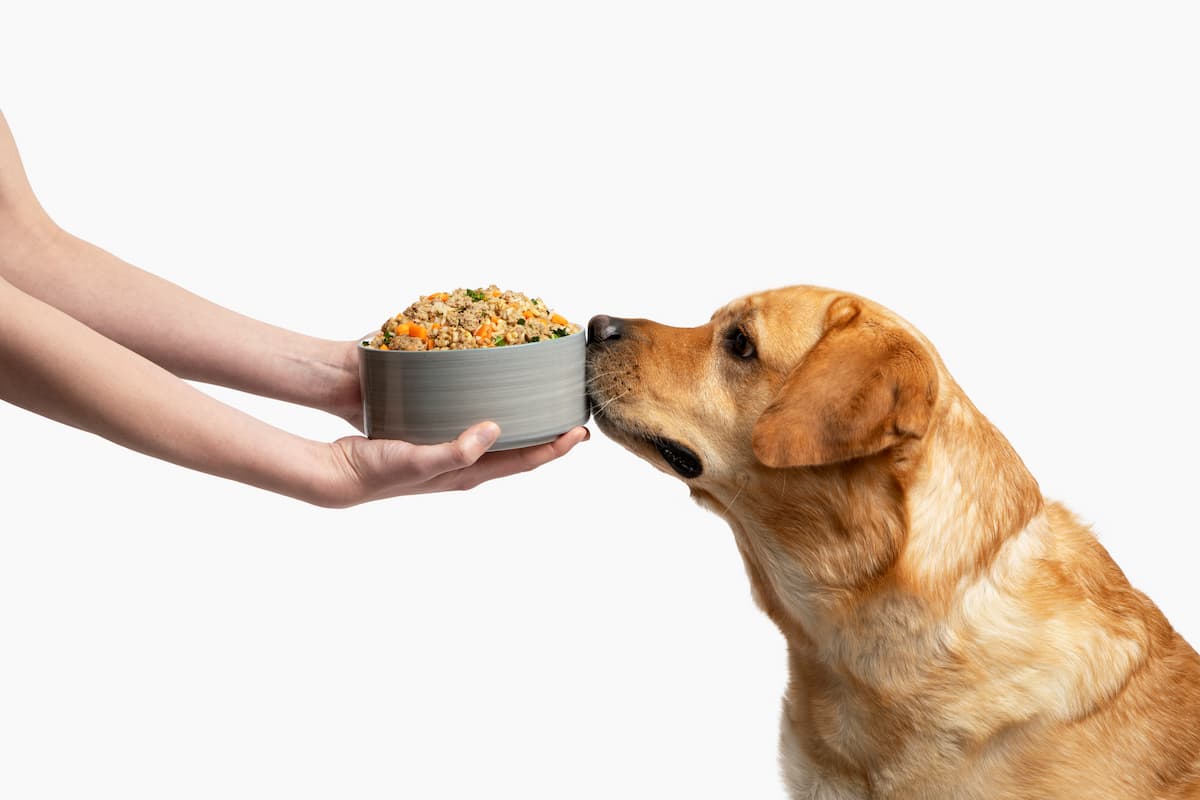
Some pet parents try everything before switching their pup to appropriate food for overweight dogs. If you’ve tried everything — portioning out the kibble, limiting snacks and dog treats, never (OK, rarely) offering your dog table scraps — but your pooch is still packing on the pounds, know that you’re not alone in your struggle.
According to the most recent data from the Association for Pet Obesity Prevention, more than 59 percent of dogs are overweight.
The good news is that sustainable weight loss in dogs is achievable, and nutrition is one of the most powerful levers available. Excess weight can increase a dog’s risk of chronic health problems and may contribute to a shorter lifespan.
This guide is designed to help you understand how weight-loss dog foods actually work. You’ll also learn how to choose food safely for your dog’s specific situation and how to build the kind of consistent, practical routine that supports lasting results rather than short-term fixes.
Why should my dog lose weight?
Although it’s tempting to view your adorably pudgy pup’s extra pounds as simply “more to love,” the sobering truth is that excess weight has a serious impact on your dog’s health. And there’s nothing adorable about that.
The conditions below aren’t reserved for severely obese dogs — research shows risk climbs with even modest weight gain:
- Type 2 diabetes. Excess body fat is associated with changes in insulin sensitivity and glucose metabolism. Overweight dogs are diagnosed with diabetes 3x more often than dogs that maintain an ideal weight.
- Heart disease. Obesity in dogs can change the structure of their hearts and affect cardiac function.
- Osteoarthritis. Excess weight stresses your dog’s joints, increasing wear and tear and contributing to the development and progression of osteoarthritis
- Joint injuries. Heavier dogs place greater mechanical stress on ligaments and tendons with every step.
- High blood pressure. Obese dogs may have higher systolic blood pressure than dogs at a healthy weight.
- Respiratory problems. Excess weight can make breathing more difficult and may worsen respiratory function in some dogs.
- Reduced lifespan. Taken together, these compounding health burdens translate to real years lost — studies suggest a dog’s extra pounds may contribute to a shorter lifespan by up to 2.5 years.
How to tell if my dog is overweight?
Addressing weight gain before it becomes a bigger health issue is important. But it’s not always easy to tell when a dog is overweight.
To prevent obesity from becoming a serious health threat for your dog, take a proactive approach. That’s why Jessica Wilson, DVM, suggests using the same technique veterinarians use to gauge your pet’s weight: body condition score.
Because dogs come in all shapes and sizes due to breed, sex, and age, there’s no universal weight chart that applies to all dogs. Telling whether a dog is overweight is less about the number on the scale and more about their body condition score.
Veterinarians rely on a visual assessment and physical exam to assign a body condition score. The score is based on how much fat your dog is carrying on their frame. An overweight dog will have:
- a sagging stomach
- thick waist
- broad back
- a layer of extra padding covering their ribs.
Large and small breeds alike with an ideal body condition have visible waistlines, an abdominal tuck where their stomach arches toward their hips, and ribs that can be easily felt without excess fat.
Key nutrients to look for in weight loss dog food
Protein is particularly important during calorie restriction because adequate dietary protein helps support lean muscle mass as dogs lose weight. A high-protein weight loss food may use ingredients such as meat, fish, or chicken meal as protein sources.
Fiber adds bulk to meals and may help support satiety while keeping calorie density lower.
Moisture content can increase food volume without increasing caloric load. Fresh and wet dog food generally contains substantially more moisture than dry dog food, which can increase the volume of food a dog receives within a calorie target.
Fat should be moderated but not eliminated. It’s essential for absorbing fat-soluble vitamins, supporting skin and coat health, and making food palatable. The goal is appropriate fat from quality sources — not the lowest fat content possible.
L-carnitine is an amino acid compound that supports fat metabolism by helping transport fatty acids into cells where they can be used for energy. Carnitine is included in some weight-management diets.
Omega-3 fatty acids provide essential fatty acids and may help support joint health, which is especially important for overweight dogs.
What are the best foods for weight loss in dogs?
There’s no single lowest calorie dog food or best dog food for weight loss. The right choice depends on your dog’s medical history, how much weight they need to lose, and whether they can stay comfortable and satisfied during calorie restriction. Understanding how different dog food formats work helps you have a more informed conversation with your vet rather than defaulting to whatever’s marketed as the “best dog food” for weight management.
Veterinary therapeutic diets
Prescription weight-management diets are often formulated to provide complete and balanced nutrition during calorie restriction. Depending on the formula, they may use different levels of protein, fat, and fiber to support weight management and help preserve lean muscle mass. Pet parents researching veterinary weight-management foods may also come across searches for science diet options. Your vet can help determine which type of therapeutic diet is appropriate for your dog’s individual health and nutritional needs. Vet recommended dog food for weight loss may include veterinary therapeutic diets used under veterinary supervision.
High-protein commercial weight control dog foods
Over-the-counter weight loss diets for dogs vary widely in nutrient composition and calorie density. Some high protein weight-control foods are formulated to help preserve lean muscle mass during weight loss. Check the calorie content and complete nutrient profile rather than assuming that every food labeled for weight management is a low fat or low-calorie option.
Fresh or wet dog food
To help your dog lose weight, Dr. Wilson recommends considering weight-loss dog food made from high-quality, fresh, whole-food ingredients as an option for weight loss and overall wellness in dogs.
If your dog is accustomed to another type of food, transitioning your pet to whole foods gradually can help them adjust to the change.
“With fresh whole food, the big advantage is that your dog’s going to absorb more of the nutrients and can actually eat a larger volume of food and feel full. They’ll also benefit from increased energy from the nutrients,” Dr. Wilson says. “You’re going to have an easier time helping them lose the extra weight.”
JustFoodForDogs Healthy Weight dog food, for example, is specifically formulated to help dogs reach and maintain a healthy weight while supporting lean muscle mass. The Fish & Sweet Potato meal is another low-fat dog food recipe with healthy carbohydrates, L-carnitine-rich fish, and antioxidants that Dr. Wilson recommends.
“It’s made with fresh whole foods, including white fish that is low in fat and rich in healthy fatty acids. And it contains a lot of fiber from vegetables, which promotes satiety,” says Dr. Wilson.
Homemade diets under veterinary supervision
Homemade diets give pet parents the most control over ingredients and calorie density, but they carry real risk if not properly balanced. Nutrient deficiencies are common in home-prepared diets put together without professional guidance. If you’re interested in this route, working with a board-certified veterinary nutritionist to develop a recipe tailored to your dog’s specific needs is essential, not optional. A nutritionist can also adjust the plan as your dog loses weight, since calorie and nutrient needs shift over the course of a weight-loss program.
Choosing the right fresh dog food recipe for weight loss
When choosing a fresh recipe, start with your dog’s individual calorie and nutritional needs rather than assuming one recipe is right for every overweight dog. For example, JustFoodForDogs offers recipes such as Turkey & Whole Wheat Macaroni, but the appropriate choice and portion depend on your dog’s body condition, activity level, health, and weight-loss target. Your veterinarian can help you choose a complete and balanced recipe and determine how much to feed.
How to choose the best weight loss food for your dog
Navigating the options is easier when you have a clear starting point. Follow these steps to move from assessment to action:
- Start with a veterinary assessment. Before changing your dog’s food for weight loss, get a professional baseline.
- Calculate a realistic calorie target. Your vet or a veterinary nutritionist can determine your dog’s resting energy requirement and set a daily calorie ceiling designed to produce gradual, safe weight loss.
- Choose a dog food format that supports satiety at reduced intake. Select a dog food that delivers complete, balanced nutrition within that budget while keeping your pup comfortable and satiated. Your vet can also help determine whether a particular weight loss diet for dogs is appropriate for your pet’s medical and nutritional needs. If you’re weighing fresh food against kibble, learning more about how kibble may affect your dog’s quality of life can help you discuss the options with your vet.
- Measure portions accurately. Use a kitchen scale or another precise measuring method to make sure your dog’s actual intake matches the feeding plan.
- Monitor progress. Regular weigh-ins and body condition assessments can help you and your vet determine whether the plan is working and make adjustments as your dog loses weight. Real-world weight-loss experiences, such as this story about an overweight Lab, can also help pet parents understand why monitoring and adjusting the plan over time matter.
Feeding strategies that promote weight loss
Choosing the best dog food is only part of the equation — how and when you feed your dog matters just as much. These practices help maximize results while keeping your dog comfortable enough to stay the course toward a healthy weight. If you’re wondering “how to help my dog lose weight,” consistent feeding and portion management are just as important as choosing an appropriate weight loss food.
- Measure every meal accurately. Eyeballing portions is one of the most common reasons weight-loss efforts stall. Use a digital kitchen scale rather than a measuring cup — kibble density varies enough between brands that volume measures of dog food can be unreliable.
- Split daily portions of dog food into smaller meals. Two or three meals a day rather than one large one may reduce hunger between meals.
- Restructure how you use treats. Treats should make up no more than 10% of your dog’s daily calories. Rather than cutting them out entirely, factor them into the daily calorie budget — low-calorie options like carrot slices or plain cooked chicken let you reward freely while staying within your dog’s daily calorie target.
- Use dog food as enrichment. Kibble slow-feeder bowls, dog food puzzle feeders, and snuffle mats extend mealtime and provide enrichment without added calories.
- Track progress consistently. Weekly weigh-ins at the same time of day give meaningful trend data. A simple log of weight, food amount, and treat intake gives your vet something concrete to work with to help your dog continue to lose weight.
- Rule out medical causes if progress stalls. “If your dog’s weight is not moving even after you’ve dropped the calories, then there may be something medically going on with your overweight dog,” adds Dr. Wilson. Conditions like hypothyroidism and Cushing’s disease can contribute to weight gain and make weight loss more difficult.
Help your dog lose weight with a balanced, targeted diet
The best dog food for successful weight loss depends on your individual dog’s needs. Feeding less is necessary, but it’s not sufficient on its own. A well-designed weight-loss diet needs to preserve lean muscle mass, support satiety so dogs remain comfortable during restriction, and deliver complete, balanced nutrition at reduced calorie levels — because a dog losing weight is still a dog with full nutritional needs.
For pet parents looking for a structured, evidence-based approach, the JustFoodForDogs Healthy Weight recipe is a vet recommended dog food for weight loss option worth considering. Its higher moisture content can increase meal volume within a calorie target, while the recipe provides carefully balanced nutrients to support dogs during weight management.
JustFoodForDogs Targeted Nutrition recipes are formulated with veterinary guidance to support specific health needs, including weight loss, using fresh, human-grade ingredients and carefully balanced nutrients. This can provide pet parents with a structured nutrition option that complements a veterinarian-led weight-reduction plan. Talk with your vet about whether Targeted Nutrition or another feeding approach is appropriate for your dog.
Frequently Asked Quesitons
Why is palatability important in weight-loss dog foods, and what are some suggestions for maintaining a dog’s interest in eating during a weight management diet?
Palatability in weight-loss dog foods matters because your dog is more likely to eat the recommended food in the appropriate portions.
Transition gradually to a new weight loss food and stick to scheduled feeding times and measured portions. If your dog needs a little encouragement, ask your vet about adding a small amount of a low-calorie topper or water to enhance aroma and moisture without derailing the daily calorie target.
How can fiber and water content in dog food help weight management without compromising essential nutrients?
Fiber and moisture can help reduce a food’s calorie density while increasing meal volume, which may help dogs feel satisfied while staying within their daily calorie target. A complete and balanced weight-management food is formulated to provide essential nutrients even when calories are restricted.
High-fiber vegetables can provide fiber with relatively few calories, but toppers and other additions should be included in your dog’s overall calorie allowance.
Fresh and wet dog food generally contains more moisture than dry dog food. Adding water to dry dog food can also increase a meal’s moisture and volume without adding calories.
How long does it take for a dog to lose weight safely?
Research suggests establishing a weight loss goal of 0.5 percent to two percent of body weight per week, which ranges from a few ounces to 1.5 pounds for a 75-pound dog (and even less for small breeds like dachshunds and pugs).
“Give them a couple of weeks of being just on this dog food, and then reassess their weight,” recommends Dr. Wilson. The slow pace can be frustrating for pet parents, but it is the best approach for long-term success.
Can exercise replace diet changes for dog weight loss?
Getting your pup moving is important, but a proper weight-loss dog food and nutrition plan is key for overweight dogs to reach a healthy weight. Exercise can support a weight-loss plan and provide important physical and mental benefits, but it shouldn’t replace appropriate calorie and portion management. Ask your vet what type and amount of exercise is appropriate for your dog, especially if your pooch has mobility or other health concerns.