Many dogs experience a sensitive stomach at some point in their lives. They may struggle with vomiting or loose stools because of stress, diet changes, intolerances, infections, food allergies, or simply their genes. For pet parents, it can be frustrating and confusing to figure out the right food to help their dog feel better.
Wet dog food can be a smart choice for a sensitive stomach dog diet. Canned diets are higher in moisture than dry kibble, have a stronger aroma that appeals to dogs who aren’t feeling well, and may be easier to digest. But not all wet food diets are created equal for dogs with sensitive stomachs.
This guide walks you through what to look for when shopping for the best wet dog food for sensitive stomachs, what causes digestive upsets, signs your dog has a sensitive stomach, and ways to support your pet’s digestion.
Best food for dogs with sensitive stomachs

Here are a few wet dog food options from JustFoodForDogs, along with qualities to look for when choosing a food for dogs with digestive issues.
Fresh Dog Food for Sensitive Stomachs
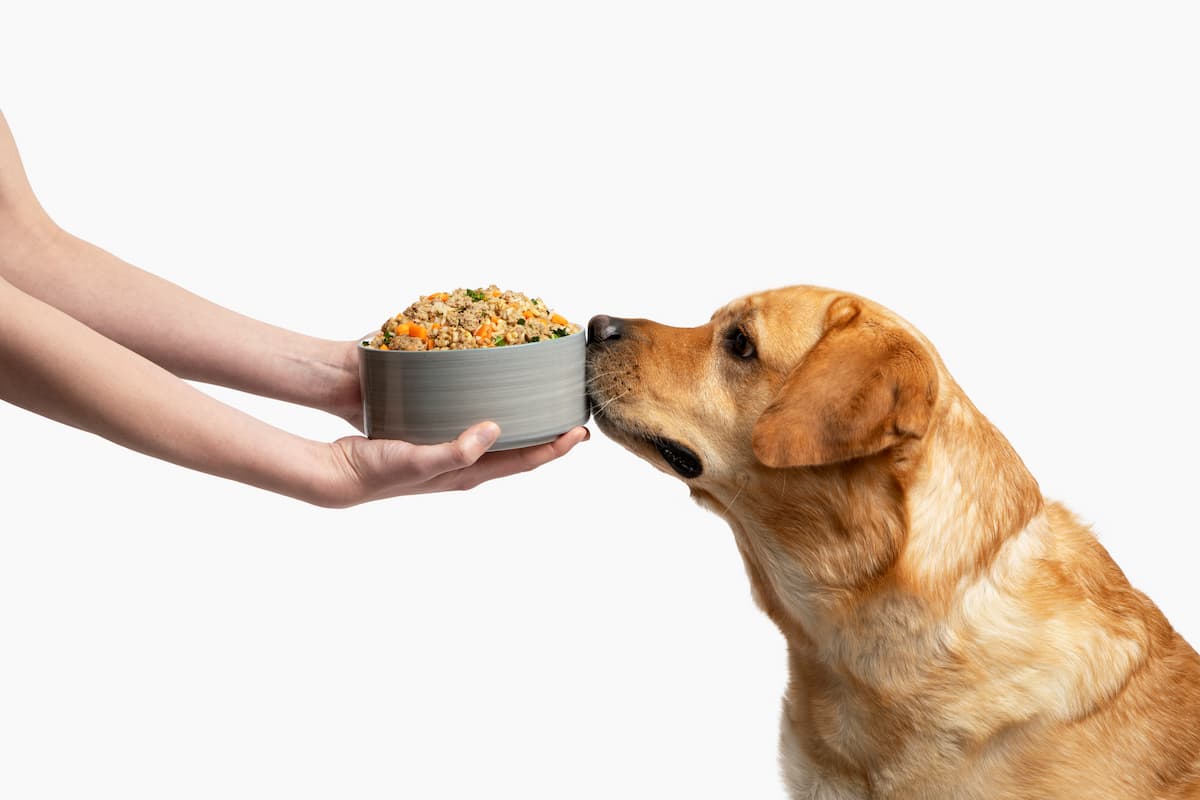
JustFoodForDogs Sensitive Stomach is a diet formulated for dogs with sensitive stomachs. Made with turkey and rice, a lean protein and a gentle carbohydrate, this recipe is lightly cooked, and vet-recommended for dogs experiencing diarrhea, vomiting, or other signs of a dog’s upset stomach.
Single-protein recipes
Some dogs are sensitive to common dietary proteins, such as chicken or beef. Feeding a single-protein food flavor based on a less common protein, such as fish or duck, can help you determine which proteins your dog digests well and whether they could have a true food allergy.
Grain-free or low-fat options
While grains like rice can be easy ingredients to digest, some dogs may benefit from grain-free recipes. Others may need a low-fat diet to help manage conditions like pancreatitis. Always consult your veterinarian before switching to any of these specialty dog foods.
Human-grade meals
Our wet dog food is made with recognizable ingredients, such as chicken, vegetables, and rice, each lightly cooked to preserve nutrients. Feeding human-grade foods means your dog won’t need to deal with trying to digest artificial additives or mystery ingredients.
Highly digestible formulas
Canned dog food with lean proteins, limited fat content, and balanced vitamins and minerals may be easier to digest for some dogs. Wet food made with ingredients such as chicken, turkey, eggs, salmon, or whitefish is often easier for a sensitive gut.
What causes a sensitive stomach in a dog?
Understanding why your dog has a sensitive stomach can help you choose the right dog food and avoid recurring digestive issues. Sometimes, the problem is temporary, such as a sudden diet change or eating something off the ground. At other times, a sensitive stomach may indicate a more chronic issue that requires veterinary attention.
Here are some of the most common causes of a sensitive stomach in dogs:
- Sudden changes in diet: Switching to a new dog food too quickly can throw off your dog’s digestive balance.
- Food allergies or intolerances: Dogs with food intolerances may struggle to digest certain ingredients, while dogs with food allergies develop inflammation in the skin or gut.
- Low-quality or overly processed dog food: Cheaper pet food may contain lower-quality ingredients that are processed more and harder to digest than higher-quality options.
- Underlying illnesses: Conditions such as inflammatory bowel disease (IBD), pancreatitis, intestinal parasites, or an altered microbiome (i.e., dysbiosis) can make a dog’s stomach more sensitive.
- Stress or anxiety: Changes in routine, travel, or daily stressors like separation anxiety can result in temporary or chronic vomiting or diarrhea in sensitive dogs.
- Breed or genes: Some dog breeds are more likely to have issues with digestion, such as Wheaten terriers, and some individual dogs are simply born more prone to a sensitive gut.
Since there are many possible causes, you may wonder, “Why does my dog have a sensitive stomach?” Your veterinarian can help you answer that question by investigating medical causes and guiding you toward the best dog food for digestive issues.
How to tell if your dog has a sensitive stomach

Many pet parents want to know, “How do I know if my dog has a sensitive stomach?” The signs can be subtle at first or mistaken for a passing issue, but when digestive upset becomes a pattern, it’s time to take a closer look.
Here are the most common signs of dog upset stomach to watch for:
- Vomiting or regurgitation: Frequent vomiting, especially after meals, may indicate that your pup is sensitive to something in their food.
- Loose stools or diarrhea: Changes in stool consistency or frequency may signal a diet that’s too high in fat or contains hard-to-digest ingredients.
- Excess gas or bloating: A gassy pup may be reacting to specific proteins or fibers in their diet.
- Loss of appetite: If your dog suddenly turns up their nose at mealtime or seems disinterested in food, they may have belly pain or nausea caused by their sensitive stomach.
- Lethargy after eating: Dogs with sensitive stomachs may appear sluggish or uncomfortable after meals.
The symptoms of sensitive digestion can overlap with more serious digestive health conditions, so it’s essential to consult your veterinarian before choosing a wet dog food for sensitive stomachs.
What to look for when buying dog food for sensitive stomachs
Choosing the best wet dog food for digestive upset starts with understanding ingredients. Here are some key things to look for when shopping for a canned diet:
- Easily digestible proteins: Lean muscle and organ meats from turkey or fish may be easier on the stomach than rich red meats.
- Simple or limited-ingredient formulas: Fewer ingredients reduce the risk of allergies or intolerances.
- Gentle fiber sources: Pumpkin, rice, and other vegetables or grains provide a variety of fiber types to support gut health and the microbiome. However, too much fiber or indigestible fiber can cause loose stools.
- Low to moderate fat content: Too much fat can stress or inflame the pancreas (i.e., pancreatitis), or cause diarrhea from undigested fat passing through.
- Added prebiotics and probiotics: Gut-friendly fiber sources (i.e., prebiotics) and friendly bacteria (i.e., probiotics) support a balanced microbiome and improve digestive health over time.
- Human-grade, whole-food ingredients: Dog food made with whole, minimally processed ingredients may be easier on a sensitive stomach than highly processed foods cooked at high temperatures.
- AAFCO-approved nutrition: Choosing a diet with an AAFCO statement ensures your dog receives the full spectrum of essential nutrients and vitamins for their life stage.
Pet parent tips for dogs with sensitive stomachs
Here are some tips to help you support your dog’s digestive health.
- Transition to new food gradually: Over a week to 10 days, mix increasing amounts of the new dog food with decreasing amounts of the old food.
- Stick to consistent meals: Feed meals at the same times each day and limit treats or scraps to no more than 10% of their diet.
- Keep a food journal: If your dog has frequent symptoms, tracking what your dog eats and when the symptoms occur can help pinpoint the problem.
- Make one change at a time: Avoid introducing new supplements, treats, or chews at the same time you’re trying a new diet, so you know what caused the problem if digestive upset occurs.
- Feed smaller, more frequent meals: Breaking large meals into two or three smaller portions throughout the day can make food more easily digestible by reducing strain on your dog’s stomach.
- Choose treats wisely: Matching your dog’s treats to their regular diet can help avoid surprise poor digestion.
- Schedule regular vet checkups: Routine veterinary visits and physical exams help your vet monitor your dog’s overall health, including the effects of ongoing digestive issues.
Give your dog the best with JustFoodForDogs
Feeding a dog with a sensitive stomach can feel like a constant challenge. However, the right wet dog food and support from your veterinarian can help these dogs feel better and reduce your stress at mealtime.
Choosing a highly digestible, quality diet made from clean ingredients is a good place to start. At JustFoodForDogs, we create real food diets that support each dog’s overall well-being and digestive health. Our Pantry Fresh, Fresh Frozen dog food for sensitive stomachs, and Custom Diets are made with 100% human-grade ingredients, cooked in small batches, and formulated by veterinary nutritionists.
Visit our website to learn more about options for dogs with sensitive stomachs and for help choosing the right dog food formula to support your pup for a lifetime of happiness and health, including custom diets developed in collaboration with your pet’s veterinary team.