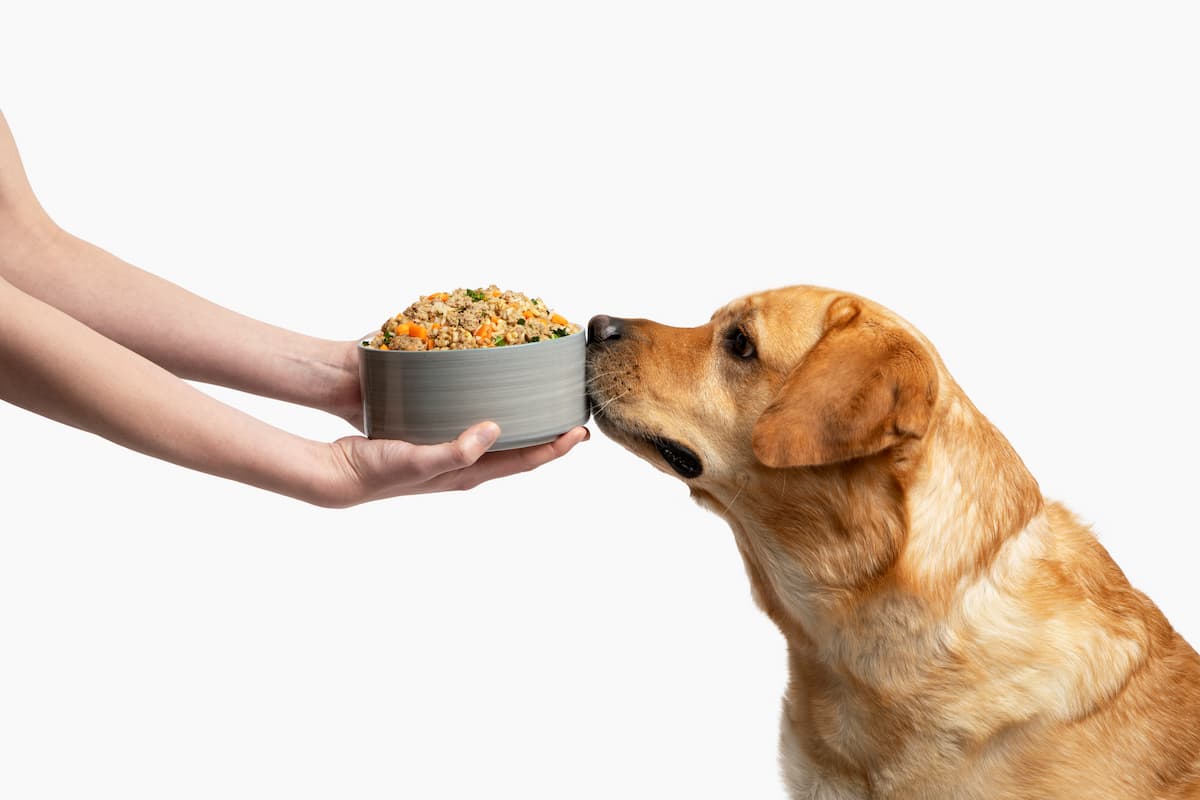
Cheese is one of those foods that seems almost irresistible to dogs. Many dogs love the smell, texture, and taste, and pet parents often find themselves wondering, “Can dogs eat cheese?” during snack time or when those pleading eyes appear during dinner. Understanding whether dogs can eat cheese safely is important, especially for owners who enjoy sharing food, using cheese as a training treat, or preparing fresh meals at home.
While cheese isn’t automatically toxic to dogs, it isn’t completely risk-free either. Cheese is a dairy product that contains lactose, fat, and sodium, all of which can affect dogs differently depending on age, size, and digestive health. Some dogs eat cheese with no issues at all, while others may experience diarrhea, vomiting, or other signs of digestive upset.
This safety guide breaks down everything pet owners need to know about cheese for dogs, including which types of cheese are safer, which ones to avoid, and how to feed cheese responsibly. By the end, you’ll have a clear understanding of how cheese fits into a healthy diet for your pet, without upsetting their stomach or compromising long-term wellness.
Can Dogs Safely Eat Cheese?
Is cheese safe for dogs? In general, dogs can eat cheese in small, controlled amounts. However, tolerance varies widely. Cheese is high in fat and contains lactose, which means some dogs can digest it easily, while others may struggle, especially dogs that are lactose intolerant.
Dogs naturally produce less lactase, the enzyme needed to break down lactose, as they age. In fact, that’s true of most, if not all, mammals. This is why lactose intolerance is fairly common in adult dogs. Puppies may tolerate dairy slightly better, but even puppies can develop stomach upset if given too much cheese.
Below are common types of cheese many people have at home, along with guidance on whether they’re suitable when feeding cheese to dogs.
Cheddar
Cheddar cheese is one of the most commonly shared options. It’s relatively low in lactose compared to fresh cheeses and contains protein and calcium. However, it’s still high in fat and sodium, so dogs eat cheddar best in very small portions. A tiny cube can work as a treat, but it shouldn’t become a daily snack.
Cottage cheese
Cottage cheese is often considered one of the safer options. It’s lower in fat, lower in lactose, and higher in protein than many cheeses. Plain, unsalted cottage cheese can be easier for dogs to digest and is sometimes recommended by your dog’s veterinarian if he is recovering from mild digestive upset.
Mozzarella
Mozzarella is another relatively mild option. It’s lower in sodium than many aged cheeses and softer in texture. When choosing mozzarella for dogs, stick to plain, fresh varieties and avoid seasoned or shredded versions with additives. A small piece of mozzarella or string cheese can work as an occasional snack.
Swiss
Swiss cheese is lower in lactose than some other cheeses, but it’s still fairly high in fat. Dogs eat Swiss cheese best in very small amounts, and it should never be given to dogs with known dairy sensitivity or weight concerns.
Parmesan
Parmesan is very low in lactose, but it’s extremely high in sodium. This makes it less ideal as cheese for dogs, especially for small breeds or dogs with heart or kidney issues. A light sprinkle on dog food is generally safer than offering chunks.
American cheese
American cheese is highly processed and often contains artificial additives. It’s also high in sodium and fat, making it a poor choice for regular feeding. While not immediately toxic, it offers very little nutritional value for dogs.
Cream cheese
Cream cheese is high in fat and lactose, which can be difficult for dogs to digest. Even small amounts may cause diarrhea or vomiting, especially in lactose-intolerant dogs. If offered at all, it should be plain and extremely limited.
Goat cheese
Goat cheese contains less lactose than cow’s milk cheese and may be easier for some dogs to digest. That said, it’s still rich and fatty, so moderation is key. Plain goat cheese without herbs or garlic is the only acceptable option.
Queso blanco
Queso blanco is typically lower in lactose than aged cheeses and does not melt easily. It is still a dairy product and can be high in sodium, depending on the brand. When considering queso blanco for dogs, it’s essential to choose a plain version with no added garlic, peppers, onions, or spices, as these ingredients can be toxic to dogs.

Is Cheese Good for Dogs?
When fed responsibly (if you have questions, ask your vet), cheese can offer a few benefits. While it should never replace a complete diet, here are some of the potential benefits of cheese for dogs when used in moderation:
- Contains protein and calcium: Cheese provides protein for muscle support and calcium for bone health.
- Helpful for hiding medication: Many pet owners use small pieces of cheese to disguise pills, making medication time less stressful.
- Easy to portion: Cheese can be cut into tiny pieces, which is ideal for training treat use.
- Rich in vitamins: Some cheeses contain vitamins A and B12, which support immune and nerve function.
- Highly palatable: Dogs love the taste, making cheese an effective high-value reward during training.
- Positive microbiota changes: Queso blanco cheese has been found to have a positive effect on the microbiota in a dog’s gut, suggesting it may be a helpful addition to their diet.
Is Cheese Bad for Dogs?
Despite its appeal, cheese does come with risks. Understanding these helps pet owners avoid digestive issues and long-term health problems.
- Lactose intolerance: Many dogs are lactose intolerant, meaning they lack enough lactase to break down lactose, leading to diarrhea and gas.
- High fat levels: Cheese is calorie-dense and can contribute to weight gain or pancreatitis if overfed.
- High sodium content: Excess sodium can be harmful, particularly for dogs with heart or kidney conditions.
- Added ingredients: Cheeses with garlic, herbs, onions, or artificial flavorings can be toxic to dogs.
- Digestive upset: Too much cheese can result in vomiting, loose stools, or stomach discomfort.
How to Feed Cheese to Dogs Safely
If you decide to offer cheese, following safe-feeding practices is essential. Here’s how to keep your dog’s tummy happy:
- Start with very small amounts. Offer a pea-sized piece to see how your dog reacts.
- Choose plain, low-fat cheese. Opt for low-fat cheese with minimal sodium and no added ingredients.
- Avoid dairy-sensitive dogs. If your dog has shown signs of dairy intolerance, skip cheese altogether.
- Use cheese as a treat only. Cheese should never be a staple; it’s best as an occasional dog treat.
- Monitor for symptoms. Watch for diarrhea, vomiting, or changes in behavior after feeding.
Remember, what works for one pup may not work for another. When in doubt, consult your veterinarian.
Keep Your Dog’s Tummy Happy With JustFoodForDogs
Cheese can be a fun, occasional indulgence, but balanced nutrition should always come first. Dogs thrive on meals designed specifically for their digestive needs, not guesswork from human foods.
JustFoodForDogs offers fresh, human-grade meals and dog-safe treats made to support digestive comfort and overall wellness. Their carefully formulated recipes provide complete nutrition without unnecessary fillers, making it easier to nourish your pet confidently.
For pet parents who enjoy home cooking, their DIY Homemade options and Treats line offer peace of mind while keeping tails wagging.
Final Thoughts
So, can dogs eat cheese? Yes, most dogs can enjoy cheese in moderation, as long as it’s the right type and served responsibly. Understanding lactose, choosing wisely among different types of cheese, and treating cheese as a special reward rather than a dietary staple can help you avoid digestive issues and keep your dog healthy and happy.