
Avocado has earned a reputation as a human “superfood,” packed with healthy fats, vitamins, and antioxidants. But when those big green fruits show up in your kitchen, it’s natural to wonder: can dogs eat avocado, too? As pet parents look for wholesome, fresh additions to their dog’s diet, avocado sometimes comes up as a possible treat. Before you let your pup lick the spoon or share a slice, it’s important to understand the risks and realities.
Avocado safety matters because even small choices about treats can impact your dog’s digestive health, weight, and overall well-being. Some parts of the avocado plant contain substances that can be harmful, and the fruit itself is high in fat. In this practical guide, we’ll walk through what’s safe (and what isn’t), how to portion avocado if you choose to offer it, and when to call a vet. By the end, you’ll have a clear answer to whether dogs eat avocado safely or whether it’s better left off the menu.
Are avocados bad for dogs?
Many pet parents ask, is avocado bad for dogs? The honest answer: it can be, depending on the part and the amount.
The primary concern with avocado isn’t necessarily the soft green flesh itself, but other parts of the avocado plant and the fruit’s high fat content. Here are the key risks to know:
- Persin-containing parts: Avocado contains a natural fungicidal toxin called persin. Persin is found in higher concentrations in the leaves, bark, skin (avocado peel), and pit (also called the avocado seed). While dogs are generally more resistant to persin than some other animals, large amounts can still cause digestive upset and may be considered toxic to dogs in certain circumstances.
- Pancreatitis risk: Avocado flesh is rich in fat. High-fat foods can trigger gastrointestinal upset and, in some cases, pancreatitis in dogs. This painful and potentially serious condition causes inflammation of the pancreas and may lead to vomiting, abdominal pain, and lethargy. Dogs that are overweight, have a history of pancreatitis, or are on a restricted diet are at higher risk.
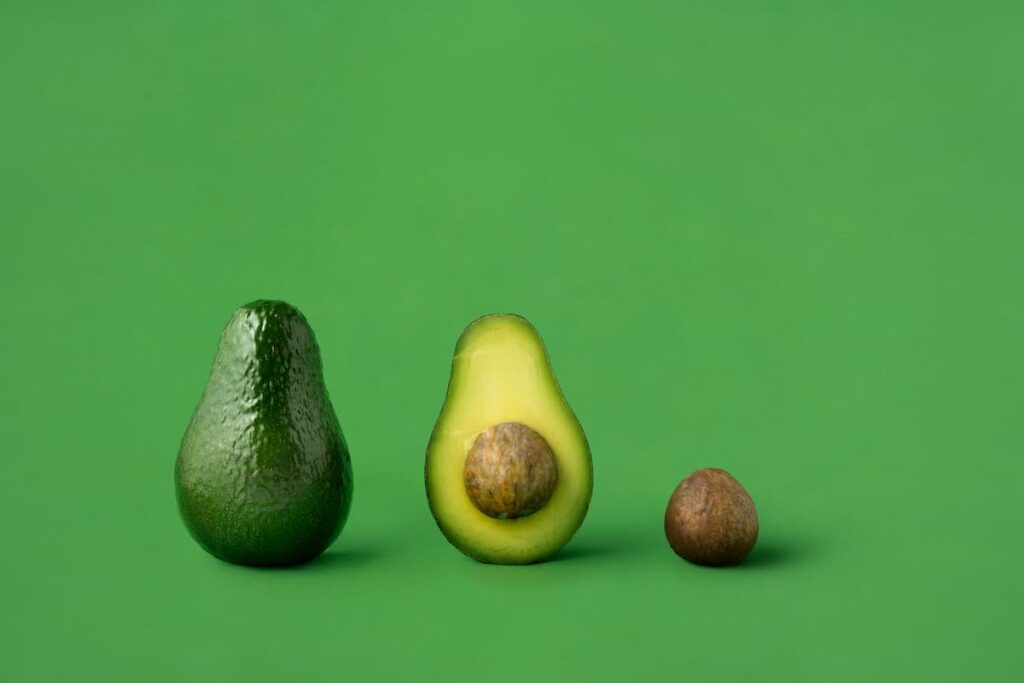
- Choking hazard: The avocado pit is large, round, and slippery, making it a serious choking hazard. A curious pup may attempt to chew or swallow it, especially if it falls to the floor during meal prep.
- Intestinal blockage: If swallowed, the avocado pit can cause an intestinal blockage. This is a medical emergency that may require surgery. Even the thick avocado peel can contribute to obstruction if ingested in large pieces.
So, how bad is avocado for dogs? In small amounts, your dog can eat avocado. The flesh may not cause harm in a healthy dog. However, the pit, peel, leaves, and bark from the avocado plant pose greater dangers, and because of the high fat content, even the edible pulp carries some risk, especially if your dog tends to get sick after eating rich food.
Are avocados good for dogs?

If avocados can pose risks, are avocados good for dogs in any meaningful way?
Avocado flesh does contain beneficial nutrients. However, while there are potential benefits of avocado, it’s not necessary in a dog’s diet and should only be offered sparingly, if at all. Dogs get the nutrients they need from a complete and balanced dog food, so avocado should never replace proper meals.
Here are some notable nutrients found in avocado fruit:
- Vitamins: Avocado contains vitamins such as vitamin E, vitamin C, and several B vitamins. These vitamins support immune health, skin health, and cellular function in animals.
- Minerals: The fruit provides minerals such as potassium and magnesium, which support muscle function and overall metabolic balance.
- Omega fatty acids: Avocado contains healthy fatty acids that can support skin and coat health. These fats are sometimes promoted as beneficial, but remember: too much fat increases the risk of digestive issues and pancreatitis in dogs.
- Antioxidants: Avocado is rich in antioxidants, which help protect cells from damage. While antioxidants are important nutrients, dogs can obtain them from safer fruit and vegetable options.
So, are avocados good for dogs? Nutritionally, the flesh offers some positives. But because of the associated risk and high fat content, most veterinarians agree that avocado isn’t necessary for a dog’s safe diet. There are easier, lower-risk ways to provide similar nutrients.
How much avocado is too much for a dog?
If you decide to let your dogs eat avocado flesh, portion control is critical.
A common guideline is to give no more than 1 teaspoon of plain avocado flesh per 10 pounds of body weight.
This means:
- A 10-pound dog: up to 1 teaspoon
- A 30-pound dog: up to 3 teaspoons
- A 60-pound dog: up to 6 teaspoons (about 2 tablespoons)
Even at these amounts, avocado should be an occasional treat, not a regular part of your dog’s diet.
Key safety guidelines:
- Offer only the soft green flesh, never the avocado pit, peel, or leaves.
- Avoid seasoned preparations.
- Introduce slowly and watch for vomiting or diarrhea.
- Do not combine with other high-fat foods on the same day.
Larger portions increase the likelihood of gastrointestinal upset. If your pup has a sensitive stomach, a history of pancreatitis in dogs, or is on a special diet, it’s best to skip avocado altogether.
Signs your dog ate too much avocado
Sometimes, dogs eat things before we can stop them. If your dog’s avocado incident involves more than a small taste of flesh, you may need professional guidance.
You should call your veterinarian or animal poison control if:
- Your dog ate the avocado pit, peel, or parts of the avocado plant.
- You’re unsure how much was consumed.
- Your dog is very small and ate a large portion.
- Your pet has underlying health conditions.
Red-flag symptoms to watch for include:
- Vomiting: Persistent vomiting after ingestion can signal irritation, pancreatitis, or obstruction.
- Diarrhea: Loose stools may indicate gastrointestinal upset from the fruit’s fat content.
- Lethargy: A dog who seems unusually tired or unwilling to bark, play, or move could be in discomfort.
- Abdominal discomfort: Signs include a hunched posture, whining, or sensitivity when touched.
- Refusal to eat: Loss of appetite after eating avocado may point to digestive distress or a developing intestinal blockage.
If your dog swallowed the avocado pit or seed, treat it as urgent. Choking or obstruction requires immediate veterinary care. A veterinarian may recommend imaging to check for blockage and determine next steps.
When in doubt, it’s always safer to call your vet. Early intervention can prevent serious complications.
Are there safer treat alternatives for dogs other than avocado?
If you’re looking for variety in your dog treats without the downsides of avocado, you’re in luck. Many fruits and vegetables are considered safer and lower in fat.
Here are dog-safe alternatives:
- Blueberries: Low in calories and packed with antioxidants.
- Green beans: Crunchy, filling, and low in fat, great for dogs on a weight-management diet.
- Apples (no seeds: A sweet fruit option rich in fiber and vitamins.
- Bananas: Naturally sweet and soft, but best in moderation due to sugar content.
- Cantaloupe: Hydrating and lower in calories than avocado.
- Cranberries (plain): May support urinary health when offered sparingly.
You can also consider high-protein toppers or specially formulated dog treats made with simple ingredients. These provide balanced nutrients without the risks tied to avocado oil or excess fat.
Key takeaways
Here are the key takeaways to remember when considering whether or not to give your dog avocado.
The risks
The avocado pit, peel, and leaves contain persin and pose choking and intestinal blockage hazards.
Safe consumption
If dogs eat avocado flesh, limit to no more than 1 teaspoon per 10 pounds of body weight.
Symptoms of toxicity or distress
Watch for vomiting, diarrhea, lethargy, and abdominal pain after ingestion.
Avoid guacamole
Guacamole often contains garlic, onion, salt, and lime, ingredients that are toxic to dogs or cause digestive upset.
High fat concerns
Even plain avocado is high in fat and can trigger pancreatitis in dogs. Avocado oil is extremely high in fat, making it even worse than the flesh.
Not a necessary superfood
While avocado has nutrients and antioxidants, dogs can get similar benefits from safer foods.
For pet parents seeking convenient, wholesome options, consider skipping avocado and choosing balanced, veterinarian-formulated products instead. JustFoodForDogs treats offer carefully crafted recipes using high-quality ingredients designed for canine health. If you enjoy preparing fresh food at home, explore JustFoodForDogs’ DIY homemade meals for guidance on creating balanced meals.
Discover DIY homemade options and explore healthy Treats from JustFoodForDogs to keep your pup’s diet both safe and satisfying.
Final Thoughts
When it comes to your pet’s health, caution is always wise. While dogs eat many human foods safely, avocado sits in a gray area. Understanding the risks, portion limits, and warning signs can help you make informed decisions and keep your furry friend happy and healthy.
FAQ
Here are answers to some commonly asked questions: