Why does your dog have diarrhea? The truth is in the poop. Keeping an eye on our dog’s stools, albeit not the most appealing activity, is one of the ways we monitor your dog’s health.
In some cases, dog diarrhea a brief digestive upset that resolves on its own. In others, it can be an early warning sign of infection, dietary intolerance, stress, or a more serious underlying condition. Knowing how to tell the difference matters.
While checking your dog’s poop may not be glamorous, stool quality offers valuable insight into digestive health and overall wellness. Changes in consistency, frequency, color, or smell can help reveal patterns and narrow down likely causes. That information is especially helpful when working with your veterinarian.
This guide is designed to help you make sense of what you’re seeing. We’ll walk through common reasons dogs develop diarrhea, how to recognize red flags that warrant a call to the vet, and practical ways to support your dog’s recovery. You’ll also learn prevention strategies that can help reduce future episodes, so you feel more prepared the next time digestive trouble strikes.
What is dog diarrhea?
Dog diarrhea refers to stool that is looser, softer, or more watery than normal, often passed more frequently or with a sense of urgency. Instead of holding its shape or easy pickup consistency, diarrheal stool may appear mushy, liquid, or poorly formed. If your dog has diarrhea, you may also notice increased volume, straining, or accidents in dogs that are usually house-trained.
Importantly, diarrhea in dogs isn’t a disease. It’s a symptom that reflects how the digestive system is responding to something out of balance. Diarrhea occurs when food and waste move too quickly through the intestines, limiting the body’s ability to absorb water, nutrients, and electrolytes. The result is loose stool, but the underlying cause can vary widely.
Common causes of diarrhea vary. They include dietary changes or food sensitivities, eating something inappropriate (like table scraps, garbage, or foreign objects), stress from environmental changes, and reactions to new medications. Diarrhea in dogs can also stem from infections caused by bacteria, viruses, or parasites, as well as from underlying illnesses or allergies.
Because there are so many potential causes, diarrhea should be viewed as a clue rather than a conclusion. Paying attention to how the stool looks, how long symptoms last, and whether other signs—such as vomiting, lethargy, or loss of appetite—are present can help your vet guide next steps. Whether it means switching food or visiting your veterinarian for further resolution of a health issue.
Types of dog diarrhea
Not all diarrhea looks the same, and the appearance of your dog’s stool can offer useful clues about what’s happening in their digestive system. Below are several common types of dog diarrhea, what they typically mean, and a few quick cues you might notice at home.
- Soft or “soft-serve” stool: May signal mild digestive upset rather than a medical emergency.
- Liquid or watery diarrhea in dogs: May appear as puddles or splashes. It suggests that food is moving through the intestines too quickly for proper water absorption.
- Greasy or gray stool: Stool may look pale, shiny, or oily and can be especially foul-smelling. This can point to fat malabsorption or problems involving the pancreas, liver, or bile production.
- Mucus-coated stool: Mucus may appear as a slimy coating or jelly-like substance mixed into the stool. May indicate irritation or inflammation in the large intestine.
- Bloody stool with bright red blood: May mean bleeding in the lower digestive tract, such as the colon or rectum. Contact a vet ASAP.
- Black, tarry stool: Stool that is dark, sticky, and tar-like may signal digested blood from higher up in the gastrointestinal tract, which can be serious.
Understanding these stool types helps pet parents recognize patterns and decide when to monitor at home versus when to call the veterinarian. If diarrhea persists, worsens, or appears alongside symptoms like vomiting, lethargy, or appetite loss, evaluation from your vet is essential.
Causes of dog diarrhea
Below are some of the most common reasons dogs develop diarrhea. In some cases, more than one factor may be involved, which is why paying attention to timing, diet, and other symptoms can be helpful for your vet when identifying the cause.
- Dietary indiscretion: Dogs are notorious for eating things they shouldn’t. These “snacks” can irritate the digestive tract and disrupt the balance of gut bacteria, leading to sudden diarrhea.
- Sudden change in diet: Switching dog food too quickly can overwhelm the digestive system.
- Food intolerances or allergies: Food intolerances may cause recurring diarrhea in dogs, gas, or soft stools, while true food allergies may also include itching or skin issues.
- Parasites: Intestinal parasites such as roundworms, hookworms, giardia, whipworms, or coccidia can interfere with nutrient absorption and irritate the gut lining.
- Bacterial infections: Salmonella or E. coli can enter the digestive system through contaminated food, water, or feces.
- Viral infections: An infection like parvovirus or distemper can damage the intestinal lining and cause diarrhea.
- Stress or anxiety: Changes in routine, travel, boarding, new pets, or loud environments can cause diarrhea.
- Medications and antibiotics: Certain medications—especially antibiotics—can disrupt healthy gut bacteria.
- Toxins or poisons: Ingesting toxic plants, chemicals, human foods, or medications can irritate or damage the intestinal tract.
- Foreign object ingestion: Swallowed non-food items can partially block or irritate the intestines. Diarrhea may alternate with vomiting, reduced appetite, or straining.
- Colitis: Colitis is inflammation of the large intestine and often results in frequent, small amounts of diarrhea that may contain mucus or bright red blood.
Understanding these common causes helps pet parents and their vet better assess what might be contributing to their dog’s diarrhea.
When to call your vet about your dog’s diarrhea
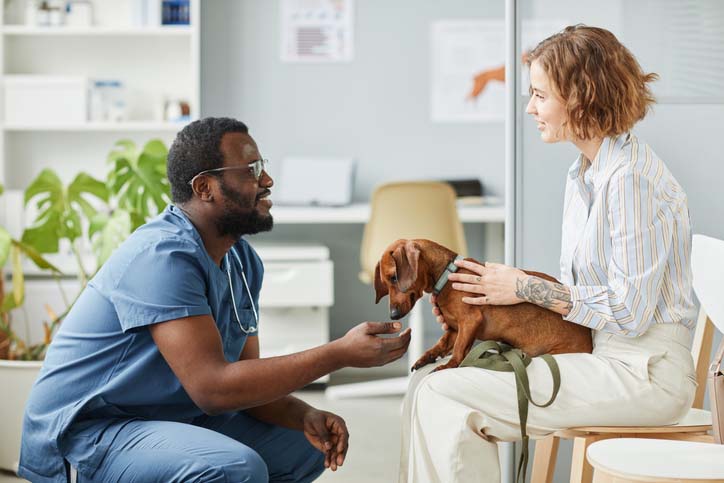
Below are key situations where diarrhea in dogs should not be managed at home and warrants a call to your veterinarian. These signs may indicate dehydration, infection, obstruction, or a more serious underlying condition.
- Diarrhea lasting more than 24 hours: If your dog has diarrhea beyond a day without improvement, it may signal an issue that requires vet evaluation.
- Blood in the stool: Should be taken seriously and discussed with your vet right away.
- Vomiting alongside diarrhea: This combination may also point to infections, toxins, or pancreatitis.
- Your dog is a puppy or a senior: Young puppies and older dogs are less able to tolerate fluid loss.
- Lethargy, weakness, or collapse: If your dog seems unusually tired, weak, unsteady, or collapses, diarrhea may be part of a systemic illness.
- Known or suspected ingestion of toxins: If your dog may have eaten something toxic—such as certain human foods, medications, plants, or chemicals—contact your veterinarian immediately.
- Visible signs of dehydration: Dry gums, excessive panting, sunken eyes, or reduced skin elasticity are signs your dog is losing more fluids than they can replace.
When in doubt, it’s always better to err on the side of caution. Your veterinarian can help determine whether your dog’s diarrhea is a short-term issue or a sign that more care is needed.
Home care treatments for mild diarrhea
These at-home steps may help support recovery for mild diarrhea. Always check with your veterinarian first, especially if symptoms change or worsen.
- Fasting: Your veterinarian may recommend withholding food for 12–24 hours to give the digestive system a brief rest.
- Encourage hydration: Make sure fresh water is always available.
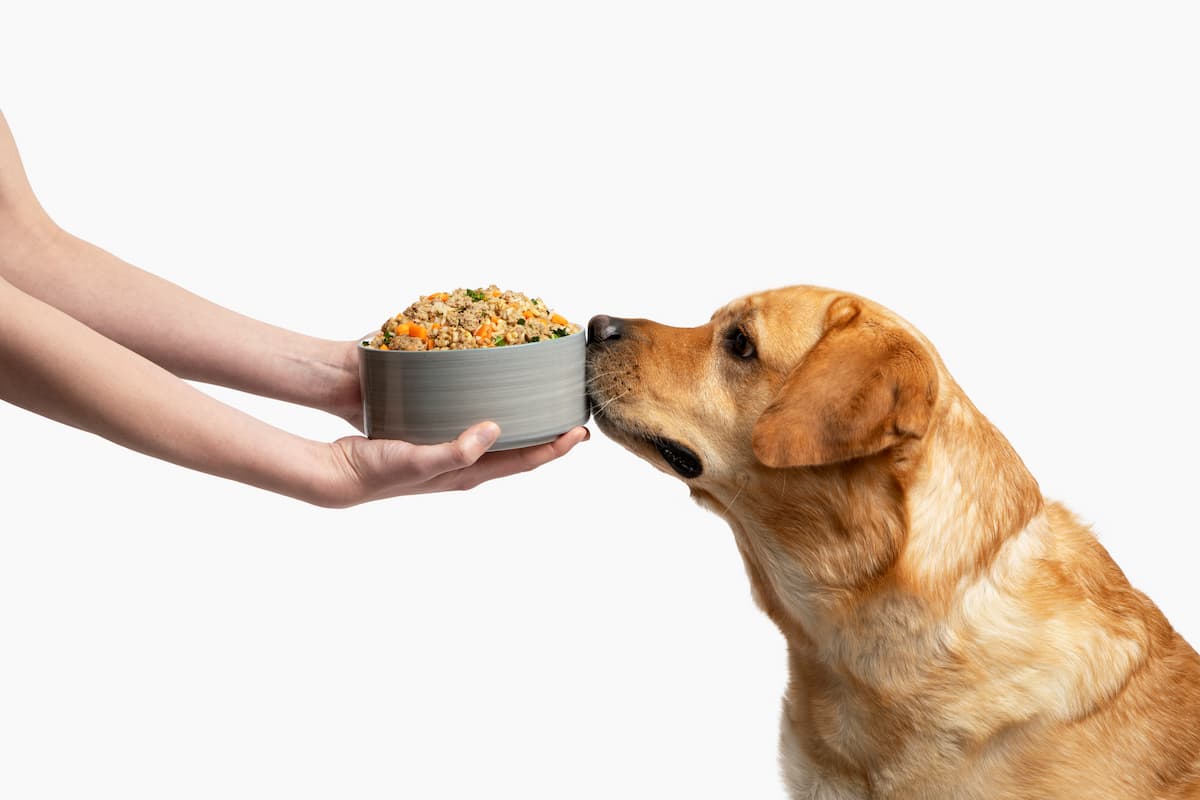
- Feed a bland diet: Start with a simple, low-fat, bland diet such as plain cooked chicken and white rice. Small, frequent meals can be easier on a sensitive stomach than one large portion.
- Support gut health with probiotics: Probiotics may help support healthy gut bacteria disrupted during diarrhea. Options like this Probiotic Booster may help support digestive balance and stool quality.
- Reduce exercise and excitement: Limit intense activity, play, and stressful situations while your dog recovers.
- Gradually return to regular food: As stools firm up, slowly transition back to your dog’s normal diet over several days.
If diarrhea persists or your dog develops additional symptoms, contact your veterinarian for guidance.
Preventative measures for dog diarrhea
While not all cases of diarrhea can be prevented, consistent habits can significantly reduce common triggers and help support long-term digestive health.
- Transition diet changes slowly: Any new food should be introduced gradually over 7–10 days. Mixing increasing amounts of the new food with the old allows your dog’s digestive system to adapt.
- Secure garbage and food sources: Keep trash cans, compost bins, and food storage areas out of reach. Preventing access to spoiled food and debris helps avoid dietary indiscretion.
- Avoid rich or fatty table scraps: High-fat, seasoned, or unfamiliar human foods can overwhelm your dog’s digestive system and increase the risk of diarrhea or pancreatitis.
- Maintain year-round parasite prevention: Routine parasite prevention can help protect against intestinal parasites that commonly cause chronic or recurring diarrhea.
When it comes to your dog’s poop, it takes some investigative work to see what their bodies are trying to tell you. Be mindful of what your dog is eating, the regularity of their bowel movements, and how their diet and lifestyle affect their overall health. While some causes of diarrhea may be resolved in a few days, others may require regular management throughout your pet’s lifetime.
Citations
“Diarrhea.” n.d. Veterinary Teaching Hospital. https://hospital.vetmed.wsu.edu/2022/01/04/diarrhea/.
Candellone, Alessia, Matteo Cerquetella, Flavia Girolami, Paola Badino, and Rosangela Odore. 2020. “Acute Diarrhea in Dogs: Current Management and Potential Role of Dietary Polyphenols Supplementation.” Antioxidants 9 (8): 725. https://doi.org/10.3390/antiox9080725.