


When an older dog suddenly becomes dizzy, tilts their head to one side, stumbles and falls, or becomes nauseous, pet parents often think the worst. But in many cases, these aren’t signs of a stroke. Instead, they may be caused by a neurological condition, such as vestibular disease in dogs.
Most dogs with vestibular disease recover quickly with supportive veterinary treatment and home nursing care. Here’s everything you need to know about vestibular disease in dogs, including how to recognize the symptoms, what causes them, how veterinarians diagnose and treat the condition, and how to help your dog feel better.
What is vestibular disease in dogs?
Vestibular disease in dogs is a neurological syndrome that affects parts of the inner ear and brain responsible for balance and coordination. Because it mostly affects older pets and often lacks a definitive cause, veterinarians may refer to the disease as “old dog vestibular disease” or “idiopathic vestibular syndrome.”
Dogs with vestibular disease experience a sudden onset of balance disturbance—similar to how people feel when they get vertigo. This can range from a mild head tilt to severe disorientation that prevents affected dogs from standing or walking.
Many pet parents who see this for the first time worry their dog may be having a stroke or a seizure, but vestibular disease is more likely and is rarely life-threatening. Many pet parents ask, “Is vestibular disease in dogs fatal?” In most cases, the answer is no.
What are the signs of vestibular disease in dogs?
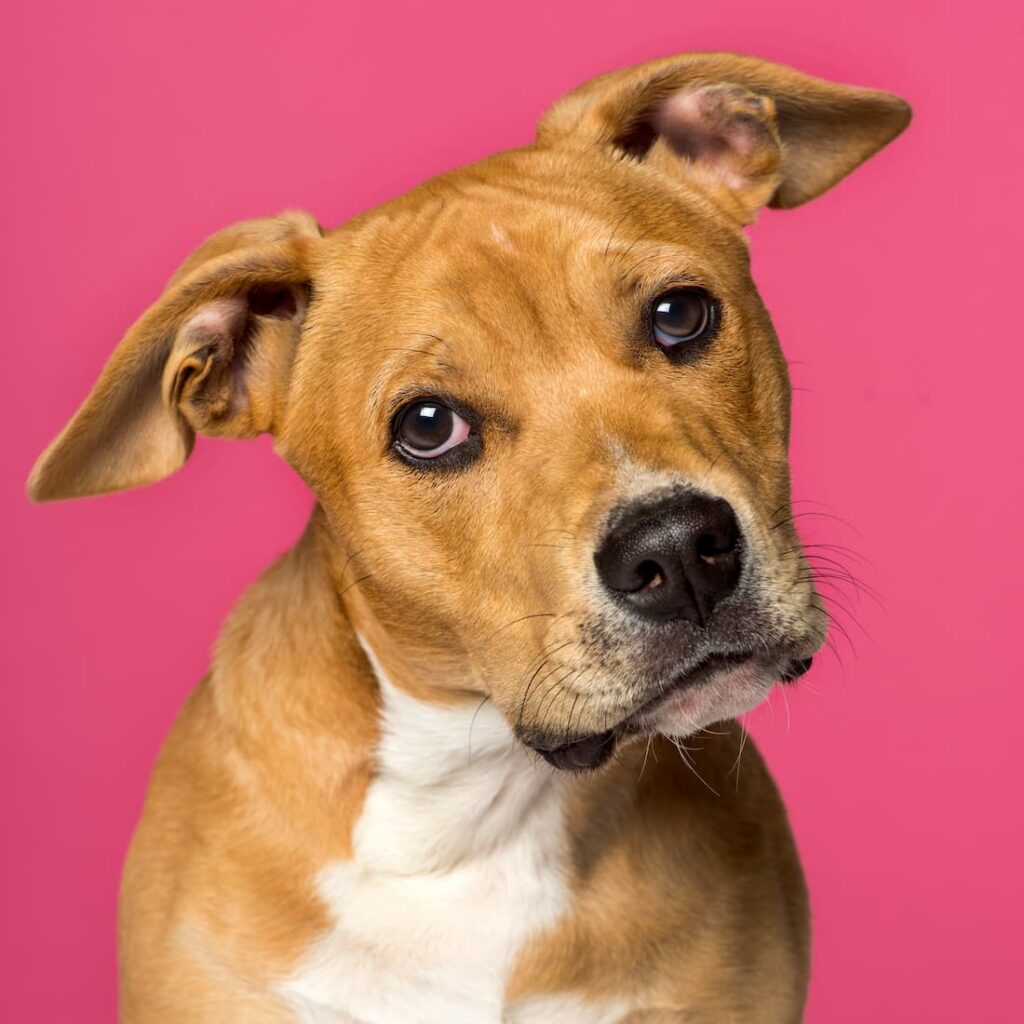
Vestibular disease symptoms usually come on suddenly. Your dog may seem fine one moment and disoriented the next, or wake up dizzy and nauseous after being fine the night before.
The most common signs of vestibular disease in dogs are:
- Head tilt: Dogs may hold their head tipped to one side, with one ear lower than the other.
- Falling or staggering: Affected dogs may stumble, lean, circle, drift, or fall to the same side as the head tilt. Some dogs are unable to stand at all, and those who can have a staggering, uncoordinated gait known as ataxia.
- Rapid eye movement: The eyes may jerk up and down or side to side in a rhythmic motion, known as nystagmus. This may happen all the time or only when the head is in certain positions.
- Nausea and vomiting: Dogs with vestibular disease are very dizzy, which can make them nauseous. They may drool, vomit, or refuse food.
- Disorientation or confusion: Vestibular dogs may seem “out of it” and unable to navigate familiar spaces.
If your dog shows any of these symptoms, contact your veterinarian right away. A vet can perform a neurological exam to confirm the diagnosis of vestibular disease and rule out other conditions.
What causes vestibular disease in dogs?
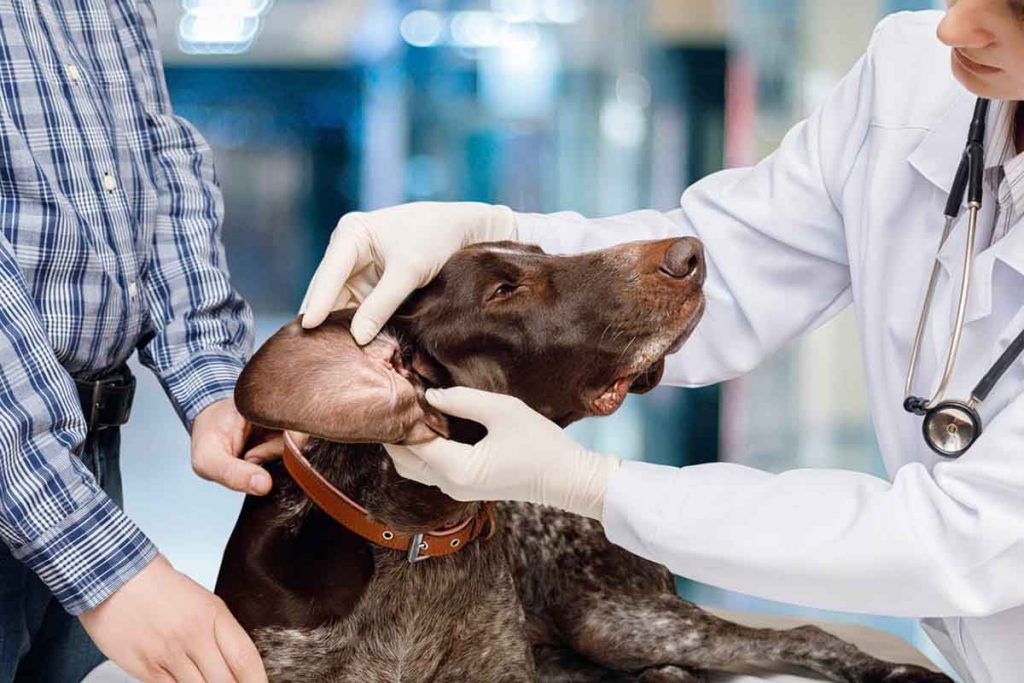
Several conditions can affect the vestibular system and trigger vestibular disease symptoms. Your vet will try to pinpoint whether the problem originates in the ear (peripheral vestibular disease) or the brain (central vestibular disease), since this can affect treatments and outcomes. However, there isn’t always a specific cause that your vet can find.
Idiopathic vestibular syndrome
The term “idiopathic” means veterinarians don’t know why it happens, which is often the case with vestibular symptoms. Dogs with this condition develop sudden vestibular symptoms that can be severe for a few days, but they usually get better within two to three weeks.
Inner or middle ear disease
Infections of the inner ear or middle ear are common causes of peripheral vestibular disease in dogs, but they can be difficult to diagnose. An infection can spread from the outer ear canal, where it’s easier to identify, or it can develop without the typical signs of discharge, itching, and odor. If your vet suspects an inner or middle ear infection, they may order additional tests or prescribe antibiotics to treat it.
Brain conditions
Less commonly, a brain tumor, inflammatory brain disease, trauma, or cerebrovascular event (stroke) can disrupt the vestibular system. Dogs with central (brain-related) vestibular disease may also have other neurological signs, such as changes in behavior or the altered function of other nerves.
How is vestibular disease in dogs diagnosed?
If your dog shows signs of vestibular disease, call your vet or head to a local emergency clinic for evaluation right away. Diagnosis begins with a thorough physical exam, neurological exam, and review of your dog’s medical history.
The neurological exam can help determine whether the issue stems from the ear or the brain, and whether your dog needs additional tests, which may include:
- Blood work and urinalysis
- Thyroid panel
- Sedated ear exam or video otoscope exam
- Skull X-rays
- CT scan or MRI
If your vet suspects serious inner ear disease or a brain problem, they may refer you to a specialist, usually a neurologist, for further testing or consultation and to determine the best treatment plan.
Treatment and management of vestibular disease in dogs
Treatment for vestibular disease in dogs depends on the underlying cause. Fortunately, most affected dogs have idiopathic vestibular disease and will improve.
Still, most dogs need supportive care while they recover. Here are the most common treatment strategies:
- Supportive care: Dogs with severe symptoms may need a short hospitalization period with fluids, medications, and assistance with eating, drinking, and getting outside. Dogs with milder cases can often recover at home.
- Treating underlying conditions: If your vet identifies a middle or inner ear infection, your dog may need antibiotics for several weeks. Dogs with low thyroid levels may need thyroid medication. Dogs with brain-related conditions may need advanced imaging or treatments with a neurology specialist.
- Anti-nausea support: Your vet may prescribe anti-nausea or motion sickness medication to help your dog feel more comfortable during the worst of the dizziness and vomiting.
- Monitoring and rest: Most vestibular symptoms improve within 72 hours. Your vet may recommend frequent follow-up exams to track your dog’s recovery and adjust the treatment plan as needed.
How to support a dog during vestibular recovery at home
There are several things you can do at home to keep a dog with vestibular disease safe and comfortable during recovery:
- Prevent falls and injuries: Block off stairs, remove obstacles, and place nonslip mats or rugs on slippery floors. Keep your dog in an area free of sharp edges or corners that is easy to clean, and keep rambunctious pets and children away from the area.
- Help with eating and drinking: Support your dog in a comfortable position to help them eat and drink. They may need to list slightly to one side, so don’t try to force them up straight. Elevate the bowls to make them easier for your pet to access as their balance improves.
- Monitor symptoms: Keep track of how your dog is doing each day so you can report back to your vet. Note whether any symptoms, such as head tilt, nystagmus, or loss of balance, are improving, staying the same, or getting worse.
- Follow your veterinarian’s instructions: Give medications as prescribed and ensure you keep all recheck visits so your vet can adjust your dog’s treatment plan or refer you to a specialist if needed.
Take care of your furry friend
Vestibular disease often begins suddenly and can look scary or severe, but many dogs recover with simple in-clinic or at-home care. Working closely with your veterinarian to identify the cause of vestibular signs, rule out serious underlying conditions, and provide supportive care is key to your dog’s healing and recovery.
With patience and commitment to your pet’s treatment plan, most dogs with vestibular disease feel better in just a few days and can return to their normal routines within a few weeks. In addition to following your vet’s instructions, providing proper nutrition can help support your dog’s health and recovery.