


If your dog has ever burped, gagged, or thrown up shortly after eating, you may wonder, “Can dogs get acid reflux?” Like people, dogs can experience heartburn, and frequent occurrences are referred to as gastroesophageal reflux disease (GERD).
Recurrent acid reflux in dogs can damage the esophagus and cause discomfort and loss of appetite. Here’s what pet parents should know about GERD in dogs, including symptoms, causes, prevention, and dog acid reflux treatments.
What is acid reflux in dogs?
Acid reflux occurs when stomach acid and other fluids flow backward from the stomach into the esophagus—the tube that normally carries food from the mouth to the stomach. A ring-like muscle called the lower esophageal sphincter normally prevents stomach material from flowing back into the esophagus. However, in dogs with acid reflux, the sphincter relaxes at the wrong time or doesn’t close properly, allowing stomach acid, bile, and digestive enzymes to irritate the delicate esophageal lining.
When reflux becomes chronic, veterinarians may diagnose it as gastroesophageal reflux disease (GERD). Over time, repeated exposure to stomach acid can cause inflammation of the esophagus—a condition known as esophagitis—which may lead to pain, difficulty swallowing, and other complications if left unaddressed.

Acid reflux in dogs symptoms
Because dogs can’t tell us when they’re experiencing heartburn, pet parents should watch for the following signs:
- Decreased appetite: A dog with acid reflux may turn away from meals or eat less than usual because swallowing causes discomfort.
- Regurgitating food: Unlike vomiting, which involves active abdominal effort, regurgitation is a passive process. The dog opens their mouth, and undigested food comes back up with little effort.
- Difficulty swallowing: Dogs with esophageal inflammation may appear to have trouble or pain while swallowing or may eat very cautiously, sometimes spitting foods out.
- Excessive lip licking: Frequent lip licking, gulping, or swallowing outside of mealtimes can signal nausea or general discomfort stemming from the esophagus or stomach.
- Chronic cough or voice change: Stomach acid that travels up to the throat can irritate the airways, leading to a persistent cough or a noticeable change in your dog’s voice when they bark.
- Restlessness at night: Pacing, whining, or restlessness at night can sometimes indicate gastrointestinal (GI) discomfort.
- Bad breath and burping: Dogs with acid reflux frequently burp and may have bad breath unrelated to dental disease.
Causes of acid reflux in dogs
Several factors can trigger acid reflux or contribute to GERD in dogs, including younger age and brachycephalic (flat-faced) breed status. Here’s why some dogs develop acid reflux.
Anesthesia
The drugs used to sedate a dog during surgery relax the lower esophageal sphincter, allowing stomach contents to flow back into the esophagus. This risk may increase if a dog is positioned with their head lower than the rest of their body for a procedure, or if the dog ate soon before surgery.
Hiatal hernias
A hiatal hernia occurs when part of the stomach pushes through the diaphragm—the wall of muscle that separates the chest and abdominal cavities. This puts pressure on the esophageal sphincter, making it easier for gastric acid to travel upward. Hiatal hernias can be congenital (present at birth) or caused by trauma, and they significantly increase the risk of chronic acid reflux in dogs.
Chronic vomiting
Dogs who experience persistent vomiting from an illness, medication side effects, or a previous bout of acid reflux may develop a cycle of ongoing esophageal damage. Repeated exposure to stomach acid weakens the esophageal lining and can make a dog more susceptible to future episodes of reflux.
Under or overproduction of stomach acid
Overproduction of gastric acid can be triggered by stress, bacterial infections, high-fat foods, or other health conditions, leading to acid reflux into the esophagus. While too much stomach acid can be a problem, conditions causing underproduction can also impair digestion and well-being.
Dietary allergens or irritation
Dogs can also develop acid reflux in response to dietary triggers. Common irritants include large meals, high-fat foods, and ingredients your dog is allergic to or has trouble digesting. If your dog shows signs of reflux after eating a particular food or treat, talk to your veterinarian about identifying potential allergens and adjusting the diet.
Chronic diseases
Some health conditions can alter stomach acid production or cause inflammation in the GI tract. Inflammatory bowel disease, GI tumors, genetic disorders, and kidney, liver, or pancreatic disease are possibilities.
How is GERD treated?
The goals of acid reflux treatment include:
- Reducing stomach acid
- Protecting the esophagus from further damage
- Addressing underlying causes
Your vet may order tests before prescribing medications to treat GERD, or they may use treatments to help confirm the diagnosis. Medications may include:
- Antacids and acid reducers like famotidine (Pepcid) or omeprazole (Prilosec) to reduce stomach acid production
- Sucralfate to coat and protect the esophageal lining from further irritation and ulcers
- Gastrointestinal motility medications to help food move through the GI tract rather than backing up
Always consult your veterinarian before giving your dog any medications, including over-the-counter antacids, if you think they may have GERD. Many other serious GI conditions can mimic GERD, so it’s important to get a proper diagnosis.
Diet can also help manage GERD in dogs. Many do well on a low-fat diet designed to minimize stomach acid production and relax the esophageal sphincter. Feeding smaller, more frequent meals throughout the day, rather than one or two large meals, can also help. In dogs with sensitivities, probiotics and custom diets may be added to treatment to provide a more comprehensive solution.
Caring for Your Dog’s Digestive Wellness
Diet plays an important role in your dog’s overall digestive wellness. Feeding consistent meals and minimizing stress may also help. Choosing a balanced, low-to-moderate-fat dog food supports healthy digestion and general stomach comfort. If the stomach produces too much acid, the esophagus and esophageal sphincter can become inflamed and weaken over time.
Some dogs are more prone to GI issues than others. Probiotics, fiber, and other gut health supplements may help to maintain a healthy stomach pH in dogs with sensitive systems. Additionally, pet parents should avoid feeding too many treats or table scraps or switching diets too quickly, which can cause general digestive upset.
If you notice frequent bouts of acid reflux or other stomach upset, like vomiting, diarrhea, or weight loss, talk to your dog’s veterinarian, as these could be signs of a bigger health issue, such as inflammatory bowel disease, kidney disease, or even cancer.
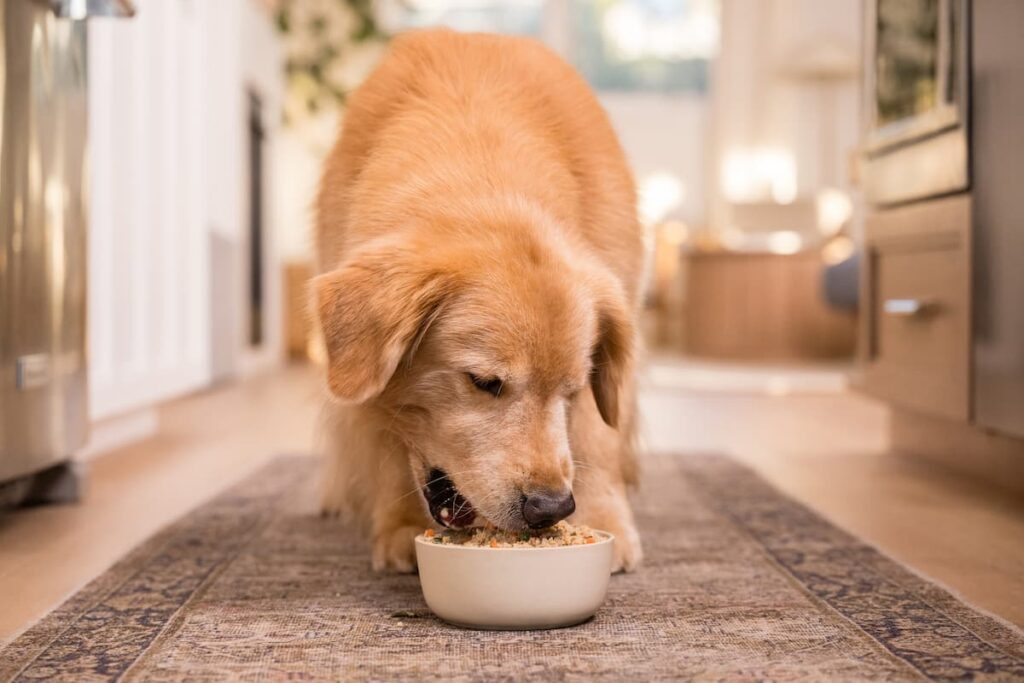
Supporting your dog’s digestive health with balanced nutrition
Acid reflux or GERD in dogs usually requires veterinary management to resolve. While pet parents cannot prevent all instances of acid reflux, they can support their dog’s overall digestive wellness by providing balanced, portion-controlled dog food with carefully selected, dog-appropriate ingredients.