When your dog runs up to lick your face, most pet owners probably don’t want to smell cat poop!
Litter-box snacking is a common but frustrating habit that can expose dogs (and humans) to germs. Read on to learn likely causes, symptoms to watch for, and realistic steps to keep dogs away from cat feces long-term.
Why Do Dogs Eat Cat Poop?
Eating the feces of other animals is called coprophagia, but why do dogs want to eat cat poop? There are usually identifiable reasons behind it, and understanding them is the first step toward stopping it.
It’s a Bad Habit
Dogs and puppies are opportunistic scavengers by nature, and cat feces often smell appealing to them because of the undigested protein content in cat food. If a dog eating cat poop finds it rewarding, there’s a strong chance it will do it again. Over time, this casual snacking becomes a conditioned habit. The litter box essentially becomes an unsupervised snack station, and each successful visit reinforces the habit further.
Boredom
Dogs that aren’t getting enough physical exercise or mental stimulation will find their own entertainment. A dog left alone for long stretches with nothing to occupy its mind may begin exploring the litter box simply because it’s something to do. The act of seeking, sniffing, and consuming gives the dog a form of sensory engagement that it’s otherwise missing. Once the dog learns that the litter box reliably provides this stimulation, it will return to it again and again.
Stress or Anxiety
Anxious dogs often engage in compulsive or displacement behaviors as a way of coping with psychological discomfort. Changes in household routine, the arrival of a new pet or person, separation anxiety, or a generally stressful environment can all trigger unusual behaviors — including eating feces. If stress-eating cat litter makes the dog feel even marginally calmer, its brain logs that association, and the behavior becomes a go-to coping mechanism whenever anxiety spikes.
Malnutrition or Nutritional Deficiency
If a dog’s diet is lacking in key nutrients, it may instinctively seek out alternative food sources. Cat feces are particularly attractive in this context because they’re rich in protein and fat from the cat’s diet. Dogs with enzyme deficiencies, poor-quality diets, or underlying digestive issues that impair nutrient absorption are especially susceptible. The body’s drive to correct a nutritional gap is powerful. Once a dog eating cat litter and cat poop thinks it seems to help, the behavior becomes strongly self-reinforcing. Talk to a vet about your dog’s diet.
Intestinal Parasites
Internal parasites compete directly with the dog for the nutrients it consumes. This can leave the dog in a state of near-constant hunger or nutritional deficiency even when eating normally. It’s worth noting that this also creates a problematic cycle — eating feces can expose the dog to further parasites, which deepens the deficiency and intensifies the craving. A fecal exam from a vet is always a good idea when coprophagia appears suddenly.
What are the symptoms of a dog eating cat poop?
You might notice one or more of the following symptoms if your dog has eaten cat poop. If any are severe or persistent, it’s time to call your vet.
- Bad breath: The bacteria in cat poop can cause a noticeable and particularly foul odor on your dog’s breath that lingers well beyond the initial incident.
- Vomiting: The digestive system may reject what it’s been given, leading to one-off or repeated vomiting as the body tries to expel the offending material.
- Diarrhea or soft stool: Loose, watery, or unusually frequent stools are a common response to the introduction of foreign bacteria or parasites into the gut.
- Excessive gas: Bacterial fermentation in the digestive tract can ramp up significantly, causing bloating, gurgling sounds, and more flatulence than normal.
- Lethargy: Your dog seems unusually tired, low-energy, or disinterested in its usual activities.
- Loss of appetite: A dog that turns down food it would normally be excited about may be experiencing nausea, digestive discomfort, or early signs of illness following ingestion.
- Abdominal discomfort: Watch for a hunched posture, reluctance to be touched on the belly, or restless behavior.
How can I stop my dog from eating cat feces?
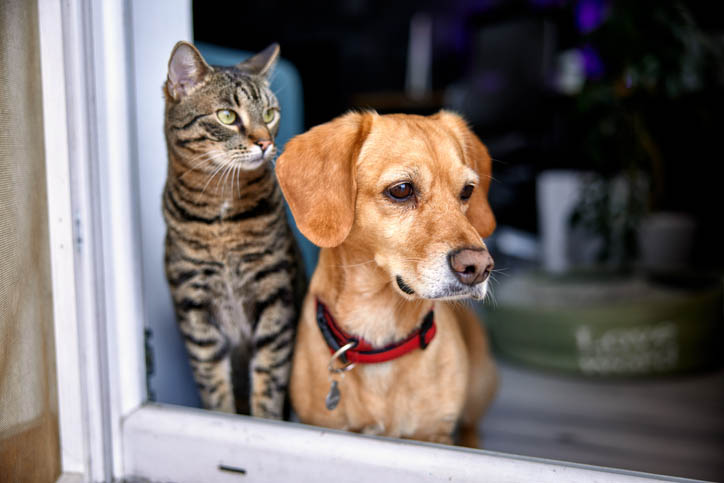
Cat owners who also own dogs may find themselves in the tricky position of parenting felines and canines at the same time. Keeping your dog away from the litter box is key to preventing them from eating cat litter and cat poop out of it.
1. Clean The Cat Litter Box Often
Keeping the litter box free of excess cat poop is the best way to keep your dog from eating it.
2. Make Sure Your Pup Is Getting Quality Dog Food
Since some dogs seek out cat poop for its nutrient content, giving your dog plenty of nutrients should help deter this behavior. Making sure your dog is getting a well-rounded diet full of the nutrition they need to stay healthy and satisfied so they don’t seek it elsewhere.
3. Use A Self-Cleaning Cat Litter Box
Spring for a self-cleaning litter box or a litter robot to scoop cat poop often without having to remember to do it yourself. Self-cleaning cat litter boxes make it easy to clean up feces and help keep curious dogs out!
4. Restrict the Litter Box Area
The first step to keeping your dog out of the litter box area is restricting your dog’s access to it. If they can’t get to the cat litter box, they can’t eat cat poop or litter! Making it clear that the litter box is off-limits will help discourage your dog from getting into it.
A baby gate or a pet gate is a great way to separate the space where the litter box lives. You can also use a door buddy or door latch, which allows you to leave the door to a room open just enough to let a cat through and keep a pet out and away from eating the feces.
5. Get A Dog-Proof Cat Litter Box
Using a dog-proof cat litter box may help keep your pup away from the poop. There are a handful of ways to make it dog-proof, and enclosed cat litter boxes are the best way to keep dogs out.
Covered litter boxes or cat litter boxes with top entry are a great way to discourage dogs from their curiosity. They help reduce smell and make the litter harder to access. This may not work as well for small dogs and puppies, but will help keep larger dogs out of the litter box area.
6. Put the Litter Box in a Room With a Cat Door
Keep your cat litter box somewhere separate (like the laundry room) where you can allow them access with a cat door that your dog can’t use. If your dog can’t get through the pet door and into the room where the cat box is, there’s no risk of them eating cat litter or cat poop. Just be sure not to leave the door open!
7. Train Your Dog
Dog training is an important tool in keeping your dog’s coprophagia at bay long-term. Aside from removing your dog’s easy access to the cat litter box, training them not to go near it will add another layer of deterring eating from it.
How to Train Your Dog to Stay Away From The Litter Box
- Hold a treat in your hand — ensure your dog knows you have it — and bring them into the litter box room.
- Once your dog notices the litter box, be ready to tell them to “leave it.”
- If they can follow your command, reward them with a treat. If not, repeat the process.