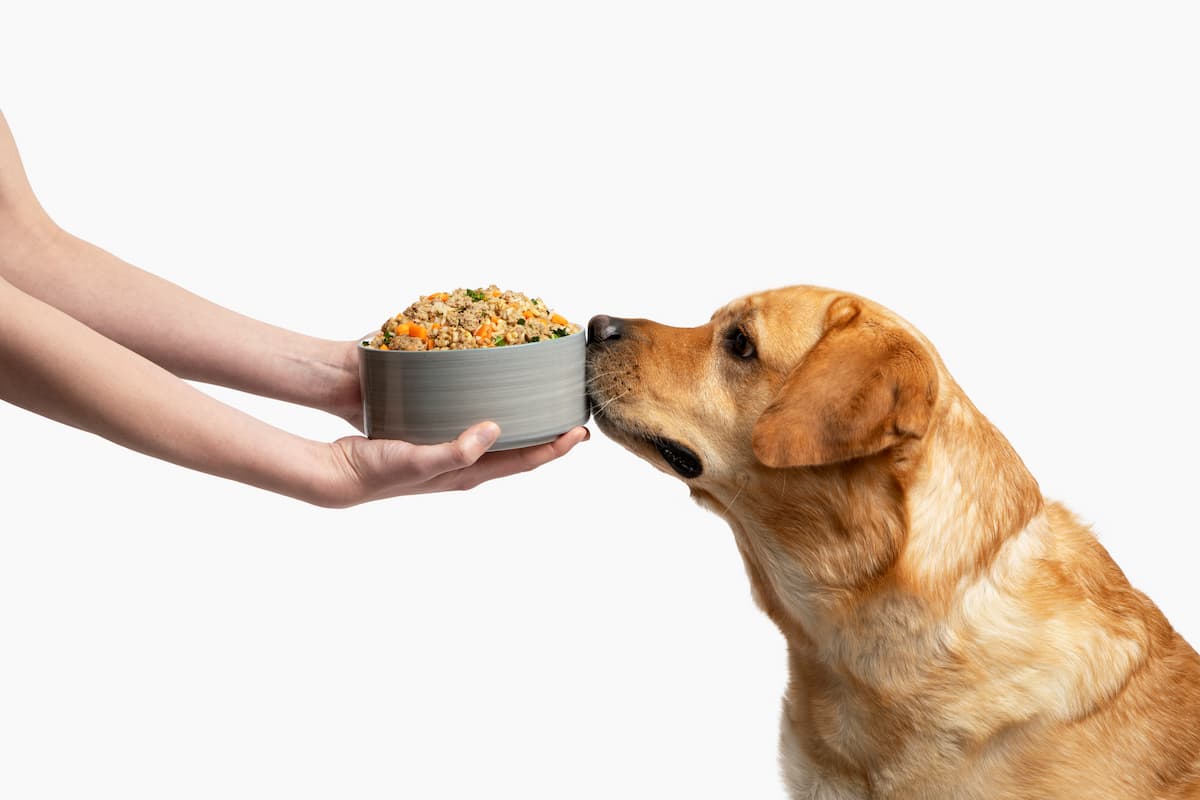
If you’ve ever been chopping vegetables and looked down to find your dog staring up at you with hopeful eyes, you’ve probably wondered whether it’s safe to share a piece. Celery is one of those snacks that feels healthy enough to pass along, but as a responsible pet owner, it’s worth knowing exactly what you’re giving your pup before it hits the bowl.
So, can dogs eat celery, too? The good news is that dogs can eat celery, and when it’s prepared and portioned correctly, it can even offer some real benefits. This guide covers everything you need to know, from safety and portion sizes to preparation tips and what to avoid.
Is Celery Good for Dogs?
Celery is generally considered safe for dogs and can be a healthy occasional snack when fed in moderation. It’s not a dietary staple and shouldn’t replace a balanced meal, but as a low-key treat between meals, it holds up well. Here’s why celery earns a spot on the approved snack list for dogs:
It’s a low-calorie snack. If your dog is watching their weight or you simply want to reward them without piling on calories, celery is an excellent option. It’s light on calories while still giving your dog something satisfying to chew on.
It provides fiber. Celery contains dietary fiber, which may support healthy digestion in dogs when offered in appropriate amounts. A small amount of fiber goes a long way in keeping your dog’s gut moving comfortably.
It has a high water content. Celery is made up of mostly water, which means it contributes to your dog’s daily hydration, especially useful during warmer months when dogs need extra fluid intake.
It contains vitamins and minerals. Celery delivers a handful of useful nutrients, including vitamin A, vitamin C, vitamin K, and potassium. These vitamins support immune function, bone health, and overall cellular health in dogs.
Its crunchy texture may support dental chewing. Can dogs eat celery sticks? Yes! The satisfying crunch of celery sticks encourages chewing, which can help scrape away some plaque buildup on your dog’s teeth. It’s not a substitute for proper dental care, but it’s a perk worth noting. Moreover, the crunchy texture can serve as a natural breath freshener.
It contains antioxidants. Celery offers antioxidants that help protect your dog’s cells from damage. These compounds contribute to long-term health and may support your dog’s immune system over time.
How Much Celery Can Dogs Eat?
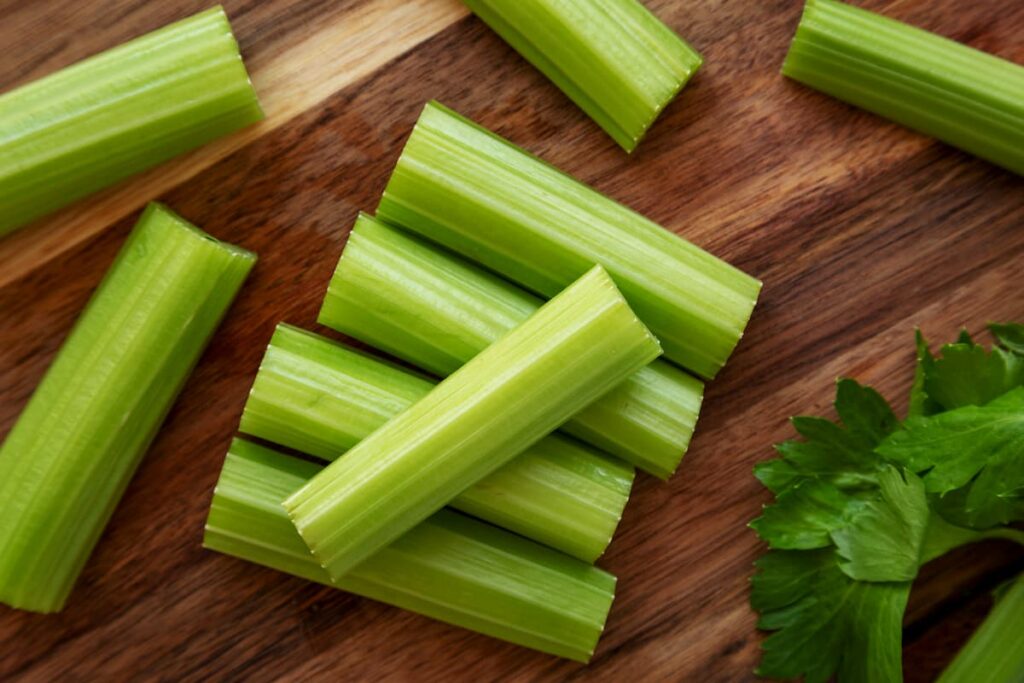
Moderation is the golden rule when it comes to feeding any new food to your dog. Even healthy vegetables like celery can cause digestive upset when offered in excess. Treats of any kind, including vegetables, should make up no more than 10% of your dog’s daily caloric intake. Use the following portion guidance based on your dog’s size:
- Extra-small dogs (under 10 lbs): Offer one or two very small, finely chopped pieces of celery per day at most. Think bite-sized portions that pose no choking hazard.
- Small dogs (10–25 lbs): One to two small pieces of chopped celery makes an appropriate serving. Keep pieces small and manageable.
- Medium dogs (25–60 lbs): A few bite-sized pieces of celery stick are a reasonable occasional snack. You can serve it as part of a snack rotation rather than a daily offering.
- Large dogs (60–100 lbs): A small handful of chopped celery pieces works well as an occasional treat. Even larger dogs benefit from moderation to avoid excess fiber intake.
- Extra-large dogs (over 100 lbs): You can offer slightly larger portions, but the same principle applies. Celery is a snack, not a meal, and should be treated accordingly.
When you introduce celery to your dog for the first time, start with a very small amount and monitor how they respond before increasing the portion.
What Are the Risks of Feeding Celery to Your Dog?
While celery is safe for most dogs, every dog is different, and some may not tolerate it as well as others. Being aware of the potential risks helps you feed celery responsibly.
Digestive upset is possible. Dogs with sensitive stomachs may experience diarrhea or gas after eating celery, especially if they eat too much at once. If your dog shows signs of stomach discomfort after trying celery, scale back the portion or skip it entirely.
Celery is a choking hazard, particularly for small dogs. Celery stalks are fibrous and stringy, which makes them difficult to chew and swallow safely if served in large pieces. Always chop celery into appropriately sized pieces for your dog’s size before serving.
Overfeeding can cause digestive issues. Too much fiber from excess celery can lead to loose stools or an upset stomach. Stick to the portion guidance above and treat celery as an occasional snack rather than a daily addition to your dog’s diet.
Celery leaves should be offered sparingly. Can dogs eat celery leaves? Celery leaves are safe for dogs but contain more concentrated compounds than the stalk. Offer leaves in very small amounts, if at all, and always chop them finely.
How to Feed Celery to Your Dog

Preparing celery safely for your dog doesn’t require much effort, but a few simple steps make a real difference in keeping snack time both enjoyable and safe. Whether you choose the fresh or boiled version of the vegetable, here are a few tips to help you safely feed your dog celery.
1. Wash celery thoroughly to remove dirt or pesticides. Before serving, rinse the celery stalks under running water and scrub away any residue. If possible, choose organic celery to reduce pesticide exposure. Even organic produce benefits from a good rinse before it reaches your dog’s bowl.
2. Cut celery into small, bite-sized pieces. Chop celery stalks into small chunks sized appropriately for your dog. Small dogs need especially small pieces to avoid a choking hazard, while larger dogs can handle slightly bigger portions. Avoid serving whole celery sticks, which pose a risk for dogs of any size.
3. Serve fresh or lightly steamed without seasoning. Raw celery preserves the most nutrients and provides that satisfying crunch dogs tend to enjoy. If you’re wondering, can dogs eat cooked celery? The answer is yes, but it’s better to just lightly steam it. If your dog struggles to chew raw celery, you can lightly steam it to soften the texture, but skip all seasonings, salt, and added ingredients.
4. Mix small amounts into meals or homemade dog treats. You can fold small amounts of finely chopped celery into your dog’s meals or incorporate it into homemade dog treats for added variety.
If you prefer to skip the prep work altogether, products like JustFoodForDogs treats offer a convenient way to give your dog snacks made with dog-appropriate ingredients, so you don’t have to guess whether the formulation is safe.
What to Avoid When Serving Celery to Your Dog
A few common preparation habits that are perfectly normal for human food can make celery unsafe for dogs. Keep the following in mind before you serve:
Do not add salt or seasoning. Dogs don’t need sodium in their snacks, and too much salt can be harmful. Plain, unseasoned celery is always the right call.
Avoid celery in soups, stews, or cooked dishes. Celery cooked into human dishes is often mixed with ingredients that are toxic to dogs, such as onions, garlic, and heavy seasonings. Always serve celery on its own, prepared specifically for your dog.
Avoid condiments or dips. Peanut butter can be a safe addition for dogs in small amounts, but only if it’s free from xylitol, a sweetener that is toxic to dogs. Many store-bought dips, dressings, and flavored spreads contain ingredients that are unsafe, so it’s best to serve celery plain.
Do not serve celery with oils or butter. Added fats don’t belong in your dog’s snacks. They contribute unnecessary calories and can irritate your dog’s digestive system over time.
Supporting Safe, Balanced Snacking for Your Dog
Celery can be a safe, crunchy, and genuinely beneficial treat for dogs when you prepare it properly and feed it in moderation. That said, no single vegetable or snack carries more weight than the overall quality of your dog’s diet. What your dog eats day to day matters far more than any individual ingredient.
Choosing meals and treats made with simple, dog-appropriate ingredients takes the guesswork out of what’s safe to share. JustFoodForDogs offers carefully prepared meals and treats formulated specifically for dogs, making it easier to support your dog’s nutritional needs without piecing together a plan from human food alone. Their treats and DIY homemade meal options give pet parents a thoughtful starting point for building balanced snacking habits that complement veterinary guidance rather than replace it.
Every dog is different, and what works well for one pup may not suit another. Pairing smart treat choices with a balanced, complete diet is one of the most practical things you can do to support your dog’s long-term health and well-being.
Final Thoughts
The answer to the question, can dogs eat celery is yes, but it’s best if it’s used as an occasional treat when it’s washed, chopped into appropriately sized pieces, and served plain without any added ingredients. It offers real benefits, including vitamins, fiber, hydration, and a satisfying crunch, but it works best as a complement to a balanced diet rather than a centerpiece of it.
Stick to size-appropriate portions, skip the seasoning, and always introduce new food gradually to watch for any signs of digestive sensitivity. When in doubt, your veterinarian is always the best resource for personalized guidance on what works best for your individual dog.