Many pet owners find themselves asking the same question: how much exercise does a dog really need to stay healthy and happy? The answer isn’t one-size-fits-all. Veterinarians will tell you that a dog’s ideal activity level depends on factors like breed, age, energy level, and overall lifestyle.
We’ll break down daily exercise and walking needs and offer practical, realistic ways to keep your dog active. Whether you’re working with a high-energy puppy or a slower-paced senior dog, regular exercise can help support your dog’s physical health and long-term quality of life.
The Importance of Regular Exercise for Dogs

Regular exercise is one of the most important parts of a dog’s daily routine and supports nearly every aspect of their health. Here are some of the key benefits of keeping your dog moving:
Supports cardiovascular health
Regular movement helps keep your dog’s heart and lungs functioning properly. Activities like walking, running, and active play increase heart rate and improve circulation and oxygen flow throughout your pup’s body. Regular exercise and walks may help reduce the risk of heart-related issues and contribute to a longer, healthier lifespan for pups of all breeds.
Helps maintain a healthy weight
Exercise is one of the most effective ways to help your dog avoid becoming overweight. When dogs don’t burn enough calories through daily activity, excess energy is stored as fat, which can quickly lead to weight gain. Obesity in dogs is linked to a range of health problems, including diabetes, joint strain, heart disease, and decreased mobility.
Regular exercise helps balance calorie intake with energy output, making it easier to keep your dog at a healthy weight. Even moderate daily activity like walks and play sessions can make a noticeable difference in preventing weight-related issues in dogs over time.
Strengthens muscles and joints
Consistent exercise helps build and maintain strong muscles, which are essential for supporting your dog’s joints and overall movement. Well-developed muscles act as a support system for dogs, reducing strain on joints and improving stability during everyday activities like walking, running, and jumping. This is especially important as dogs age, since muscle loss and joint stiffness can lead to decreased mobility.
Low-impact activities, such as leash walks or swimming, can be particularly beneficial for maintaining joint health without causing unnecessary stress, especially during the puppy stage. Keeping your pup active helps them stay stronger, more flexible, and more comfortable throughout their life.
Reduces stress and anxiety
Physical activity is a powerful way to help regulate your dog’s mood and reduce stress. Exercise allows dogs to release pent-up energy, which can otherwise build up and lead to restlessness or anxious behavior.
For dogs with anxiety, whether from separation, veterinarian visits, or lack of stimulation, regular exercise and walks can be a key part of managing those feelings. A well-exercised dog is often calmer, more focused, and better able to settle at home.
Prevents boredom-related behaviors
Dogs are naturally curious and active animals, and without enough physical and mental stimulation, they may look for their own ways to stay entertained. This often shows up as unwanted behaviors like excessive barking, chewing furniture, digging, or pacing.
Regular exercise helps channel excess energy into positive outlets, which may reduce the likelihood of destructive habits. It also provides structure and routine, which many dogs thrive on. By meeting your dog’s activity needs, you’re helping them develop better behavior and a more balanced temperament.
What Determines How Much Exercise a Dog Needs?
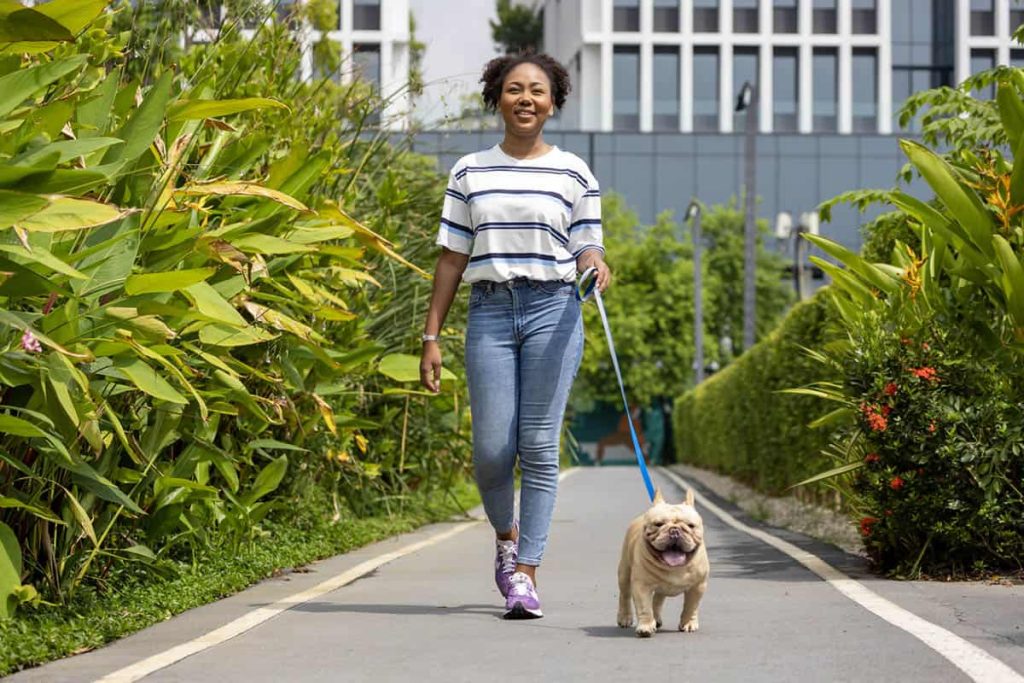
Not all dogs require the same amount of activity. Exercise needs can vary widely depending on your pup’s age, breed, and personality. Here are some of the key factors to consider.
- Breed differences and energy levels: Working breeds like Border Collies or Labrador Retrievers typically need significantly more walks and exercise than smaller dogs or lower-energy breeds like Bulldogs or Shih Tzus.
- Age and developmental stage: Puppies, adult dogs, and seniors all have different energy levels and physical capabilities.
- Size and body condition: Larger dogs may require more space, more walks, and more and structured exercise, while smaller dogs may meet their needs with shorter bursts of activity.
- Health conditions and mobility: Dogs with joint issues, injuries, or chronic conditions may need modified, lower-impact exercise routines and shorter walks
- Temperament and working background: Dogs bred for herding, hunting, or guarding often have more mental and physical exercise needs than companion breeds.
Daily Exercise Needs by Dog Age
A dog’s exercise requirements change over time. Whether they’re in the puppy, adult, or senior stages of life, matching activity to their needs is key to keeping your dog healthy without overdoing it.
Puppies
Puppies are full of energy, but they also need plenty of rest. How much exercise does a puppy need? Their exercise routine should be:
- Short and frequent (think multiple 5–15 minute puppy play sessions or walks)
- Focused on gentle play, exploration, and basic puppy training
- Low-impact like fetch or walks to protect a puppy’s developing joints
Mental stimulation—like training and interactive toys—is just as important as physical activity at this stage.
Adult Dogs
Most adult dogs require 30 minutes to 2 hours of exercise per day, depending on their breed and energy level.
- High-energy breeds may need vigorous activity like running, long walks, hiking, or structured play
- Moderate-energy dogs often do well with daily walks and interactive play
- Consistency is key—daily routines help regulate behavior and energy levels
Senior Dogs
Older dogs still need regular exercise, but their routines should be adapted:
- Shorter, lower-impact leash walks
- Gentle play and light movement to maintain mobility
- More frequent breaks and attention to comfort during walks or other activities
For aging dogs, joint support can make a difference. A supplement can complement a senior dog’s routine by supporting mobility alongside appropriate walk and exercise adjustments.
Ways to Exercise Your Dog
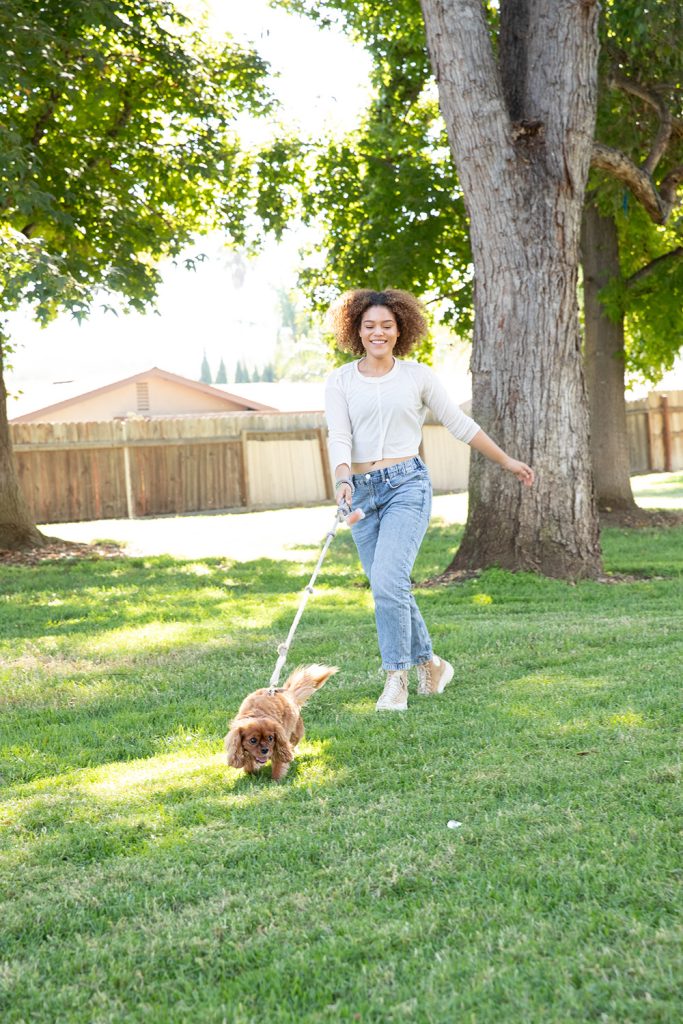
Keeping your dog active doesn’t require a complicated routine. A mix of walks and indoor and outdoor activities can help meet their needs, no matter your schedule or environment.
Indoor Exercise
Indoor activities are perfect for pups on bad weather days, busy schedules, or apartment living.
- Interactive puzzle toys: Keep your dog mentally engaged while encouraging problem-solving.
- Short training sessions: Practice commands, tricks, or new skills to combine mental and physical stimulation.
- Tug-of-war or gentle play: A great way to burn energy in a small space while strengthening your bond.
- Hide-and-seek or scent games: Hide treats or toys around the house to tap into your dog’s natural instincts.
- Indoor fetch in safe spaces: Use a hallway or open room for controlled, low-impact games.
Outdoor Exercise
From smaller dogs to larger breeds, outdoor activities offer more space and stimulation, making them ideal for meeting higher energy needs.
- Daily structured walks: A foundational activity that supports both pup’s physical exercise and mental enrichment through sniffing and exploration.
- Fetch in a yard or park: Great for high-energy dogs that love to run and chase.
- Hiking or trail walks: Hiking or trail walking with your dog provides varied terrain and new scents, which can increase agility more than normal dog walks.
- Swimming: A low-impact option other than walks that’s easy on joints while still providing a full-body workout.
- Dog park social time: Allows dogs to play and interact, combining exercise with socialization.
Supporting Your Dog’s Active Lifestyle
Daily exercise is only one piece of the puzzle when it comes to your dog’s overall health. Proper nutrition plays an equally important role in supporting your pup’s energy levels, muscle development, and recovery.
Dogs that get regular physical activity benefit most from balanced, complete meals made with high-quality ingredients. The right nutrition helps sustain steady energy without unnecessary fillers or excess calories.
For pet owners looking to support their dog’s active lifestyle, JustFoodForDogs offers thoughtfully prepared meals, treats, and supplements designed to complement regular exercise. The approach focuses on real, dog-appropriate ingredients that align with your dog’s daily activity needs—while always working alongside guidance from your veterinarian.
Ultimately, every dog is different. By pairing consistent exercise with proper nutrition, you can help support your dog’s long-term health, vitality, and happiness.