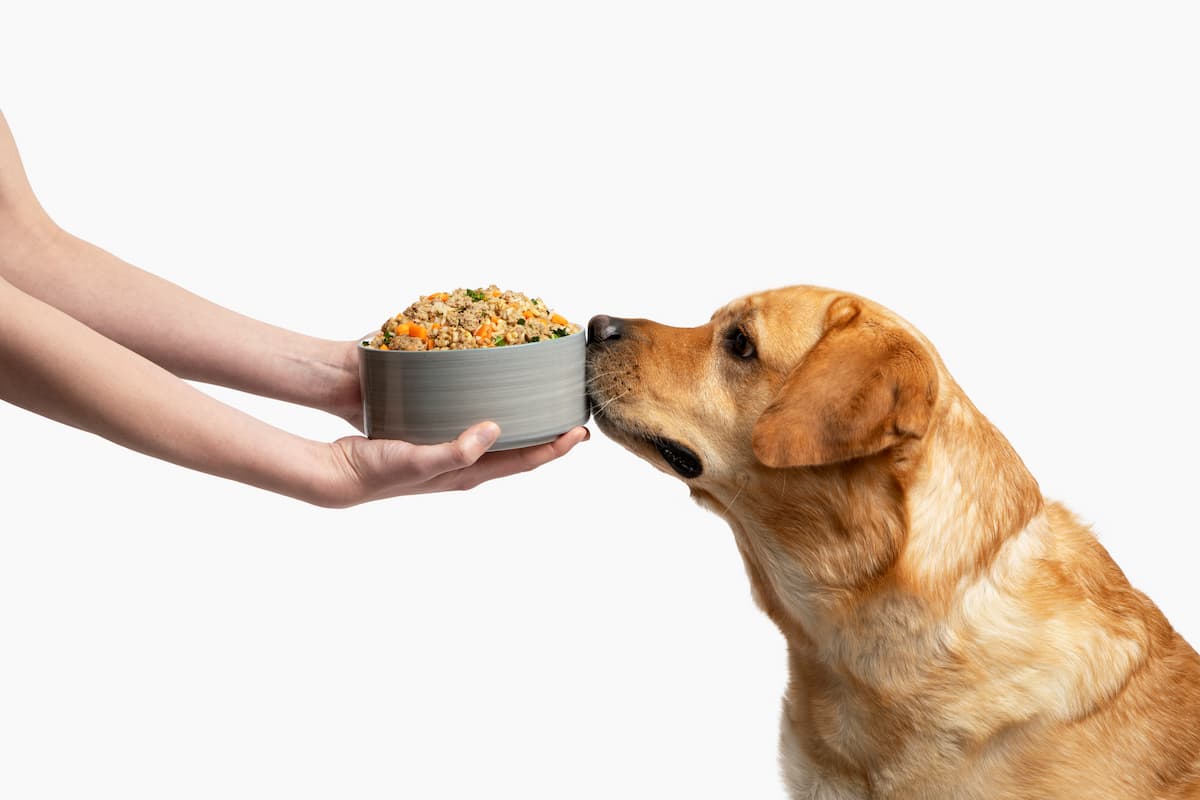
The truth is out about the dangers of rawhide chews, and the search is on for the safest, healthiest, and best rawhide alternatives for dogs.
But with so many dog chews, it’s difficult to know if rawhide alternatives are any safer—or merely pose the same risks in a new shape or flavor. Let’s dive in so you can confidently “chews” safe, healthy, and nutritious chewing options for your best friend.
Why consider alternatives to rawhide?
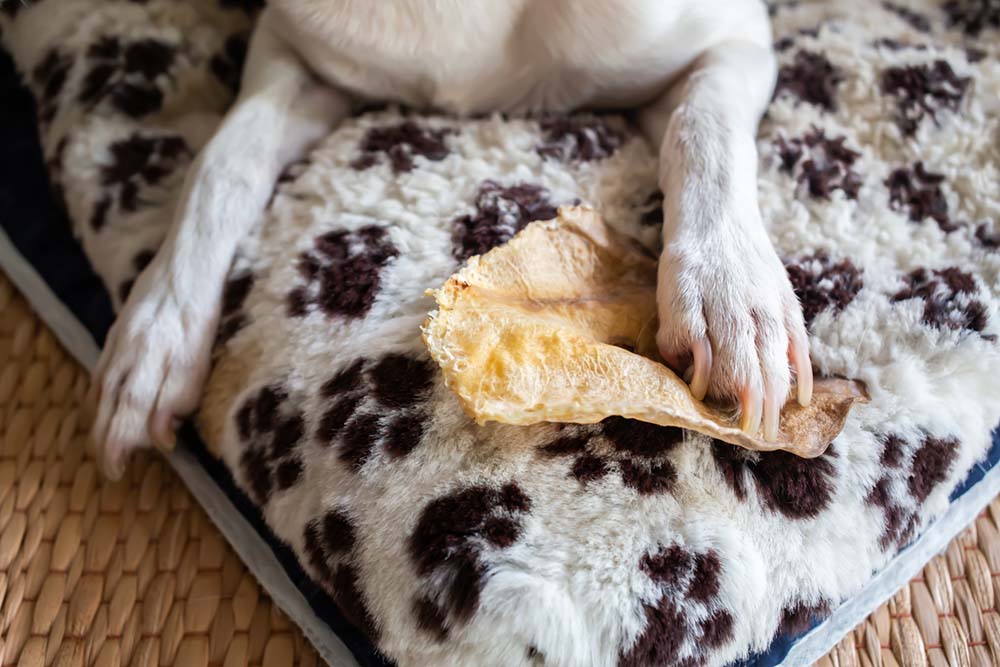
Rawhide bones and chews are often sold in cute shapes and packages. But don’t be fooled—the dangers in these popular chews can be scary, costly, and in some cases, deadly.
While rawhide-related dangers can be different for each dog, rawhide’s most concerning risks include:
- Choking — Rawhide chews are a known choking hazard. Rawhide chunks can get stuck in a dog’s throat and prevent breathing.
- Poor digestibility — While small rawhide pieces may pass through a dog’s digestive tract without harm, large chunks can take a long time to break down.
- Blockages — Large rawhide pieces can get stuck along the digestive tract, in the esophagus, stomach, or intestines. This can be life-threatening and require emergency surgery.
- Chemicals — Many rawhide dog treats are made outside the USA and with harmful chemicals, preservatives, and additives.
The benefits of chewing for dogs’ health
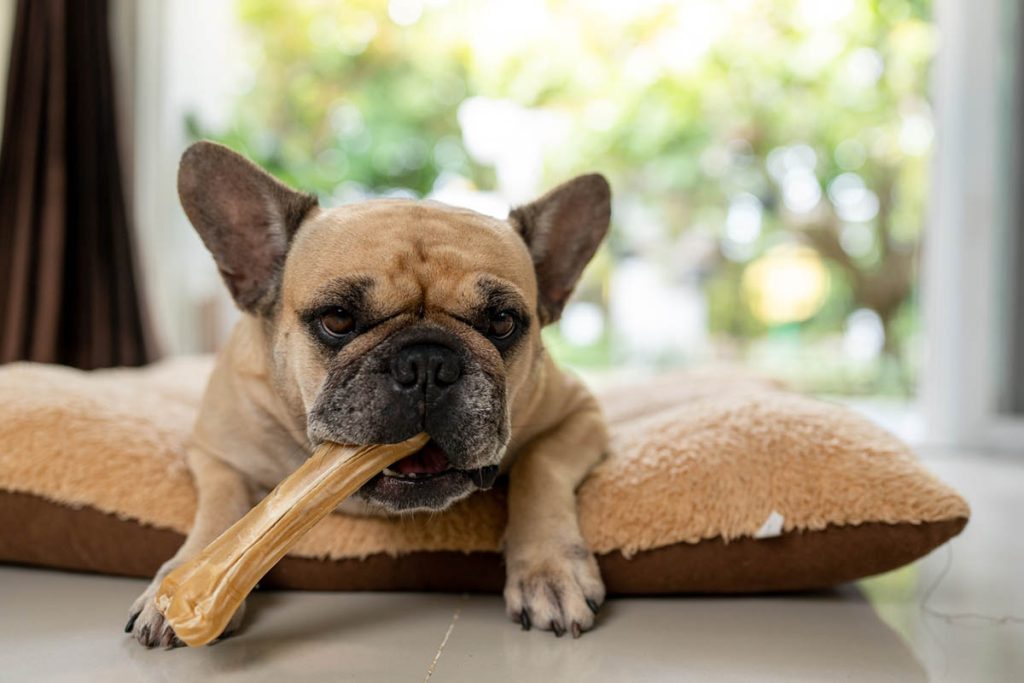
Chewing is a natural dog behavior. It has surprising mental and physical health benefits for dogs, including reduced stress and better dental health.
Benefits of dog chewing include:
- Teething — Puppies chew to relieve pain as their adult teeth replace their milk teeth.
- Boredom — Dogs who don’t get enough exercise may use chewing to burn off energy.
- Stress relief — Chewing is a self-soothing activity that stimulates ‘feel good’ hormones. Anxious or nervous dogs may chew to reduce stress or fear.
9 best rawhide alternatives
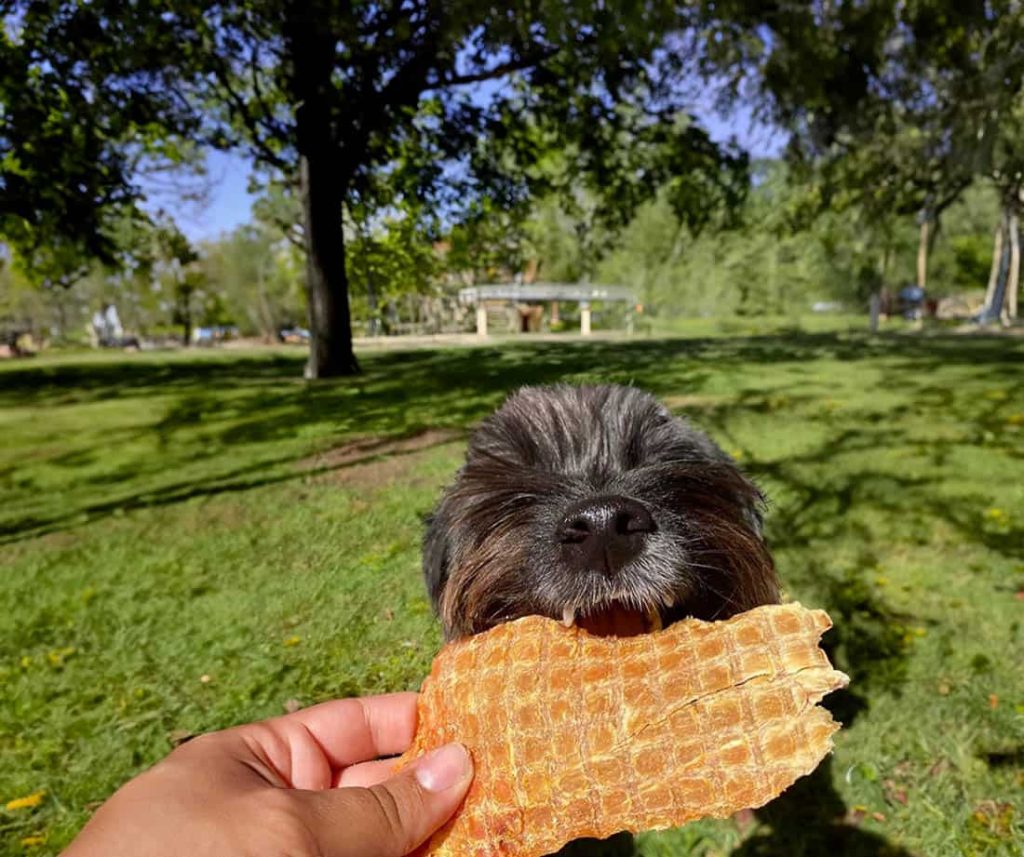
Every dog is unique, making it impossible to name one chew as the safest or best rawhide alternative for every dog. Instead, you’ll need to make this decision for yourself using advice from your veterinarian and the information in this article.
Here’s a brief look at nine of the most popular rawhide alternatives for dogs.
- Rawhide-free chews — These pressed treats may look like rawhide, but contain no hide. Instead, these rawhide-free options make up highly digestible ingredients like rice flour, glycerin, gelatin, and agar-agar.
- No-Hide® Chews — No-Hide® Chews made by Earth Animal are a popular rawhide-free chew that looks like rolled rawhide and provides the same long-lasting experience for chewers without the harmful ingredients.
- Dental chews — These are a safe rawhide alternative for dogs with dental benefits! Dental chews are flexible and textured so that they scrub your dog’s teeth as they gnaw. Note that dental chews don’t replace the need for routine veterinary dental care.
- Veggies — Vegetables provide a nutrient-packed chew experience for dogs. Try giving your dog a baked or dehydrated sweet potato slice or a frozen carrot soaked in low-sodium bone broth.
- Himalayan chews — Also known as yak cheese chews, Himalayan chews are high-protein natural chews of 100% yak or cow’s milk. They are dense, which makes them long-lasting, but their hard texture may make them less appealing for light chewers and senior dogs.
- Bully sticks — Bully sticks are a long-lasting, low-mess, natural chew that dogs love. However, these treats are high in calories so watch your dog’s weight! Additionally, although beef bully sticks are digestible, small pieces or ends can pose a choking hazard and lead to blockages.
- Elk antlers — While antlers are a long-lasting chew that won’t splinter like other animal-based options, their pointy nature and hard texture can make them a dangerous choice. Antlers can puncture oral tissue and are a common cause for painful dental fractures.
- Collagen — Although collagen chews are a hide product, they’re made from a layer that is more flexible and easier to digest. Collagen chews are a high protein, low-fat treat with natural skin, coat, and joint benefits.
- Chew toys — Pet-safe rubber chew toys can be a stimulating choice for dogs who love to gnaw and fetch. Fill hollow toys with food or treats and sealed with xylitol-free peanut butter for long-lasting fun. Freeze them for an added challenge.
A note on pig ears — Dogs may love these greasy, single-ingredient treats, but veterinarians do not recommend them. Pig ears are high in fat and can cause stomach upset or pancreatitis, a dangerous condition that requires hospitalization.
Tips for introducing a new chew to your dog
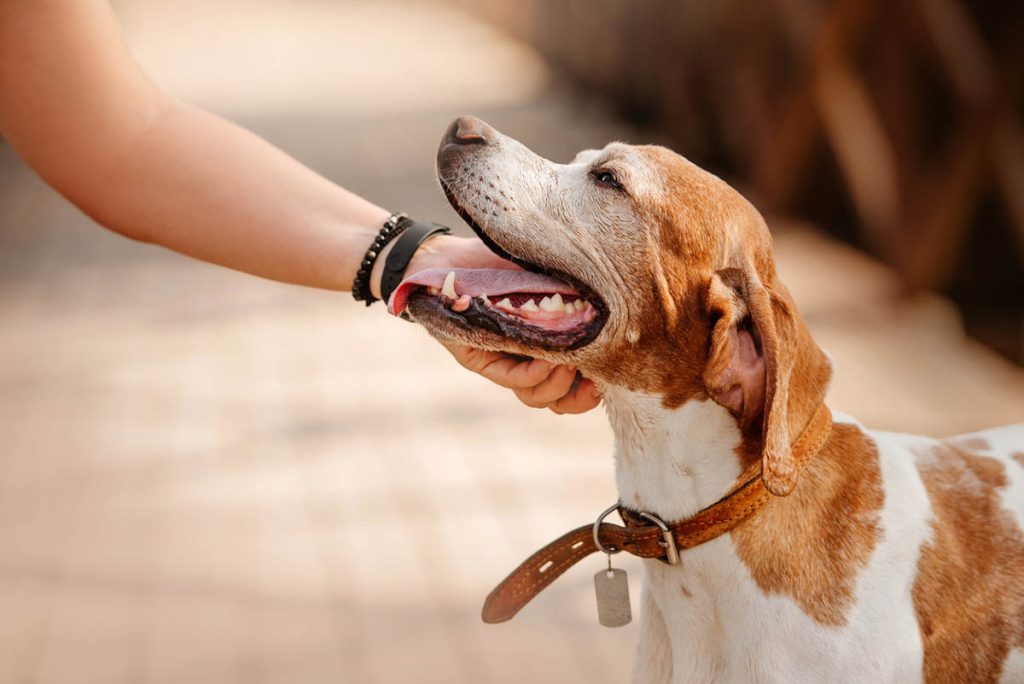
No matter which rawhide alternative you choose, there is always some risk of choking or injury. Fortunately, you can avoid many of these dangers by paying close attention to your dog, their behavior, and their chewing needs.
Keep the following things in mind as you research potential treats:
Size and life stage
If your chewer is a teething puppy or a senior, they may need a softer chew that is gentle on their gums and easy to digest. Small chews are a choking hazard for large dogs, while chews that are too big can frustrate or injure small dogs.
Behavior
Does your dog chew when they are stressed or bored? If your dog chews frequently or on the wrong things, training, enrichment activities, or more exercise may be a better solution. Try spending more time together before adding extra calories to your dog’s diet.
Chewing style
Aggressive chewers may need denser chews or those that come in challenging shapes, while light chewers may prefer something that crumbles or is soft, like a jerky treat stick.
Ingredients, Allergies, and Health
Look for chews with recognizable ingredients. Many limited or single-ingredient chews have natural nutrients such as collagen or calcium for bone and joint health, while dental chews may help clean teeth.
If your dog has allergies or a sensitive stomach, look carefully at the ingredient list. For example, collagen chews can be beef, pork, chicken, or fish. Check any other requirements, such as grain-free or gluten-free.
Other top tips for a safer chewing experience include:
Supervise your dog
Don’t leave your dog alone with a chew toy. This will allow you to quickly step in to assist or remove the toy. Continue to observe your dog after they’re done chewing. Watch for any unusual behavior or health changes such as digestive upset or discomfort. Notify your vet with any concerns.
Inspect chews after use
Discard chews that are too small, sharp, or otherwise damaged. Long, skinny chews such as bully sticks can be secured in a chew holder to prevent your dog from swallowing the end.
Watch for digestive upset
New chew types or flavors can upset your dog’s digestive system. Limit their chewing time initially to ensure success.
Stay up-to-date with dental care
Protect your dog’s oral health and be aware of any changes by visiting your veterinarian for routine check-ups and dental care. Dental disease and broken teeth not only make chewing painful but can also lead to widespread illness in the body.
Provide access to fresh water
Chewing is thirsty work, especially if the chews are dehydrated or flavored. Always keep fresh water available at all times.
Choose safe and nutritious chews for your dog
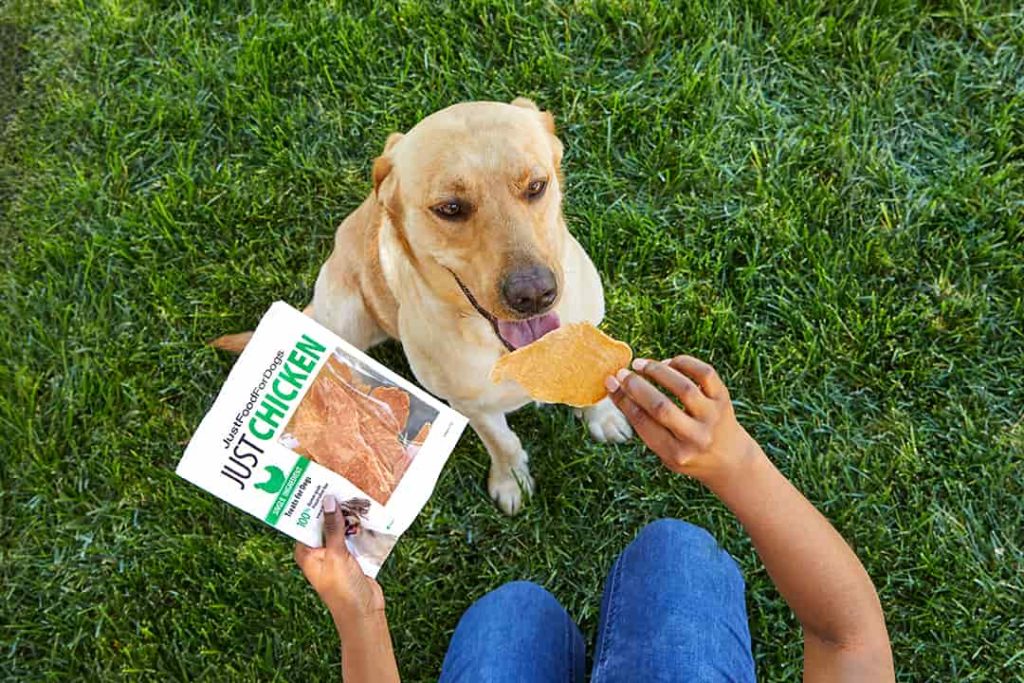
Chewing can be a beneficial and rewarding activity for dogs, but only if the chews are safe, healthy, appropriately sized, and enjoyed under supervision.
Fortunately, replacing potentially harmful rawhide with safe alternatives is easier than ever. Your dog relies on you to do what’s best. So, do your research when it comes to the best rawhide alternatives to prioritize their health and well-being. You’re sure to find a chew that not only satisfies their instincts but also strengthens your bond.
This content is for informational use only and does not replace professional nutrition and/or medical advice, diagnosis, or treatment. It is not a substitute for specific nutrition and/or medical recommendations. Please talk with your veterinarian about any questions or concerns.