Bringing home a new puppy is one of life’s most exciting milestones, and one of the most overwhelming. Between puppy-proofing your home, stocking up on supplies, scheduling vet visits, and figuring out a routine, it can feel like there’s a lot to juggle all at once. Here’s the good news: a little preparation goes a long way.
The first 30 days set the foundation for your new puppy’s comfort, training progress, and long-term health. The habits, routines, and environments you establish in those early weeks will shape how your pup learns, bonds, and grows. That’s why having a solid new puppy checklist before your furry family member arrives isn’t just helpful; it’s essential.
This guide walks you through everything you need to know, from setting up a safe home base to stocking the right puppy supplies, booking that first vet visit, and building healthy habits from day one. Whether you’re a first-time pet parent or just want to make sure you haven’t missed anything, consider this your go-to resource for caring for your new puppy.
What Does a New Puppy Need?
What do I need for a new puppy? Before diving into specifics, here’s a quick overview of the new puppy essentials every puppy needs to thrive:
- A safe, dedicated space — A crate, playpen, or gated area for rest and supervision
- Age-appropriate nutrition — Quality puppy food formulated for their size and breed stage
- Training treats and tools — Small rewards and a treat pouch for positive reinforcement
- Toys and chews — For mental stimulation, teething relief, and healthy play
- Potty training supplies — Pads, enzyme cleaner, and poop bags from day one
- Grooming basics — Brush, shampoo, nail clippers, and a toothbrush
- Walking gear — A properly fitted collar, harness, and training leash
- Veterinary care — A vet visit within the first week to establish health baseline
- Identification — An ID tag and microchip in case they ever get lost
- Your time and patience — Consistent attention is your most powerful tool
Now, let’s take a closer look at these puppy must-haves.
Set Up Your Puppy’s Safe Home Base
A dedicated space helps your new puppy settle in calmly and makes supervision much easier. Set this up before they arrive (you’ll be happy you did):
- Crate or playpen — This supports crate training and gives your pup a safe den to call their own. Crating helps your puppy feel more secure. Sometimes, pet parents think a crate is cruel, but it’s actually very calming. There are some things to consider, however.
Your pup should be able to stand up and turn around in the crate without much extra space. More space gives him room to potty, so keep it limited. Also, bedding for the crate should be something that can’t be chewed easily (no faux fur on it, for example). Keep these in mind when choosing your pup’s crate.
- Dog bed — A soft, washable bed inside the crate adds comfort and gives your buddy a space where he can settle in.
- Baby gates — Block off hazardous rooms and stairways so you don’t have to be constantly watching.
- Blankets or towels with your scent — This helps soothe anxiety, especially in the first few nights. Breeders might also include a towel with your pup’s littermates’ scents, which can ease the transition.
- Puppy-proofing — Tuck away cords, move toxic plants, and remove small chokeable objects to keep your new family member safe and healthy.
Choose a Puppy Food Plan
Your new puppy has higher nutritional needs than adult dogs, so age-appropriate food matters for healthy growth and development. Your feeding setup should include:
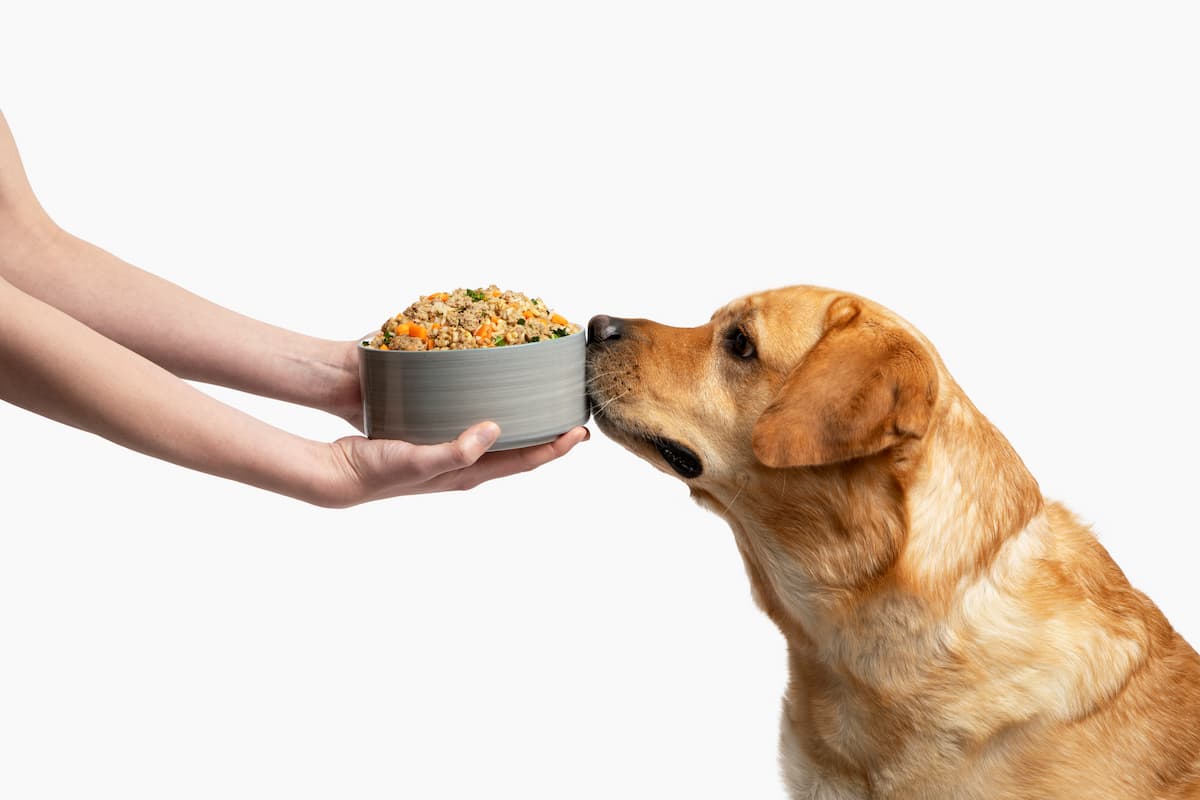
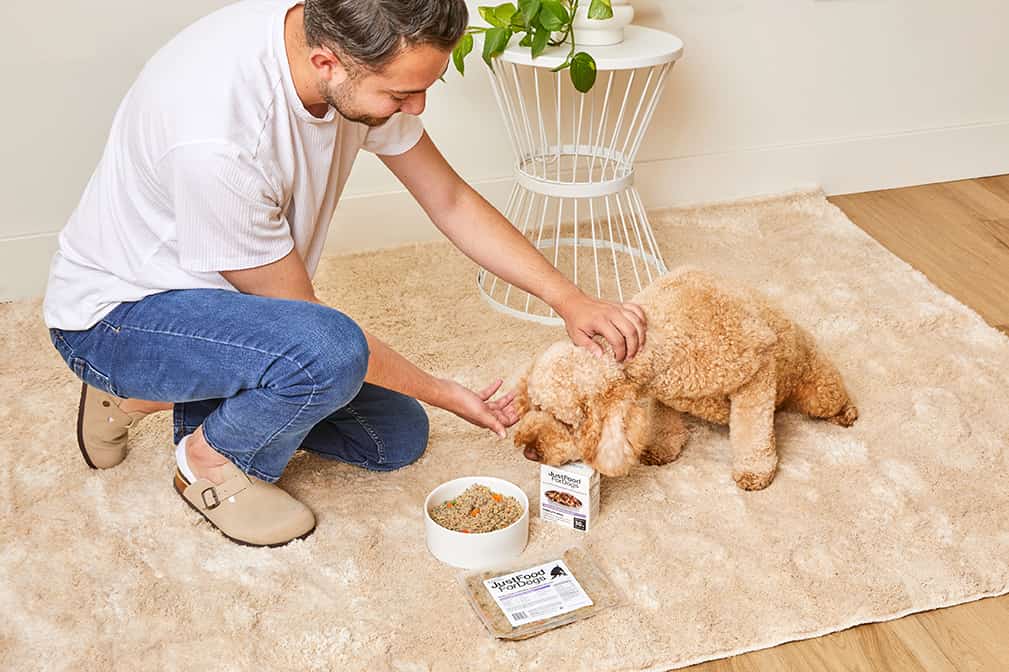
- High-quality puppy food — Look for real, whole ingredients appropriate for your puppy’s size and breed. JustFoodForDogs’ Fish & Sweet Potato and Chicken & Rice are excellent fresh, human-grade options formulated for growing dogs.
- Food and water bowls — Stainless steel dog bowls are durable, easy to clean, and don’t contain dangerous chemicals like some plastic bowls.
- A measuring scoop — Portion control prevents overfeeding.
- A feeding schedule — Usually three meals a day until around six months supports digestion and potty training, then you can switch to two meals a day.
Stock Training Treats and Must-Have Reward Tools
These should not be left off the puppy supply list. Treats are your most powerful puppy training tool. A few rules of thumb:
- Use small, soft, breakable treats — Pea-sized or smaller treats keeps your pup focused during sessions.
- Keep treats under 10% of daily calories — Adjust meal portions to compensate, so you’re not overfeeding.
- Skip the human food — Many common foods are toxic to dogs (xylitol, grapes, onions, and chocolate, to name a few); stick to dog-safe treats for training
- Get a treat pouch — This keeps rewards accessible so you can reinforce good behavior instantly.
Pick Up Toys and Teething Chews That Keep Them Busy
Puppies need to chew, and you’ll want to give them the right outlets or they’ll find their own. A well-rounded dog toy supply list includes:
- Chew toys — Durable rubber chews sized for your puppy’s breed provide safe, satisfying chewing, and the toys last longer. Chew toys help reduce boredom, while also creating a diversion from your shoe collection.
- Teething toys — Textured dog toys (try freezing them) soothe sore gums during the 3–6 month teething phase.
- Puzzle toys — Interactive dog toys that dispense treats engage your puppy’s brain and reduce boredom. Mental stimulation is as important as physical exercise.
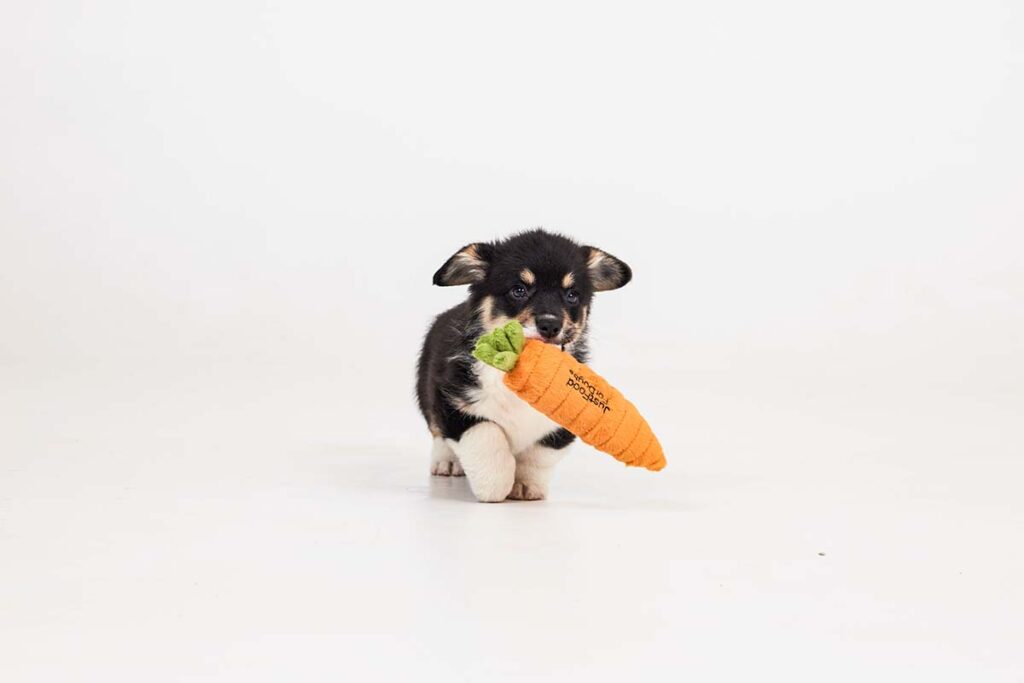
- Plush toys — Great for comfort and carry-around play, but always supervise to avoid ingested stuffing. Also, be aware that your pup might then confuse household items like pillows for their chew toy.
- Fetch and tug toys — Build your bond and burn energy during play sessions using these kinds of toys.
Safety note: Check toys regularly for loose parts or wear, and replace them when damaged.
Book the First Vet Visit and Map Out Preventive Care
Schedule your puppy’s first vet visit within the first week of coming home. Early care establishes a health baseline and sets up a prevention plan. Here’s how to prepare:
- Bring all medical records from your breeder or rescue
- Discuss a vaccine schedule for core puppy vaccines
- Ask about flea, tick, and heartworm prevention appropriate for your region
- Talk through spay/neuter timing based on your puppy’s breed and size
- Consider pet insurance early before any conditions are on record
Get Walking Basics Ready

The right gear makes leash training safer and more effective from the start. A secure collar, properly fitted harness, and reliable leash are the foundation of safe outings, but there’s more you’ll need to consider.
The right gear makes leash training safer and more effective from the start: A secure collar, properly fitted harness, and reliable leash are the foundation of safe outings, but there’s more you’ll need to consider.
- Harness — Distributes pressure across the chest rather than the neck, reducing strain and discouraging pulling.
- Car Harness: Often resembling a walking harness, a dog car harness clips into your existing seatbelt buckles, keeping your pup and other passengers safe if you slam on the brakes.
- Training leash — A standard 4–6 foot leash teaches your pup to walk beside you; skip the retractable for now.
- Collar with ID tag — Even harness-wearing pups should wear a collar with your contact info at all times. You hope you never need it, but you’re glad you do if your pup slips the leash. The collar should be adjustable and comfortable, with enough space to fit two fingers between the collar and your puppy’s neck.
- Poop bags — Every dog parent needs a stash of reliable poop bags. A poop bag holder ensures waste bags are always at the ready. You can clip one to the leash, so it’s handy.
Set Up Potty Training from Day One
Consistent potty training from the moment your dog arrives speeds up the process significantly:
- Puppy pads — Reusable puppy pads or puppy pads to cover the bottom of your new puppy’s crate are essential for easier cleaning. You can also place them near the exit door to start associating that area with going potty in your pup’s mind.
- Enzyme cleaner — Breaks down urine proteins at the molecular level so your dog isn’t drawn back to accident spots.
- Poop bags — For outdoor trips and yard cleanup, you’ll want these handy.
- A consistent schedule — Take your puppy out after waking, after meals, after play, and before bed; young pups may need a trip every 1–2 hours.
- Potty bell (optional but fun) — Training your pup to ring a bell at the door is surprisingly effective at reducing accidents, and it will amaze your friends.
Start Simple Grooming and Dental Habits Early
Introducing grooming early builds positive associations that last a lifetime. Go slowly, use treats and praise, and keep sessions short:
- Puppy-safe shampoo — Use gentle, tear-free formulas to protect sensitive puppy skin.
- Brush or slicker brush — Start brushing early regardless of coat length; it gets your pup used to being handled.
- Nail clippers or grinder — Trim every 2–3 weeks to prevent discomfort and posture issues.
- Puppy toothbrush and toothpaste — Dental disease is the most common health issue in adult dogs; daily brushing starting young makes a real difference. Always use dog-safe toothpaste and never use human toothpaste.
- Dental wipes or finger brush — These can be used as a gentler introduction to teeth cleaning if your dog isn’t ready for a toothbrush yet.
- Plan for a groomer — Depending on your dog’s breed, plan on regular professional grooming appointments every 6–8 weeks.
Cover ID and Records
If your puppy ever gets lost, ID is what brings them home. Make sure you have both:
- ID tags — A collar tag with your dog’s name and your phone number is the fastest way for a stranger to return them.
- Microchip — A permanent, scannable ID implanted under the skin, but you need to register it with your current contact details, or it won’t help.
Keep these records on hand and well-organized:
- Adoption or breeder paperwork
- Vaccination and vet records
- Microchip registration confirmation
- Pet insurance documents
Fuel Your Pup’s Healthy Growth with Fresh, Balanced Nutrition
A complete new puppy checklist gets you through the first month, but long-term wellbeing depends on consistent, quality nutrition every day. JustFoodForDogs offers fresh, human-grade meals made with whole ingredients that support healthy growth at every stage. Here are two great options for your new pup:
- Fish & Sweet Potato — Gentle and digestible, ideal for puppies with sensitive stomachs
- Pantry Fresh Chicken & Rice — A wholesome, convenient staple for everyday feeding
When you start your puppy’s life with balanced, real-food nutrition, you’re investing in their health from day one.
Final Thoughts
A new puppy is a happy addition to the family, but as with any family member, they need a lot of attention, patience, and care. Being prepared is the best way to make the process easier for everyone involved. The unconditional love you get is well worth the effort!