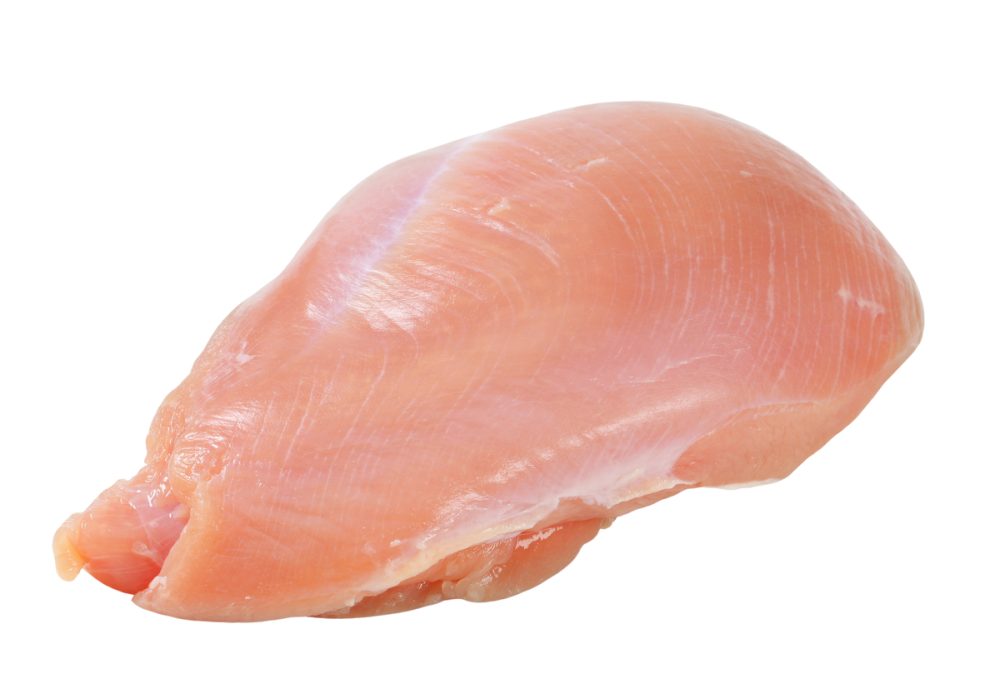
Dogs are sneaky. They’re also opportunistic. This means if they smell or see a piece of raw chicken, they’re probably going to eat it, bones and all—and not think twice!
Meanwhile, you’re in a panic.
And, your brain is swirling with questions. Sure, chicken is a common dog food ingredient, but can dogs eat raw chicken? What happens if my dog eats raw chicken? Is raw chicken good for dogs, or is it a harmful source of bacteria, bones, and BIG problems?
In this practical guide, we’ll get to the meat of this topic. We’ll help you understand the risks of raw chicken for dogs, how to recognize signs of food poisoning or illness in dogs, what to do if your dog eats raw chicken, and how to prevent them from accidentally eating raw meat.
Risks of eating raw chicken
Can I give my dog raw chicken? The majority of vets do not recommend it, but according to raw diet advocates, dogs are technically equipped to eat raw chicken. This is because their highly acidic stomach can neutralize harmful bacteria, and their relatively short digestive tract lowers the likelihood of certain infections. However, this doesn’t override the numerous risks or mean that every dog can tolerate raw meat.
Here are some of the risks of eating raw chicken.
Salmonella infection
If you’ve wondered, “Can dogs get Salmonella from eating raw chicken?” The answer is absolutely. Salmonella is a dangerous bacteria commonly found in contaminated raw chicken. In addition to becoming sick from this infection, dogs can shed the bacteria in their saliva and stool. This can then be passed to dog owners and result in serious gastrointestinal illness, which may require hospitalization.
E. coli infection
Like Salmonella, E. coli is a harmful bacteria often found in raw chicken and other raw meats that can cause a bacterial infection in dogs and humans. Contamination with E. coli can lead to serious illness and hospitalization in pets and people.
Choking hazard and bone splinters
Although uncooked chicken bones are softer and easier for dogs to digest than cooked bones, dogs can still choke on them. This can be a life-threatening emergency. In addition to choking, intestinal blockages can happen if dogs eat too much bone or swallow large pieces. Finally, although bone splinters are more common with cooked chicken bones, sharp pieces may still form as dogs chew and can cause internal injury.
Food poisoning
Like humans, dogs can suffer from food poisoning after consuming contaminated meat. This is a catch-all term for bacterial infections, including Salmonella, E. coli, and Campylobacter, that cause gastrointestinal illness.
Signs That My Dog Might Have Eaten Raw Chicken
While some dogs show no signs after eating raw chicken, others can quickly become very sick. It all depends on how much your dog consumed, whether they ate chicken bones, your dog’s size, and their overall health. Signs that your pet consumed raw meat may include:
- Vomiting: This can happen for several reasons. Most often, it’s because your dog’s stomach and digestive tract aren’t used to raw chicken. It can also be caused by eating too much, bacteria (food poisoning), a blockage, or eating chicken skin or fat.
- Diarrhea: Raw chicken can cause loose or liquid stool. This can be triggered by fatty components of raw chicken, such as the skin and fat, seasonings or marinades, or from contamination (bacteria).
- Drooling: Dogs may experience nausea after eating raw chicken because it irritates their stomach. Nausea is also associated with food poisoning. Unusual drooling can also indicate that a bone is lodged in your dog’s mouth, especially if your dog is pawing at their face or muzzle.
- Stomach discomfort: Like us, dogs can suffer from abdominal pain. Cramping, bloating, and gas can be caused by food-borne illnesses and bacterial infection.
- Lethargy: Dogs may be tired or uninterested in regular activity if they don’t feel well.
What Should I Do if My Dog Ate Raw Chicken?
If you know or suspect your dog ate raw chicken, but they aren’t choking or in obvious distress, it’s important to stay calm but alert. Many dogs can safely digest raw chicken without illness or injury. However, you’ll need to stay alert for changes in their condition. Here’s what you need to do.
Monitor for symptoms
E.coli and Salmonella can rapidly make dogs ill. Stay alert for changes, including vomiting, diarrhea, lethargy, and discomfort. Report any concerns to your veterinarian.
Contact your veterinarian
If your dog is sick or you’re simply concerned, your vet can advise you on whether to bring them to the clinic or care for them at home.
Don’t induce vomiting without guidance
Although sometimes recommended to prevent toxicity, making your dog vomit can lead to complications like aspiration pneumonia. Do not attempt this without your vet’s recommendation and instructions.
Provide water and monitor your dog’s thirst
Keeping your dog hydrated can help them digest raw food and replace any fluids lost during vomiting or diarrhea. Raw meat has a high water content, so it’s not unusual for your pet to drink less. If they drink more than normal, contact your vet.
Gradually return to a normal diet
If your dog became sick after eating raw chicken as part of a raw diet, the meat may have been contaminated or simply too difficult for them to digest. Raw diets don’t work well for every dog. Once your dog has recovered, follow your veterinarian’s advice and gradually transition back to their regular, complete, balanced dog food.
If your dog accidentally ate raw chicken (e.g., off the counter or fed by a guest), slowly reintroduce their normal food over several days to help prevent further stomach upset.
Prevention Tips for Avoiding Raw Chicken Incidents
By now, it’s clear that feeding your dog raw chicken carries more risks than potential nutritional benefits. These risks don’t only affect your dog—bacteria like Salmonella, Campylobacter, and E. coli can also put your entire household at risk.
Here’s how to help avoid the dangers associated with pets eating raw meat.
Always store chicken securely to avoid cross-contamination
Always store raw chicken in sealed, leak-proof containers and keep it out of your dog’s reach. Sanitize countertops, cutting boards, and utensils thoroughly after handling raw meat to reduce the risk of spreading bacteria.
Supervise or confine pets during meal prep
Even well-behaved dogs can’t always resist a piece of raw meat! Keep your dog out of the kitchen, in a crate, or under close supervision while preparing raw chicken and other harmful foods, to prevent sneaky bites or dropped pieces.
Educate household members
Ensure everyone in your household knows not to share raw meat or chicken bones with your dog. This includes children and guests who may not realize the dangers of raw food for dogs.
Avoid feeding raw chicken (raw diet)
Feeding raw chicken as part of a raw diet can increase the risk of foodborne illness and digestive upset. Complete and balanced dog foods are a safer, healthier, and more consistent way to support your dog’s long-term wellness.
Supporting Your Dog’s Health Moving Forward
Many pet parents choose raw food diets because they’re looking for a less processed, more nutritious option for their dog. Fortunately, there’s a safer alternative to feeding dogs raw meat. Gently cooked foods, such as JustFoodForDogs, deliver high-quality nutrition without unnecessary additives, preservatives, or the health risks of handling raw food.
By gently cooking our recipes, we reduce the risk of harmful bacteria while providing complete and balanced nutrition. JFFD also offers customized options to support your dog’s unique needs, including sensitive digestion, and recipes for each life stage. In the long run, your dog’s health is best supported by consistency and trusted nutrition, not frequent changes for the sake of variety or trends.
Explore the entire JustFoodForDogs menu, including our JustFresh Home-Cooked Chicken Recipe and customized diets, and start building your dog’s meal plan.