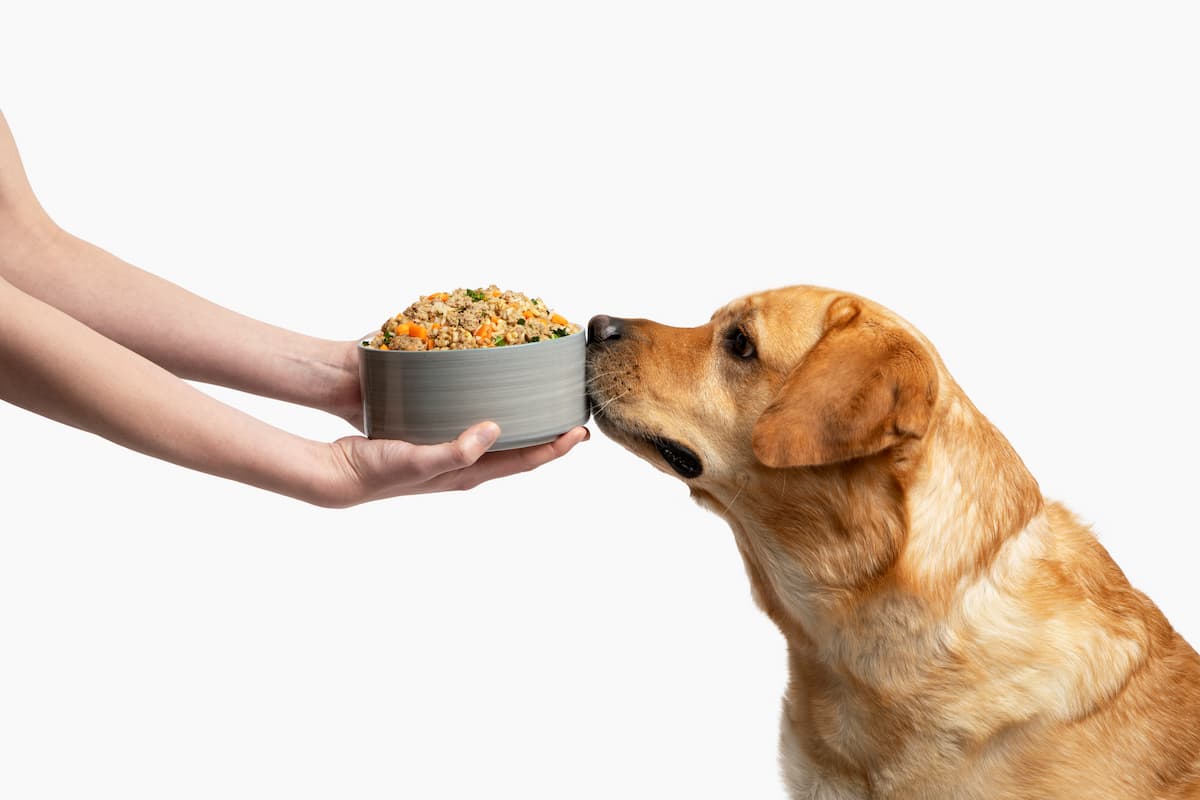
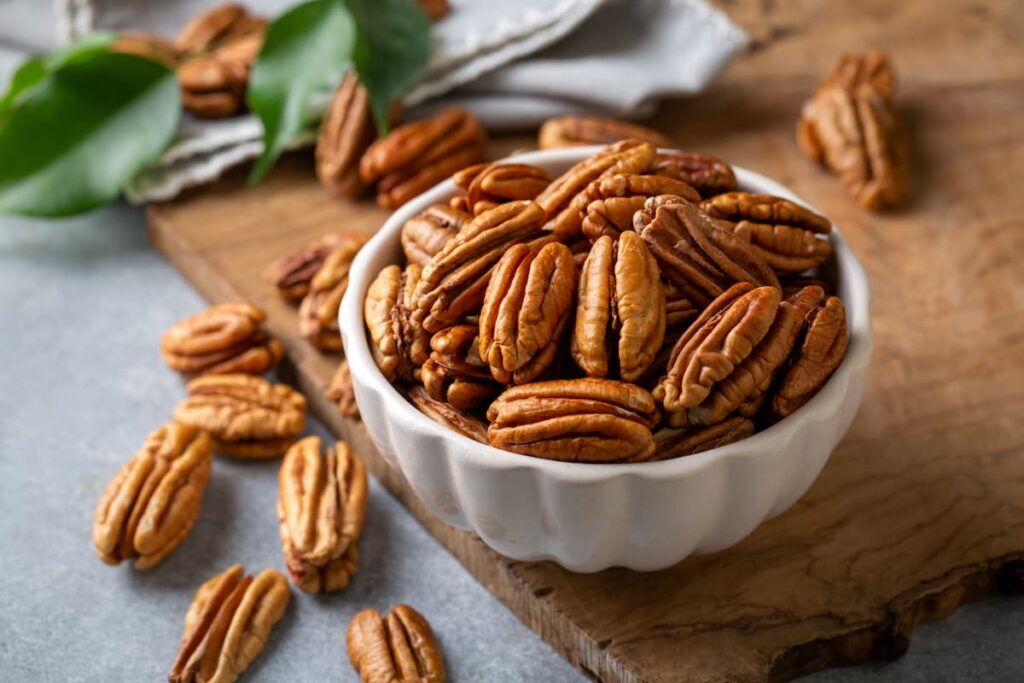
Dogs are curious creatures, and when a pecan rolls off the counter, most pups won’t hesitate to snatch it up. But can dogs eat pecans safely? Dogs can eat other nuts, so are pecans good for dogs? The short answer is no, pecans are not recommended for dogs and can pose real health risks depending on how many were eaten and in what form.
The good news is that a single pecan is unlikely to cause a crisis, but it’s still important to know what to watch for, when to call your vet, and what safer snack options you can offer instead. This guide walks you through exactly that: what makes pecans risky, what to do if your dog ate some, which nuts are lower-risk, and what treat alternatives your dog will actually enjoy.
Are Pecans Bad for Dogs?
Pecans are not safe for dogs to eat as a snack. While they aren’t classified as acutely toxic the way macadamia nuts are, the answer to the question “Are pecans safe for dogs?” is no. Like black walnuts, pecans naturally contain a compound called juglone that’s toxic to dogs, cats, and horses. Pecans also present several other risks that make them a poor choice for your pet, even in small amounts.
High Fat Content
Pecans, like most tree nuts, are high in fat. Dogs’ digestive systems are not designed to handle large amounts of fat, and regularly feeding high-fat foods can lead to gastrointestinal upset or, more seriously, pancreatitis in dogs.
Pancreatitis is an inflammation of the pancreas that can range from mild to life-threatening. Symptoms of pancreatitis include vomiting, diarrhea, lethargy, and abdominal pain, none of which you want your pup dealing with.
Mold and Mycotoxin Risk
Pecans are particularly prone to growing mold, especially if they’ve fallen from a pecan tree or been stored improperly. Moldy pecans can contain mycotoxins, toxic compounds produced by certain fungi that are harmful to dogs.
Ingesting mycotoxins can cause neurological symptoms, including tremors, seizures, and poor coordination. This is one of the more serious risks associated with pecans and makes backyard pecan trees a genuine hazard for curious dogs.
Choking or Intestinal Blockage
Whole pecans and pecan shells are hard and large enough to pose a choking hazard, particularly for small dogs. Even if swallowed without choking, the shells and whole nuts can cause an intestinal blockage, which is a serious condition requiring veterinary care. An obstruction in the digestive tract can cause vomiting, loss of appetite, lethargy, and may require surgery to resolve.
Salt and Additives
Many commercially prepared pecans are roasted and salted. Excess salt is harmful to dogs and can cause increased thirst, urination, and in severe cases, salt toxicity. Flavored or seasoned pecans add another layer of risk, making them even less appropriate to share with your dog.
What to Do After Your Dog Eats Pecans
If your dog got into some pecans, don’t panic, but do act quickly and carefully.
1. Remove Any Remaining Pecans and Shells
First, take away any pecans or shells your dog still has access to. This limits how much they can consume and removes the immediate hazard.
2. Estimate How Many Pecans Your Dog Ate
Try to figure out approximately how many pecans were ingested and whether they were shelled, unshelled, plain, or salted. This information will be important for your veterinarian when assessing your dog’s risk level.
3. Watch for Symptoms
Monitor your dog closely over the next several hours. Symptoms to watch for include:
- Vomiting or diarrhea
- Lethargy or weakness
- Loss of appetite
- Poor coordination
- Tremors or seizures
- Abdominal pain or bloating
Mild gastrointestinal upset may resolve on its own, but neurological symptoms or signs of pancreatitis require immediate veterinary attention.
4. Call Your Vet
If your dog consumed a large number of pecans, ate moldy pecans, or is showing any concerning symptoms, contact your veterinarian right away. When in doubt, it’s always better to call.
Your vet can help you determine whether your dog needs to be seen based on their size, how much they ate, and what symptoms are present. You can also contact the ASPCA Animal Poison Control Center (888-426-4435) for guidance.
Which Nuts Are Safe for Dogs?
Most nuts are not ideal for dogs due to their high fat content, but a few can be offered cautiously and in strict moderation. Nuts should never replace balanced dog food, and always choose plain, unsalted varieties.
Peanuts
Technically a legume, peanuts are one of the more dog-friendly options. Plain, unsalted, shelled peanuts can be given occasionally in small amounts. Peanut butter is also a popular treat; just make sure it doesn’t contain xylitol, which is toxic to dogs.
Cashews
Cashews are lower in fat than many other tree nuts and are generally considered safe in very small quantities. Stick to plain, unsalted cashews and offer them only as an occasional treat, not a regular snack.
Almonds
Almonds aren’t toxic for dogs, but they’re difficult for dogs to digest properly and can cause gastrointestinal upset. They’re also a choking risk for smaller dogs. If you offer almonds at all, keep portions very small and always go unsalted.
Hazelnuts
Hazelnuts are not toxic to dogs and are small enough to be less of a blockage risk than larger nuts. That said, they’re still high in fat and should only be offered plain and in moderation.
Avoid macadamia nuts and black walnuts entirely; macadamia nuts are toxic to dogs, and black walnuts (as well as English walnut varieties that may harbor mold) carry a high mycotoxin risk. Walnuts, in general, are best avoided.
What Safe Treat Alternatives Can You Offer Your Dog?
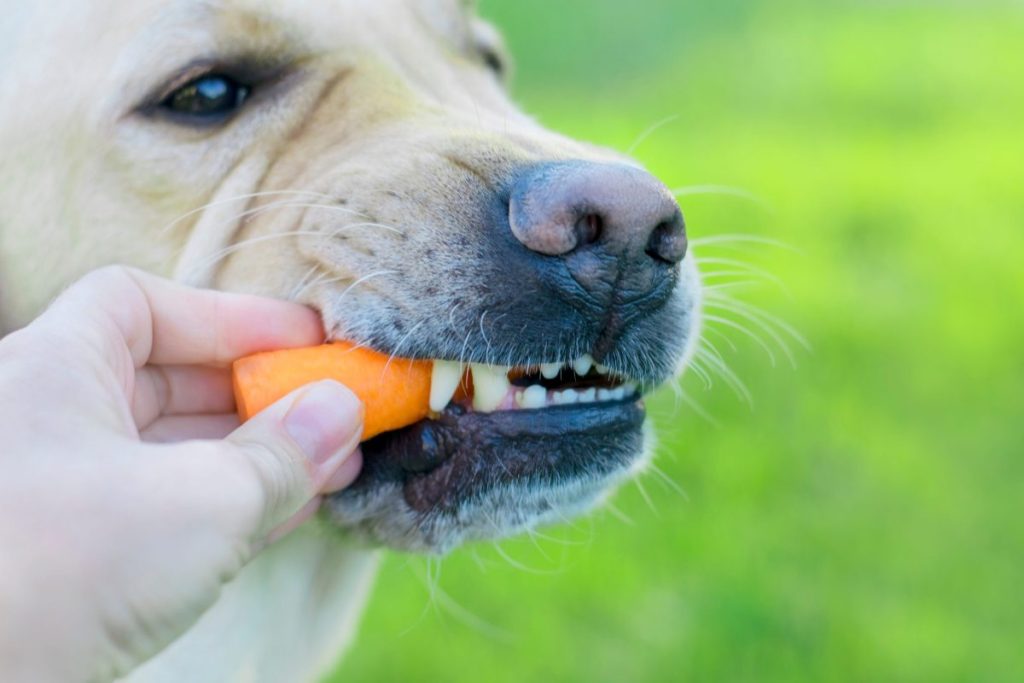
If you want to reward your pup without the risks that come with nuts, there are plenty of simpler, dog-safe options.
Carrots
Carrots are a crunchy, low-calorie snack that most dogs love. They’re high in fiber and vitamins, easy to digest, and gentle on the stomach — everything a healthy snack should be.
Apples
Sliced apples (without seeds or the core) make a naturally sweet treat that’s safe for dogs. They provide fiber and vitamins while being low in fat, making them a great alternative to fatty nuts.
Plain Popcorn
Air-popped, plain popcorn without butter, salt, or seasoning can be an occasional light snack for dogs. Keep portions small and make sure no unpopped kernels sneak through.
Dog Treats Made for Dogs
When in doubt, reach for treats specifically formulated for dogs. JustFoodForDogs Treats are made with simple, dog-appropriate ingredients and are designed with your pet’s health in mind, taking the guesswork out of what’s actually safe to share.
Supporting Safe, Balanced Snacking for Your Dog
While pecans are not a recommended snack for dogs, there’s no shortage of safer options to choose from. The key is keeping treats appropriate, portion-controlled, and in addition to, not instead of, a balanced diet. What your dog eats day to day matters far more than any single ingredient or snack moment.
Choosing meals and treats made with simple, carefully selected ingredients helps reduce the guesswork that comes with sharing human food. JustFoodForDogs offers both prepared meals and treats developed with your dog’s nutritional needs in mind, a thoughtful option for pet parents who want to feel confident about what’s going into their dog’s bowl. Explore Treats and DIY Homemade options to find something your dog will love without the risk.
Every dog is different. Factors like size, age, and overall health all play a role in how they respond to different foods. By pairing informed treat choices with balanced, species-appropriate nutrition, you’re setting your dog up for long-term well-being, one good decision at a time.
Final Thoughts
Pecans are not safe for dogs to eat. Between their high fat content, mold risk, and potential to cause choking or intestinal blockage, they’re a snack best kept for humans only. If your dog eats pecans, remove access to the remaining nuts, note how many were ingested, watch for symptoms, and call your vet if anything seems off.
Stick to dog-safe treats like carrots, apples, or treats made specifically for dogs, and when it comes to everyday nutrition, choose balanced meals made with ingredients you can feel good about. Your dog’s long-term health is built on consistent, smart choices, not just what happens in a single snack moment.