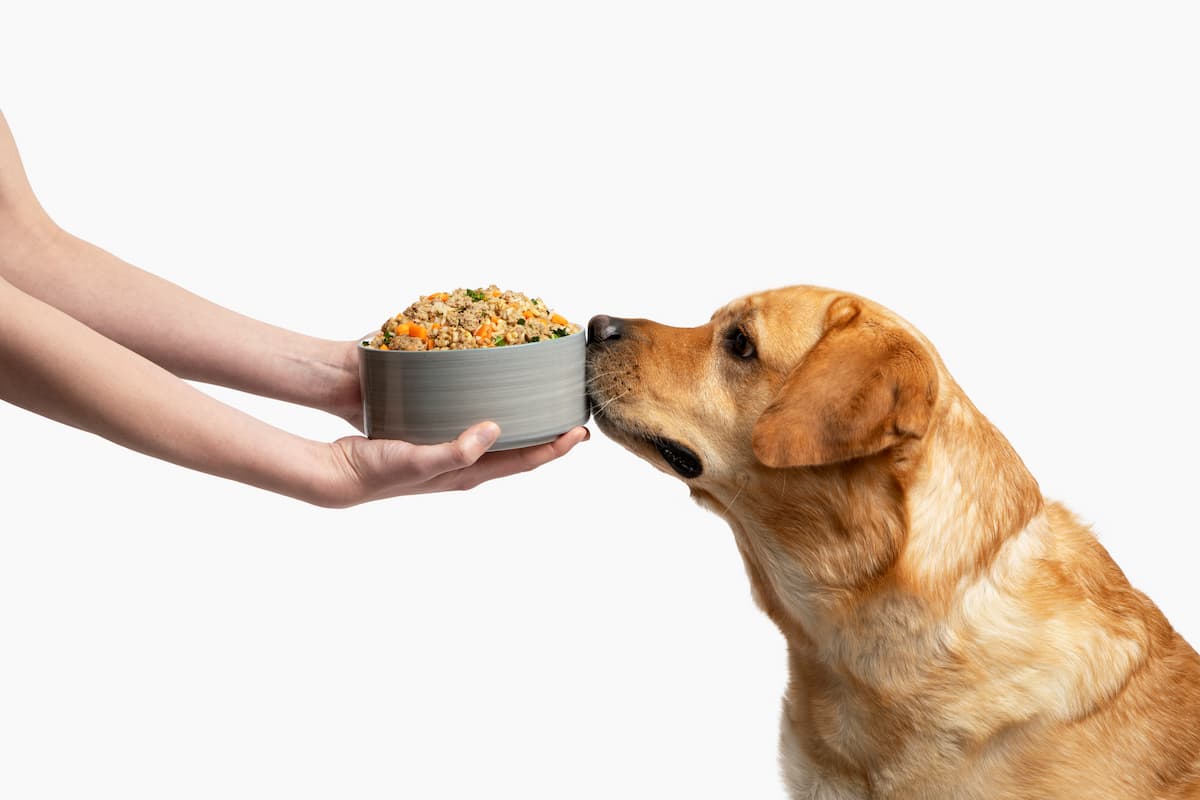
As more dog food brands enter the market, pet owners are rethinking what their dogs should eat. Many new options, such as raw, frozen, fresh, and human-grade dog diets, have expanded the formats available, so there is now something for every pup’s needs.
With so many options, it’s easy for pet owners to become overwhelmed when choosing a new dog food. Which ones meet human-grade food standards, and how do they compare to traditional kibble, wet food, or raw dog food?
Here’s what “human-grade” means for your dog, and how to compare top brands and choose a food that supports your dog’s health while fitting into your daily routine.
What is human-grade dog food?
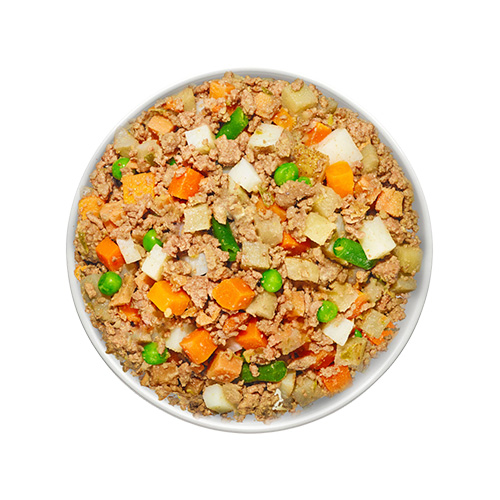
Human-grade dog food is any food made from ingredients deemed safe for people to eat and prepared in facilities licensed to produce human food. That means the ingredients, kitchen facilities, and cooking methods used to make human-grade dog food meet the same quality and safety standards as those required for human food. Each ingredient, from proteins like chicken and beef liver to veggies, fruits, and fats, meets the quality and safety standards that regulate the human food supply.
Most dog food, including kibble, is not human-grade. Instead, it is feed-grade dog food. Feed-grade products are perfectly safe for dogs to eat, provided they meet nutritional standards. But some ingredients, like meat by-products, may be less desirable for human consumption.
What is the best human-grade dog food brand?
If you decide to try human-grade dog food, the next step is choosing a brand. Making human-grade dog food is more expensive and time-consuming than making feed-grade pet diets, so only a handful of brands are available. Each of them is unique, and the right choice depends on your dog’s needs.
Here’s a look at a few top-rated brands recommended by veterinarians and nutrition experts.
JustFoodForDogs
JustFoodForDogs focuses on veterinary-formulated, science-backed nutrition. The brand offers a range of gently-cooked recipes in frozen, shelf-stable, fresh, custom, and prescription forms, each prepared in small batches. Their team includes veterinary nutritionists, and they offer options for healthy dogs as well as those with specific health concerns. JustFoodForDogs is available at pet stores or for delivery, with prices varying by food type. The company’s flagship fresh diet costs around $13 per day or $390 per month for a 50-lb dog.
The Farmer’s Dog
The Farmer’s Dog delivers fresh meals made with whole, simple ingredients. They use a few standard recipes, cooking them in small batches and sending portions customized to each dog’s age, breed, weight, and activity level. Recipes are developed by veterinarians, and the meals arrive ready to thaw and serve. Pricing for The Farmer’s Dog ranges from $2 per day for small dogs up to $10 or more per day for large dogs, or $60 to $300+ per month.
Nom Nom
Nom Nom sells its fresh-frozen foods in select stores, or you can have it delivered in portion sizes made just for your dog. You can choose from a variety of menu options, including research-backed probiotics to help with gut health. Nom Nom pricing ranges from $2 to $5 per meal, or around $120 to $300 per month.
Ollie
Ollie offers simple, affordable, fresh-food recipes made with wholesome ingredients and delivered via subscription. They also offer a baked-food style for pet parents looking for the convenience of kibble that’s made with human-grade ingredients, as well as treats, supplements, and a health app. Ollie’s pricing averages $4 to $8 per day, or $120 to $240 per month, depending on your pup’s size.
The Honest Kitchen
The Honest Kitchen offers human-grade diets in many forms, including shelf-stable dehydrated options, premixes for making homemade meals, and traditional canned and kibble-style dog foods for convenience. Pricing for Honest Kitchen foods averages $2 to $3 per day for a 30-lb dog, or $60 to $90 per month.
What are the benefits of human-grade dog food?
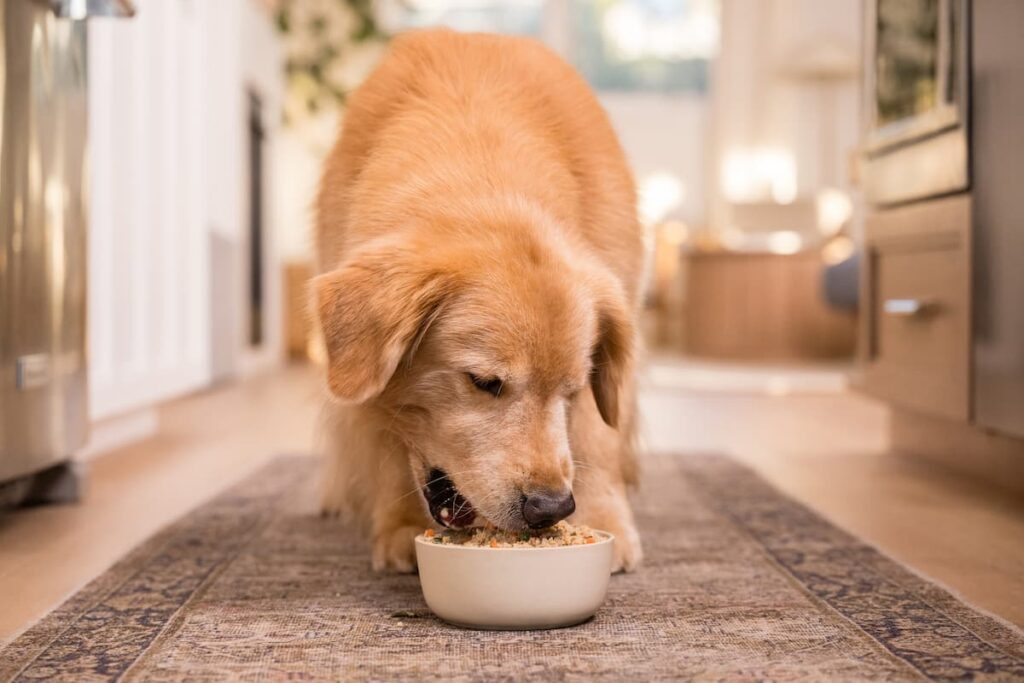
Feeding your pup a human-grade diet can have several advantages. While research is ongoing, here are some currently recognized benefits:
- Digestibility: Because human-grade dog foods are often less processed and contain fewer overall ingredients, they may be easier for some dogs to digest.
- Palatability: Fresh foods often smell and taste better to dogs than kibble, making them a good option for picky eaters.
- High-quality proteins: Human-grade dog food cannot contain certain meat by-products or highly processed proteins. Instead, they use muscle and organ meats.
- Fewer additives: Most human-grade dog foods are refrigerated, frozen, or freeze-dried to avoid the need for artificial preservatives. Unlike kibble, extra ingredients aren’t needed to keep the food from crumbling.
If you’re thinking of switching from kibble or canned food to a human-grade diet, it’s best to do so gradually over several days or weeks, so your dog’s digestive system can adjust. Talk to your veterinarian if you need help choosing the right brand and formulation for your dog.
What should I look for in human-grade dog food?
Here are a few things to consider when comparing dog food brands:
- Manufacturing: Choose a dog food brand that shares the location of its kitchens, how it sources ingredients, and the safety standards it follows during cooking.
- Nutrition: Always check that your pup’s food is labeled as “complete and balanced” for their life stage. Foods labeled for supplementary or intermittent feeding are lacking in essential nutrients,
- Convenience: Consider which type of food best fits your daily routine. For example, frozen food will require thawing time, and some forms require extra preparation.
- Affordability: Human-grade food costs more to make than traditional diets. Custom diets, rare proteins, and feeding large dogs can be pricey, while standard recipes and proteins for small dogs are more affordable.
- Suitability: Consider any special needs your dog may have. If your dog has a food sensitivity or health condition that limits which ingredients they can eat, you’ll need to choose a diet that is suitable for them.
Choosing the best human-grade food for your dog
By definition, human-grade dog foods are high-quality, safe diet choices. The best human-grade dog food brand or form depends on your dog’s health needs, what you can afford, and your personal preferences.
JustFoodForDogs creates wholesome meals using transparent ingredient sourcing and a variety of recipes. However, no single brand is right for every dog. To find what’s right for your household and canine family, research human-grade food brands and choose one that aligns with your pup’s health goals and your values, finances, and lifestyle.
Chances are, JustFoodForDogs has an option to meet your pup’s needs. With fresh, frozen, shelf-stable, DIY homemade, and custom diets alongside the highest-quality supplements and treats, you’ll find everything you need to support a healthy, happy life.