
Every dog owner asks the same question at some point: how long do dogs live? Whether you just brought home a new puppy or you’re watching your senior dog slow down on morning walks, understanding dog lifespan helps you plan for the years ahead and make the most of the time you have together. The truth is, there’s no single answer; how long dogs live depends on a mix of genetics, size, breed, and the day-to-day care they receive throughout their lives.
This guide breaks down the average dog lifespan, how lifespan varies by size and breed, key factors that influence longevity, and practical steps you can take to support your dog’s health for as long as possible.
Average Dog Lifespan
Most dogs live between 10 and 15 years, though this range varies considerably depending on size, breed, and individual health history. The average lifespan of a dog across all breeds is roughly 11 to 13 years, making dogs one of the longer-lived domestic animals relative to their size.
Size plays one of the largest roles in average dog lifespan. Small dogs tend to outlive large dogs by several years, and giant breed dogs often have the shortest life expectancy of all. A Chihuahua might reach 17 or 18 years, while a Great Dane may only live 7 to 10 years.
How Long Do Dogs Usually Live?

Dog life expectancy varies significantly across size categories and individual breeds. Below is a breakdown of typical lifespans by size group, with representative examples for each category.
Small Dog Breeds
Small dogs generally live the longest of any size group, with many small dog breeds reaching 12 to 16 years or more. Their slower growth rate and lower body mass appear to offer a biological advantage when it comes to longevity.
| Breed | Size | Typical Lifespan |
| Chihuahua | Small | 14–18 years |
| Yorkshire Terrier | Small | 13–16 years |
| Toy Poodle | Small | 14–18 years |
| Dachshund | Small | 12–16 years |
| Shih Tzu | Small | 10–16 years |
| Maltese | Small | 12–15 years |
| Pomeranian | Small | 12–16 years |
| Miniature Schnauzer | Small | 12–15 years |
The Yorkshire Terrier and Chihuahua consistently rank among the longest-living dog breeds. These smaller breeds tend to develop age-related conditions later in life than their larger counterparts. This contributes to their extended lifespan.
Medium Dog Breeds
Medium-sized dogs typically fall in the middle of the lifespan range, with most living between 10 and 14 years. This group includes a wide variety of breeds. Individual variation can be significant; a healthy, well-cared-for medium dog can comfortably reach or surpass the upper end of its expected range.
| Breed | Size | Typical Lifespan |
| Cocker Spaniel | Medium | 10–14 years |
| Australian Cattle Dog | Medium | 12–16 years |
| Border Collie | Medium | 12–15 years |
| Beagle | Medium | 10–15 years |
| Bulldog | Medium | 8–10 years |
| Whippet | Medium | 12–15 years |
| Basenji | Medium | 13–14 years |
| Brittany Spaniel | Medium | 12–14 years |
The Australian Cattle Dog stands out among medium-sized dogs for exceptional longevity. One Australian Cattle Dog named Bluey famously lived to 29 years, a record that has never been officially broken. The Cocker Spaniel is another popular medium breed that tends to enjoy a solid lifespan with attentive care.
Large Dog Breeds
Large dogs generally have a shorter average lifespan than small or medium dogs, typically living between 9 and 13 years. Big dogs age faster at the cellular level. Their larger body size places more demand on the cardiovascular and skeletal systems over time.
| Breed | Size | Typical Lifespan |
| Labrador Retriever | Large | 10–12 years |
| Golden Retriever | Large | 10–12 years |
| German Shepherd | Large | 9–13 years |
| Boxer | Large | 10–12 years |
| Doberman Pinscher | Large | 10–12 years |
| Siberian Husky | Large | 12–14 years |
| Rottweiler | Large | 8–10 years |
| Standard Poodle | Large | 12–15 years |
The Labrador Retriever and Golden Retriever are two of the most popular large breeds in the United States. Both tend to live around 10 to 12 years on average. German Shepherds are similarly popular and can reach 13 years with good veterinary care and a healthy lifestyle. The Standard Poodle is a notable outlier among large dogs, often living 12 to 15 years, longer than most dogs of comparable size.
Giant Breed Dogs
Giant breeds have the shortest lives of any size category. Despite their impressive stature, giant breed dogs often live only 7 to 10 years, and some have even shorter average lifespans. Rapid growth during puppyhood, increased risk of orthopedic issues, and greater susceptibility to certain cancers all contribute to their shorter lives.
| Breed | Size | Typical Lifespan |
| Great Dane | Giant | 7–10 years |
| Irish Wolfhound | Giant | 6–8 years |
| Bernese Mountain Dog | Giant | 7–10 years |
| Saint Bernard | Giant | 8–10 years |
| Mastiff | Giant | 6–10 years |
| Newfoundland | Giant | 8–10 years |
| Great Pyrenees | Giant | 10–12 years |
| Scottish Deerhound | Giant | 8–11 years |
Great Danes and Irish Wolfhounds are among the shortest-lived dog breeds. The Bernese Mountain Dog, beloved for its gentle temperament, also tends toward a shorter life expectancy of 7 to 10 years and has elevated rates of certain cancers. Giant breed owners should work closely with a vet to monitor health proactively throughout their dog’s life.
Mixed Breed Dogs
Mixed-breed dogs don’t fit neatly into a single size or breed category, but they deserve a mention in any discussion of dog lifespan. Mixed breeds often live slightly longer than purebred dogs of comparable size. This is likely due to genetic diversity that reduces the risk of inherited conditions common in specific breeds. A mixed-breed dog’s typical lifespan often reflects its size. Small mixed breeds often live 14 or more years, while large mixed breeds may live 10 to 13 years.
Key Factors That Influence How Long Dogs Live
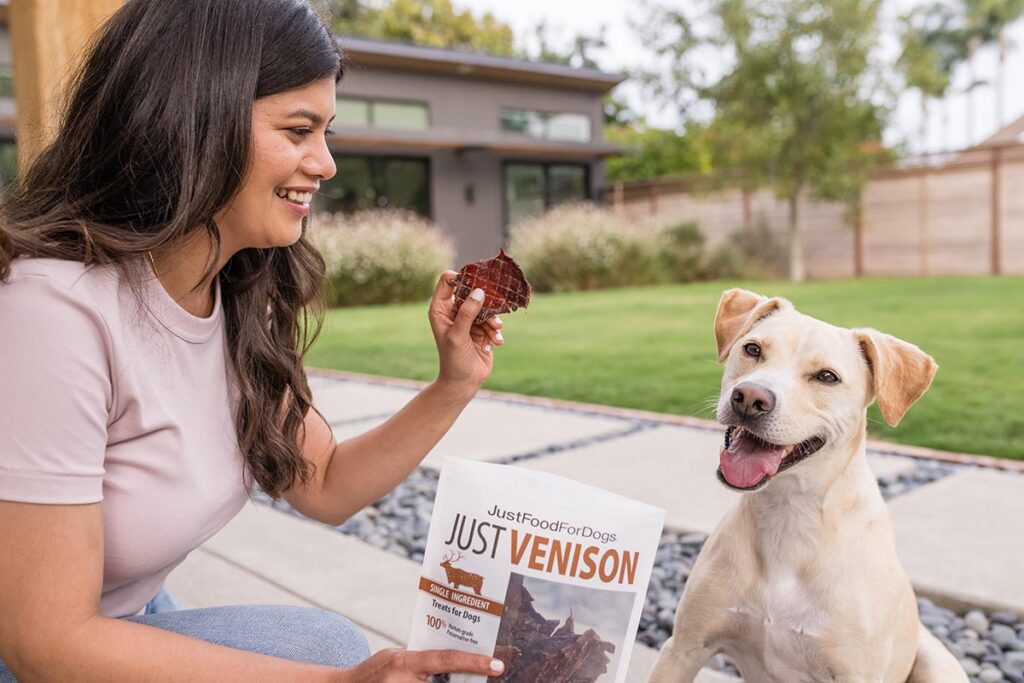
While breed and size set a general framework for dog lifespan, they don’t tell the whole story. Several key factors shape how long an individual dog lives. Many of them are meaningfully influenced by the care dogs receive throughout their lives.
Genetics and Breed Tendencies
Genetics establish a dog’s baseline health profile. Purebred dogs often carry a higher risk of specific inherited conditions. German Shepherds are prone to hip dysplasia, Golden Retrievers have elevated cancer rates, and Cavalier King Charles Spaniels frequently develop heart disease. Responsible breeding practices that screen for common genetic conditions can support healthier outcomes in purebred dogs.
Size and Growth Rate
Size is one of the strongest predictors of how long dogs live. Larger dogs grow faster during puppyhood, age more quickly, and face greater physiological demands on their hearts, joints, and organs. The biological mechanisms behind this relationship aren’t fully understood, but the pattern holds consistently across breeds and studies. Giant breed dogs, which grow the fastest of all, experience the most accelerated aging and therefore have the shortest lives.
Diet and Nutrition Quality
What dogs eat throughout their lives has a meaningful impact on overall health. Poor nutrition can contribute to obesity, chronic disease, and reduced life expectancy over time. A balanced, age-appropriate diet supports healthy body weight, immune function, digestive health, and organ function. Puppies need nutrient profiles that support growth, adult dogs need maintenance-level nutrition, and senior dogs often benefit from formulas designed to support joint health and easier digestion.
Preventive Veterinary Care
Routine vet visits are one of the most important investments a dog owner can make. Regular checkups allow veterinarians to catch emerging health issues before they become serious, keep vaccinations and parasite prevention current, monitor weight and body condition, and screen for age-related conditions in older dogs. Dogs that receive consistent veterinary care throughout their lives tend to live longer and experience a better quality of life.
Activity Level and Weight Management
Obesity is a serious and common health concern in dogs, and it’s directly linked to shorter lifespan. Overweight dogs face higher risk of joint problems, diabetes, heart disease, and certain cancers. Regular exercise, appropriately tailored to a dog’s age, size, and physical condition, helps maintain a healthy weight, supports cardiovascular health, and keeps muscles and joints strong. Mental stimulation through play, training, and environmental enrichment also contributes to overall well-being as dogs age.
Environment and Lifestyle
Dogs that live primarily indoors, in safe environments, with consistent access to food, clean water, veterinary care, and social interaction generally live longer than dogs that face chronic stress, exposure to environmental hazards, or neglect. Lifestyle factors like avoiding toxic substances, protecting dogs from extreme temperatures, and reducing unnecessary stress all contribute to longer, healthier dog lives.
How to Help Your Dog Live Longer
There are no guarantees when it comes to how long any individual dog will live, but there are consistent, practical steps every pet owner can take to support their dog’s long-term health and quality of life.
Feed a balanced, age-appropriate diet: Nutrition is foundational. Choose food that meets the specific needs of your dog’s life stage, puppy, adult, or senior, and prioritize whole-food ingredients with clear nutritional value. A healthy diet supports everything from immune function to coat quality to weight management.
Maintain a healthy weight: Talk to your vet about your dog’s ideal weight and body condition score, and monitor it consistently throughout the dog’s life. If your dog is carrying extra weight, work with your vet to create a realistic plan for gradual, healthy weight loss. Even modest weight reduction in overweight dogs can meaningfully improve health outcomes and reduce strain on joints and organs.
Schedule regular veterinary checkups: Annual wellness exams and twice-yearly checkups for senior dogs enable early detection of health issues, which are much easier to manage when detected early. Staying current on vaccinations, dental cleanings, and parasite prevention is equally important.
Prioritize daily exercise and mental stimulation: The right type and amount of exercise varies by breed and age. A young Border Collie needs far more activity than a senior Basset Hound, but consistent movement helps maintain a healthy weight, supports joint health, and contributes to emotional well-being. Training sessions, puzzle feeders, and interactive play also keep dogs mentally sharp as they age.
Don’t overlook dental and routine hygiene care: Dental disease is one of the most common health issues in dogs, and untreated oral infections can spread bacteria to the heart, kidneys, and liver. Brushing your dog’s teeth regularly, providing dental chews, and scheduling professional dental cleanings are all worthwhile habits.
Supporting Your Dog’s Health for a Longer, Happier Life
Genetics and size set the stage for how long dogs live, but daily care plays a meaningful role in how well dogs age and how long they thrive. A senior dog that has enjoyed consistent nutrition, regular vet visits, daily exercise, and attentive care throughout its life is far more likely to remain healthy and active than one that hasn’t. The choices you make every day about what your dog eats, how often they move, whether they see a vet regularly add up over a dog’s lifetime.
Nutrition deserves particular attention. JustFoodForDogs offers a thoughtful approach to dog nutrition for pet parents who want to support their dog’s long-term well-being. Their carefully prepared, nutrient-rich meals are designed to complement routine veterinary care (not replace it), and are made with real, whole ingredients that support overall health. Whether you’re looking for Fresh Frozen Meals for a convenient, fridge-ready option, Shelf-Stable Meals for easy storage and travel, or the DIY Homemade program to prepare balanced meals at home, there are options designed to meet your dog where they are in life.
Final Thoughts
Every loving pet parent wants their dog to live as long as they do, but the reality is that’s just not a possibility. Knowing what to expect, however, and how to care for them properly can help them live a longer and definitely happier life.