Pet parents have questions. When you’re choosing a dog, you want to know about their size, temperament, potential health concerns, and which breeds are the longest living dogs.
Lifespan matters because you want a long-term companion and to plan their care as they age. Fortunately, certain breeds are well known for having longer-than-average life expectancies. Curious how dog years compare to human years? Here’s how to calculate them.
Whether you’re researching your next furever addition or trying to stack the odds in your current pup’s favor, you’ve come to the right place.
In this guide, we’ll walk through:
- The dogs with long life spans
- The maximum life span of dog breeds typically seen
- What traits many of the oldest dog breeds have in common
- And how your daily care choices can help your pooch thrive for years to come
What dog breed lives the longest?
When it comes to what dog breed lives the longest, smaller breeds tend to top the list. According to veterinary research, small breeds consistently show longer median lifespans than large and giant breeds. Why that happens comes down to growth rates; larger dogs age faster at the cellular level, which we’ll get into below.
Here’s a look at 12 dog breeds with long life spans. Remember: these are typical lifespan ranges, not promises.
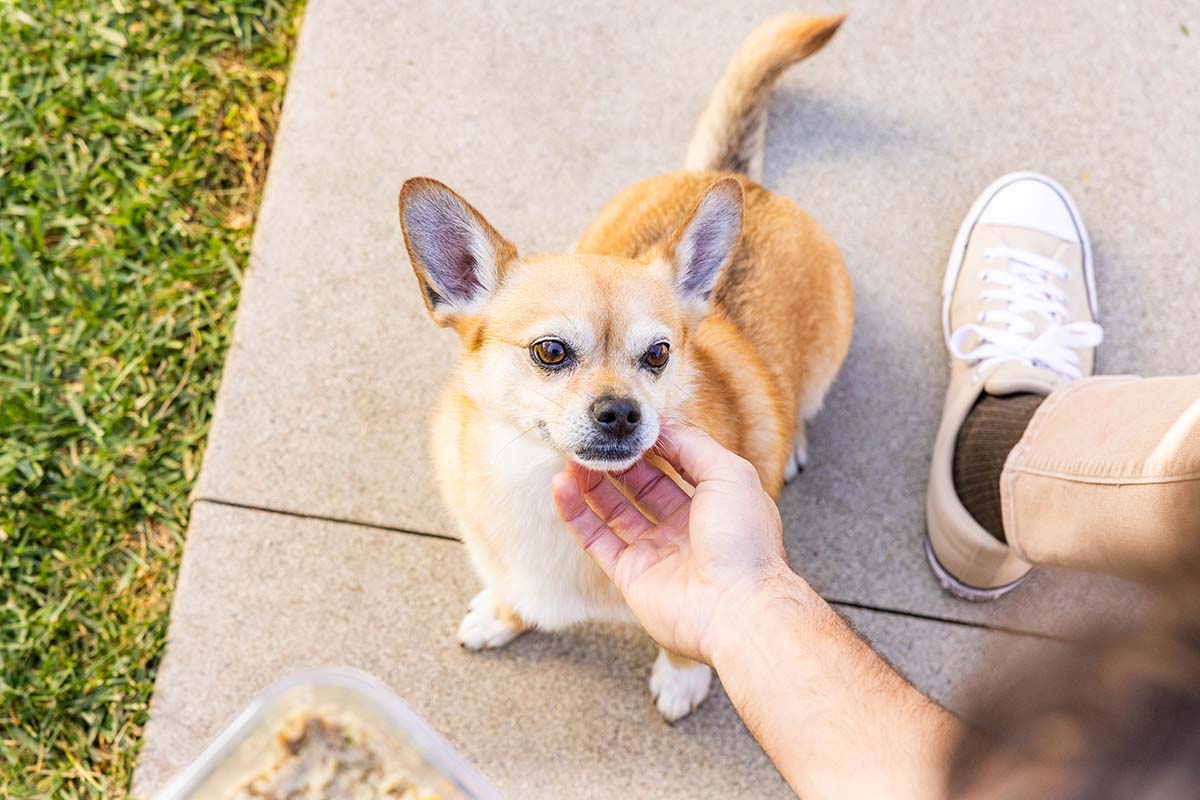
Chihuahua
Typical lifespan: 14–18 years (some reach 20+)
Size: 2–6 pounds
Temperament: Loyal, alert, opinionated
Chihuahuas might be tiny, but don’t tell them. Chihuahuas are fiercely loyal and eager to defend their territory against invaders. Whether those invaders come in the form of friendly neighbors or other pets, be prepared for a high-pitched bark. A Chihuahua named “Megabyte” is widely reported to be the oldest Chihuahua, having lived 20 years and 265 days.
Best for those who don’t mind a vocal and velcro companion.
Toy Poodle
Typical lifespan: 12–18 years
Size: 4–6 pounds
Temperament: Intelligent, trainable, affectionate
Toy Poodles combine brains and longevity. This is a smart breed that gets bored easily and requires plenty of mental enrichment.
Best for: Active owners who enjoy training and interactive play. This is a breed that’ll keep you on your toes.
Dachshund
Typical lifespan: 12–16 years
Size: 11–32 pounds (standard and miniature)
Temperament: Curious, brave, devoted
Dachshunds were originally bred to hunt rabbits, badgers, and other small creatures. Their long, “sausage-like” appearance earns them the nickname of “sausage dogs,” and this build can make them vulnerable to back issues. They benefit from ramps to higher places and no jumping from heights. They also have strong personalities.
Best for: Dog parents committed to consistent weight management and safety.
Jack Russell Terrier
Typical lifespan: 13–16 years
Size: 13–17 pounds
Temperament: Energetic, driven, fearless
Jack Russells were bred for fox hunting, and like other hunting breeds, they still carry that energy in their cells. These are problem-solving dogs with great stamina.
Best for: Active households ready to keep up with a dog who believes naps are optional. Check out our list of other family-friendly dogs.
Shih Tzu
Typical lifespan: 10–16 years
Size: 9–16 pounds
Temperament: Affectionate, friendly, adaptable
Shih Tzus were originally bred for Chinese Royalty as fluffy companions. They thrive in family settings. They’re warm, sociable, and adaptable to their surroundings. This pup is happy being a lap dog.
Regular grooming is a must to keep their coat looking beautiful and snarl-free. But their sweet temperament makes this easy. They do have flat faces, which can make them prone to breathing issues. When you keep them at a healthy weight, it reduces this risk.
Best for: Those looking for a gentle companion who lives to snuggle.
Maltese
Typical lifespan: 12–15 years
Size: Under 7 pounds
Temperament: Gentle, playful, devoted
The Maltese is another small companion breed known for longevity and socialability. They’re playful, confident, and thrive on social connection. They also need frequent grooming to maintain their lush coat. Looking for other long-haired dogs? See our full round-up.
Best for: Pet parents who’re often home and enjoy a constant companion.
Yorkshire Terrier
Typical lifespan: 11–15 years
Size: Around 7 pounds
Temperament: Spirited, bold, affectionate
Yorkies may be small, but they pack in the personality. Originally, they caught rats in textile mills, and they still maintain that curiosity. They adapt well to apartment living but still require plenty of playtime and enrichment to stay happy.
Best for: Pet parents who want a small, active pup with a big personality.
Pomeranian
Typical lifespan: 12–16 years
Size: 3–7 pounds
Temperament: Lively, confident, curious
Pomeranians are fluffy and extroverted. They’re smart, alert, and social. Like other small breeds, they can be vocal, but they’re often friendly.
Poms do need extra dental care. Their small jaw makes tartar and gum disease more likely. Regular brushing, dental chews, and professional cleanings are longevity tools.
Best for: Pet parents who enjoy a social, playful dog and are committed to regular grooming and dental upkeep.
Miniature Schnauzer
Typical lifespan: 12–15 years
Size: 11–20 pounds
Temperament: Alert, friendly, intelligent
Miniature Schnauzers are one of the most adaptable small breeds. They can keep up with an active lifestyle yet are calm enough to adapt to a quieter one. They’re also smart.
Best for: Pet parents who want a medium-energy pup who can do well in the city or the suburbs.
Lhasa Apso
Typical lifespan: 12–15 years
Size: 12–18 pounds
Temperament: Independent, loyal, watchful
Lhasa Apsos are one of the oldest dog breeds and were originally bred as guard dogs for Tibetan monasteries. For hundreds of years, this fluffy breed lived at high altitudes, and monks considered them good-luck charms.
Now they enjoy guarding their families and benefit from early socialization to help them become well-adjusted.
Best for: Experienced pet parents who appreciate independent thinkers with historical lineage.
Papillon
Typical lifespan: 13–17 years
Size: 5–10 pounds
Temperament: Energetic, bright, affectionate
Papillons are named for their distinctive butterfly-shaped ears. The word Pappillon is French for butterfly. Papillons are an older breed with ancestors spotted in Dutch Master paintings dating back to the 16th century.
Beyond their ears, they are agile and highly trainable. They thrive on activity and mental challenges, including agility training.
Best for: Active pet parents who want a small dog with big athletic and intellectual energy.
Australian Cattle Dog
Typical lifespan: 12–16 years
Size: 35–50 pounds
Temperament: Loyal, hardworking, highly energetic
One of the longest-living larger breeds, “Bluey” was an Australian Cattle Dog (ACD) who lived 29 years and 5 months. The Guinness World Record lists him as the longest-living dog.
ACDs are the largest breed on this list and their longevity is likely tied to their working dog lifestyle. These are not couch potato pups; they require purpose.
Best for: Active families committed to serious exercise and daily mental engagement. It’s even better if there’s space to roam.
Looking for a less active breed? Here’s our list of lazy dog breeds. Or, maybe you’re interested in hairless dog breeds? We’ve got you covered.
What helps dogs live longer over time
Veterinary research consistently shows that size plays a major role in aging patterns. Larger dogs grow rapidly and age faster at the cellular level. Research shows that accelerated growth rates in large breeds are linked to shorter life expectancy, while the average lifespan of a small dog breeds is years longer. Medium-sized dog breeds typically fall somewhere in between, with average lifespans of 10-13 years.
Smaller breeds typically:
- Grow more slowly
- Reach maturity at a steadier pace
- Experience slower cellular aging
However, genetics are only part of the picture. Environment, preventive care, and nutrition all matter just as much as genes, and these are areas where you have the biggest influence.
Regular vet visits and early screenings. Seeing your vet once a year (or twice a year for senior pups) is one of the simplest things you can do for a long, healthy life together. Routine checkups catch conditions such as kidney disease, heart disease, and diabetes before they become serious. Early detection can make all the difference in both lifespan and quality of life.
Vaccinations and parasite prevention. Staying on top of vaccines and parasite prevention protects your dog from entirely avoidable diseases. Heartworm, tick-borne illnesses, and intestinal parasites can all take years off your dog’s life if left unchecked. Consistent prevention is always the better path.
Dental care. Here’s one that often gets overlooked: most dogs show signs of dental disease as early as age three. And it’s not just about their teeth because chronic oral infections can affect the heart, kidneys, and liver. Brushing, dental chews, and professional cleanings are investments in a longer, healthier life for your dog.
Movement and mental stimulation. Daily exercise keeps your dog at a healthy weight, supports joint and heart health, and even helps maintain cognitive function as they age. And don’t underestimate the power of mental enrichment — puzzles, training sessions, and scent games have been linked to slower cognitive decline in older dogs. A tired, engaged dog is a thriving dog.
Nutrition that works as hard as you do. What your dog eats every single day influences their immune system, inflammation levels, weight, and organ health. Good nutrition isn’t a nice-to-have — it’s the foundation for everything else.
Which brings us to one of the most powerful daily decisions you make for your dog.
Supporting a longer, healthier life with thoughtful nutrition

Even among the longest-living dog breeds, what you feed them matters.
Feeding balanced meals made with high-quality ingredients helps support healthy aging at every life stage, from bouncy puppyhood to the dignified senior years.
Fresh, whole-food–based nutrition can:
- Support lean muscle maintenance
- Promote healthy digestion
- Provide essential fatty acids for brain and joint health
- Reduce unnecessary fillers that contribute to weight gain
JustFoodForDogs is a good option if you want to feed your pet real, whole ingredients while still following your vet’s nutritional guidance.
You can explore:
- Fresh Frozen Meals
- Shelf-Stable Meals
- Supplements
Good nutrition always supports health inside and out. Here are 7 superfoods for dogs to help your pup feel their best. Ideally, you’re adding healthy, tail-wagging years.